
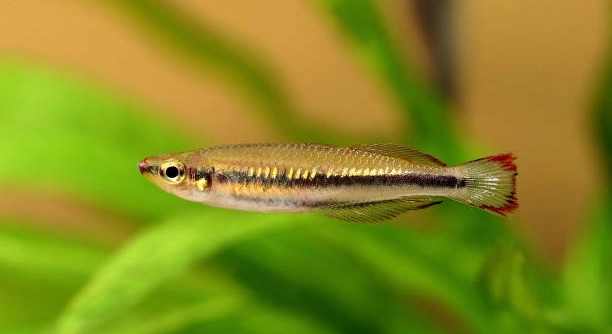
Lonely rainbowfish can show signs of stress or boredom in their tank. Many owners notice dull colors or unusual behavior when their fish lacks proper stimulation or companionship in its environment.
Providing a lonely rainbowfish with appropriate companions, environmental enrichment, and varied feeding routines significantly improves its overall well-being. Social interaction, hiding spots, and mental stimulation reduce stress, promote natural behaviors, and help maintain vibrant coloration and a healthy immune system.
Implementing these simple changes can create a more active and content rainbowfish, ensuring it thrives in its aquatic surroundings.
Introduce Compatible Tank Mates
Adding compatible tank mates can greatly improve a lonely rainbowfish’s mood. Rainbowfish are naturally social creatures and thrive in groups. When kept alone, they may become shy, hide frequently, or lose color vibrancy. Ideal companions are other rainbowfish of similar size or peaceful schooling species that do not compete aggressively for food. Avoid overly territorial or fin-nipping fish, as they can increase stress levels and disrupt natural behavior. Carefully selecting species based on temperament and swimming levels ensures that your rainbowfish feels secure while remaining active. Gradually introducing new fish and monitoring their interactions reduces the risk of conflict. The tank should be large enough to accommodate a group comfortably, providing swimming space and reducing overcrowding. Using visual barriers such as plants or decorations can also help new tank mates adjust gradually. Consistent feeding schedules and water conditions play an essential role in fostering a harmonious environment for all fish involved.
Compatible tank mates help reduce loneliness and promote healthy, natural behavior in rainbowfish.
When rainbowfish are housed with appropriate companions, they display brighter colors, increased activity, and social interactions like synchronized swimming. This creates a dynamic, healthy environment that benefits all fish in the tank, making it a more enjoyable habitat.
Enhance Tank Environment
Adding plants, rocks, and hiding spaces can make a tank more stimulating for a rainbowfish. These structures mimic natural habitats and give fish places to explore and feel safe.
A well-structured environment encourages movement, reduces stress, and keeps fish mentally engaged.
Providing varied décor such as live plants, driftwood, or gentle current areas promotes natural exploration and territorial behavior. Rainbowfish often use plants as cover to rest or hide, which makes them feel secure. Open swimming areas allow them to exercise and interact with tank mates. Changing the layout occasionally prevents monotony and encourages curiosity, while ensuring decorations do not overcrowd the tank. Maintaining water quality with regular cleaning and monitoring ensures plants thrive and fish remain healthy. Proper lighting and temperature adjustments simulate natural conditions, further improving overall well-being. This combination of enrichment and careful maintenance creates a vibrant, active environment where rainbowfish can flourish.
Provide a Varied Diet
Rainbowfish benefit from a mix of flake, pellet, and live or frozen foods. A varied diet keeps them healthy, supports bright coloration, and encourages active feeding behavior.
Offering foods like brine shrimp, daphnia, or bloodworms provides essential protein and nutrients. Fresh vegetables such as blanched spinach or peas can also be added occasionally to supplement vitamins. Feeding small amounts multiple times a day prevents overfeeding and keeps fish engaged during mealtime. Rotating different types of food ensures they receive a balanced diet while maintaining their interest and appetite. Observation during feeding helps identify any shy or slower-eating fish that may need extra attention. Using feeding rings or spreading food throughout the tank encourages natural foraging behavior. Consistency in feeding routines also reduces stress, as rainbowfish respond well to predictable schedules. Maintaining high-quality food prevents water contamination, supporting overall tank health.
A healthy, varied diet strengthens immune systems and keeps rainbowfish active and vibrant.
Rainbowfish often respond positively to live or frozen foods, displaying more energetic swimming patterns and interactions with tank mates. Meal variety helps reduce boredom and stimulates natural instincts.
Maintain Stable Water Conditions
Consistent water quality is essential for rainbowfish health. Regular testing for pH, ammonia, nitrites, and nitrates prevents stress and disease. Proper filtration and partial water changes keep the tank environment clean.
Sudden changes in water conditions can cause illness, dull colors, and unusual behavior. Maintaining temperature stability, ideally between 24–28°C, ensures rainbowfish remain active and healthy. Regular monitoring and slow adjustments when needed reduce stress and allow fish to acclimate safely. Adding conditioners to remove chlorine or chloramine from tap water protects delicate gills. Observing fish for signs of stress, such as clamped fins or lethargy, helps identify water issues early. Combining good filtration, partial water changes, and careful monitoring creates a stable environment where rainbowfish can thrive. Consistent care in these areas supports long-term health, encourages natural behavior, and prevents common problems related to water instability.
Stable water conditions allow rainbowfish to maintain vibrant colors, strong immune systems, and active behavior patterns within the tank.
Encourage Regular Activity
Rainbowfish need space and stimulation to stay active. Open swimming areas and gentle currents help them exercise naturally.
Adding floating plants or small obstacles encourages movement and exploration, preventing boredom and lethargy.
Provide Occasional Enrichment
Introducing toys, mirrors, or feeding puzzles can keep rainbowfish mentally engaged. These enrichments simulate natural challenges.
Fish may chase reflections or explore new objects, which promotes curiosity and reduces stress. Regularly changing enrichment items keeps the tank environment dynamic, supporting mental stimulation. Enrichment encourages natural behaviors such as hunting, hiding, and schooling, which strengthens social bonds among tank mates. Monitoring their reactions ensures that items do not cause fear or aggression. By varying these small activities, rainbowfish remain alert and energetic, reducing signs of loneliness or inactivity, and improving overall well-being in their aquatic habitat.
Monitor Behavior Closely
Watching your rainbowfish daily helps detect early signs of stress or illness. Observing interactions and activity levels is crucial.
Keep a Consistent Routine
Maintaining a regular feeding and cleaning schedule helps rainbowfish feel secure and reduces stress in the tank environment.
FAQ
How many rainbowfish should I keep together?
Rainbowfish are schooling fish and feel more comfortable in groups. Keeping at least six of the same or similar species helps them feel secure, reduces stress, and encourages natural swimming behavior. Smaller groups may lead to shyness, dull colors, or inactivity.
Can rainbowfish live with other types of fish?
Yes, they can live with peaceful, non-aggressive species that occupy similar water conditions. Avoid fin-nipping or territorial fish, as they can stress rainbowfish. Careful selection ensures harmony, allowing all fish to display natural behaviors and remain healthy.
What is the best diet for a rainbowfish?
Rainbowfish thrive on a varied diet that includes high-quality flakes, pellets, and occasional live or frozen foods such as brine shrimp, daphnia, or bloodworms. Supplementing with blanched vegetables like peas or spinach provides essential nutrients and vitamins for overall health.
How often should I feed my rainbowfish?
Feeding small portions two to three times daily keeps rainbowfish active and prevents overfeeding. Spread food throughout the tank to encourage natural foraging. Observing fish during feeding helps identify shy or slower-eating individuals that may need extra attention.
What water conditions are ideal for rainbowfish?
Rainbowfish prefer a stable environment with temperatures between 24–28°C, pH around 6.5–7.5, and low levels of ammonia, nitrites, and nitrates. Regular testing and partial water changes maintain these conditions, preventing stress and illness. Sudden changes in water quality should be avoided.
How do I know if my rainbowfish is stressed or lonely?
Signs of stress or loneliness include clamped fins, hiding, reduced activity, dull coloration, or loss of appetite. Observing behavior daily helps detect problems early. Adding companions, enrichment, or adjusting water conditions can improve their well-being.
Can enrichment items improve a rainbowfish’s happiness?
Yes, items like mirrors, floating plants, or feeding puzzles encourage natural behaviors such as exploring, hunting, or schooling. Changing enrichment periodically keeps their environment interesting and reduces signs of boredom or inactivity.
How often should I clean the tank?
Partial water changes of 20–25% weekly or biweekly maintain water quality. Cleaning the substrate and filter without disturbing beneficial bacteria helps keep the tank safe. A consistent cleaning routine prevents disease and stress.
Are rainbowfish sensitive to sudden changes in the tank?
Yes, sudden temperature, pH, or environment changes can cause stress, illness, and unusual behavior. Gradual adjustments allow them to adapt safely. Maintaining a predictable routine for feeding, cleaning, and environmental changes supports long-term health.
Is it okay to add decorations or plants?
Adding live or artificial plants, rocks, and hiding spaces creates a stimulating environment. These items encourage exploration and reduce stress. Open swimming areas combined with well-placed hiding spots allow rainbowfish to display natural behaviors and feel secure.
Can rainbowfish recognize each other?
Rainbowfish can recognize and respond to their tank mates, often forming loose social hierarchies. Keeping compatible groups promotes social interaction, reduces stress, and encourages schooling, which helps them display vibrant colors and active behavior.
What should I do if my rainbowfish shows signs of illness?
Isolate the affected fish if possible, check water parameters, and observe symptoms carefully. Consult with a veterinarian or fish specialist for proper treatment. Early intervention improves recovery and prevents the spread of disease to other tank mates.
How important is lighting for rainbowfish?
Proper lighting enhances coloration, supports plant growth, and regulates natural day-night cycles. Avoid overly bright or sudden changes in lighting, as it can stress the fish. Consistent lighting schedules contribute to a healthy and balanced tank environment.
Can rainbowfish live alone if necessary?
While they can survive alone, it is not ideal. Loneliness can lead to stress, dull colors, and reduced activity. Providing companions or enrichment is strongly recommended to maintain mental and physical health.
How do I introduce new fish to the tank?
Introduce new fish slowly using a quarantine or floating acclimation method. Monitor interactions carefully to prevent aggression or stress. Gradual introduction allows rainbowfish to adjust to new companions safely and helps maintain a harmonious tank.
How can I encourage vibrant colors in rainbowfish?
A balanced diet, stable water conditions, social interaction, and a well-maintained environment all contribute to vibrant coloration. Stress reduction and proper lighting also enhance their natural hues, making rainbowfish more visually striking.
How long do rainbowfish typically live?
With proper care, rainbowfish can live five to eight years. Stable water conditions, a nutritious diet, and social or environmental enrichment all play essential roles in supporting longevity and overall health.
Can I use a mirror to entertain my rainbowfish?
Short periods with a mirror can stimulate activity and curiosity. Avoid prolonged exposure, as it may cause stress or aggressive behavior. Observation during mirror use ensures it remains a positive form of enrichment.
How can I tell if tank mates are compatible?
Observe behavior during initial interactions. Compatible species swim peacefully, do not nip fins, and share similar feeding patterns. Aggression, stress, or hiding indicate incompatibility, requiring separation or selection of different companions.
What is the ideal tank size for rainbowfish?
A minimum of 30 gallons is recommended for a small group. Larger tanks provide space for schooling, swimming, and environmental enrichment, reducing stress and promoting active, healthy behavior.
How often should I monitor water parameters?
Check water parameters weekly or whenever introducing new fish, changing water, or adding decorations. Consistent monitoring prevents stress, disease, and unexpected issues, ensuring a safe and stable environment for rainbowfish.
Can rainbowfish recognize feeding routines?
Rainbowfish quickly learn feeding schedules and show increased activity when food is expected. Predictable routines reduce stress and encourage regular foraging behavior, improving overall mental and physical health.
Are live plants better than artificial ones?
Live plants offer natural hiding spots, oxygenation, and foraging opportunities, but require maintenance. Artificial plants provide shelter without care but lack biological benefits. Both can enhance the tank, depending on preference and maintenance ability.
How do I prevent rainbowfish from getting bored?
Rotating decorations, providing enrichment, maintaining social groups, and varying diets all prevent boredom. Mental stimulation encourages exploration, social interaction, and natural behaviors, keeping rainbowfish active and healthy.
Is water temperature fluctuation harmful?
Yes, sudden changes can stress rainbowfish, weaken their immune system, and lead to illness. Using heaters, monitoring daily, and adjusting temperature gradually maintains stability and supports overall well-being.
Can rainbowfish adapt to different tank sizes?
Rainbowfish adapt best to spacious tanks that allow schooling and swimming. Small or overcrowded tanks increase stress, aggression, and inactivity. Proper space ensures active, healthy, and socially engaged fish.
Should I isolate a new rainbowfish before adding it?
Yes, quarantining new fish for a few weeks helps detect disease, reduces stress for existing fish, and allows safe introduction. Observation during this period ensures healthy integration into the main tank.
Can rainbowfish live with aggressive species?
No, aggressive fish can cause stress, injuries, and even death. Choosing peaceful tank mates is essential to maintain a calm, safe, and healthy environment.
How can I tell if my rainbowfish is happy?
Signs of a happy rainbowfish include vibrant colors, active swimming, schooling behavior, exploring the tank, and normal feeding. Regular observation helps ensure they remain mentally and physically healthy.
Do rainbowfish need hiding spots?
Yes, hiding spots reduce stress, allow resting, and provide safety when startled. Plants, rocks, or decorations create secure areas while still leaving open swimming space for activity.
Can overfeeding affect rainbowfish happiness?
Yes, overfeeding leads to water quality issues, obesity, and lethargy. Providing controlled portions supports activity, reduces disease risk, and maintains a healthy tank environment.
How do I know if my tank is too small?
Signs include overcrowding, constant aggression, limited swimming space, and stress-related behavior. A larger tank allows schooling, enrichment, and proper social interaction.
Are rainbowfish sensitive to light cycles?
Yes, consistent day-night cycles support natural behavior and reduce stress. Sudden or irregular lighting can disturb sleep patterns and activity levels.
What is the best way to introduce new enrichment items?
Place items gradually and observe fish reactions. Ensure they do not obstruct swimming or create stress. Rotate items periodically to maintain interest and promote natural behaviors.
Can rainbowfish recognize their owners?
Rainbowfish may respond to familiar movements, feeding routines, or sounds, showing curiosity and recognition, though not in the same way as mammals. This interaction encourages mental stimulation and engagement.
Do rainbowfish need regular social interaction?
Yes, social interaction with their species reduces stress, improves activity, and supports vibrant coloration. Isolation negatively affects health and behavior.
Is tank size more important than number of fish?
Both matter. Adequate space ensures schooling and swimming freedom, while proper group size provides companionship. A balance of both promotes mental and physical well-being.
How can I prevent disease in rainbowfish?
Maintain stable water, avoid overfeeding, quarantine new fish, and monitor health regularly. Clean tanks and proper nutrition reduce illness risks, ensuring a healthy environment.
Can I use tank decorations to reduce stress?
Yes, plants, rocks, and hiding spots give rainbowfish safe areas, reducing anxiety and promoting natural behavior. Changing layout occasionally keeps the environment stimulating.
Are rainbowfish active during the day or night?
Rainbowfish are primarily diurnal, most active during daylight hours. Proper lighting and environmental enrichment help maintain natural activity patterns and reduce stress.
How important is schooling for rainbowfish?
Schooling provides security, reduces stress, and encourages natural swimming behavior. Keeping compatible groups allows fish to display vibrant colors and healthy social interaction.
Can I breed rainbowfish in a home tank?
Yes, with proper water conditions, diet, and group size. Providing plants or spawning mops encourages egg-laying, while separating fry ensures survival and healthy development.
Do rainbowfish need supplements or vitamins?
A balanced diet usually provides sufficient nutrients. Occasional supplementation can enhance coloration or health but is generally unnecessary if diet is varied and high-quality.
What should I do if rainbowfish are not eating?
Check water conditions, observe for illness, and try varied food types. Stress, loneliness, or poor water quality often causes appetite loss. Gradual reintroduction of food encourages feeding.
Can rainbowfish live in community tanks?
Yes, with peaceful species that share compatible water conditions and behavior. Proper monitoring ensures harmony, active behavior, and overall health.
How often should I rearrange the tank?
Occasional rearrangement keeps the environment stimulating. Avoid frequent drastic changes, as this can stress the fish. Gradual adjustments encourage exploration and natural behaviors.
Is it necessary to use a heater for rainbowfish?
Yes, maintaining stable temperatures between 24–28°C supports metabolism, immune function, and overall activity. Sudden fluctuations should be avoided to prevent stress and illness.
Can rainbowfish get bored without enrichment?
Yes, lack of stimulation may lead to hiding, lethargy, or dull colors. Providing social interaction, decor, and occasional enrichment promotes mental and physical well-being.
How can I tell if rainbowfish are stressed?
Signs include clamped fins, reduced activity, hiding, loss of color, or decreased appetite. Observing behavior and water quality helps identify causes and guide improvements.
Are all rainbowfish species social?
Most are social and prefer groups, though some species vary slightly in schooling tendencies. Providing companionship usually benefits their behavior, coloration, and overall health.
Can rainbowfish live with shrimp or snails?
Yes, peaceful invertebrates like snails or shrimp are generally compatible. They add interest to the tank without stressing rainbowfish, provided they are not small enough to be eaten.
Do rainbowfish require strong filtration?
Moderate filtration is sufficient, ensuring clean water and gentle currents. Strong currents should be avoided, as rainbowfish prefer steady swimming conditions.
Can overstocking affect rainbowfish happiness?
Yes, overcrowding causes stress, aggression, and poor water quality. Adequate space and proper group sizes promote natural behavior, activity, and overall health.
Is it okay to leave rainbowfish alone for a short time?
Short absences are fine if water and feeding routines are stable. Prolonged isolation or neglect can lead to stress and decreased activity.
What signs indicate my rainbowfish tank is healthy?
Active swimming, vibrant colors, normal feeding, stable water parameters, and peaceful interactions with tank mates indicate a healthy environment.
Do rainbowfish need sunlight?
Direct sunlight is not recommended. Proper aquarium lighting simulates natural cycles and supports plants and fish without causing temperature spikes or algae overgrowth.
How long can rainbowfish survive without enrichment?
They may survive, but prolonged lack of stimulation can lead to boredom, stress, reduced activity, and dull colors. Enrichment promotes mental and physical health.
Can rainbowfish adapt to different water hardness?
They tolerate moderate variations, but sudden or extreme changes can stress them. Gradual adjustments and stable conditions are essential for health and happiness.
Is it necessary to aerate the tank for rainbowfish?
Adequate oxygenation through surface agitation or gentle aeration supports respiration and health. Strong currents should be avoided to prevent stress.
Do rainbowfish prefer planted tanks?
Yes, plants offer hiding spots, security, and mental stimulation. Open swimming areas should remain available for exercise and social behavior.
How can I prevent aggression in rainbowfish?
Maintaining proper group sizes, compatible tank mates, adequate space, and enrichment reduces stress and territorial behavior. Observation ensures peaceful interactions.
Can rainbowfish live in a nano tank?
Nano tanks are generally too small for active schooling behavior. A larger tank provides swimming space, reduces stress, and supports natural activity patterns.
Should I use water conditioners for rainbowfish?
Yes, conditioners remove chlorine and chloramine from tap water, protecting delicate gills and supporting overall health. Consistent water treatment maintains a safe environment.
Do rainbowfish enjoy interaction with owners?
They may respond to familiar routines and movements, showing curiosity. While not interactive like mammals, these responses encourage engagement and enrichment.
How often should I check for signs of disease?
Daily observation helps detect early symptoms such as discoloration, fin damage, or abnormal behavior. Early intervention improves recovery and prevents tank-wide issues.
Are rainbowfish sensitive to loud noises or vibrations?
Yes, sudden loud sounds or vibrations can startle fish, causing stress. Placing the tank in a stable, low-traffic area minimizes disturbances.
Can rainbowfish live in a brackish tank?
No, rainbowfish generally prefer freshwater conditions. Salt or brackish water can cause stress, illness, or death depending on the species.
How do I choose the right rainbowfish species for my tank?
Consider adult size, temperament, water parameters, and social behavior. Selecting species compatible with tank mates and available space ensures a healthy and balanced environment.
Do rainbowfish need a varied diet to maintain happiness?
Yes, variety prevents boredom, supports health, enhances color, and encourages natural foraging behaviors. Rotating food types keeps fish engaged.
What should I do if my rainbowfish stops schooling?
Check for stress, water quality, or illness. Ensure proper group size and compatible tank mates. Environmental enrichment can encourage schooling and activity.
Is it okay to keep rainbowfish with larger, aggressive species?
No, aggression from larger fish can cause stress, injury, or death. Peaceful tank mates are essential for safety and well-being.
How can I tell if my rainbowfish is lonely?
Signs include hiding, dull coloration, lethargy, and reduced interaction with tank mates. Introducing companions or enrichment improves activity and social behavior.
Can rainbowfish tolerate cooler water temperatures?
Slightly cooler water slows metabolism and activity but prolonged exposure outside their preferred range can cause stress, illness, and reduced lifespan.
Do rainbowfish need special lighting for color enhancement?
Proper lighting enhances natural hues, supports plant growth, and regulates day-night cycles. Avoid intense or inconsistent lighting to prevent stress.
What role does tank size play in happiness?
Sufficient space allows schooling, swimming, and enrichment, reducing stress and promoting natural behaviors. Undersized tanks lead to boredom, aggression, and poor health.
Can rainbowfish coexist with goldfish?
Generally no. Goldfish produce more waste and prefer cooler water, creating incompatible conditions. Peaceful tropical species are a better choice.
How do I introduce a single new fish to a group?
Use a quarantine period and gradual acclimation. Monitor interactions carefully to ensure safety and minimize stress for all fish.
Is it okay to leave enrichment items in the tank permanently?
Yes, but rotation prevents boredom. Ensure items do not obstruct swimming or hide water flow, maintaining a balanced environment.
Do rainbowfish need hiding spots even in a large tank?
Yes, hiding spots reduce stress and provide safety when startled. Plants, rocks, or decorations create secure areas without restricting swimming.
How often should I test water parameters?
Weekly testing ensures pH, ammonia, nitrites, and nitrates remain within safe ranges. Regular monitoring prevents stress and health issues.
Can rainbowfish adapt to gradual water parameter changes?
Yes, gradual adjustments allow adaptation, reducing stress and maintaining health. Sudden changes should be avoided.
How can I tell if rainbowfish are content in their environment?
Indicators include vibrant colors, active swimming, schooling, normal feeding, and interaction with enrichment. Regular observation ensures continued well-being.
Do rainbowfish need constant social interaction?
Yes, social behavior reduces stress, encourages activity, and supports natural behavior. Lack of companionship may result in lethargy or dull coloration.
Can rainbowfish live with cichlids?
Typically no, as many cichlids are aggressive and territorial. Peaceful species are better suited for a harmonious community tank.
Are rainbowfish easy to care for?
With stable water, proper diet, social groups, and environmental enrichment, rainbowfish are manageable and rewarding to maintain. Attention to these basics ensures health and happiness.
How can I prevent stress during tank maintenance?
Perform partial water changes, avoid sudden movements, and maintain routine schedules. Gentle cleaning and monitoring minimize disruption and promote comfort.
Can rainbowfish survive without plants?
Yes, but plants enhance security, reduce stress, and provide mental stimulation. Open swimming space remains essential.
How long do rainbowfish need to acclimate to a new tank?
Typically a few days to a week. Gradual introduction, monitoring, and stable conditions support adaptation and reduce stress.
Do rainbowfish require special substrates?
No special substrate is required, but sand or smooth gravel prevents injury and
Caring for a rainbowfish requires attention to both its physical and mental well-being. These fish thrive in stable environments with consistent water conditions, proper filtration, and regular maintenance. Ensuring the tank is the right size, with enough space for swimming and social interaction, is essential. A minimum of six rainbowfish together helps reduce stress, encourages natural schooling behavior, and keeps them active. Overcrowding or isolation can lead to lethargy, loss of color, and unusual behavior. Keeping an eye on water parameters like temperature, pH, and ammonia levels is important to maintain health. Sudden changes in these conditions can negatively affect the fish, making them more susceptible to illness and reducing their overall happiness. Maintaining predictable routines for feeding, cleaning, and enrichment also contributes to a sense of security for rainbowfish, allowing them to thrive.
Nutrition plays a significant role in the overall health and happiness of rainbowfish. Offering a varied diet of high-quality flakes, pellets, and occasional live or frozen foods provides essential nutrients for vibrant coloration and active behavior. Including vegetables such as blanched spinach or peas adds vitamins and supports a balanced diet. Feeding small portions multiple times a day prevents overfeeding, reduces water contamination, and encourages natural foraging behavior. Observing the fish during feeding helps identify any individuals that may need additional attention, such as shy eaters or those that are slower to reach food. A varied diet also keeps the fish mentally stimulated, as they respond to different textures and flavors. Maintaining proper nutrition contributes to strong immune systems, which reduces the likelihood of disease and supports long-term well-being. When combined with stable water conditions and social interaction, a proper diet ensures rainbowfish remain vibrant, active, and healthy.
Enrichment and companionship are equally important for preventing loneliness and boredom. Rainbowfish are naturally social, so providing compatible tank mates encourages interaction and promotes normal behavior patterns. Adding decorations, plants, and hiding spots gives the fish opportunities to explore and feel secure. Occasional enrichment, such as mirrors, floating objects, or feeding puzzles, stimulates curiosity and helps prevent inactivity. Observing how the fish respond to these items ensures they remain positive additions to the environment. Even small changes, like rearranging plants or introducing new objects gradually, can provide mental stimulation and reduce stress. Overall, focusing on a combination of social interaction, a varied diet, stable water conditions, and environmental enrichment creates a balanced and healthy habitat. Rainbowfish kept in this type of environment are more likely to display vibrant colors, energetic swimming, and healthy social behavior, which are key indicators of a happy and thriving fish.

Hello,
If you enjoy the content that we create, please consider saying a "Thank You!" by leaving a tip.
Every little bit helps us continue crafting quality advice that supports the health, happiness, and well-being of pets around the world, for pets of all shapes, sizes, and species.
We really appreciate the kindness and support that you show us!