
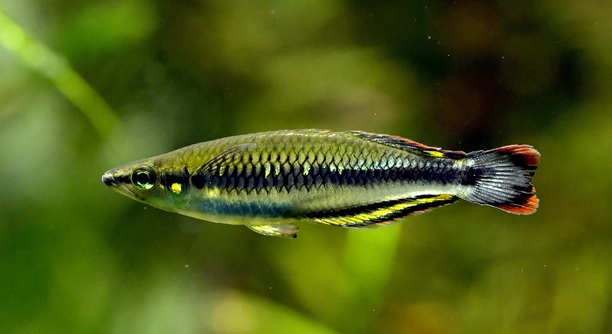
Rainbowfish are known for their vibrant colors and active behavior, but recent observations show they may struggle to rest properly in home aquariums. Changes in environment and daily routines can disrupt their natural sleep cycles.
Rainbowfish may not sleep well due to improper lighting, water quality, or tank disturbances. These factors interfere with their circadian rhythm, causing stress and irregular activity patterns that can negatively impact their overall health and wellbeing in captivity.
Exploring these common issues can help ensure your rainbowfish regain peaceful rest and maintain their bright, lively appearance.
Lighting and Sleep Disruption
Rainbowfish rely heavily on consistent lighting to regulate their sleep cycles. In their natural habitats, daylight and darkness follow predictable patterns, signaling when it’s time to rest. In home aquariums, artificial lighting can sometimes remain too bright or be on for irregular periods. Sudden flashes from room lights or frequent disturbances near the tank can also startle them. Overexposure to light prevents rainbowfish from winding down, making them restless and more prone to stress. It’s important to create a routine that mimics natural day and night cycles, using timers if necessary. Even subtle shifts in lighting intensity or duration can affect their behavior, causing irregular swimming patterns at night or constant activity. Observing how they respond to different light schedules can help identify what works best. Adjusting lighting gradually rather than abruptly is key to reducing their stress and promoting healthier sleep habits.
Maintaining consistent day and night lighting helps rainbowfish settle and reduces nighttime activity, supporting overall health.
A well-planned lighting schedule can improve rainbowfish sleep. Start with roughly 10 to 12 hours of light during the day, gradually dimming toward evening. Avoid direct sunlight or overly bright artificial lights. Ensure periods of darkness are uninterrupted, giving fish the chance to rest fully. Combining proper lighting with minimal tank disturbances allows rainbowfish to maintain a natural rhythm. Over time, this consistency can enhance their colors, reduce stress, and encourage calmer behavior, making their environment healthier and more balanced.
Water Quality and Restlessness
Poor water conditions can prevent rainbowfish from resting properly. High ammonia, nitrite, or nitrate levels create stress and irritability.
Rainbowfish are sensitive to temperature changes, pH fluctuations, and oxygen levels. Even slight imbalances can disrupt their behavior, causing constant movement or erratic swimming. Regular water testing is essential. Performing partial water changes weekly helps maintain cleanliness. Adding gentle filtration and avoiding overcrowding can stabilize water parameters. A clean, balanced environment promotes calm behavior, allowing rainbowfish to rest naturally. Maintaining proper water quality not only supports sleep but also prevents illnesses linked to stress. Keeping a consistent temperature range and checking pH regularly ensures their habitat remains comfortable. Over time, these steps encourage natural sleep cycles, helping rainbowfish stay vibrant and active during the day while resting quietly at night.
Tank Disturbances
Frequent tapping on the glass or sudden movement near the aquarium can startle rainbowfish. Even small disturbances disrupt their rest and cause constant swimming at night.
Rainbowfish are naturally alert and sensitive to their surroundings. Loud noises, shadows, or vibrations near the tank can trigger stress responses. If they feel threatened, they swim rapidly, dart around, and avoid resting. Over time, repeated disturbances can weaken their immune system and affect their coloration. Creating a calm environment with minimal interruptions allows them to develop a predictable routine. Soft decorations, hiding spots, and consistent handling reduce stress, helping rainbowfish feel secure enough to rest. Monitoring their behavior after changes helps identify sources of stress and adjust accordingly, improving overall wellbeing.
Providing a stable and quiet environment with fewer disruptions ensures rainbowfish can establish a regular sleep pattern. Proper placement of the tank away from high traffic areas is essential.
Diet and Sleep Patterns
Improper feeding schedules can interfere with rainbowfish sleep. Feeding too late or overfeeding may keep them active at night.
Rainbowfish require a balanced diet with the right portions to maintain energy and health. Excess food that is not eaten can decay, affecting water quality and contributing to stress. Feeding smaller amounts multiple times a day supports natural activity cycles. Including a mix of flakes, frozen, and live foods provides necessary nutrients and helps regulate their energy. A consistent feeding schedule, preferably during daylight hours, reinforces natural rhythms. Observing their activity after feeding helps fine-tune portion sizes and timing. A proper diet not only supports sleep but also enhances coloration, growth, and immune function.
Regular, controlled feeding and monitoring leftover food maintain water quality and reduce nighttime activity. Adjusting diet carefully encourages rainbowfish to rest during dark periods while staying healthy and vibrant during the day.
Overcrowding
Too many fish in a tank can prevent rainbowfish from resting properly. Crowded conditions increase stress and constant movement, leaving little space for calm behavior.
Overcrowding also affects water quality, oxygen levels, and social dynamics. Rainbowfish need space to swim freely and establish their own territories.
Temperature Fluctuations
Rainbowfish are sensitive to sudden changes in water temperature. Large fluctuations can disturb their natural sleep patterns and stress their bodies. Consistent, moderate temperatures help them remain calm and maintain regular activity cycles.
Incompatible Tank Mates
Aggressive or overly active fish can disrupt rainbowfish sleep. They may chase or intimidate rainbowfish, preventing them from resting and causing stress in the tank.
FAQ
Why is my rainbowfish swimming constantly at night?
Constant swimming at night is often a sign that your rainbowfish is stressed or unable to rest. Common causes include inconsistent lighting, poor water quality, overcrowding, or disturbances around the tank. Ensuring a calm environment with proper day-night light cycles and clean water helps them settle.
Can improper lighting really affect rainbowfish sleep?
Yes, rainbowfish rely on predictable light and dark periods. Bright lights at night or sudden changes in lighting can disrupt their circadian rhythm. Using a timer for consistent lighting and avoiding direct room lights near the tank allows them to establish a natural sleep pattern.
How often should I test the water to ensure proper conditions?
Water should be tested at least once a week for ammonia, nitrite, nitrate, pH, and temperature. Sudden spikes in any of these parameters can stress rainbowfish and disturb sleep. Regular partial water changes help maintain a stable environment and promote calm behavior.
Do tank decorations help rainbowfish feel secure?
Yes, providing hiding spots, plants, or gentle decorations gives rainbowfish places to retreat when they feel threatened. This reduces stress, allowing them to rest more easily. Avoid overcrowding the tank with decorations, as they still need space to swim freely.
Can diet impact sleep patterns?
Feeding at irregular times or overfeeding can keep rainbowfish active at night. Providing small, balanced meals during the day supports natural energy cycles and reduces nighttime activity. Removing uneaten food promptly also keeps water clean, which further supports calm behavior.
How do temperature changes affect rainbowfish sleep?
Rainbowfish are sensitive to sudden temperature fluctuations. Even a few degrees up or down can stress them, causing irregular activity or restlessness. Maintaining a stable temperature appropriate for their species supports normal behavior and helps regulate their sleep cycle.
Will aggressive tank mates disturb my rainbowfish?
Yes, aggressive or very active fish can intimidate rainbowfish, making them swim constantly or hide. Choosing compatible, peaceful tank mates reduces stress and allows rainbowfish to rest naturally. Observing interactions and providing adequate space can prevent tension in the tank.
Can I use a night light for rainbowfish?
A dim night light is usually unnecessary. Rainbowfish need darkness to rest, and even low light can interfere with sleep. If a soft glow is desired for viewing, ensure it is very subtle and does not extend throughout the entire night.
How do I know if my rainbowfish is stressed?
Signs of stress include constant swimming, faded colors, loss of appetite, hiding excessively, and erratic movements. Stress often disrupts sleep patterns, so addressing lighting, water quality, diet, and tank conditions can improve both health and rest.
What steps can I take to improve sleep for my rainbowfish?
Create a calm, stable environment with consistent lighting, clean water, and appropriate tank mates. Offer hiding spots, maintain proper temperature, and feed a balanced diet at regular times. Minimizing disturbances near the tank helps rainbowfish establish a predictable routine and rest more effectively.
This set of FAQs addresses the most common issues affecting rainbowfish sleep. By monitoring water conditions, tank setup, diet, and environmental stability, you can help your rainbowfish regain natural rest patterns while keeping them healthy and vibrant.
Final Thoughts
Rainbowfish are beautiful, lively fish that bring color and activity to any aquarium. However, their well-being depends heavily on the environment they are kept in. Many common problems that affect their sleep, such as inconsistent lighting, poor water quality, or disturbances near the tank, are often easy to overlook. While it may seem that rainbowfish are naturally active at all times, their rest is essential for maintaining their health and bright colors. A well-planned tank environment, careful feeding, and monitoring of behavior can make a noticeable difference in how well they sleep. Consistent routines, from lighting schedules to feeding times, help these fish feel secure and allow them to establish natural rhythms similar to their habitats in the wild.
Proper water management is another crucial factor in ensuring healthy sleep for rainbowfish. Regular testing and partial water changes prevent toxic buildups of ammonia, nitrite, or nitrate, which can create stress and constant activity. Maintaining stable temperatures and pH levels also helps reduce irregular behaviors. Overcrowding and incompatible tank mates add additional layers of stress, which can prevent restful periods. Providing enough space for swimming, along with hiding spots or gentle decorations, helps rainbowfish feel comfortable and safe. Every adjustment, even small changes like reducing vibrations near the aquarium or controlling light intensity, can contribute to better sleep and overall wellbeing. Observing their daily behavior and making incremental improvements ensures that these adjustments work effectively without overwhelming the fish.
Finally, diet plays a significant role in their rest and general health. Overfeeding or feeding at late hours can leave rainbowfish restless at night. A balanced, controlled feeding schedule with appropriate portions supports natural energy levels and prevents water quality issues that may further disturb their rest. Attention to diet, combined with stable environmental conditions, creates a positive routine that encourages rainbowfish to sleep during night periods and remain active during the day. By addressing lighting, water quality, tank disturbances, temperature, diet, and social dynamics, you can create a consistent, supportive habitat. With these measures in place, rainbowfish are more likely to thrive, displaying vibrant colors, calm behavior, and a regular sleep pattern that reflects a healthy and balanced life in your aquarium.

Hello,
If you enjoy the content that we create, please consider saying a "Thank You!" by leaving a tip.
Every little bit helps us continue crafting quality advice that supports the health, happiness, and well-being of pets around the world, for pets of all shapes, sizes, and species.
We really appreciate the kindness and support that you show us!