
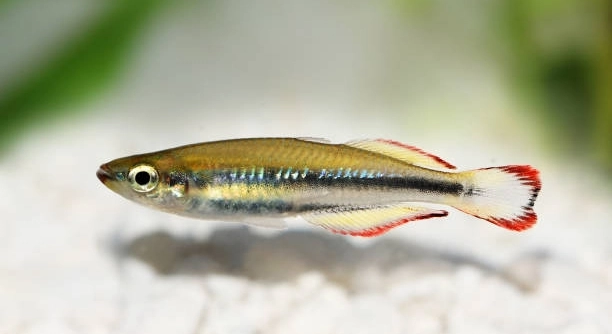
Managing multiple male rainbowfish can be challenging, especially when trying to maintain harmony in a shared tank. Aggression and competition for territory often arise, making careful planning essential for a peaceful and healthy environment.
Maintaining multiple male rainbowfish successfully requires monitoring their behavior, providing sufficient space, and offering hiding spots. Ensuring a balanced diet, regular water changes, and strategic tank layout minimizes aggression, supporting overall health and promoting natural social interactions among males.
Proper management techniques will help reduce conflicts, maintain vibrant colors, and ensure all fish thrive together in a well-balanced aquarium environment.
Understanding Male Rainbowfish Behavior
Male rainbowfish are naturally territorial and often compete for dominance within the tank. Their behavior can include chasing, nipping, or displaying vibrant fins to assert control. Recognizing these patterns early helps prevent serious injury and stress among tank mates. Aggression is usually more pronounced in confined spaces or when multiple males are housed together without sufficient hiding spots. Providing an environment that mimics their natural habitat can reduce tension. Plants, rocks, and decorations create visual barriers and personal territories. Even spacing out males evenly in the tank prevents concentrated conflicts. Feeding schedules also influence behavior, as competition for food can trigger minor skirmishes. Observing interactions daily allows you to intervene if one fish becomes overly dominant. Additionally, water quality and temperature impact aggression levels; maintaining stable conditions can keep males calmer. Proper planning when adding new males to the tank is essential. Introducing fish gradually and monitoring their initial interactions can prevent long-term stress.
Male rainbowfish often establish a clear hierarchy within a few days of being introduced to the tank.
Careful observation and structured tank setups help reduce aggression, ensuring a peaceful and balanced male community.
Tank Size and Layout
A larger tank provides more space for males to establish territories, reducing stress and conflict. Hiding spots and visual breaks are crucial to prevent constant chasing and ensure each male can retreat when needed.
Optimizing tank layout involves strategic placement of plants, rocks, and decorations. By creating multiple zones, each male can claim a territory without infringing on others. Dense plant clusters offer shelter, while open swimming areas allow for display behaviors without interference. Regularly rotating or rearranging decorations can also keep the environment stimulating, reducing boredom and aggression. Tank size should ideally match the number of males; overcrowding increases stress and can lead to serious health issues. Monitoring behavior after rearranging is important to ensure no male becomes overly aggressive. In addition to physical layout, maintaining water quality and consistent lighting further supports calm behavior. A well-structured environment allows males to interact naturally, display their colors, and maintain hierarchy without constant fighting, promoting overall health and vibrant activity throughout the tank.
Feeding Strategies
Providing small, frequent meals helps reduce competition among males and ensures each fish receives enough nutrition. High-quality flakes, pellets, and occasional live food keep them healthy and vibrant.
Feeding multiple males at the same time can trigger chasing, so spreading food across different areas of the tank is effective. Rotating types of food ensures all males get balanced nutrition, preventing weaker fish from being outcompeted. Observing feeding behavior also helps identify if any male is being bullied or excluded, allowing quick adjustments to feeding placement or amounts. Variety in diet keeps males active and maintains their colors, which is important for social dynamics. Overfeeding should be avoided, as leftover food can pollute water and increase aggression.
Supplying hidden treats or sinking foods encourages natural foraging and reduces direct competition. Structured feeding routines help males focus on food rather than constant territorial disputes.
Monitoring Health and Stress
Regularly checking for signs of stress or injury prevents long-term problems and supports healthy males. Pale coloration, frayed fins, or lethargy indicate tension or illness.
Maintaining consistent water parameters and observing behavior daily helps detect stress early. Stressed males are more prone to disease, and aggression increases if the environment is unstable. Adjusting tank conditions, like temperature, pH, and hiding spaces, can reduce stress and improve overall health. Quick isolation of injured or overly aggressive males prevents further harm.
Encouraging natural behaviors through enrichment, proper diet, and adequate space supports mental and physical well-being. Preventive care, including routine water changes and careful observation, ensures males remain active, colorful, and harmonious. Tracking subtle changes in posture or color helps catch problems before they escalate, promoting a stable and balanced tank environment for all males.
Selecting Compatible Males
Choosing males of similar size and temperament reduces aggression and promotes harmony. Avoid mixing overly dominant individuals with passive ones, as this often leads to constant stress and injury.
Introducing new males gradually allows the existing group to adjust. Quarantine and careful observation before adding new fish ensures compatibility and maintains tank balance.
Hiding Spots and Decorations
Providing plenty of hiding spots and structured decorations allows males to retreat and reduces conflicts. Dense plants, rocks, and caves create safe zones and visual breaks. This setup supports natural behavior, prevents constant chasing, and helps males establish personal territories, maintaining a peaceful tank environment.
Water Quality Maintenance
Consistent water changes and monitoring parameters are essential for male health. Clean, stable water reduces stress, prevents disease, and supports overall well-being.
FAQ
How many male rainbowfish can I keep together?
The number of males depends on tank size and layout. In general, larger tanks allow more males to coexist peacefully. Overcrowding increases stress and aggression, so it’s important to provide at least one gallon of water per inch of fish. Spacing out hiding spots and territories also helps reduce conflicts. Observing interactions early after adding males allows adjustments if aggression becomes excessive.
Why do my males chase each other constantly?
Chasing is a natural behavior tied to establishing dominance. It can be minimized with sufficient space, hiding spots, and visual barriers. Ensuring the tank is not overcrowded and providing multiple feeding areas also reduces competition and helps maintain a calmer environment.
How can I reduce fin nipping?
Fin nipping often occurs during territorial disputes or when a male feels stressed. Providing dense plants, rocks, and caves allows weaker males to retreat. Spacing out food and introducing males gradually also helps. Regular water maintenance and monitoring stress signs are key to preventing injuries.
Do males need separate feeding areas?
Yes, multiple feeding spots prevent one male from dominating meals. Scattering food across the tank ensures all males get adequate nutrition and reduces aggression during feeding times. Using sinking foods or hiding treats encourages natural foraging and keeps interactions calmer.
How do I tell if a male is stressed?
Signs of stress include faded coloration, clamped fins, hiding excessively, or erratic swimming. Prolonged stress weakens the immune system, making males more prone to disease. Adjusting tank conditions, providing more hiding spots, or isolating aggressive individuals can help reduce stress levels.
Is tank size really that important?
Tank size directly affects male behavior. Small tanks lead to constant chasing and competition for territory, while larger tanks allow males to establish personal spaces and reduce conflicts. A well-sized tank, combined with decorations and plants, supports natural behavior and overall health.
Can I keep males with females in the same tank?
Yes, but the ratio matters. Too few females can lead to constant male competition and harassment. A higher number of females compared to males spreads attention and reduces aggression. Providing hiding spots for females and spaces where males can display safely is essential for harmony.
How often should I perform water changes?
Regular water changes are crucial for stable conditions. Weekly partial changes of 20-30% remove toxins, maintain water quality, and reduce stress. Monitoring parameters like ammonia, nitrite, nitrate, and pH ensures males remain healthy and prevents behavior problems linked to poor water quality.
Do decorations really help reduce aggression?
Yes, decorations provide visual barriers and personal territories. Rocks, caves, and dense plants give males places to retreat and reduce constant chasing. Rearranging decorations occasionally can also stimulate activity and prevent boredom, which contributes to a calmer tank.
How do I introduce a new male safely?
Quarantine the new male first to prevent disease. Introduce him gradually, using a divider if possible, to allow existing males to observe without direct contact. Monitor closely during the first few days, providing extra hiding spots and space to minimize fights.
What diet works best for multiple males?
A varied diet of high-quality flakes, pellets, and occasional live or frozen food supports health and vibrant colors. Rotating food types ensures all males get necessary nutrients. Feeding small, frequent portions across multiple areas reduces competition and aggressive behavior.
Can males harm each other seriously?
Yes, unchecked aggression can lead to fin damage, stress, or worse. Early observation, adequate space, hiding spots, and proper feeding routines are essential to prevent serious injury. Isolating highly aggressive individuals may be necessary to maintain a balanced tank.
How long does it take for males to settle?
Settling times vary, but most males establish hierarchy within a few days to a week. Monitoring behavior and adjusting tank layout or spacing as needed ensures a smoother transition and reduces long-term stress.
Are there signs that indicate a male won’t fit in?
Persistent, extreme aggression, hiding constantly, or failing to eat are red flags. These males may need isolation or a separate tank to prevent stress and injuries among the group. Early intervention ensures harmony in the main tank.
Can stress affect coloration?
Yes, stressed males often lose their vibrant colors. Providing a stable environment, proper nutrition, hiding spots, and reducing aggression helps maintain bright colors and overall health. Stress reduction improves behavior, energy levels, and visual appeal.
What is the best way to arrange hiding spots?
Distribute hiding spots evenly throughout the tank, creating multiple zones. Dense plant clusters, rocks, and caves allow males to retreat when needed. Avoid clustering all shelters in one area, as this can create competition and limit personal territories.
Should I rearrange the tank often?
Occasional rearranging keeps the environment stimulating and prevents boredom. It also helps break up established territories if aggression becomes persistent. Always observe male behavior after changes to ensure no individual becomes overly stressed or dominant.
Can water temperature affect aggression?
Yes, unstable or inappropriate temperatures can increase stress and aggression. Maintaining a stable temperature suited to rainbowfish species helps keep males calm and promotes normal behavior patterns. Use a reliable heater and thermometer for consistency.
How do I handle injuries from fights?
Isolate injured males immediately to prevent further harm. Treat minor fin damage with water conditioners or antibacterial solutions if needed. Monitor recovery closely, and ensure the tank conditions remain optimal to support healing.
What role does light play in male behavior?
Consistent lighting helps regulate daily activity and behavior. Too much or too little light can stress males, affecting aggression and feeding patterns. Using a regular day-night cycle maintains natural rhythms and promotes calm interactions.
How can I tell if the tank is overcrowded?
Signs of overcrowding include constant chasing, hiding, and stress-related behaviors. If multiple males cannot establish territories, aggression will increase. Ensuring enough space per male, plus hiding spots and visual barriers, prevents these issues and maintains harmony.
What should I do if one male dominates the tank?
Rearranging decorations, adding hiding spots, or isolating the dominant male can help restore balance. Introducing males gradually and monitoring interactions ensures no single fish consistently harasses others. Maintaining hierarchy requires careful observation and proactive management.
Can males share territories peacefully?
Some males tolerate neighbors if the tank is large enough and hiding spots are plentiful. Personal territories are still important, and visual breaks prevent constant dominance disputes. Observing interactions daily ensures all males remain healthy and stress-free.
How do I prevent disease in multiple males?
Consistent water changes, stable parameters, and quarantine for new arrivals are key. Stress reduction and proper nutrition strengthen immune systems, reducing susceptibility. Promptly treating any illness and isolating affected individuals protects the rest of the males in the tank.
Is it normal for males to display colors more intensely at times?
Yes, males often show brighter colors during territorial displays or breeding behaviors. Providing adequate space, hiding spots, and proper nutrition ensures these displays are healthy and do not lead to constant aggression.
How important is observation in a multi-male tank?
Daily observation is crucial to catch early signs of stress, aggression, or illness. Quick interventions prevent injuries and maintain harmony. Watching interactions helps adjust feeding, layout, or introductions as needed, ensuring a balanced and healthy male community.
Can tank mates influence male behavior?
Yes, other species can impact aggression levels. Peaceful tank mates help diffuse tension, while highly active or competitive fish may trigger conflicts. Selecting compatible companions supports calm behavior among males.
What adjustments help after introducing new males?
Provide extra hiding spots, spread out food, and observe interactions closely. Temporary dividers or gradual introduction can reduce immediate conflicts. Adjusting the tank layout helps all males establish territories without constant fighting, promoting long-term stability.
How long should I quarantine new males?
Quarantine for at least two weeks to monitor for disease and allow gradual acclimation. This prevents illness from spreading and gives time to assess temperament before adding the male to the main tank.
Can breeding affect male dynamics?
Yes, during breeding, males may become more aggressive or territorial. Providing sufficient females and hiding spots reduces stress and ensures all males can display natural behaviors without harming others.
What is the best way to stop ongoing aggression?
Identify aggressive individuals, adjust tank layout, add hiding spots, or isolate dominant males. Monitoring water quality, feeding strategies, and territory distribution reduces conflicts and maintains peace.
How do I maintain long-term harmony?
Balanced male ratios, adequate space, structured feeding, hiding spots, stable water parameters, and observation are essential. Regular adjustments and preventive care ensure males remain active, colorful, and stress-free, supporting a harmonious aquarium environment.
How do I know if my management strategies are working?
Males should display natural behaviors without excessive chasing or injuries. Healthy coloration, regular feeding, and calm interactions indicate effective management. Continued observation ensures long-term success and balanced social dynamics.
Can environmental enrichment reduce aggression?
Yes, rearranging decorations, providing plants, and offering varied feeding methods stimulate activity and reduce boredom. A dynamic environment encourages natural behaviors while minimizing stress-related conflicts.
Is it necessary to track male behavior over time?
Tracking behavior helps detect subtle changes in aggression, health, or stress. Early interventions prevent serious problems and ensure all males thrive in a balanced environment. Consistent monitoring supports long-term tank stability and fish welfare.
How do I balance multiple male needs effectively?
Combining proper tank size, structured layout, hiding spots, varied diet, water quality, and observation ensures each male can thrive. Adjusting strategies as needed maintains harmony, reduces stress, and promotes vibrant, active fish.
Are there signs that males are too stressed to stay together?
Excessive hiding, persistent injury, faded colors, or refusal to eat indicate males may not coexist. Immediate intervention, isolation, or tank adjustments are necessary to protect all individuals.
How often should I review my tank setup?
Regularly reviewing layout, hiding spots, and feeding strategies helps maintain harmony. Adjusting as males grow or new individuals are added prevents aggression and supports a balanced male community.
What final measures ensure a peaceful male group?
Adequate space, structured territories, proper diet, hiding spots, stable water conditions, and careful observation are key. Preventive measures and proactive management maintain long-term health, natural behavior, and visual vibrancy among multiple males.
How do I keep males vibrant and active?
Balanced nutrition, stable water quality, sufficient space, and environmental enrichment help maintain coloration, activity, and natural behaviors. Observing behavior and adjusting conditions ensures males thrive without stress.
What is the most common mistake in managing multiple males?
Overcrowding, lack of hiding spots, and inconsistent monitoring often lead to aggression and stress. Proactive planning, proper layout, and careful observation prevent these issues and maintain a harmonious tank.
Can males become more aggressive with age?
Yes, as males mature, dominance disputes may increase. Adjusting territories, providing space, and monitoring interactions helps maintain balance among older and younger males.
How do I ensure long-term health for all males?
Consistent care, including proper diet, water maintenance, stress reduction, observation, and timely interventions, ensures males remain healthy, colorful, and active for years. Long-term planning and preventive measures are essential.
What role does social hierarchy play in male harmony?
A clear hierarchy reduces constant fighting, as each male understands its place. Observing and facilitating natural ranking through space, hiding spots, and feeding strategies supports peaceful coexistence.
How can I maintain vibrant colors among males?
Balanced nutrition, stress reduction, stable water conditions, and adequate space encourage bright coloration. Minimizing conflicts and providing enrichment ensures males retain their visual appeal and natural behaviors.
How important is patience when managing multiple males?
Patience is essential. Allowing males to establish hierarchy, gradually introducing new individuals, and monitoring behavior over time ensures a stable, peaceful, and healthy environment. Rushing changes often increases stress and aggression.
Can I prevent all fights among males?
Not entirely, as natural dominance behavior exists. However, proper tank size, hiding spots, feeding strategies, and observation greatly reduce serious conflicts and maintain overall harmony.
How often should I adjust feeding routines?
Monitor behavior and adjust feeding as needed. Spreading meals across the tank, rotating food types, and small frequent portions reduce competition and aggression among males.
Does lighting impact male activity?
Yes, consistent lighting supports natural rhythms. Overly bright or inconsistent light can stress males and trigger aggression, while a stable day-night cycle promotes calm interactions.
How can I track long-term behavior effectively?
Keep notes or photos of interactions, coloration, and feeding behavior. Tracking changes helps detect aggression, stress, or health issues early, ensuring timely adjustments.
What’s the key to a peaceful male group?
Adequate space, proper diet, hiding spots, stable water, structured territories, observation, and preventive care maintain harmony, vibrant coloration, and healthy social dynamics among males.
Can tank mates reduce male aggression?
Choosing peaceful companions diffuses tension. Avoid competitive or aggressive species, as they may escalate conflicts among males. Proper selection supports calm behavior and overall tank balance.
How do I handle sudden outbreaks of aggression?
Immediate intervention, isolation of aggressive males, rearranging the tank, or adding hiding spots helps restore balance. Monitoring behavior afterward ensures stability and prevents further stress or injuries.
What are early signs that a male needs isolation?
Persistent chasing, repeated injuries, excessive hiding, or refusal to eat indicate isolation may be necessary to protect both the individual and the group.
Can environmental changes improve male behavior?
Yes, adding hiding spots, rearranging decorations, and adjusting feeding locations stimulate natural behaviors and reduce aggression, helping males coexist peacefully.
How do I maintain balance when adding new males?
Introduce gradually, provide extra hiding spots, and monitor interactions closely. Temporary dividers or careful observation prevent dominance disputes and support a harmonious tank.
How do I know if my strategies are effective long-term?
Males should display normal behaviors, bright colors, and minimal aggression. Healthy feeding, calm interactions, and reduced stress indicate effective long-term management.
What should I avoid when managing multiple males?
Avoid overcrowding, inconsistent feeding, insufficient hiding spots, sudden environmental changes, and neglecting observation. These factors often lead to aggression, stress, and injuries.
How does water stability affect male behavior?
Stable water parameters reduce stress, aggression, and disease susceptibility. Sudden changes in temperature, pH, or other conditions can trigger conflicts and negatively impact health.
Can enrichment alone reduce conflicts?
Enrichment helps but must be paired with proper space, hiding spots, feeding, and water quality. Together, these factors create a calmer, more balanced male community.
What is the most reliable method to prevent aggression?
Combination of adequate space, hiding spots, structured feeding, stable water, and careful observation. Early interventions and preventive measures maintain harmony and health.
How do I support weaker males in the tank?
Provide extra hiding spots, spread out food, and monitor interactions. Ensuring access to territory and nutrition prevents bullying and supports their health.
Can I rely on visual barriers alone?
No, visual barriers reduce stress but must be paired with space, feeding management, and water quality. A comprehensive approach ensures peaceful coexistence.
How do I maintain consistent hierarchy without fights?
Allow males to establish natural ranks, provide multiple territories, hiding spots, and evenly distributed resources. Observation ensures no individual dominates excessively.
What’s the impact of diet on aggression?
Balanced, varied nutrition reduces competition for food. Poor or limited diet triggers chasing and nipping, while well-fed males display calmer behavior.
How often should I observe male interactions?
Daily observation is ideal. Monitoring behavior allows early detection of aggression, stress, or illness, ensuring timely interventions and stable social dynamics.
Can rearranging the tank upset established males?
Yes, sudden changes can trigger temporary aggression. Gradual adjustments and careful monitoring minimize stress while keeping the environment stimulating and balanced.
What’s the most important factor in long-term male care?
Consistent care, observation, stress management, structured environment, proper diet, and preventive measures ensure males remain healthy, active, and visually vibrant.
How do I keep males active without increasing aggression?
Provide enrichment, balanced nutrition, and adequate space. Environmental stimulation reduces boredom while minimizing conflicts and supporting natural behaviors.
Is patience more important than interventions?
Both are essential. Patience allows hierarchy to establish, while timely interventions prevent injuries and maintain harmony. Balancing the two ensures long-term success.
How do I prevent dominance from escalating?
Distribute hiding spots, rotate decorations, provide multiple feeding areas, and isolate aggressive individuals. Careful observation helps maintain balance and reduce tension.
Can males share space peacefully over time?
Yes, with proper management, space, hiding spots, feeding, and observation, multiple males can coexist with minimal stress and injuries.
How do I respond if aggression spikes suddenly?
Add hiding spots, separate aggressive individuals temporarily, monitor water quality, and adjust feeding. Quick action prevents injury and restores calm.
What’s the key takeaway for managing multiple males?
Combine adequate space, structured territories, proper diet, hiding spots, water stability, and consistent observation. Preventive care and careful management maintain harmony, health, and vibrant coloration in a multi-male tank.
Managing multiple male rainbowfish can be a rewarding experience when approached with care and planning. Understanding their natural behavior is key to creating a peaceful tank environment. Male rainbowfish are territorial by nature, and conflicts are often part of establishing hierarchy. Recognizing these behaviors early helps prevent serious injury or prolonged stress. Providing a tank that allows each male to have his own space is essential. Visual barriers such as plants, rocks, and decorations break up the environment, allowing males to retreat when necessary. A tank that mimics natural conditions reduces tension and encourages normal behaviors like displaying colors, swimming actively, and interacting without constant chasing. Observing your fish daily allows you to identify early signs of aggression or stress and make adjustments before problems escalate. Maintaining a calm and structured environment is the foundation for successful multi-male management.
Feeding strategies play a crucial role in keeping multiple males healthy and calm. Competition for food can trigger aggression if not managed properly. Offering small, frequent meals across multiple areas of the tank ensures that all males receive adequate nutrition. Rotating food types, including flakes, pellets, and occasional live or frozen food, supports vibrant coloration and overall health. Structured feeding routines not only reduce fights but also encourage natural foraging behavior. Overfeeding should be avoided, as leftover food can pollute the water and create further stress. Monitoring how each male eats helps identify if any individual is being bullied or excluded. Providing hidden treats or sinking foods can help weaker males access nourishment without confrontation. These careful feeding practices, combined with sufficient space and hiding spots, make a significant difference in reducing tension and supporting harmony within the tank.
Maintaining stable water quality and consistent environmental conditions is equally important. Rainbowfish are sensitive to changes in temperature, pH, and overall water parameters. Sudden fluctuations can increase stress and trigger aggression among males. Regular water changes, proper filtration, and monitoring of key parameters ensure a healthy environment. In addition, observing behavior, coloration, and activity levels provides insight into their well-being. Adjustments such as adding more hiding spots, rearranging decorations, or isolating an aggressive male may be necessary to maintain balance. Patience and consistent care are vital, as males gradually establish hierarchy and territory over time. By combining proper tank size, structured layout, effective feeding strategies, and attentive observation, you can create an environment where multiple male rainbowfish thrive together. This approach promotes health, vibrant coloration, and natural behaviors, resulting in a balanced and harmonious aquarium.

Hello,
If you enjoy the content that we create, please consider saying a "Thank You!" by leaving a tip.
Every little bit helps us continue crafting quality advice that supports the health, happiness, and well-being of pets around the world, for pets of all shapes, sizes, and species.
We really appreciate the kindness and support that you show us!