
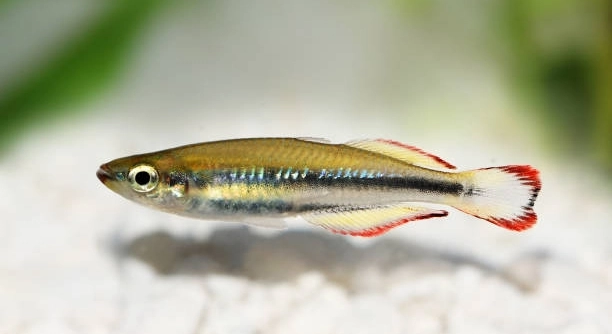
Rainbowfish are lively and colorful creatures that bring energy to any aquarium. Watching them swim together can be entertaining, but sometimes their playful movements turn into chasing, leaving observers intrigued about this behavior and its meaning.
Rainbowfish often chase each other due to social hierarchy, territorial instincts, and breeding behaviors. Chasing serves as a way to establish dominance, protect space, or court mates. These interactions are generally natural and important for maintaining their social structure in captivity.
Understanding these behaviors can help maintain a peaceful aquarium environment and ensure the fish thrive comfortably together. Observing their patterns reveals more about their social and natural instincts.
Why Rainbowfish Chase Each Other
Rainbowfish chasing is often tied to their social interactions. In a group, they naturally form a hierarchy, and chasing helps establish which fish is dominant. Territorial instincts also play a role, as fish may defend specific areas within the tank. Breeding season can increase chasing behavior, with males pursuing females to show strength or readiness to mate. Chasing is usually brief and not meant to harm, though some smaller or weaker fish may be stressed if the behavior becomes excessive. Observing these interactions over time helps you understand individual personalities and how they fit into the group. Proper tank size and decorations can reduce conflict by giving fish space to retreat. Feeding schedules and providing hiding spots also help minimize stress during these interactions. Overall, chasing is a natural and informative part of rainbowfish behavior, reflecting their communication methods and instincts in a confined space.
Chasing is normal if no injury occurs. Watch for prolonged or aggressive patterns.
Providing enough space and hiding areas reduces stress. Balanced feeding also limits unnecessary chasing.
Managing Aggressive Chasing
Minor chasing rarely causes harm, but frequent aggression may need intervention.
To manage aggressive chasing, first assess tank size and population density. Overcrowded tanks increase stress and conflict. Adding plants, rocks, or ornaments creates hiding spots and visual barriers, giving chased fish space to rest. Ensure feeding times are consistent and sufficient so food competition does not fuel aggression. Observing which fish initiate and which retreat can guide decisions, such as temporary separation of overly aggressive individuals. Sometimes, rearranging decorations can reset territorial boundaries and reduce repeated confrontations. Introducing new fish gradually and in groups also lessens sudden territorial disputes. Monitoring water quality is essential, as poor conditions can amplify stress and aggressive behavior. Patience is key, as rainbowfish social structures take time to stabilize. By creating a calm, well-structured environment, chasing becomes a normal, controlled aspect of their interactions, rather than a source of harm or stress.
Signs of Stress in Chased Rainbowfish
Chased rainbowfish may show rapid swimming, hiding, or loss of appetite. Fins may appear clamped, and color can fade. Observing these changes early helps prevent long-term stress or injury.
Stress in rainbowfish often starts subtly. Fish that are frequently chased may avoid open areas, spend more time in corners or behind decorations, and reduce interaction with others. Appetite changes are common, as stressed fish may eat less or compete aggressively during feeding. Color loss and clamped fins are visible indicators, showing the fish is under strain. Watching for repeated chasing patterns and isolating overly aggressive individuals can help restore calm and maintain a healthier tank environment.
Environmental factors can worsen stress. Poor water quality, insufficient space, or lack of hiding spots can amplify aggressive chasing. Regular water checks and tank adjustments are essential. Adding plants or decor provides retreat areas, allowing weaker fish to recover. Consistent feeding schedules reduce competition, and separating aggressive fish temporarily helps maintain balance. Monitoring behavior closely ensures all rainbowfish stay active, healthy, and comfortable within their social group.
Encouraging Healthy Social Interaction
Balanced group sizes help rainbowfish interact naturally without excessive chasing.
To foster healthy social behavior, maintain appropriate group sizes and compatible tank mates. Too few fish can increase aggression, while overcrowding adds stress. Providing visual barriers and structured territories helps reduce conflicts. Feeding routines should be consistent, preventing competition-driven chasing. Observing individual personalities allows you to separate overly dominant fish when necessary, promoting fairness within the group.
Environmental enrichment encourages natural behaviors. Plants, rocks, and driftwood create hiding spaces and exploration areas, reducing stress and repeated chasing. Introducing new fish gradually helps them integrate without triggering territorial disputes. A stable, clean tank minimizes water stress, which can exacerbate aggressive tendencies. By supporting balanced social structures and offering environmental variety, rainbowfish can engage in natural chasing that reflects healthy communication rather than harmful aggression. This approach ensures a calmer, more cohesive aquarium.
Common Triggers for Chasing
Sudden movements, changes in lighting, or new additions to the tank can trigger chasing. Rainbowfish react quickly to these changes, often leading to temporary bursts of activity.
Males may chase females more aggressively during breeding periods. Territorial disputes over specific areas, such as near plants or decorations, also spark chasing. Monitoring these triggers helps manage the behavior and maintain harmony in the tank.
Adjusting Tank Environment
Adding plants, rocks, or ornaments provides hiding spots and visual barriers, helping reduce conflict. Rearranging decorations occasionally can reset territorial boundaries, limiting repeated chasing incidents. Consistent water conditions and proper tank size are crucial for maintaining a calm environment.
Feeding and Chasing Behavior
Overfeeding or inconsistent feeding schedules can increase chasing. When fish compete for food, aggressive behavior intensifies. Maintaining balanced feeding routines and spreading food evenly across the tank reduces competition and keeps chasing at manageable levels.
FAQ
Why do rainbowfish chase each other constantly?
Rainbowfish chase often as part of their social behavior. It can indicate establishing dominance, defending territory, or courting during breeding. Constant chasing may suggest overcrowding, insufficient hiding spots, or imbalance in male-to-female ratios. Adjusting tank setup and providing proper space usually reduces persistent chasing.
Is chasing harmful to rainbowfish?
In most cases, chasing is not harmful if it is brief and no injuries occur. Problems arise when aggression is excessive, leading to stress, fin damage, or color fading. Observing interactions and providing retreat areas ensures chasing stays natural without harming the fish.
How can I tell if a rainbowfish is stressed from chasing?
Signs of stress include hiding, rapid swimming, clamped fins, faded colors, or reduced appetite. Frequent avoidance of open areas and retreating behind decorations also indicate stress. Acting early can prevent long-term health problems.
Does tank size affect chasing behavior?
Yes, a small tank increases territorial disputes and chasing. Rainbowfish need enough space to swim freely and retreat when needed. Larger tanks with visual barriers help reduce tension and allow natural social behaviors without prolonged aggression.
Can the number of fish in a tank influence chasing?
Group size matters. Too few fish can make dominant individuals more aggressive, while overcrowding increases stress. Maintaining a balanced number of males and females, with sufficient space, supports calmer social interactions and prevents constant chasing.
Do decorations and hiding spots help reduce chasing?
Providing plants, rocks, and ornaments offers shelter and visual breaks, reducing chasing. Rearranging decorations occasionally can reset territorial boundaries. Fish feel safer with accessible hiding areas, lowering stress and the likelihood of aggressive pursuits.
Does feeding schedule impact chasing behavior?
Feeding routines influence chasing. Inconsistent feeding or competition for food can intensify aggressive behavior. Spreading food across the tank and feeding at regular times reduces competition and keeps chasing controlled and manageable.
Should aggressive fish be removed from the tank?
Sometimes removal is necessary if one fish consistently stresses others. Isolating aggressive individuals temporarily or permanently can restore balance, preventing injury and maintaining a peaceful environment for the remaining fish.
Is chasing more common during breeding season?
Yes, males chase females more actively during breeding. This behavior is natural and usually brief. Providing extra space and hiding spots helps reduce stress on females while allowing males to exhibit normal courtship behavior.
How can I monitor chasing without disturbing the fish?
Observing quietly from a distance or using a camera allows you to track behavior without interference. Note which fish are dominant, which retreat, and how often chasing occurs. This information helps guide adjustments in tank setup and group management.
Can chasing indicate illness?
Excessive or unusual chasing can sometimes signal stress due to illness or poor water conditions. Monitor water quality, nutrition, and overall fish health. Illness-related aggression may decrease once underlying health issues are addressed.
Do rainbowfish need companions to reduce chasing?
Having companions helps establish natural social hierarchies, reducing continuous aggression. Balanced groups with compatible personalities and proper male-to-female ratios support normal social interactions while minimizing harmful chasing.
Is it normal for smaller rainbowfish to be chased more?
Yes, smaller or weaker fish often become targets during dominance displays. Providing hiding spots and ensuring balanced tank dynamics helps protect them while maintaining natural social behavior.
How long does chasing usually last?
Chasing typically occurs in short bursts, lasting seconds to minutes. Prolonged chasing signals stress, overcrowding, or territorial disputes. Monitoring duration helps determine if intervention is needed to protect fish health.
Can changing tank lighting reduce chasing?
Lighting changes can trigger activity, sometimes leading to chasing. Stable, moderate lighting reduces sudden reactions and helps fish feel secure. Avoid sudden bright flashes or frequent changes that may provoke aggressive behavior.
Does water quality affect chasing behavior?
Poor water conditions increase stress and aggression. Regular testing and maintenance of pH, temperature, and cleanliness create a stable environment, reducing chasing and supporting healthier social interactions among rainbowfish.
Are some rainbowfish naturally more aggressive?
Yes, individual personalities vary. Some males are naturally dominant or more active, which can lead to more chasing. Observing these tendencies helps manage social structure and prevent prolonged stress in the group.
How can I gradually introduce new fish without triggering chasing?
Introduce new fish slowly, preferably in groups, to reduce territorial disputes. Adding them with sufficient hiding spots and maintaining calm conditions minimizes initial aggression and helps them integrate smoothly into the existing social hierarchy.
Is chasing different in males and females?
Males typically chase to establish dominance or court females, while females may chase less aggressively or only for food competition. Understanding these differences helps interpret behaviors and manage group dynamics effectively.
Can rearranging the tank reduce established chasing patterns?
Yes, rearranging decorations or plants can reset territorial boundaries, breaking repetitive chasing cycles. Fish re-establish territories in a new setup, reducing persistent aggression and supporting calmer social interactions.
Should I separate chasing fish permanently?
Permanent separation is usually only necessary if chasing causes repeated injury or chronic stress. Temporary separation is often sufficient to restore balance. Always consider tank size, group composition, and environmental adjustments before deciding on permanent removal.
Does temperature influence chasing behavior?
Higher temperatures increase activity, which can lead to more chasing. Maintaining stable, optimal temperatures prevents excessive stress and aggression while supporting normal, healthy behavior patterns.
Can chasing indicate dominance hierarchy?
Yes, chasing is a primary way rainbowfish establish dominance. Dominant fish pursue subordinates to assert control, maintain territory, or influence access to resources. Understanding this helps interpret normal social behavior versus harmful aggression.
How do I know if chasing is normal or a problem?
Normal chasing is brief and leaves no lasting harm. Problematic chasing is constant, aggressive, or injures other fish. Monitoring frequency, intensity, and physical effects helps determine when intervention is needed.
Are all rainbowfish species equally prone to chasing?
Different species vary in activity and aggression levels. Some are naturally more social, while others are territorial. Researching specific species’ behavior patterns helps create compatible tank communities.
Does stress from chasing affect lifespan?
Chronic stress can weaken the immune system, reduce appetite, and shorten lifespan. Managing chasing through proper environment, group size, and hiding spaces helps maintain health and longevity.
Can chasing be completely eliminated?
Chasing is a natural social behavior and cannot be fully eliminated. The goal is to manage it, ensuring it remains brief and non-harmful while maintaining healthy social dynamics within the tank.
What is the best way to observe chasing behavior?
Regular observation from a distance or via a camera captures natural interactions. Note which fish are dominant, patterns of chasing, and retreat locations to guide management strategies effectively.
How do I reduce chasing without harming social structure?
Provide hiding spots, maintain proper tank size, balance group composition, and monitor feeding. Adjusting environmental factors carefully allows normal social behavior while reducing stress and prolonged aggression.
Can chasing indicate breeding readiness?
Yes, chasing often occurs during courtship. Males pursue females to show fitness. Ensuring adequate space and hiding areas prevents females from becoming overly stressed while supporting natural reproductive behavior.
Does tank decoration placement matter?
Yes, placement influences territorial boundaries. Properly positioned plants and ornaments create zones for retreat and exploration, reducing repeated chasing and giving all fish a sense of security within the aquarium.
Is chasing more common in new tanks?
Yes, when social hierarchies are not established, chasing can be frequent. Providing ample space, hiding spots, and gradual introductions helps fish settle and reduces prolonged aggression over time.
How long should I monitor chasing before making changes?
Observe behavior consistently for several days to understand patterns. Short bursts of chasing are normal, but persistent or aggressive behavior indicates the need for adjustments in tank setup or group composition.
Can food type influence chasing?
Yes, highly competitive foods can trigger more chasing. Using food that disperses easily or is less competitive helps reduce conflicts during feeding times and keeps chasing manageable.
Is it safe to keep rainbowfish with other species if chasing occurs?
Compatibility matters. Choosing species with similar activity levels and temperaments prevents added stress. Aggressive chasing may escalate with incompatible tank mates, so careful planning of mixed-species tanks is essential.
Does water current affect chasing behavior?
Stronger currents increase activity and may trigger chasing. Moderate, stable water flow supports natural swimming patterns without over-stimulating fish or increasing aggressive interactions.
Are younger fish chased more than older fish?
Juveniles are often targeted during dominance displays. Providing hiding areas and monitoring group interactions ensures younger fish can grow without excessive stress from adult fish chasing them.
Can stress reduction techniques reduce chasing?
Yes, maintaining clean water, providing retreats, balancing group size, and managing feeding schedules lowers stress, reducing excessive chasing while allowing normal social interactions to continue naturally.
Does chasing behavior vary during the day?
Rainbowfish may be more active during daylight, increasing chasing frequency. Providing stable lighting and observing natural patterns helps distinguish normal activity from problematic aggression.
How often should I intervene in chasing behavior?
Intervene only if chasing is prolonged, aggressive, or injures other fish. Most chasing is natural and self-regulating. Monitoring and minor environmental adjustments usually suffice to maintain balance.
Can introducing plants gradually reduce chasing?
Yes, adding plants in stages creates new hiding areas and visual barriers. Gradual introduction allows fish to adapt without triggering sudden territorial disputes or increased aggression.
Are male rainbowfish more likely to chase than females?
Generally, males chase more, especially during dominance displays or courtship. Females may chase occasionally for food or minor territorial reasons, but males drive most social chasing in the tank.
Is chasing more frequent in certain seasons?
Breeding periods and warmer months often increase chasing due to heightened activity and courtship behaviors. Monitoring these seasonal changes helps manage interactions without unnecessary stress.
Does chasing behavior impact fish health long-term?
Chronic aggressive chasing can stress fish, reducing immunity and appetite. Proper environment, group balance, and monitoring prevent long-term negative effects while allowing normal social behavior to occur.
Can water pH influence chasing?
Extreme or fluctuating pH levels increase stress and aggression. Maintaining stable, species-appropriate pH levels helps reduce chasing and supports overall health.
How do I safely separate chasing fish?
Use temporary partitions, separate tanks, or netting to isolate aggressive individuals. Ensure both groups have hiding spots, food, and stable water conditions to minimize additional stress.
Can chasing behavior indicate dominance over feeding areas?
Yes, fish often chase others to secure food access. Spreading food evenly and ensuring all fish can feed reduces competition-driven aggression and balances social dynamics.
Do rainbowfish recover quickly after being chased?
Most recover quickly if hiding areas and calm conditions are available. Providing space and visual breaks allows stressed fish to regain confidence and maintain normal activity levels.
Can chasing be a sign of boredom?
Yes, limited stimulation or an empty tank can increase chasing. Adding decorations, plants, and environmental enrichment encourages exploration and reduces repetitive aggressive behavior.
How does introducing new tank mates affect chasing?
New additions can temporarily increase chasing as fish establish hierarchies. Gradual introductions and sufficient space reduce stress and allow smooth integration into the social structure.
Is chasing affected by water temperature fluctuations?
Yes, sudden changes in temperature increase activity and may trigger chasing. Stable, optimal temperatures maintain calm behavior and prevent stress-induced aggression.
Can chasing lead to fin damage?
Prolonged or aggressive chasing can tear fins or cause minor injuries. Ensuring hiding spots, balanced group composition, and proper tank size minimizes the risk of physical harm.
Do rainbowfish chase less when food is abundant?
Yes, adequate food reduces competition-driven aggression. Ensuring consistent feeding and distributing food evenly helps maintain calm and prevents chasing linked to hunger or dominance.
Are certain species of rainbowfish more aggressive chasers?
Yes, some species display higher activity and territorial instincts. Researching species traits helps in selecting compatible groups and anticipating chasing behavior in mixed-species tanks.
How can I encourage peaceful interactions?
Provide hiding spots, maintain balanced groups, monitor feeding, and adjust tank layout. These measures reduce unnecessary chasing while supporting normal social communication among rainbowfish.
Does chasing vary between indoor and outdoor tanks?
Environmental conditions like light, temperature, and space influence chasing. Indoor tanks with stable conditions may show predictable patterns, while outdoor tanks can have more variable interactions.
Can chasing be prevented entirely?
No, chasing is a natural behavior. The goal is to manage it so it remains brief, non-harmful, and a normal aspect of social interaction. Proper tank setup and monitoring are key.
Does chasing behavior decrease as fish mature?
Yes, as hierarchies settle and fish mature, chasing usually becomes less frequent. Early monitoring and proper tank management accelerate this stabilization process.
Is chasing more frequent in small groups?
Small groups can increase dominance displays, making chasing more noticeable. Larger, balanced groups allow social interactions to distribute naturally, reducing prolonged aggression.
Can tank mates influence chasing intensity?
Yes, compatible, calm species reduce stress, while highly active or territorial species can trigger more chasing. Selecting appropriate companions helps maintain a balanced tank environment.
Do rainbowfish chase more at feeding time?
Yes, food triggers competition. Even distribution and multiple feeding areas reduce aggressive chasing, allowing calmer social interactions while ensuring all fish are fed adequately.
Are chasing and schooling behavior related?
Partly. While schooling provides safety and coordination, chasing can occur within schools as fish establish hierarchy or defend space. Both behaviors reflect normal social dynamics in rainbowfish.
How can I reduce chasing without changing the group?
Adjust tank layout, add hiding spots, ensure balanced feeding, and monitor water conditions. Environmental modifications often reduce chasing without removing fish from the group.
Does chasing increase in stressful environments?
Yes, poor water quality, overcrowding, or lack of shelter heightens aggression. Maintaining a stable, clean, and enriched environment minimizes chasing and promotes healthy social interactions.
Can chasing behavior be trained or modified?
Direct training is not practical, but modifying environmental conditions, tank layout, and group composition can reduce aggressive chasing while supporting natural social behavior.
Does chasing indicate dominance only among males?
Mostly, but females may chase occasionally over food or minor territory. Male chasing is usually more intense due to hierarchy and courtship behaviors.
Can excessive chasing lead to long-term stress?
Yes, chronic chasing can weaken immunity, reduce appetite, and affect overall health. Monitoring and managing environmental and social factors helps prevent long-term negative effects.
Is chasing more common in newly formed groups?
Yes, establishing hierarchy triggers initial chasing. Over time, as dominance is settled, chasing becomes less frequent and less aggressive, reflecting a stable social structure.
Can water hardness influence chasing behavior?
Sudden changes or inappropriate hardness can stress fish, increasing chasing. Maintaining consistent, species-appropriate water hardness supports calm behavior and reduces aggression.
Does chasing affect breeding success?
Excessive stress from chasing can reduce female receptiveness and overall reproductive success. Providing space, hiding spots, and calm conditions supports healthier breeding behavior.
Are dominant rainbowfish more likely to chase others?
Yes, dominant individuals use chasing to assert control, maintain territory, and influence access to resources. Observing these patterns helps manage group interactions effectively.
Can chasing be beneficial?
Yes, chasing is part of natural communication, hierarchy establishment, and breeding behavior. Managed correctly, it supports healthy social structure without harming the fish.
How do I know if chasing requires tank adjustment?
Frequent, aggressive, or injurious chasing indicates the need for changes. Adjusting tank size, decorations, group composition, or hiding spots can restore balance.
Does chasing occur more in bright or dim lighting?
Sudden changes in light can trigger activity, including chasing. Stable lighting helps maintain calm behavior and reduces unnecessary aggression in the tank.
Can chasing reduce if I add more fish?
Adding fish carefully can disperse aggression and reduce focus on a single target. Proper group size balances social interactions and minimizes prolonged chasing.
Are chasing patterns predictable?
To an extent. Observing which fish chase, which retreat, and the conditions that trigger chasing helps predict behavior and manage interactions more effectively.
Does chasing behavior affect overall tank harmony?
Yes, unmanaged chasing can stress fish and disrupt social balance. Proper tank management, decorations, and monitoring maintain harmony while allowing natural behavior.
Can chasing be managed through environmental enrichment?
Yes, plants, rocks, and hiding areas reduce stress and prevent repetitive chasing. Environmental enrichment encourages exploration and natural interactions, keeping social behavior balanced.
Does chasing intensity change with age?
Younger fish are often more active and chased more. Older, mature fish establish hierarchies, leading to less frequent chasing over time.
Is chasing linked to food aggression?
Yes, competition for food can increase chasing. Distributing food evenly and maintaining regular feeding reduces competition-driven aggression.
Do rainbowfish chase differently in community tanks?
Interactions vary based on species compatibility and tank dynamics. Aggressive chasing may increase with incompatible tank mates or high activity levels. Proper planning and observation maintain a balanced environment.
Can chasing behavior indicate health problems?
Excessive or unusual chasing can signal stress from illness or poor water conditions. Addressing underlying health or environmental issues usually reduces aggression.
Does chasing impact smaller or weaker fish more?
Yes, smaller fish may be targeted, increasing stress and hiding behavior. Providing shelter and monitoring interactions protects them while maintaining natural social behavior.
How often should I check chasing behavior?
Regular observation is key. Daily or frequent monitoring helps identify patterns, stress, or injury early, allowing timely adjustments to maintain a healthy tank environment.
Can chasing be a sign of overpopulation?
Yes, crowded tanks increase aggression and chasing. Ensuring adequate space, proper group size, and balanced male-to-female ratios minimizes conflict and stress.
Does chasing increase when introducing new decorations?
Yes, rearranging or adding decorations can trigger temporary territorial disputes. Providing sufficient hiding spots and gradually introducing changes reduces aggressive reactions.
Are certain personalities more prone to chasing?
Yes, some individuals are naturally dominant or more active. Observing these tendencies helps manage social hierarchy and minimize prolonged aggression.
Does chasing behavior vary with water flow?
Strong currents can increase activity and trigger chasing. Moderate, stable flow supports normal swimming and reduces stress-related aggression.
Can chasing decrease with consistent feeding?
Yes, regular feeding prevents competition-driven aggression. Evenly distributing food ensures all fish have access, lowering chasing and maintaining a calmer environment.
Does chasing behavior require immediate intervention?
Only if it causes stress, injury, or persistent aggression. Most chasing is natural and self-regulating, requiring observation rather than direct intervention.
Can chasing affect fish coloration?
Chronic stress from excessive chasing may lead to faded colors. Providing hiding spots, proper space, and balanced group dynamics helps maintain vibrant coloration.
**Are some
Rainbowfish chasing is a natural behavior that reflects their social structure, territorial instincts, and breeding patterns. It is common in both community and single-species tanks, and most of the time, it is brief and harmless. Observing chasing allows us to understand how individual fish interact with one another, establish dominance, and respond to their environment. While it may look aggressive at first, chasing often has a purpose, whether to maintain hierarchy, protect a preferred area, or court a potential mate. Recognizing this behavior as part of their normal social interactions helps in managing the aquarium effectively without overreacting to minor bursts of activity. It also emphasizes the importance of observing fish closely, as their movements and interactions provide insight into their overall well-being and the balance of the group.
Proper tank management plays a major role in minimizing stress and excessive chasing. Ensuring adequate space, hiding spots, and visual barriers allows chased fish to retreat and reduces prolonged aggression. Decorations such as plants, rocks, and driftwood help break up territories and provide natural resting points. Maintaining consistent water quality, temperature, and feeding schedules further reduces the triggers that may increase chasing behavior. Balanced group composition, including the ratio of males to females and the total number of fish, also impacts how frequently chasing occurs. While chasing cannot be eliminated completely, these adjustments create an environment that supports natural behavior without causing stress or injury, helping rainbowfish thrive in captivity.
Understanding and managing chasing behavior benefits both the fish and the keeper. By providing a structured environment, monitoring social interactions, and responding to signs of stress, it is possible to maintain harmony within the tank. Recognizing the difference between normal chasing and aggressive patterns allows timely interventions that prevent injuries and chronic stress. Over time, fish establish stable social hierarchies, and chasing typically becomes less frequent and more controlled. Through careful observation and appropriate environmental adjustments, rainbowfish can display their natural behavior safely, resulting in a peaceful, healthy, and active aquarium. This balance ensures that both dominant and submissive individuals coexist comfortably, promoting a more enjoyable experience for anyone maintaining these vibrant fish.

Hello,
If you enjoy the content that we create, please consider saying a "Thank You!" by leaving a tip.
Every little bit helps us continue crafting quality advice that supports the health, happiness, and well-being of pets around the world, for pets of all shapes, sizes, and species.
We really appreciate the kindness and support that you show us!