
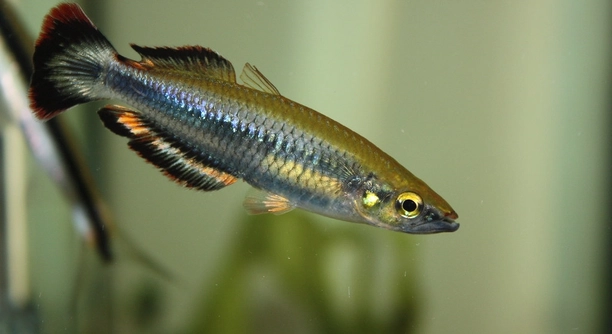
Keeping fish in home aquariums can be rewarding, but it can also be tricky to see them behave naturally. Observing their movements and interactions often requires careful attention and subtle changes to their environment.
Encouraging natural behavior in fish involves creating an environment that closely mimics their natural habitat. This includes providing proper hiding spots, appropriate tank mates, varied diet, and stimulation through plants, decorations, and gentle water flow to promote activity and reduce stress.
These small adjustments can make a significant difference in your fish’s overall wellbeing and make observing them much more enjoyable.
Provide Hiding Spots and Shelters
Fish feel safer and more comfortable when they have places to hide. Adding caves, rocks, and dense plants gives them options to retreat when stressed or shy. These hiding spots also help establish territories for more dominant species and reduce aggressive behavior. I noticed my tetras became more active after I added a few small plants and driftwood pieces. They explored more and interacted with each other in calmer ways. Hiding spots also encourage natural behaviors like foraging and resting. It’s important to place shelters in different areas of the tank, creating both shaded and open spots. The balance of light and cover makes the aquarium feel closer to their natural environment. Regularly observing how your fish use these spaces helps you adjust their arrangement and avoid overcrowding. A well-structured tank can lead to healthier, more confident fish, which makes maintaining the aquarium simpler and more rewarding.
Providing shelters supports natural behavior and reduces stress for most fish species.
Having varied hiding spots encourages exploration, resting, and territorial behaviors, giving each fish its own safe space within the tank.
Offer a Varied and Natural Diet
Feeding fish the same food every day can lead to boredom and unhealthy behaviors. Offering a mix of flakes, pellets, frozen, and live foods keeps them active and encourages natural hunting instincts. My bettas became noticeably livelier when I started rotating foods, and their fins looked healthier too. Including vegetables like spinach or peas for herbivorous species also supports digestion and overall health. Observing what your fish prefer can help you fine-tune their diet. Small portions throughout the day mimic natural feeding patterns and reduce waste. Seasonal changes in diet, like adding more protein during breeding periods, can also enhance natural behavior. Maintaining food variety is essential for mental stimulation, physical health, and encouraging natural foraging. Watching fish explore different textures and shapes in their food is rewarding and improves the dynamics in a community tank. A diverse diet is a simple step that can lead to noticeable improvements in behavior and vitality.
Maintain Proper Water Conditions
Keeping water clean and stable is essential for natural behavior. Regular testing for pH, ammonia, nitrite, and nitrate helps prevent stress. I learned that even small fluctuations can make my fish hide or become lethargic.
Regular water changes and proper filtration reduce toxins and maintain oxygen levels. Sudden changes in temperature or chemical balance can cause erratic swimming, loss of appetite, or aggression. I keep a thermometer and test kit handy to monitor the tank daily. Stable water encourages natural patterns like schooling, exploring, and feeding. Plants and live decorations also contribute to a balanced environment by absorbing nitrates and providing oxygen. Consistent maintenance is simpler when done in small, frequent steps rather than occasional large changes. Observing your fish after adjustments shows whether conditions are suitable or need fine-tuning. Healthy water is the foundation for all other aspects of fish wellbeing.
Clean water supports immune function, reduces stress, and helps fish display their normal behaviors.
Include Enrichment Elements
Adding enrichment elements like floating toys, currents, or mirrors can stimulate curiosity and movement. I noticed my angelfish became more playful with a gentle current in the tank.
These elements mimic natural habitats and provide mental stimulation. Floating objects, small tunnels, and gentle water flow encourage exploration, hiding, and hunting instincts. I rotate decorations occasionally to prevent boredom, which keeps fish active and engaged. Mirrors can encourage territorial displays, though they should be used sparingly to avoid stress. Enrichment also helps reduce aggression by giving fish multiple areas to focus on. Live plants, rocks, and driftwood create layers of complexity, supporting both visual and physical exploration. Adjusting the tank environment gradually lets fish adapt and maintain consistent natural behavior.
Regularly introducing new enrichment supports activity, exploration, and interaction, keeping fish healthy and mentally alert.
Use Appropriate Tank Mates
Choosing compatible tank mates prevents stress and promotes natural behavior. Aggressive or overly active species can intimidate others, while calm, similar-sized fish coexist better.
Observing interactions helps ensure harmony. I once added a fast-moving fish that scared my shy gouramis, so I replaced it with a peaceful species, and the tank atmosphere improved immediately.
Encourage Natural Lighting
Providing a light cycle that mimics day and night helps regulate fish behavior. Consistent lighting encourages feeding, resting, and activity patterns. A timer ensures stability, making it easier for fish to follow natural rhythms and remain healthy.
Avoid Overcrowding
Too many fish in one tank increases stress and reduces natural behavior. I keep my community tank below capacity, which allows each fish room to explore, hide, and interact without constant competition.
FAQ
How often should I change the water in my fish tank?
Water changes are essential for keeping fish healthy and promoting natural behavior. I usually change 20-25% of the water every week, which helps maintain stable water chemistry. More frequent changes may be needed if the tank is heavily stocked or if water tests show high nitrates or ammonia. Small, regular changes prevent stress and allow fish to maintain normal swimming and feeding patterns.
What types of hiding spots work best for fish?
Different species prefer different types of hiding spots. I include caves, dense plants, driftwood, and rock formations. Shy fish appreciate covered areas, while territorial fish benefit from defined spaces. Providing variety encourages natural behaviors like resting, exploring, and establishing territories without causing conflict.
Can I use decorations I already have at home?
Not all household items are safe. I once tried using a ceramic cup, but it leached chemicals into the water. Safe decorations include aquarium-safe rocks, driftwood, and commercial ornaments labeled non-toxic. Always rinse items thoroughly before adding them to the tank.
How do I know if my fish are stressed?
Signs of stress include hiding constantly, loss of appetite, erratic swimming, or faded colors. I noticed my tetras became stressed when the water temperature fluctuated. Keeping water stable, adding hiding spots, and providing compatible tank mates reduces stress and encourages normal behavior.
Is live food necessary for all fish?
Live food is not required for every species, but it stimulates natural hunting instincts. I feed my bettas a mix of live brine shrimp, frozen bloodworms, and high-quality pellets. Rotating food types provides variety, supports health, and keeps fish active.
How can I prevent aggression in community tanks?
Aggression often comes from overcrowding, incompatible species, or lack of hiding spaces. I carefully select fish of similar temperament and size and ensure enough shelters and plants. Observing interactions helps identify and separate aggressive individuals if needed.
Do plants really affect fish behavior?
Yes, live plants create natural hiding spots, reduce stress, and improve water quality. My angelfish explore around plants and use them for resting. Plants also encourage foraging and territorial behavior, making the aquarium feel more like a natural habitat.
Can artificial lighting replace natural light?
Artificial lighting can mimic natural day-night cycles if used consistently. I use a timer to provide 10-12 hours of light daily, which helps regulate feeding and resting patterns. Avoid sudden bright lights, as they can stress fish.
What is the best way to acclimate new fish?
Gradual acclimation is key. I float the bag in the tank for 15-20 minutes to equalize temperature, then slowly mix small amounts of tank water into the bag. This helps fish adjust to water chemistry and reduces stress, allowing them to display normal behaviors sooner.
How do I encourage breeding behavior naturally?
Providing proper hiding spots, live plants, suitable tank mates, and a varied diet encourages natural breeding behaviors. I noticed my gouramis began building nests when they had dense plants and calm water conditions. Maintaining stable water parameters and reducing stress increases success rates.
Can fish recognize me or learn routines?
Yes, many fish can recognize feeding routines and familiar people. My guppies swim toward me at feeding time and follow my hand. Regular interaction, gentle movements, and consistent schedules help fish feel safe and display natural curiosity without stress.
How important is tank size for natural behavior?
Tank size directly affects behavior and stress levels. Overcrowding limits movement, increases aggression, and reduces exploration. I keep community fish in tanks that provide at least twice the minimum recommended space, allowing room for hiding, swimming, and social interactions.
Are there signs that my tank setup needs changes?
Yes, reduced activity, constant hiding, aggression, or loss of appetite indicate the environment may need adjustments. I regularly observe fish behavior to determine if more plants, hiding spots, or changes in lighting and water flow are necessary. Adjusting the setup gradually helps maintain healthy behavior.
How can I simulate currents or natural water movement?
Using filters or small powerheads creates gentle currents. My tetras swim actively and explore when there’s mild water movement. Currents mimic river or stream conditions, stimulate swimming, and encourage natural feeding and schooling behaviors without stressing the fish.
Is it okay to have multiple fish species in one tank?
Yes, but compatibility is key. I combine peaceful, similar-sized fish and avoid mixing aggressive species with timid ones. Providing adequate hiding spots and observing interactions ensures all fish can display natural behaviors safely. Proper planning prevents stress, injury, and territorial disputes.
Keeping fish healthy and happy requires more than just feeding and cleaning. Observing their natural behaviors is a key part of understanding their needs. Fish are more active, curious, and interactive when they feel safe and their environment meets basic requirements. Small adjustments, like adding hiding spots, providing varied foods, and maintaining stable water conditions, can have a big impact. Over time, these changes make fish less stressed and more willing to explore the tank, interact with each other, and display natural behaviors. I noticed a clear difference in my own aquarium when I applied these techniques. My fish became more confident, swam more freely, and even displayed new behaviors that I had never seen before. Paying attention to their daily activities gives insight into their health and comfort, which can prevent problems before they start.
A structured and enriched tank environment helps fish feel secure. Hiding spots, live plants, and decorations give them areas to rest and explore. Proper tank mates and suitable tank size reduce aggression and allow each fish to express natural social behavior. Light cycles that mimic day and night, along with gentle water flow, further support activity patterns and reduce stress. Rotating foods and offering live or frozen options encourage natural hunting and foraging instincts, making feeding time more stimulating. I found that when my fish had a mix of live plants, rocks, and small tunnels, they used these spaces in different ways throughout the day. Some would rest in shaded corners, others would chase each other or explore the open areas. Providing structure and variety within the tank ensures that fish have both mental and physical stimulation, which promotes long-term wellbeing.
Consistency in maintenance and observation is essential. Regular water testing, partial water changes, and filter cleaning keep conditions stable, which is critical for fish to maintain normal behavior. Even small fluctuations in temperature, pH, or toxins can trigger stress and cause fish to hide or stop eating. I learned that gradual adjustments work better than sudden changes, allowing fish to adapt without disruption. Over time, combining proper maintenance with environmental enrichment allows fish to thrive. They become more active, social, and exhibit the natural behaviors that make aquariums rewarding to watch. Paying attention to these details also helps prevent health issues and creates a more harmonious community within the tank. In the end, a thoughtful approach to care and environment not only benefits the fish but also makes keeping an aquarium a more enjoyable and satisfying experience.

Hello,
If you enjoy the content that we create, please consider saying a "Thank You!" by leaving a tip.
Every little bit helps us continue crafting quality advice that supports the health, happiness, and well-being of pets around the world, for pets of all shapes, sizes, and species.
We really appreciate the kindness and support that you show us!