
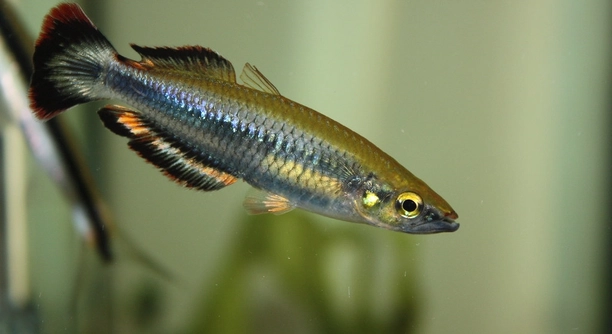
Rainbowfish are small, colorful freshwater fish that brighten aquariums with their shimmering scales. They are active swimmers, often exploring their surroundings and interacting with other fish, making them a lively and engaging addition to any tank.
Rainbowfish generally prefer mid to upper water levels but can adapt to both deep and shallow areas depending on tank conditions, lighting, and the presence of plants. Depth preference is influenced by safety, feeding behavior, and social interactions.
Observing their behavior in different tank zones provides insight into creating a comfortable and stimulating environment for rainbowfish to thrive.
Understanding Rainbowfish Habits
Rainbowfish are active and social, often swimming in schools that give them both protection and comfort. They tend to explore different tank areas throughout the day, moving between shaded spots, open spaces, and planted regions. Their activity level is influenced by lighting, tank size, and the presence of other fish. Shallow areas allow them to feed easily on floating food, while deeper zones give them shelter and a sense of security. Observing their daily patterns can help determine where they feel safest and most comfortable. Each species has slightly different preferences, but overall, providing varied depths encourages natural behavior. Plants, rocks, and decorations create a more inviting environment, offering both hiding spaces and open swimming areas. Keeping the water clean and maintaining stable conditions further supports their natural habits and reduces stress.
Depth preferences are flexible, but rainbowfish generally favor areas where they can both hide and swim freely.
Watching their interactions in different areas shows how environmental features affect their behavior, feeding, and social patterns, helping you adjust the tank for their comfort.
Tank Setup Tips for Depth Preference
Providing a mix of shallow and deep zones ensures rainbowfish feel secure and active.
Using tall plants in the background and shorter ones in the front creates depth variation. Rocks or driftwood can form hiding spots in deeper areas. Floating plants offer cover near the surface, making shallow zones attractive. A moderate water current encourages swimming and reduces boredom. Consistent temperature and water quality support natural movement between zones. Observing fish behavior helps identify preferred areas, allowing for better tank arrangement. Regular adjustments, like moving decorations or plants, maintain stimulation. Lighting should be balanced, bright enough to show colors but gentle to avoid stress. Feeding in different zones encourages exploration. Overall, creating a layered environment caters to their instinctive depth preferences.
Adjusting tank layout based on observation allows rainbowfish to move naturally and express their behaviors fully.
A well-planned setup helps rainbowfish balance safety, activity, and feeding habits. Shallow zones give access to surface food and quick escapes, while deeper areas offer shelter and resting spots. Mixed plant heights and decorations prevent monotony and provide a sense of security. Floating plants reduce light intensity near the surface, mimicking natural habitats, while rocks and driftwood create hiding opportunities in deeper areas. Observing which zones are most visited guides rearrangement decisions. Feeding in multiple areas promotes movement and ensures all fish get access to food. A stable temperature and clean water encourage consistent swimming patterns. These strategies result in happier, more active fish that display natural coloration and social interactions. Properly considering depth preferences enhances both the health and the visual appeal of the aquarium.
Feeding and Depth Preferences
Rainbowfish often feed near the surface, but they will also explore mid-depths for sinking foods. Their movements depend on the type of food and how comfortable they feel in the tank. Offering food at different depths encourages natural foraging and keeps them active.
Feeding at varied depths supports healthier behavior. Floating flakes attract fish to the shallow areas, while small pellets or live foods encourage mid-level exploration. This prevents overcrowding in one part of the tank and reduces stress. Over time, rainbowfish learn the feeding routine and adjust their swimming patterns. Observing how they respond to different food placements helps identify preferred zones. It also allows for better distribution of nutrients among all fish in the aquarium. Consistent feeding at multiple levels ensures activity and engagement, while also maintaining social balance within the school.
Monitoring feeding behavior shows which areas are most frequented and helps in arranging tank decorations. Placement of plants and hiding spots can influence where they swim during feeding. Adjusting food delivery encourages exploration and reduces boredom. Depth variation in feeding supports natural instincts, and small changes can make a noticeable difference in activity levels. Understanding how rainbowfish respond to feeding at different depths also improves overall tank management and ensures a more dynamic environment. These practices promote both their health and natural behavior patterns.
Social Behavior and Preferred Areas
Rainbowfish stay in groups, often moving together between shallow and deeper zones. Social interactions influence which areas they feel safest.
Group dynamics play a major role in depth choice. Fish in a school often follow leaders to specific areas, balancing exposure and safety. Dominant individuals may claim prime spots, while others adjust by exploring alternative zones. Plants and decorations provide shelter, reducing conflicts and stress. Schools move together, but minor variations occur depending on species and individual temperament. Observing interactions helps understand their preferred zones and how they adjust socially. Creating multiple areas in the tank ensures all fish can access both hiding and swimming spaces. Maintaining stable water conditions and minimal disturbance further supports healthy social behavior, allowing natural patterns to emerge consistently.
Providing layered tank structures enhances schooling behavior and safety. Fish feel more secure with plants in shallow zones and open areas for swimming. Multiple hiding spots reduce aggression and allow weaker individuals to retreat. Social hierarchies influence which zones are occupied most, with dominant fish often selecting prime areas. Mixed depths and plant arrangements encourage exploration while maintaining group cohesion. Careful observation helps fine-tune tank layout, ensuring each fish has access to preferred zones. Properly structured environments promote both social harmony and individual activity, creating a balanced and lively aquarium that reflects natural behaviors.
Light and Depth
Rainbowfish are sensitive to light levels, which affect their preferred swimming depth. Bright areas often attract them to shallow zones, while dimmer spots encourage mid or deeper swimming. Adjusting lighting can influence where they spend most of their time.
Providing gradual light transitions helps rainbowfish move comfortably between zones. Harsh or sudden lighting changes can stress them, causing them to hide. Using floating plants or shaded areas softens light intensity in shallow regions, making fish feel secure. Balanced lighting ensures natural behavior and encourages activity throughout the tank.
Water Flow and Positioning
Moderate water flow supports natural swimming patterns and depth movement. Strong currents push them toward calmer areas, while gentle flow encourages exploration.
Flow affects comfort and activity. Rainbowfish often prefer mid-levels where currents are mild. Too much flow may stress them, while stagnant zones can reduce activity. Proper circulation enhances oxygen distribution, supports healthy swimming, and ensures even temperature. Arranging decorations to break currents creates resting spots. Observing how fish respond to water movement helps identify their preferred depths and ideal placement of plants and rocks. Adjusting flow to mimic natural habitats encourages regular swimming, social interaction, and reduces hiding behavior. A well-balanced current supports both health and depth exploration.
Temperature Influence
Rainbowfish prefer stable temperatures, which affect where they swim. Cooler zones may attract them deeper, while warmer areas encourage surface activity.
FAQ
Do rainbowfish always stay in one depth?
Rainbowfish do not stick to a single depth. Their position changes throughout the day based on activity, feeding, social interactions, and comfort. Shallow zones are often used for feeding and exploring, while mid or deeper areas offer shelter and a sense of security. Providing multiple levels in the tank allows them to display natural behavior. Observation helps identify patterns, but flexibility is key, as depth preference can shift depending on lighting, water flow, and the presence of other fish.
How do tank decorations affect their depth preference?
Plants, rocks, and driftwood create hiding spots and landmarks that influence where rainbowfish swim. Tall plants in the background can encourage mid-depth movement, while shorter plants in the foreground make shallow areas more inviting. Rocks or driftwood provide shelter in deeper zones, helping fish feel secure. Arranging decorations to create layers gives rainbowfish both open swimming areas and safe retreats. Floating plants soften surface light and make shallow areas less stressful. Observing how fish interact with the environment allows for adjustments to support their natural depth preferences and activity levels.
Does lighting impact where rainbowfish swim?
Yes, lighting strongly influences their depth preference. Bright light often draws them to shaded or deeper zones to avoid stress, while moderate lighting encourages surface activity and feeding. Gradual lighting transitions reduce sudden changes that might cause hiding. Floating plants or decorations can diffuse light, creating comfortable shallow areas. Observing their response helps determine optimal lighting for both comfort and activity. Balancing light ensures they display natural colors and behaviors without feeling threatened, supporting overall well-being.
How does water flow affect swimming depth?
Rainbowfish prefer moderate water flow. Strong currents push them to calmer, deeper zones, while gentle flow encourages movement throughout mid-levels. Stagnant water can reduce activity and make them more prone to stress. Using plants or rocks to break currents creates resting spots and safer shallow areas. Observing how fish react to flow allows you to adjust pumps and decorations, encouraging exploration and natural swimming patterns. Proper circulation also supports oxygen distribution and stable temperature, both of which impact where they feel comfortable swimming.
Can temperature influence their depth preference?
Yes, water temperature plays a significant role. Warmer surface water may attract them to shallow zones, especially for feeding or social interaction. Cooler areas in the mid or deeper zones provide relief from heat and allow them to rest. Maintaining a stable temperature throughout the tank is important to prevent sudden shifts that might stress them. A layered environment with varied depth and plant cover allows rainbowfish to self-regulate and choose comfortable areas according to temperature preferences.
Do rainbowfish need hiding spots at all depths?
Hiding spots at multiple depths are important for their sense of security. Shallow zones benefit from floating plants, while mid and deeper areas can include rocks or driftwood. These spots reduce stress, prevent aggression within the school, and allow weaker individuals to retreat. Providing layers of cover encourages natural exploration and keeps rainbowfish active. Observing their use of hiding spots helps ensure that all areas are accessible and comfortable, supporting healthy behavior.
How does social behavior affect depth choice?
Rainbowfish are social and often follow group dynamics. Dominant individuals may occupy prime zones, while others adjust to available spaces. Schools move together but vary depending on species and individual temperament. A tank with multiple depth zones allows all fish to access both hiding and swimming areas, supporting group cohesion and reducing stress. Observing social interactions reveals preferred areas and helps arrange plants and decorations to support natural schooling behavior.
Should feeding occur at different depths?
Feeding at various depths promotes activity and exploration. Floating flakes encourage surface feeding, while sinking pellets or live foods motivate mid-level movement. This prevents overcrowding in one area, reduces stress, and ensures all fish get access to food. Regularly observing responses to different feeding zones helps maintain balanced behavior and supports natural instincts. Proper placement of food combined with layered tank design enhances both health and engagement.
Do different species of rainbowfish prefer different depths?
Yes, depth preference can vary by species. Some species naturally spend more time near the surface, while others are more comfortable at mid-levels or slightly deeper zones. Observing each species’ behavior helps tailor tank setup to accommodate their natural tendencies. Providing varied depths, plants, and decorations ensures all species can express normal behaviors. Adjustments based on observation allow for better comfort, reduced stress, and more active, healthy fish.
How can I tell if my rainbowfish are comfortable in their depth zones?
Comfort is shown through regular swimming, social interaction, and feeding activity. Fish that frequently hide or stay in one zone may be stressed due to lighting, flow, or lack of cover. Adjusting tank conditions, adding plants, and monitoring water quality helps create a stable environment. Observing patterns over time ensures their depth preferences are supported, promoting a lively and healthy aquarium.
Final Thoughts
Rainbowfish are active, social, and visually striking fish that benefit from a well-structured tank environment. Understanding their depth preferences is important to ensure their health and comfort. These fish do not remain confined to a single level in the aquarium. Instead, they move between shallow, mid, and deeper areas depending on feeding, lighting, water flow, temperature, and social interactions. Shallow zones often attract them during feeding, while mid and deeper areas provide shelter, resting spots, and a sense of security. Observing their movement patterns helps identify which parts of the tank are most frequented and which may need adjustments to accommodate their natural behavior. Each species may have slightly different tendencies, but a layered environment with varied depths generally promotes well-being and encourages natural activity. Providing multiple zones also reduces stress, prevents conflicts among individuals, and allows weaker or less dominant fish to find safer spaces.
Tank decorations play a key role in supporting rainbowfish depth preferences. Plants, rocks, and driftwood create vertical structure and hiding spots that influence where fish swim. Tall background plants encourage mid-level exploration, while shorter plants in the foreground make shallow areas more appealing. Rocks or driftwood in deeper zones provide shelter and resting spaces. Floating plants near the surface can diffuse light and reduce stress in shallow areas, making them more comfortable. Arranging decorations to create layered environments encourages exploration and natural swimming behavior. By observing how fish interact with these features, adjustments can be made to optimize their environment. A well-planned layout promotes schooling behavior, supports social interactions, and ensures all individuals have access to both active swimming areas and hiding spots. Balancing structure and open spaces is essential for keeping rainbowfish active, healthy, and visually vibrant.
Environmental factors such as lighting, water flow, and temperature also impact depth preferences. Bright or harsh lighting may push fish toward shaded or deeper zones, while moderate lighting encourages surface activity. Gentle water flow promotes natural swimming patterns, whereas strong currents may force fish into calmer areas. Temperature differences between surface and deeper zones influence where they rest or feed, as rainbowfish naturally seek comfort in areas that match their thermal needs. Providing gradual transitions, consistent water quality, and stable conditions supports natural movement and reduces stress. Feeding at different depths further encourages activity and prevents overcrowding in one area. By combining varied tank structure, proper lighting, balanced flow, and temperature stability, it is possible to create an environment that allows rainbowfish to express their full range of behaviors. Observing these patterns and making small adjustments ensures that their depth preferences are supported, resulting in a healthier, more active, and visually engaging aquarium.

Hello,
If you enjoy the content that we create, please consider saying a "Thank You!" by leaving a tip.
Every little bit helps us continue crafting quality advice that supports the health, happiness, and well-being of pets around the world, for pets of all shapes, sizes, and species.
We really appreciate the kindness and support that you show us!