
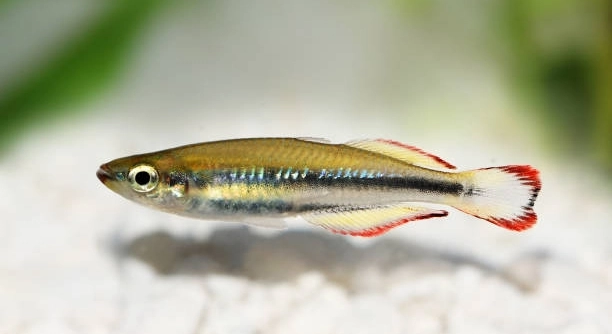
Breeding Madagascar Rainbowfish can be rewarding, yet many enthusiasts unknowingly make errors that affect their success. These mistakes range from tank setup issues to mismanagement of water conditions, which can significantly impact the health of the fry.
The seven most common breeding mistakes with Madagascar Rainbowfish include poor water quality management, incorrect temperature regulation, overcrowding, improper diet, lack of hiding spaces for fry, neglecting to separate adults from eggs, and failure to monitor breeding behavior consistently.
Recognizing these pitfalls early will help you create a healthier environment and increase your chances of successful breeding outcomes.
Poor Water Quality
Maintaining clean water is crucial for Madagascar Rainbowfish breeding. Dirty or unbalanced water can stress the adults and harm the eggs. Regular testing for ammonia, nitrites, and nitrates is essential, along with weekly partial water changes. Temperature fluctuations can also negatively affect water chemistry, so keeping a stable environment is important. Filtration should be gentle to avoid disturbing eggs or fry, yet strong enough to maintain clarity. Using a sponge filter is a practical choice, as it provides filtration without harming delicate fry. Additionally, removing uneaten food promptly prevents decay and spikes in harmful compounds. Attention to water pH is necessary, ideally keeping it slightly alkaline between 7.0 and 8.0. Soft water with moderate hardness is preferred, as extremely hard or soft water can reduce fry survival. Overall, consistent care and monitoring create optimal conditions for successful breeding and healthy offspring development.
Poor water conditions can drastically reduce breeding success and fry survival, making careful monitoring essential.
A stable, clean environment allows adults to focus on spawning, while eggs and fry have a higher survival rate. By setting up the tank properly, you prevent unnecessary stress and avoid common mistakes that lead to poor breeding outcomes. Consistent testing, filtration, and careful water changes are small efforts that yield significant improvements in reproductive success.
Overcrowding
Overcrowding reduces oxygen levels and increases stress among adult fish.
Too many adults in a breeding tank can cause aggression, egg predation, and stunted growth in fry. It is important to keep only a few pairs in a sufficiently sized tank. Overcrowding also makes it harder to maintain water quality and monitor breeding behavior effectively. Limiting the number of fish ensures each pair has enough space to spawn naturally and for fry to find shelter. Providing plants or hiding spots helps fry survive in a less crowded area, giving them a chance to grow without interference.
Managing tank population and creating separate breeding areas allows for better control. A spacious, organized setup reduces competition, stress, and the risk of lost eggs, ultimately promoting a more productive and healthier breeding environment. Proper spacing and careful observation can prevent most issues related to overcrowding and improve overall breeding outcomes.
Incorrect Temperature
Maintaining the right temperature is critical for Madagascar Rainbowfish breeding. Too low or too high temperatures can prevent spawning and reduce egg viability. A stable range between 24°C and 28°C is ideal for both adults and fry development.
Temperature affects metabolism, activity, and breeding behavior. If the water is too cold, adults may become sluggish, and eggs may fail to develop. Conversely, overly warm water can increase stress, oxygen consumption, and susceptibility to disease. Using a reliable heater and thermometer helps maintain consistent conditions. Gradual adjustments are important to avoid shocking the fish. Monitoring temperature daily ensures that both adults and fry remain in optimal conditions for growth.
Seasonal changes and room temperature fluctuations can affect the tank, making daily observation essential. Adjusting the heater carefully and checking water stability allows for a controlled environment. Providing stable, ideal temperatures supports spawning behavior, healthy eggs, and fry survival.
Improper Diet
A poor diet can significantly reduce breeding success and fry development. Adults need a varied diet rich in protein and nutrients to produce healthy eggs.
Feeding high-quality live or frozen foods, such as brine shrimp, daphnia, and bloodworms, supports reproductive health. Pellets and flakes can supplement the diet but should not be the sole source of nutrition. Overfeeding should be avoided, as leftover food can pollute the tank and compromise water quality. Consistent feeding schedules help maintain adult health and energy levels, directly impacting spawning frequency and egg quality.
Juveniles require smaller, more frequent meals to support growth. Fry benefit from infusoria, newly hatched brine shrimp, or finely crushed flake food. Proper feeding practices reduce mortality rates and ensure healthy development. A balanced diet also strengthens the immune system, increasing resilience against stress and disease during breeding periods. Establishing this routine early fosters strong adults and a successful breeding environment.
Lack of Hiding Spaces
Hiding spaces are essential for fry survival. Without plants or shelters, young fish are more likely to be eaten by adults.
Providing dense plants, breeding mops, or small decorations allows fry to find refuge. These spaces reduce stress and increase their chances of growing to adulthood safely.
Neglecting to Separate Adults from Eggs
Adults may eat their eggs if not separated promptly. Using a dedicated breeding tank or removing eggs carefully prevents predation.
Monitoring spawning behavior closely ensures eggs are relocated safely. Separating adults from eggs protects developing fry, increasing survival rates and improving overall breeding success. Consistent observation and timely action are necessary for effective breeding management.
Failure to Monitor Breeding Behavior
Paying attention to spawning activity is critical. Observing interactions allows you to identify eggs and prevent problems early.
Regular monitoring helps detect stress, aggression, or unsuccessful spawning attempts. Adjustments can then be made to improve conditions and support healthy fry development.
FAQ
What is the best water temperature for breeding Madagascar Rainbowfish?
Maintaining a stable temperature between 24°C and 28°C is ideal. Temperatures outside this range can slow spawning, reduce egg viability, and stress both adults and fry. Using a reliable heater and thermometer ensures consistency, and gradual adjustments prevent sudden shocks to the fish.
How often should I change the water during breeding?
Partial water changes of 20-25% weekly help maintain water quality without stressing the fish. Frequent monitoring of ammonia, nitrite, and nitrate levels is essential. Removing uneaten food during changes prevents water contamination and supports fry survival.
Do adults eat their own eggs?
Yes, adult Madagascar Rainbowfish may eat eggs if they are left in the main tank. Using a separate breeding tank or removing eggs promptly protects them and improves survival rates. Dense plants or breeding mops provide additional hiding spaces for eggs and fry.
What should I feed adult fish for successful breeding?
A varied diet of live or frozen foods like brine shrimp, daphnia, and bloodworms promotes egg development. Flakes and pellets can supplement nutrition but should not be the main diet. Overfeeding should be avoided to prevent water quality issues.
How can I ensure fry survival after hatching?
Providing plenty of hiding spaces and gentle filtration is crucial. Fry need small, frequent meals like infusoria, newly hatched brine shrimp, or finely crushed flakes. Monitoring water parameters closely helps prevent stress or disease, ensuring a higher survival rate.
Can I breed multiple pairs in the same tank?
Overcrowding increases stress, aggression, and egg predation. It is better to limit breeding pairs to separate or sufficiently large tanks. Providing space, plants, and hiding spots reduces competition and allows adults to spawn naturally without interfering with fry survival.
How long does it take for eggs to hatch?
Madagascar Rainbowfish eggs usually hatch within 7-10 days, depending on water temperature and conditions. Warmer water speeds up development slightly, while cooler water may delay hatching. Monitoring daily ensures timely protection and care for the fry once they emerge.
What is the best tank setup for breeding?
A tank with gentle filtration, stable temperature, and clean water is essential. Plants or breeding mops provide hiding spots, and a small, dedicated breeding area reduces egg predation. Avoid overcrowding and monitor water parameters consistently for optimal results.
How do I know if the fish are ready to breed?
Healthy adults display bright colors, active swimming, and frequent interaction. Males often show territorial behavior, while females develop a slightly rounded belly when carrying eggs. Observing these signs helps identify when to prepare the breeding tank and separate eggs safely.
Is it necessary to remove fry from the main tank?
Yes, separating fry from adults prevents predation and increases survival. Using a separate rearing tank or providing dense plant cover allows fry to feed and grow safely while adults continue normal behavior. Regular monitoring ensures optimal development and reduces risks of disease.
Can I use tap water for breeding?
Tap water is acceptable if treated to remove chlorine and chloramines. Adjusting pH, hardness, and temperature to the preferred range ensures a safe environment. Testing regularly helps maintain stable conditions suitable for spawning and fry growth.
What are signs of poor water quality?
Cloudy water, algae growth, lethargic fish, or unexpected fry deaths indicate problems. Testing ammonia, nitrites, nitrates, pH, and hardness identifies imbalances. Prompt corrective measures, including partial water changes and filtration maintenance, restore a healthy breeding environment.
How often should I observe spawning behavior?
Daily observation is important to detect stress, aggression, or unsuccessful spawning attempts. Timely action allows for egg removal, water adjustments, or separation of adults to improve breeding outcomes and ensure fry safety.
Can breeding be done in a community tank?
It is not recommended. Other fish may eat eggs or stress adults, reducing spawning success. A dedicated breeding tank allows control over water quality, feeding, and fry protection, ensuring a higher survival rate.
What is the role of plants in breeding tanks?
Plants provide hiding spots for eggs and fry, reduce stress, and improve water quality. Dense plants or moss create safe areas for fry to grow and increase overall breeding success by mimicking natural conditions.
How can I prevent disease during breeding?
Maintaining clean water, stable temperature, and a balanced diet reduces the risk of illness. Quarantining new fish before introducing them and avoiding overcrowding helps prevent the spread of disease, ensuring healthier adults and fry.
How long should fry stay in the rearing tank?
Fry should remain in a protected tank until they are large enough to avoid predation and compete successfully for food. Typically, this is around 6-8 weeks, depending on growth and water conditions. Careful monitoring ensures they develop properly.
Are there signs of egg infertility?
Infertile eggs often turn white, become fuzzy, or fail to develop. Removing them promptly prevents water contamination and allows focus on viable eggs, increasing overall fry survival.
Is it necessary to condition fish before breeding?
Yes, conditioning with high-protein foods and clean water improves reproductive health. Healthy, well-nourished adults are more likely to spawn successfully and produce viable eggs, ensuring better fry survival and growth.
Can temperature changes trigger spawning?
Slight, gradual temperature increases can stimulate spawning, mimicking seasonal changes in the wild. Sudden or extreme shifts can stress adults, so adjustments should be small and controlled to encourage natural breeding behavior.
Breeding Madagascar Rainbowfish can be both rewarding and challenging. Attention to detail is critical, as even small mistakes in water quality, temperature, or tank setup can significantly impact success. Many issues arise from overlooked factors, such as insufficient hiding spaces for fry or neglecting to monitor spawning behavior. Consistency is key. Regular observation, proper feeding, and careful maintenance of water parameters create a stable environment where adults can spawn naturally, and fry have the best chance of survival. Each aspect of the tank, from filtration to temperature, contributes to the overall health of the fish. By maintaining a controlled and clean environment, you minimize stress on the adults and reduce the risk of eggs being eaten or fry dying prematurely. Small adjustments in tank conditions can make a large difference in outcomes, so paying attention to details is worthwhile for anyone attempting to breed these fish successfully.
A common reason breeding attempts fail is the combination of multiple small mistakes rather than one major issue. Overcrowding, poor water quality, and improper diet often occur together, compounding stress on the fish. Providing a balanced diet, stable temperature, and adequate hiding spaces can prevent many of these problems. Separation of eggs from adults is another critical step that ensures fry survival, while careful observation allows timely adjustments if conditions are less than ideal. Each step in the breeding process affects the next, so preparation and patience are essential. Understanding the natural behavior of Madagascar Rainbowfish also helps anticipate potential challenges, such as territorial aggression or selective feeding preferences. Establishing a routine of monitoring and care not only promotes successful breeding but also creates a healthier, more stable tank environment for all the fish involved.
Patience and observation are fundamental to successful breeding. It may take several attempts to see consistent results, and learning from mistakes is part of the process. Maintaining clean water, providing proper nutrition, and ensuring enough space and hiding places for fry are simple yet effective practices that improve outcomes. Even experienced breeders occasionally encounter setbacks, so resilience is important. Careful planning and ongoing attention reduce stress for both adults and fry, leading to healthier fish and higher survival rates. By following best practices and adjusting techniques based on observation, breeding Madagascar Rainbowfish becomes more manageable. Over time, these efforts create a thriving tank where adults can spawn naturally, and fry can grow safely, resulting in a rewarding experience for anyone committed to providing the proper care and environment.

Hello,
If you enjoy the content that we create, please consider saying a "Thank You!" by leaving a tip.
Every little bit helps us continue crafting quality advice that supports the health, happiness, and well-being of pets around the world, for pets of all shapes, sizes, and species.
We really appreciate the kindness and support that you show us!