
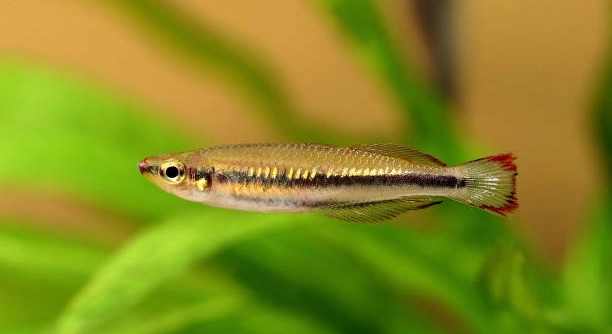
Fish with dull colors can make an aquarium feel less lively, even when the environment is well-maintained. Feeding plays a significant role in enhancing their natural hues. Understanding proper nutrition can help your fish appear vibrant and healthy.
Balanced diets that include carotenoid-rich foods, varied protein sources, and occasional live or frozen treats have been shown to significantly enhance the pigmentation in ornamental fish. Consistent feeding schedules and high-quality feed are essential for optimal coloration.
Improving fish color goes beyond looks. Small changes in feeding habits can create long-lasting, noticeable results in your aquarium’s overall appearance.
Incorporate Color-Enhancing Foods
Feeding fish foods that naturally boost their coloration can make a noticeable difference. Ingredients like spirulina, krill, and carotenoid-rich vegetables support vibrant reds, oranges, and yellows. Incorporating a mix of these foods ensures fish receive balanced nutrition while enhancing their natural beauty. Some fish respond better to live or frozen options, which often retain more nutrients than processed flakes. Observing how your fish react to different foods can help determine which combinations work best. Overfeeding can reduce effectiveness and affect water quality, so portion control is important. Consistency is key; regular feeding with high-quality, color-enhancing foods provides steady improvement in pigmentation over time. Rotating between different types of food prevents boredom and ensures a broader range of nutrients. Using these methods, even subtle color changes become noticeable, giving the aquarium a more lively and attractive appearance. Gradual improvements are more sustainable and support overall health alongside visual enhancement.
Carefully choosing foods tailored for color can transform the vibrancy of your fish without compromising health or water quality.
A practical approach is to alternate between live, frozen, and prepared foods throughout the week. For instance, offering krill two days a week, spirulina flakes on other days, and occasional vegetable treats ensures variety. Observing changes in scale brightness and fin coloration can guide adjustments. Pairing this with a stable feeding schedule reinforces the effects, preventing sudden fluctuations in health or color. Over time, the combination of nutrient-rich, color-boosting foods and careful monitoring leads to more vivid fish, making the aquarium visually appealing and healthier overall.
Maintain a Consistent Feeding Schedule
Regular feeding times help fish develop stable digestive cycles, improving nutrient absorption and coloration. Feeding at inconsistent times can stress fish, diminishing the effect of color-enhancing foods.
Establish a predictable feeding routine, ideally twice daily, to support metabolism and pigment development.
Consistency in feeding supports overall well-being and color intensity. Fish thrive when they know when to expect meals, reducing stress and promoting stronger, more vibrant scales. A structured schedule allows nutrients from high-quality, color-rich foods to be effectively absorbed and distributed. Irregular feeding can cause appetite fluctuations or aggression, which may indirectly affect appearance. By observing your fish over weeks, you can fine-tune the timing and quantity of meals to match their specific needs. Even small adjustments, like providing slightly smaller portions more frequently, can stabilize digestion and maintain optimal energy levels. Over time, fish will display richer colors, healthier fins, and increased activity, creating a more dynamic and visually striking aquarium environment. The routine also makes it easier to detect early signs of illness or nutrient deficiency.
Use High-Quality Flake and Pellet Foods
High-quality flake and pellet foods provide concentrated nutrients that support vibrant coloration. Look for products labeled with carotenoids, vitamins, and minerals. Avoid low-grade options, which may lack essential components for healthy pigmentation.
Flakes and pellets formulated for color enhancement contain carotenoids and natural pigments that are easily absorbed by fish. They also provide balanced protein and fat content necessary for growth and energy. Choosing reputable brands ensures the ingredients are of high quality and free from fillers that offer little nutritional value. Feeding smaller amounts multiple times a day prevents overfeeding and maintains water quality, which directly affects fish health and coloration. Monitoring the response of your fish allows adjustment of feeding amounts to maximize pigment retention. Over time, regular use of high-quality flakes or pellets results in brighter, more vivid colors and healthier overall appearance.
In addition to pigments, these foods often contain antioxidants that reduce stress and enhance immune function. Stress can dull fish colors, so combining nutritious foods with stable water conditions strengthens their natural vibrancy. Feeding color-enhancing pellets consistently allows scales and fins to develop deeper, more uniform shades. The convenience of flakes and pellets also makes it easier to maintain a predictable feeding routine. Alternating these with live or frozen foods ensures variety while still promoting optimal pigmentation. Observing fish during feeding helps gauge which foods they prefer, ensuring both nutrition and color improvement are achieved simultaneously.
Introduce Occasional Live or Frozen Foods
Live or frozen foods supply nutrients that are often lost in processed products, boosting color naturally. Use them sparingly to complement regular feeding and avoid overfeeding.
Live and frozen foods, such as brine shrimp or daphnia, contain natural pigments and essential proteins that enhance scale brightness and fin coloration. They encourage natural foraging behavior, stimulating appetite and activity levels. Introducing these foods two to three times a week ensures fish benefit from their nutrients without overwhelming the tank ecosystem. Combining live or frozen options with flakes or pellets creates a balanced diet that supports both health and visual appeal. Monitoring how fish respond to these foods helps determine the most effective feeding frequency and portion size. Proper storage and thawing of frozen foods preserves their nutrient content, while live foods must be kept clean and free of contaminants.
These foods are particularly effective for species known to lose color quickly under stress or poor nutrition. By alternating between live, frozen, and processed feeds, you create a varied diet that maintains interest and encourages feeding consistency. This method also provides essential fatty acids and natural carotenoids that may be absent in regular flakes or pellets. Observing growth and color over several weeks allows adjustments in type and frequency, ensuring each fish develops its full color potential. Combining proper feeding techniques with stable water conditions maximizes pigment retention and overall health, making your aquarium appear lively and colorful.
Avoid Overfeeding
Overfeeding can lead to water quality issues that dull fish colors. Uneaten food decomposes, increasing ammonia levels and stressing fish.
Controlling portion sizes ensures fish receive enough nutrients without harming the tank environment. Feeding only what they can consume within a few minutes prevents excess waste and supports vibrant pigmentation.
Include Vegetables in the Diet
Vegetables such as spinach, peas, and zucchini provide vitamins and natural pigments. They complement protein-rich foods and enhance color naturally.
Maintain Clean Water
Clean water supports nutrient absorption and helps colors stay bright. Regular water changes reduce toxins and promote fish health.
Use Supplementary Color Boosters
Supplements containing carotenoids or natural pigments can enhance fish coloration when used in moderation and as part of a balanced diet.
FAQ
How often should I feed my fish to improve their color?
Feeding twice a day in small, controlled portions is ideal. This supports digestion and ensures nutrients are absorbed efficiently. Overfeeding can reduce color intensity and cause water quality problems. Consistency in timing helps fish develop stable eating patterns and promotes natural pigmentation.
Can color-enhancing foods replace a balanced diet?
No, they should complement a balanced diet. While these foods improve coloration, fish still need protein, fats, and vitamins for overall health. Combining color-boosting flakes or pellets with live or frozen foods ensures both vibrant colors and proper nutrition. Variety is key to maintaining long-term pigment enhancement.
Are live and frozen foods necessary for color improvement?
Live and frozen foods provide nutrients often lost in processed foods. Brine shrimp, daphnia, and bloodworms are rich in carotenoids and proteins that support brighter scales and fins. Using them two to three times a week enhances color while encouraging natural feeding behavior.
Do vegetables really affect fish color?
Yes, vegetables like spinach, zucchini, and peas supply vitamins and carotenoids that contribute to pigmentation. They also add fiber, which supports digestion. Regularly including these in your fish’s diet can enhance reds, oranges, and yellows naturally over time.
Will overfeeding harm my fish’s coloration?
Overfeeding stresses fish and deteriorates water quality, which can dull their colors. Excess food decomposes, raising ammonia levels and causing inflammation or illness. Controlled, portioned feeding preserves both health and vibrancy, making color improvements more noticeable and sustainable.
Can supplements alone improve fish color?
Supplements can enhance pigmentation but should not be the sole source of nutrition. Use them in moderation alongside flakes, pellets, and live foods. Over-reliance on supplements may lead to imbalances or poor health, reducing overall effectiveness.
How long does it take to see color improvements?
Visible changes typically appear within a few weeks of consistent feeding with high-quality, color-enhancing foods. Results depend on species, age, and current health. Younger fish usually show quicker improvements, while older or stressed fish may take longer to regain full pigmentation.
Does water quality impact coloration?
Absolutely. Clean, stable water conditions allow fish to absorb nutrients efficiently. Poor water quality causes stress, which dulls colors. Regular water changes and monitoring parameters like ammonia, nitrite, and nitrate are crucial for maintaining bright, healthy fish.
Are there fish that naturally show less color despite proper feeding?
Some species naturally have muted colors or develop coloration slowly. Genetics, age, and environmental factors influence pigment intensity. Even with optimal feeding and care, these fish may never reach the vibrancy of more naturally colorful species.
Can stress affect fish coloration?
Yes, stress from overcrowding, poor water quality, or aggressive tank mates can dull colors. Maintaining a calm, stable environment alongside a nutrient-rich diet helps fish display their natural pigmentation consistently. Stress management is just as important as feeding for vibrant coloration.
Is it better to rotate different color-enhancing foods?
Yes, rotating flakes, pellets, vegetables, and live or frozen foods ensures a broad range of nutrients. This variety supports stronger pigmentation, prevents boredom, and promotes overall health. Observing how fish respond to different foods helps tailor the diet for maximum color enhancement.
Do all fish respond the same to color-boosting foods?
Responses vary by species, age, and health. Some fish show rapid improvements, while others develop color more slowly. Tracking individual reactions helps adjust feeding strategies for optimal results. Consistency, quality, and variety remain essential for achieving the best coloration.
Can fasting affect coloration?
Short, occasional fasting can aid digestion but prolonged or frequent fasting may reduce pigment intensity. Balanced feeding schedules with appropriate portions are more effective for maintaining bright, healthy colors. Observing fish behavior ensures they are receiving adequate nutrition.
How can I know if the diet is working?
Monitor scale brightness, fin coloration, and overall vitality. Gradual improvements indicate the diet is effective. If colors remain dull despite proper feeding, check water quality, stress factors, and health conditions, as these can interfere with pigment development.
Final Thoughts
Maintaining vibrant fish colors is a combination of proper feeding, stable water conditions, and attentive care. Feeding high-quality flakes or pellets designed for color enhancement provides essential nutrients that fish need for pigmentation. Incorporating live or frozen foods a few times a week adds natural carotenoids and proteins that support brighter scales and fins. Vegetables such as spinach, peas, and zucchini offer additional vitamins and natural pigments that complement protein-rich foods. Rotating between these options ensures a varied diet and prevents nutritional gaps. Portion control is also essential, as overfeeding can harm water quality, stress fish, and ultimately dull their colors. Consistency in both the type and timing of feedings allows fish to absorb nutrients effectively and maintain their natural vibrancy over time. Even small changes, when applied consistently, can lead to noticeable improvements in pigmentation and overall health.
Water quality is equally important for maintaining color and overall well-being. Clean, stable water reduces stress, which directly impacts a fish’s appearance. Regular water changes, monitoring ammonia, nitrite, and nitrate levels, and keeping the tank free from excess debris all support a healthy environment. Stress from poor water conditions, overcrowding, or aggressive tank mates can dull colors regardless of diet. Maintaining an optimal environment enhances the benefits of color-enhancing foods and helps fish display their natural hues. Proper filtration, regular cleaning, and careful observation of fish behavior all contribute to healthier, more vibrant fish. Attention to these details ensures that feeding strategies are fully effective and that fish can reach their maximum visual potential.
Finally, patience and observation play a key role in improving fish coloration. Results will not appear overnight, as pigment development is gradual and influenced by genetics, age, and species-specific factors. Younger fish often show faster improvements, while older or stressed fish may take longer to reach their full color potential. Observing how your fish respond to different foods, feeding schedules, and tank conditions allows you to make adjustments for optimal results. Tracking changes in scale brightness, fin coloration, and overall activity helps gauge effectiveness. Combining consistent feeding practices, clean water, and minimal stress creates a foundation for healthy, vibrant fish that enhance the appearance of your aquarium. Over time, these measures result in brighter, more vivid colors, stronger immunity, and a more dynamic aquatic environment.

Hello,
If you enjoy the content that we create, please consider saying a "Thank You!" by leaving a tip.
Every little bit helps us continue crafting quality advice that supports the health, happiness, and well-being of pets around the world, for pets of all shapes, sizes, and species.
We really appreciate the kindness and support that you show us!