
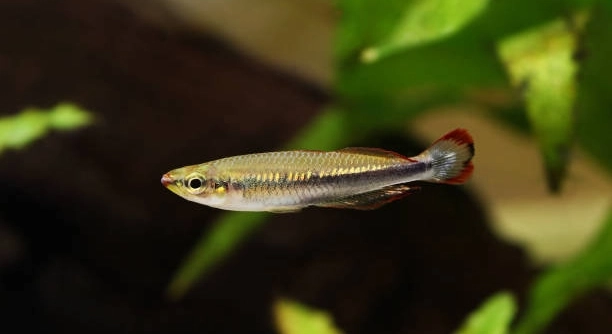
Rainbowfish are colorful freshwater fish that often catch the attention of aquarists. Their shimmering scales and lively behavior make them a popular choice for home aquariums, and observing their movements can be surprisingly engaging and relaxing.
Rainbowfish use subtle body movements and fin displays as a form of communication within their schools. These motions convey social cues, establish hierarchy, and coordinate group behavior, allowing them to interact efficiently and maintain cohesion in their environment.
Observing these behaviors provides insight into their social structures and daily interactions, revealing the complexity behind their seemingly simple movements.
Understanding Rainbowfish Movements
Rainbowfish exhibit a wide variety of movements that go beyond simple swimming. They often flick their fins, wag their tails, or change direction rapidly. These behaviors are not random; each motion carries meaning. Some movements signal dominance, while others indicate submission. When in a group, synchronized swimming helps maintain cohesion and reduces the chance of predators targeting a single fish. Observing closely, subtle differences emerge in how males and females move. Males may display more pronounced fin spreads to attract attention, while females often respond with smaller, cautious gestures. Even feeding times reveal patterns: faster, precise movements often indicate readiness to eat, while slower, hesitant swimming can signal discomfort or stress. These behaviors reflect both instinct and learned responses within their environment, allowing rainbowfish to adapt to changing conditions and interact with other species in shared habitats. Understanding these motions gives insight into their communication and social hierarchy.
These movements are deliberate and purposeful, helping rainbowfish maintain order, convey signals, and respond to threats in their aquatic environment.
By studying these patterns, aquarists can better interpret their rainbowfish’s moods, social interactions, and even health. Observing the nuances of tail flicks, fin spreads, and group formations offers clues about stress, feeding behavior, and mating readiness. Over time, it becomes easier to predict reactions and provide conditions that support natural behavior, ensuring a balanced and stable aquarium. This understanding also aids in preventing conflicts within a tank, as recognizing dominance displays or signs of discomfort can guide proper tank arrangement and social pairing. Additionally, movement analysis can reveal environmental preferences, such as light, temperature, or hiding spots, that influence daily activity. Focusing on these behaviors allows for deeper appreciation of their subtle communication methods.
Communication Signals in Schools
Rainbowfish communicate most effectively when in schools. Group coordination helps convey messages quickly.
Schooling behaviors are complex and involve synchronized swimming, sudden directional changes, and subtle body postures. When a predator approaches, the school reacts as a unit, signaling danger through rapid fin flicks and compact movements. Within these schools, hierarchy is maintained through size, coloration, and assertive movements. Dominant fish often lead the group or occupy central positions, while subordinate individuals adjust their swimming patterns accordingly. This structure ensures efficient feeding and protection. Movement patterns also indicate reproductive readiness; males may perform short bursts or display fins prominently to attract females. Over time, fish respond to repeated signals, showing that learning and observation play a role in communication. These cues reduce conflict and foster group cohesion, allowing rainbowfish to thrive in shared spaces and maintain social stability across varying tank conditions.
Body Language and Social Hierarchy
Rainbowfish use body posture to signal dominance or submission. Larger, more colorful fish often assert control by spreading fins and maintaining central positions, while smaller fish swim cautiously, avoiding confrontation to stay safe.
Body language is a key part of rainbowfish social structure. Dominant fish display upright posture, exaggerated fin movements, and assertive swimming patterns to communicate authority. Subordinate fish respond by lowering their fins, moving to the edges of the group, or following the leader’s direction. These subtle cues prevent constant fighting and help maintain harmony within the school. Observing these patterns can reveal which fish are dominant, which are submissive, and how the group adjusts during feeding or territorial disputes. Changes in posture often reflect stress levels, making body language an important indicator of overall wellbeing.
Social hierarchy affects daily routines, feeding order, and interactions. Dominant fish often get first access to food and prime locations in the tank. Subordinates learn to navigate around them, reducing conflict. These patterns also influence mating opportunities, as more assertive males attract attention from females. Over time, fish adjust to each other’s signals, creating a stable social environment where movement and posture communicate essential information efficiently. Recognizing these behaviors allows for better tank management and a healthier community of fish.
Environmental Influence on Movement
Water conditions, light, and space directly affect how rainbowfish move. Proper settings encourage natural swimming patterns and reduce stress.
Rainbowfish adjust their movements based on environmental factors such as temperature, water flow, and tank layout. In well-maintained tanks with stable conditions, fish swim confidently, display normal fin spreads, and engage in coordinated schooling. Poor conditions, including overcrowding, low oxygen, or inconsistent temperatures, can lead to erratic swimming, hiding, or reduced activity. Observing these responses helps aquarists identify issues early. Even minor changes in light or decoration placement can influence movement, as fish seek preferred zones for safety, feeding, or resting. Understanding these environmental influences ensures their natural behaviors are preserved.
Environmental enrichment and tank design play a crucial role in rainbowfish activity. Open swimming areas allow schools to coordinate movements naturally, while plants and decorations provide shelter for shy or subordinate fish. Proper lighting encourages display behaviors, enhancing social signals and mating interactions. Water flow affects stamina and fin use, contributing to overall health. Monitoring movement patterns can indicate comfort levels, revealing if adjustments are needed in temperature, pH, or oxygenation. Maintaining optimal conditions allows rainbowfish to express full behavioral repertoires, supporting social stability and reducing stress-related issues in the aquarium.
Mating Displays
Rainbowfish use fin spreads and rapid movements to attract mates. Males often perform short bursts near females, signaling readiness and fitness.
Color intensity and body posture play a key role in courtship. Subtle movements, such as circling or gentle nudges, help communicate interest and establish pair bonds.
Warning Signals
Rapid darting and sudden fin flares often serve as warnings. These movements alert other fish to potential threats or territory intrusion. Observing these behaviors helps understand how rainbowfish protect themselves and maintain boundaries within their groups.
Feeding Behavior
Rainbowfish adjust their swimming patterns when feeding. They move quickly to seize food, while maintaining awareness of other fish and potential competition.
Resting Movements
Even at rest, rainbowfish maintain subtle fin twitches and gentle body adjustments. These micro-movements help them stay balanced and aware of their surroundings.
FAQ
How do rainbowfish communicate through movement?
Rainbowfish use fin spreads, tail flicks, body posture, and coordinated swimming patterns to convey messages. These movements indicate social hierarchy, mating readiness, feeding behavior, and warnings of potential threats. Observing these motions closely can help aquarists understand interactions and social dynamics within a tank.
Why do males display more vibrant movements than females?
Male rainbowfish often perform exaggerated displays to attract mates. These include rapid bursts, larger fin spreads, and more pronounced color flashes. Females respond with subtler movements, signaling interest or readiness. This differentiation helps maintain balance in social interactions and ensures mating cues are clear.
Can rainbowfish signal danger to each other?
Yes, sudden darting, synchronized group shifts, and rapid fin flares often alert other fish to predators or disturbances. These warning movements keep schools cohesive and reduce the risk of individuals being targeted. Fish quickly respond, either by hiding, tightening their formation, or fleeing the area.
Do rainbowfish learn to recognize signals from each other?
Rainbowfish are capable of learning and adapting to repeated cues from tank mates. Dominant displays, feeding signals, and threat warnings become familiar over time. Subordinate fish adjust their movements to avoid conflict, while dominant fish recognize and respond to challenges efficiently, maintaining social harmony.
How do environmental factors influence movement communication?
Water quality, temperature, oxygen levels, and tank space affect swimming patterns. Poor conditions may lead to erratic movements, reduced coordination, or hiding. Proper lighting, stable temperature, and adequate space encourage natural behaviors, allowing rainbowfish to express communication signals effectively.
Do rainbowfish communicate differently in small vs. large groups?
Group size impacts movement patterns. In small groups, fish rely on direct interactions, such as tail flicks or nudges. In larger schools, synchronized swimming and subtle shifts in formation become more important for maintaining cohesion and relaying information across multiple individuals.
Can movement indicate health issues?
Yes, changes in swimming speed, posture, or fin movement can signal illness, stress, or injury. Lethargy, erratic darting, or lack of coordination often precede visible symptoms. Observing movement allows aquarists to intervene early and ensure timely care.
Are mating signals only visible during breeding season?
Males may show display behaviors year-round, but intensity increases during breeding periods. Burst swimming, fin displays, and color flashes are more frequent when females are receptive. Observing these behaviors helps identify optimal breeding times and assess overall tank dynamics.
How can I encourage natural communication in my aquarium?
Providing ample swimming space, plants, hiding spots, and stable water conditions encourages natural behaviors. Avoid overcrowding, maintain consistent lighting, and feed regularly. Observing fish daily helps reinforce recognition of their movement signals and ensures social stability.
Do all rainbowfish species communicate in the same way?
While general patterns such as fin spreads, tail flicks, and schooling behaviors are common, specific movements and display intensity vary by species. Coloration, size, and temperament influence how signals are expressed and interpreted among different types of rainbowfish.
Can movement patterns change with age?
Yes, younger fish may display less coordinated movements, smaller fin spreads, and more hesitant swimming. As they mature, movements become more confident, pronounced, and socially meaningful. Observing these changes can indicate growth, maturity, and social status within the tank.
Is it possible to misinterpret rainbowfish movements?
Misinterpretation can occur if movements are viewed without context. Some rapid swimming may appear aggressive but is a routine adjustment or feeding response. Understanding body posture, fin positioning, and group dynamics is essential to accurately read their signals.
How long does it take to understand rainbowfish communication?
With consistent observation, aquarists can begin recognizing common signals within a few weeks. Full understanding of social hierarchy, mating cues, and environmental responses may take months. Patience and attention to subtle movements are key to accurate interpretation.
Do rainbowfish movements affect tank harmony?
Absolutely. Clear communication through movement maintains hierarchy, reduces conflict, and coordinates schooling. Misreading or disrupting signals, such as overcrowding or abrupt changes, can increase stress and lead to aggression or social instability within the group.
Can I train my rainbowfish to respond to specific movements?
While not trainable like mammals, rainbowfish can associate repeated visual cues with feeding or environmental changes. Observing their response patterns allows subtle guidance, such as positioning food or adjusting tank elements to reinforce natural behaviors.
How important is observation for maintaining rainbowfish health?
Observation is critical. Understanding movement patterns reveals social dynamics, stress levels, environmental comfort, and early signs of disease. Daily attention to swimming behavior, fin displays, and schooling helps maintain a healthy, balanced aquarium and ensures fish wellbeing.
Do rainbowfish communicate with other species through movement?
Interactions with other species are limited but possible. Movements may signal caution, territory, or curiosity. Responses from other species vary depending on temperament and size, but subtle cues can influence tank dynamics and behavior patterns.
Can lighting influence movement communication?
Yes, light intensity and spectrum affect color visibility, fin displays, and activity levels. Proper lighting enhances visual signals and encourages natural behaviors, while poor lighting can reduce communication effectiveness and obscure important social cues.
Are there signs of stress in movement patterns?
Stress often shows as erratic darting, hiding, reduced activity, or clamped fins. Changes in group coordination or avoidance of dominant fish also indicate discomfort. Recognizing these signs allows timely adjustments to environment or care to restore stability.
How can I tell if my rainbowfish are comfortable?
Comfortable fish swim steadily, engage in schooling, display fins naturally, and interact appropriately. Regular feeding and routine exploration indicate wellbeing. Consistent observation ensures a positive environment and supports clear communication through movement.
Does tank size affect communication?
Yes, limited space restricts swimming patterns and reduces display effectiveness. Larger tanks allow full expression of natural behaviors, schooling coordination, and proper social signaling, which contributes to healthier interactions and reduced aggression among rainbowfish.
Do rainbowfish communicate differently during feeding?
Feeding increases activity and movement signaling. Fish exhibit quick, coordinated swimming, subtle nudges, and tail flicks to indicate competition, hunger, or readiness. These behaviors maintain order and prevent conflicts while ensuring food is distributed effectively.
Are fin displays always intentional?
Mostly, yes. Fin spreads, flicks, and flares communicate social status, mating interest, or warnings. Occasionally, small adjustments occur as routine swimming or balance corrections, but consistent patterns usually carry meaning within the group.
How can I improve my observation skills?
Watch daily and note patterns in fin movement, tail flicks, and swimming formations. Compare behaviors between dominant and subordinate fish. Keeping a journal helps track changes in response to environment, feeding, or social interactions, improving interpretation of signals over time.
Do rainbowfish use tail movements differently than fins?
Yes, tails often convey direction, urgency, or escape intent, while fins indicate social signals, mating displays, or hierarchy. Observing both elements together provides a fuller understanding of communication and context for each movement.
Can water flow affect communication?
Strong currents may limit visibility of subtle movements, making signals harder to interpret. Moderate flow encourages natural swimming and fin displays, supporting clearer social interaction and reducing stress. Proper tank setup ensures movement communication remains effective.
Is schooling essential for communication?
Schooling allows synchronized signaling, efficient threat response, and stable social hierarchy. Without a group, individual fish may struggle to express cues fully, reducing coordination, social learning, and overall behavioral clarity within the tank.
Do rainbowfish movements indicate mating readiness in females?
Females respond with subtle movements, including slight fin flicks, positioning, or swimming toward males. Observing these responses alongside male displays provides a clearer picture of reproductive behavior and timing.
Can environmental stress distort movement signals?
Yes, stress can cause erratic swimming, clamped fins, or hiding, masking normal signals. Identifying and correcting environmental issues ensures natural communication patterns resume, maintaining social stability and fish wellbeing.
Are all rainbowfish equally expressive?
Expression varies by species, individual temperament, and age. Some are naturally more active or colorful, while others remain subtle in displays. Understanding individual differences is key to interpreting movements accurately.
Does age influence schooling behavior?
Younger fish may struggle with coordination, while adults swim more cohesively. Age affects confidence, response to dominance, and ability to participate in group communication, impacting overall social dynamics.
Can movement help identify compatible tank mates?
Yes, observing interactions and responses to signals indicates compatibility. Calm, responsive individuals integrate better, while overly aggressive or timid fish may create tension, helping inform pairing decisions.
How long do rainbowfish retain learned signals?
Rainbowfish remember repeated cues, such as feeding routines or dominance displays. Learned responses persist over weeks or months, improving group cohesion and social communication efficiency within the tank.
Do seasonal changes affect movement?
Seasonal shifts in temperature, light, or water conditions influence activity levels, fin displays, and schooling behavior. Adjusting tank conditions ensures consistent communication and maintains comfort throughout the year.
Is movement communication unique to rainbowfish?
While many fish use movement for signaling, rainbowfish exhibit distinct patterns combining fin, tail, and body displays in ways that are particularly coordinated and socially structured, reflecting their natural schooling instincts.
Can overcrowding disrupt communication?
Overcrowding limits space for displays, increases stress, and leads to misinterpretation of signals. Providing sufficient room allows natural movements, social signaling, and healthier interactions among all tank inhabitants.
Do rainbowfish use movement to indicate territory?
Yes, dominant fish may assert control over specific areas using fin displays, body posture, and assertive swimming. These movements help prevent conflicts and maintain clear boundaries within the tank.
Can observing movements reduce aggression in the tank?
Yes, recognizing signs of dominance, submission, or stress allows timely intervention. Adjusting tank layout, pairing, or feeding order based on movement patterns can reduce conflict and support harmony.
Are micro-movements important?
Even subtle fin twitches or small body adjustments carry meaning. They maintain balance, awareness, and social communication, revealing stress levels or readiness to respond to others in the group.
Do rainbowfish communicate differently with humans?
Movements may indicate curiosity, recognition of feeding routines, or awareness of presence. While not intentional communication, patterns can reflect comfort, anticipation, or stress related to human interaction.
How can I document movement patterns?
Recording videos or keeping notes helps track social dynamics, hierarchy shifts, and behavioral changes. Reviewing footage allows detailed analysis, improving understanding of signals and tank management practices.
Does tank decoration impact movement communication?
Yes, plants, rocks, and hiding spots influence swimming patterns and display visibility. Proper layout supports natural movements and enhances social signaling, while cluttered or sparse setups can hinder communication.
Can movement indicate age or maturity?
Yes, older fish display more confident, pronounced behaviors, while younger individuals exhibit cautious or less coordinated movements. Tracking these changes helps monitor development and social integration.
Are movement patterns consistent across tanks?
Patterns may vary depending on tank size, group composition, and environmental factors. Observing each setup individually ensures accurate interpretation and supports effective care.
Do rainbowfish use movement to initiate play or exploration?
Yes, subtle fin flicks, quick turns, or group swimming can signal curiosity or engagement. These behaviors support learning, exercise, and social bonding within the tank.
How does feeding competition influence movements?
During feeding, fish may dart, nudge, or position themselves strategically. These behaviors ensure access to food while respecting hierarchy, balancing competition and social order.
Can subtle movement changes indicate illness?
Yes, reduced fin use, slower swimming, or clamped posture often precede visible symptoms, making early observation essential for treatment and recovery.
Do rainbowfish communicate differently at night?
Activity decreases, and movements are subtler. Schooling tightens, and fin displays are minimal, but micro-movements continue to maintain balance and awareness in low light conditions.
Can stress signals be reversed?
Improving water quality, space, and social conditions restores natural movement patterns, allowing fish to resume normal communication and social behavior.
Are tail flicks more important than fin displays?
Tail flicks convey urgency or directional intent, while fins indicate social signals. Observing both together provides a complete understanding of behavior and interaction.
How can I encourage natural courtship movements?
Maintain proper tank conditions, provide hiding spaces, and ensure a balanced male-to-female ratio. Stable, enriched environments support confident displays and mating behaviors.
Do rainbowfish movements change when introducing new fish?
Yes, new arrivals trigger caution, increased display behaviors, and temporary adjustments in schooling. Observing these interactions helps manage social integration and reduce stress for all fish.
Can rainbowfish communicate without schooling?
Communication still occurs individually but is less coordinated. Synchronized signals, threat warnings, and mating displays are more effective within a group setting, emphasizing the importance of social structure.
Are there signs of aging in movement?
Older fish may swim more slowly, display smaller fin spreads, or be less responsive. Tracking these changes helps adjust tank conditions and social arrangements appropriately.
How do rainbowfish balance social signals and personal space?
Subordinate fish maintain distance while responding to cues. Dominant fish assert control but avoid unnecessary conflict. Movement patterns reflect this balance, ensuring social harmony within the group.
Can observing movement prevent tank accidents?
Yes, recognizing stress, overcrowding, or aggression through movements allows adjustments before injury occurs, maintaining a safer and healthier environment for all fish.
Do rainbowfish communicate through vibrations or subtle water movements?
While primarily visual, body movements create minor water disturbances. Nearby fish can sense these, reinforcing coordination in schooling and signaling subtle social cues.
Are movement patterns genetically influenced?
Species-specific traits, coloration, and temperament affect how movements are expressed. Genetics influence intensity, frequency, and style of displays, alongside environmental and social learning factors.
Can I tell dominant from subordinate fish immediately?
Observing fin spreads, body posture, swimming positions, and reactions to others reveals hierarchy. Dominant fish occupy central locations, assert control, and display more confidently than subordinates.
Do rainbowfish show personality through movement?
Yes, some fish are naturally bold, displaying frequent fin spreads and assertive swimming, while others remain shy. These tendencies influence social interactions, feeding, and mating behaviors.
Can tank mates influence movement communication?
Yes, interactions with other species or more aggressive fish can alter swimming patterns, display frequency, and positioning, impacting social structure and behavior interpretation.
Is movement communication essential for survival?
Absolutely. Coordinated swimming, display behaviors, and signaling reduce predation risk, maintain social hierarchy, support feeding efficiency, and enhance mating success, making movement vital for rainbowfish wellbeing.
Do rainbowfish adjust movements based on human activity?
Yes, sudden movements or proximity of humans can cause darting, hiding, or clamped fins. Regular, predictable interaction reduces stress and helps maintain natural communication patterns.
Can environmental enrichment improve movement signals?
Yes, plants, rocks, and varied terrain encourage exploration, schooling, and display behaviors, enhancing social communication and overall health.
Do rainbowfish ever ignore signals from others?
Subordinate or stressed fish may avoid responding, while confident individuals might challenge displays. Observing these reactions helps understand social dynamics and tank stability.
Are there seasonal or environmental triggers for display intensity?
Changes in temperature, light, or feeding routines can increase or decrease display behaviors. Stable conditions support consistent communication and natural behavioral expression.
Can observing movements help predict mating success?
Yes, males with frequent, confident displays and responsive females are more likely to breed successfully. Monitoring movement patterns provides insight into reproductive readiness and compatibility.
Do rainbowfish communicate differently when stressed or ill?
Yes, movements become erratic, reduced, or hidden. Recognizing these changes allows early intervention, supporting recovery and maintaining social balance.
Can movement patterns indicate preferred tank areas?
Yes, fish consistently use specific zones for feeding, resting, or hiding. Understanding these preferences aids tank layout and supports natural communication and behavior.
Are subtle tail flicks as important as fin displays?
Yes, subtle tail flicks often indicate intent, direction, or alertness. Combined with fin displays, they provide a complete understanding of social signals and environmental awareness.
Do rainbowfish respond differently to visual versus water movement cues?
Visual cues dominate social communication, while water movement signals assist in coordination during schooling or detecting nearby activity. Both contribute to effective interactions and group cohesion.
Can movement patterns indicate mood or temperament?
Yes, active swimming, confident displays, or coordinated schooling often indicate comfort, while hiding, clamped fins, or erratic behavior signals stress or discomfort. Observing these patterns helps assess wellbeing.
Are there differences in movement between juvenile and adult rainbowfish?
Juveniles display less confident swimming, smaller fin spreads, and cautious interactions. Adults show pronounced movements, coordinated schooling, and clear social signals, reflecting maturity and hierarchy awareness.
Do rainbowfish movements change in response to seasonal light variations?
Yes, light intensity and duration influence activity, fin displays, and schooling behavior. Adjusting tank lighting maintains consistent movement patterns and supports social communication year-round.
Can rainbowfish movement indicate feeding order or priority?
Dominant fish often move assertively toward food, while subordinates wait or position themselves strategically. Observing these behaviors helps manage feeding dynamics and reduce conflict.
How do rainbowfish use body orientation in communication?
Body angles and posture indicate dominance, submission, or readiness to mate. Combined with fin and tail movements, orientation enhances clarity of social signaling and interaction.
Are rapid bursts of swimming always a sign of aggression?
Not always. Bursts can signal feeding urgency, mating displays, or escape responses. Context, position, and accompanying behaviors determine the message conveyed.
Can movement analysis help identify tank issues?
Yes, changes in swimming, fin use, or schooling patterns can reveal overcrowding, poor water quality, or stress, allowing corrective actions before problems escalate.
Do rainbowfish maintain movement patterns when alone?
Some behaviors persist, but coordinated schooling, display responses, and social signals are reduced. Individual fish may show more exploratory or cautious swimming when isolated.
Can movement signals be learned from observing other fish?
Yes, subordinate or younger fish often imitate dominant behaviors or group coordination over time, reinforcing social learning and cohesion.
Are there seasonal variations in movement communication intensity?
Yes, temperature, light, and feeding routines affect display frequency, school tightness, and overall activity levels, influencing how communication is expressed and interpreted.
Do rainbowfish movements indicate territorial boundaries?
Yes, dominant fish assert areas using posture, fin displays, and assertive swimming, while subordinates avoid encroachment. Movement patterns maintain social order and reduce conflict.
Can observing rainbowfish movements improve aquarium care?
Absolutely. Tracking social signals, stress indicators, feeding patterns, and school coordination informs adjustments in tank conditions
Rainbowfish are remarkable creatures, not just for their vibrant colors but also for the subtle ways they communicate through movement. Every flick of a fin, twist of the body, and burst of speed has meaning within their social environment. Observing these patterns can reveal a great deal about their interactions, moods, and hierarchy. Dominant fish use posture and fin displays to assert control, while subordinate fish respond with careful positioning and smaller gestures. Even seemingly minor movements, such as a gentle tail flick or fin adjustment, serve as signals to maintain balance and awareness among the group. Over time, these repeated behaviors allow fish to recognize each other, understand social roles, and respond appropriately to environmental changes. Paying close attention to these movements provides insight into their natural behavior, giving aquarists the ability to create a healthier, more balanced environment for their fish.
Environmental conditions greatly influence rainbowfish communication and overall wellbeing. Water quality, tank size, lighting, and decorations all affect how fish move and interact. When conditions are stable, fish can perform natural movements, maintain social cohesion, and communicate effectively. Inadequate water flow, poor lighting, or overcrowding can disrupt these patterns, causing stress and affecting health. Movements may become erratic, hiding may increase, and social signals can be misinterpreted. By carefully monitoring how rainbowfish behave in response to their environment, it is possible to identify potential problems early and make adjustments that encourage normal, healthy behaviors. Providing a well-maintained tank with ample swimming space, safe hiding spots, and appropriate water conditions ensures that rainbowfish can fully express their natural communication methods. This attention to detail not only improves their physical health but also supports their social interactions, reducing aggression and promoting a stable school dynamic.
Understanding movement as a form of communication in rainbowfish also enhances appreciation for their intelligence and social complexity. These fish are not simply passive inhabitants of a tank; they actively interact with each other and adapt to changes in their surroundings. Mating displays, feeding behaviors, warning signals, and subtle postures all contribute to a nuanced system of communication that supports survival and social harmony. Observing these behaviors regularly allows aquarists to notice subtle changes that may indicate stress, illness, or shifts in hierarchy. By respecting and responding to these cues, it is possible to maintain a more balanced and thriving aquarium environment. Recognizing the importance of movement communication transforms the way we care for rainbowfish, encouraging more attentive observation and better-informed decisions that benefit both individual fish and the group as a whole. Over time, this understanding fosters a deeper connection to their behavior and highlights the intricate social lives these small, colorful fish lead in their aquatic world.

Hello,
If you enjoy the content that we create, please consider saying a "Thank You!" by leaving a tip.
Every little bit helps us continue crafting quality advice that supports the health, happiness, and well-being of pets around the world, for pets of all shapes, sizes, and species.
We really appreciate the kindness and support that you show us!