
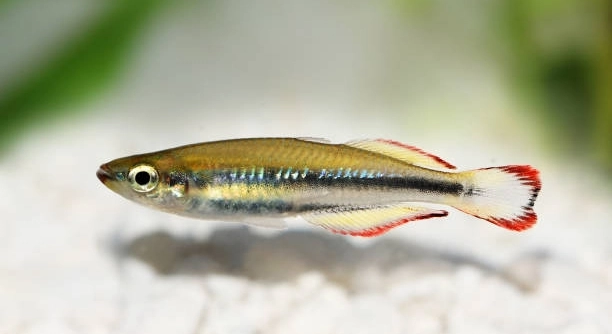
Have you ever noticed your rainbowfish swimming in the same corner of the tank, as if it has a favorite spot to rest or explore? Many owners find themselves observing this behavior and wondering about its meaning.
Rainbowfish can develop preferences for specific areas within their tank. This behavior is often linked to factors such as light, shelter, temperature, and comfort. Consistent patterns in their movement indicate attachment rather than random swimming, reflecting environmental and social influences.
Learning about their habits can improve tank setups and enhance the overall well-being of your rainbowfish. Observing these small behaviors reveals more about their natural tendencies and daily routines.
Why Rainbowfish Choose Certain Spots
Rainbowfish often pick specific areas in the tank because of comfort and safety. They may prefer spots near plants, rocks, or decorations that offer hiding spaces or shelter from bright light. Water flow also plays a role, as calmer areas allow easier swimming and resting. Tank temperature can influence their choices too. Rainbowfish are sensitive to changes in environment, so a familiar spot becomes their preferred area. Observing these patterns over time shows that attachment is not random. Social behavior also matters; fish often cluster near tank mates or in areas where they feel least stressed. Feeding routines can influence location as well. Areas near food sources or where other fish gather become favored spots. Even minor differences in lighting, water current, or substrate type can make a significant impact. Recognizing these preferences helps create a tank environment that supports their natural behavior, comfort, and overall health.
Their attachment to a spot often reflects both environmental factors and their personal comfort preferences.
Spot attachment can affect behavior and interactions, influencing how rainbowfish move, rest, and socialize in the tank. Observing this can guide tank setup improvements.
How to Encourage Healthy Spot Preferences
Providing a variety of hiding places and gentle currents helps rainbowfish feel secure and content.
Creating a balanced tank setup requires understanding their habits. Place decorations strategically to mimic natural shelters while leaving open areas for swimming. Avoid overcrowding, as limited space can cause stress and disrupt their preferred spots. Regularly check water conditions and temperature, keeping them stable to maintain consistency in the areas they choose. Feeding in different locations can prevent territorial conflicts and encourage natural movement patterns. Lighting should simulate natural day and night cycles, allowing fish to select spots with preferred brightness levels. Observing interactions between tank mates helps identify favored zones and social groupings. Gradually introducing changes in tank layout allows them to adapt without stress. Recognizing these preferences and accommodating them supports healthier behavior, reduces aggression, and increases overall activity. Understanding why rainbowfish select certain spots empowers owners to create a more comfortable, stimulating environment that meets both physical and social needs of their fish.
Signs That Rainbowfish Are Attached to a Spot
Rainbowfish often hover in one area, rest near plants, or return repeatedly to the same hiding spots. These behaviors show comfort and familiarity with their environment, highlighting that certain locations in the tank meet their needs for security and routine.
Frequent visits to a single spot indicate that the fish feels safe there. You may notice them resting longer, swimming slowly, or interacting calmly with tank mates nearby. They may also circle around decorations or plants, demonstrating territorial familiarity rather than aggression. Spot attachment can reflect a combination of environmental comfort, social dynamics, and feeding routines. Observing these signs helps understand their behavior and ensures the tank layout supports their preferences. Regularly monitoring these patterns allows you to adjust decorations, water flow, and feeding spots to maintain a balanced, stress-free habitat.
Spot attachment also influences how rainbowfish interact with one another. Fish that feel secure in their chosen area are more likely to show natural behaviors, such as schooling or exploring nearby areas. Providing consistent conditions encourages them to maintain these habits, improving overall well-being and stability within the tank. By recognizing these attachments, owners can create a more supportive environment that meets both social and environmental needs.
Tips for Supporting Spot Preferences
Adjusting tank features can make favored spots more comfortable and appealing for rainbowfish.
Adding plants, rocks, or gentle currents helps fish feel secure and encourages them to spend time in preferred areas. Proper placement of hiding spaces, open swimming zones, and light sources balances activity and safety. Regularly checking water quality and maintaining stable conditions ensures spots remain attractive. Gradually changing tank layouts avoids stress, while rotating feeding locations prevents territorial disputes and encourages natural movement. Observing their behavior over time highlights preferred areas, helping owners tailor the environment to support healthy routines. Consistent care and mindful adjustments enhance comfort, social interactions, and overall activity, fostering a harmonious tank.
Common Spot Preferences
Rainbowfish often choose areas near plants, rocks, or gentle currents. These spots provide shelter, comfort, and a sense of security, helping them feel safe within their tank environment.
They may also favor areas with moderate lighting or close to feeding zones. Familiar spots reduce stress and support natural behavior, allowing them to settle comfortably.
Factors That Influence Spot Attachment
Water conditions, tank layout, and social interactions all play a role in where rainbowfish spend their time. Stable temperature, consistent lighting, and the presence of hiding places encourage them to attach to specific areas. Stressful conditions, overcrowding, or sudden changes can disrupt these preferences and affect their well-being. Observing their behavior over time reveals patterns in their movements and helps identify which areas they consider safe. Spot attachment is influenced by a mix of environmental comfort, routine, and interactions with other fish, showing that their choices are not random but a reflection of their needs. Maintaining consistent conditions ensures they continue to feel secure in their selected spots, promoting calm behavior and natural activity.
Observing Daily Behavior
Noticing where rainbowfish spend most of their time helps in planning tank arrangements and improving their overall comfort.
FAQ
Do rainbowfish get attached to specific spots in the tank?
Yes, rainbowfish can become attached to certain areas in the tank. This attachment usually occurs because the spot offers comfort, shelter, or a preferred light level. Fish feel safer when they have familiar surroundings and may return repeatedly to the same area. Plants, rocks, and gentle currents can make a spot more appealing. Their attachment is a natural behavior that helps them reduce stress and maintain a sense of security. Observing which spots they prefer helps in arranging the tank to suit their needs.
Why do rainbowfish prefer spots near decorations or plants?
Rainbowfish favor spots near plants or decorations because these provide hiding spaces and shelter. Being close to cover makes them feel safe from perceived threats. Plants also help diffuse light and create calmer areas with slower water flow. Decorations mimic natural environments, allowing fish to exhibit instinctive behaviors. By offering varied hiding spots, owners can reduce stress and encourage natural activity. Fish that feel secure near these areas are less likely to show aggression or erratic swimming patterns. Their preference highlights the importance of thoughtful tank design for their well-being.
Can tank conditions affect their attachment to a spot?
Yes, tank conditions significantly influence where rainbowfish choose to stay. Water temperature, lighting, and flow patterns all play a role. Stable conditions encourage them to settle in familiar spots, while sudden changes can disrupt behavior. Overcrowding or poor water quality may push them away from favored areas. By keeping water clean, maintaining proper temperature, and providing gentle currents, owners can help rainbowfish feel comfortable and attached to specific areas. Monitoring these conditions regularly ensures their attachment remains consistent and supports healthy behavior.
Does social interaction affect spot preference?
Rainbowfish are social animals, and their preferred areas are often influenced by other fish. They may gather near tank mates for security or avoid areas dominated by more aggressive individuals. Spot attachment can reflect both personal comfort and social dynamics. Observing how fish interact around specific spots can reveal which areas are preferred for safety and activity. Providing multiple appealing spots reduces conflict and supports natural schooling behavior. This balance ensures all fish feel secure, encouraging healthy interactions without forcing them into stressful environments.
Will rainbowfish ignore other areas of the tank if they are attached to one spot?
While rainbowfish may show a strong preference for a particular spot, they still explore other areas. Attachment does not mean they completely avoid the rest of the tank. They may swim around for feeding, socializing, or exercising but often return to their favorite areas for rest or security. Ensuring that the entire tank provides suitable conditions encourages movement while still respecting their chosen spots. Spot attachment is a sign of comfort rather than territorial restriction.
How can I encourage healthy spot attachment?
To encourage healthy attachment, provide a variety of hiding spots, stable water conditions, and consistent lighting. Plants, rocks, and gentle currents make areas more attractive. Feeding in different locations prevents stress and supports natural exploration. Observing behavior over time allows adjustments to the tank layout that match their preferences. Avoid sudden changes in decorations or water flow, as these can disrupt established attachments. Gradual changes and consistent care help rainbowfish feel secure and maintain healthy spot preferences.
Is it normal for rainbowfish to change their favorite spot?
Yes, it is normal. Changes in tank conditions, light, or social dynamics can cause rainbowfish to shift their preferred area. They may explore new spots if a current location becomes uncomfortable or if a new hiding place is added. Spot attachment is flexible, reflecting environmental comfort rather than rigid territorial behavior. Observing these changes provides insight into their needs and helps adjust the tank to maintain overall comfort and security.
Can multiple rainbowfish have favorite spots without conflict?
Yes, multiple rainbowfish can have favorite spots without causing conflict, especially in a well-planned tank. Providing multiple hiding areas, open swimming space, and consistent water conditions reduces competition. Fish often establish personal zones within the tank, and clear space prevents stress. Monitoring interactions ensures no fish is consistently excluded from desirable areas. Creating a balanced environment supports peaceful coexistence and allows each rainbowfish to maintain its preferred spot comfortably.
How long does it take for rainbowfish to attach to a spot?
Rainbowfish typically attach to a spot within a few days to a couple of weeks. Initial exploration helps them assess comfort, safety, and social dynamics. Once a spot meets their needs, they return frequently and show calmer behavior there. Consistent tank conditions and stable environmental features accelerate this process. Patience and observation during the first weeks are important to understand their preferences and make any necessary adjustments to the tank layout.
Does spot attachment indicate health or stress?
Spot attachment generally indicates comfort rather than stress. Fish tend to choose areas that feel safe and allow rest, hiding, or calm social interaction. However, sudden or extreme attachment to one spot combined with lethargy or lack of movement could signal stress or health issues. Regular observation helps distinguish normal preference from potential problems. Providing suitable conditions and monitoring behavior ensures attachment reflects comfort and supports healthy activity.
Can spot attachment change with age or growth?
Yes, as rainbowfish grow or mature, their preferred spots may change. Larger size may require more space or different shelter, and social dynamics within the tank can shift over time. Older fish may favor calmer areas with less competition, while younger fish explore more actively. Understanding these changes helps maintain a suitable environment for all life stages, ensuring ongoing comfort and security.
Are certain spots more beneficial for feeding behavior?
Yes, spots near feeding areas can become preferred because food availability attracts fish. Placing feeding stations near plants or rocks combines security with access to nourishment. Rotating feeding spots prevents territorial disputes and encourages natural swimming patterns. By observing which areas attract fish during feeding, owners can optimize placement for both comfort and efficient feeding routines. Properly combining food access with safety promotes healthy behavior and reduces stress during meals.
How does lighting affect spot selection?
Rainbowfish often prefer moderate lighting. Bright spots may cause stress, while shaded areas provide comfort and shelter. Adjustable lighting can help balance visibility and safety. Plants and decorations that diffuse light create appealing zones. Consistent day-night cycles support natural rhythms and reinforce preferred spots. Observing which areas they frequent under different lighting conditions helps optimize tank setup.
Can I rearrange the tank without upsetting their spot attachment?
Yes, but it should be done gradually. Sudden changes can cause stress and temporarily disrupt attachment. Move decorations slowly or introduce new hiding spaces step by step. This allows rainbowfish to explore and select new favorite spots without feeling unsafe. Maintaining stable water conditions during rearrangement helps them adapt quickly. Gradual adjustments prevent stress while keeping the tank environment stimulating and secure.
Does spot attachment vary between individual rainbowfish?
Absolutely. Each rainbowfish may have different preferences based on temperament, size, and past experiences. Some may prefer high-traffic areas, while others seek quiet corners. Observing individual behavior helps tailor tank arrangements to accommodate everyone. Providing multiple appealing zones ensures all fish can establish comfortable spots. Recognizing these differences promotes harmony and reduces stress in the tank.
Can stress or illness change their preferred spot?
Yes. A sick or stressed rainbowfish may retreat to a secluded area or avoid its usual favorite spot. Spot changes can indicate discomfort, water issues, or health problems. Monitoring unusual behavior alongside environmental factors helps identify potential issues early. Adjusting conditions and providing quiet, secure zones can aid recovery and restore normal attachment behavior.
How important is tank size for spot attachment?
Tank size directly affects spot preference. Larger tanks offer more options for hiding, swimming, and social interactions, allowing fish to establish personal areas. Small tanks can limit choices, increasing stress and competition. Ensuring adequate space supports natural behavior and allows multiple rainbowfish to maintain distinct, comfortable spots without conflict.
Can spot attachment improve overall tank harmony?
Yes. When rainbowfish have comfortable spots, they are calmer, interact better, and show natural swimming patterns. Predictable behavior reduces aggression and stress. Providing multiple appealing areas allows fish to coexist peacefully, supporting both individual comfort and overall tank harmony. Observing and respecting their preferences ensures a stable and enjoyable environment for all.
How can I monitor spot attachment effectively?
Regular observation is key. Note where rainbowfish spend most of their time, how they interact with tank mates, and if their favorite areas shift. Recording these patterns helps identify comfort zones and assess tank conditions. Monitoring also highlights potential stress, aggression, or health concerns early, allowing timely adjustments to maintain secure, preferred spots for each fish.
What is the role of routine in spot attachment?
Routine reinforces attachment. Consistent feeding times, stable lighting, and predictable tank maintenance help rainbowfish feel secure. Familiar patterns allow them to return confidently to preferred spots. Sudden changes in schedule or layout can disrupt this behavior, so maintaining routine supports comfort, healthy activity, and natural social interactions.
Can I use spot attachment to improve tank design?
Yes. Observing preferred areas helps decide where to place plants, rocks, and decorations. This ensures high-traffic spots are comfortable and low-traffic areas offer quiet shelter. By arranging the tank according to fish behavior, owners can enhance security, reduce stress, and promote natural swimming and social patterns. Spot attachment provides valuable insight for practical tank design decisions.
Does water flow influence preferred spots?
Yes, gentle water currents attract rainbowfish, while strong currents may push them to calmer areas. They often choose spots with moderate flow that allow easy swimming and resting. Adjusting pumps or filters to create varied flow zones supports spot attachment and helps fish maintain comfort while staying active.
Are there seasonal or environmental changes that affect attachment?
Seasonal variations in room temperature, light, or feeding schedules can influence spot preference. Rainbowfish may shift their favored areas to adjust to slight environmental changes. Maintaining consistent tank conditions minimizes stress and helps preserve established attachments while accommodating minor seasonal differences.
Can spot attachment indicate personality traits?
Yes. Some rainbowfish are bolder and explore multiple areas, while shy individuals stick to safe, familiar spots. Observing these tendencies helps understand temperament, social behavior, and interaction patterns. Providing options for both types ensures all fish can establish comfort zones according to their personality.
How do I balance multiple fish with overlapping preferred spots?
Provide multiple hiding areas and open swimming spaces to reduce conflict. Rotating feeding stations and distributing decorations evenly helps accommodate all fish. Observing interactions allows adjustments to layout, ensuring each fish has access to secure spots. Proper space management promotes harmony while respecting individual preferences.
Can children or pets affect spot attachment?
Yes, external disturbances such as vibrations, tapping, or sudden movement near the tank can make fish retreat from their preferred areas. Keeping the environment calm and consistent ensures they remain attached to favored spots without stress or disruption.
Rainbowfish are fascinating creatures that often show clear preferences for certain areas in their tank. Observing where they spend most of their time can give valuable insight into their comfort and well-being. Spot attachment is not random but a reflection of their need for security, shelter, and routine. Many rainbowfish favor areas near plants, rocks, or decorations that offer protection and reduce stress. Even subtle factors, such as gentle currents, light levels, or feeding locations, can influence which areas they prefer. Understanding these preferences allows tank owners to create an environment that supports both natural behavior and overall health. By watching patterns over time, it becomes easier to recognize which spots are most important to them and why they return to the same areas consistently.
Maintaining stable tank conditions is key to supporting rainbowfish spot attachment. Water temperature, flow, and quality all play a role in whether fish feel comfortable in certain areas. Sudden changes in temperature or lighting can disrupt their routine and cause stress, while consistent care encourages them to settle confidently in preferred spots. Social interactions also affect where they spend their time. Rainbowfish may gather near tank mates for safety or avoid areas dominated by more aggressive individuals. Providing multiple hiding spots and open swimming spaces ensures all fish have access to safe areas and helps reduce conflict. Feeding routines should be balanced, with food placed in different areas to prevent territorial disputes. These careful adjustments help rainbowfish maintain secure spots while encouraging natural activity and healthy movement throughout the tank.
Spot attachment reflects the personality, comfort, and daily habits of rainbowfish. Some may prefer quiet corners, while others are bolder and explore more frequently. Recognizing individual preferences allows owners to tailor tank layouts to suit the needs of each fish. Over time, observing which areas are consistently favored can help identify potential stressors or health concerns. Adjusting decorations, water flow, and lighting in response to these observations can enhance overall well-being and create a more stable, comfortable environment. Supporting their attachment to specific areas encourages calm, confident behavior, improves social interactions, and allows fish to exhibit natural habits. Paying attention to these details ensures that rainbowfish not only thrive physically but also feel secure and content within their home.

Hello,
If you enjoy the content that we create, please consider saying a "Thank You!" by leaving a tip.
Every little bit helps us continue crafting quality advice that supports the health, happiness, and well-being of pets around the world, for pets of all shapes, sizes, and species.
We really appreciate the kindness and support that you show us!