
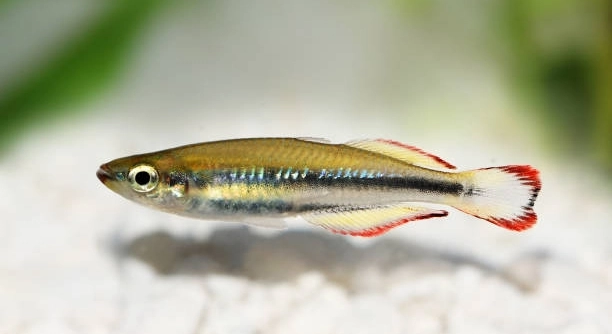
Rainbowfish are small, colorful freshwater fish that are popular among beginners. Their bright colors and peaceful nature make them a great addition to home aquariums for anyone looking to start a simple fish-keeping hobby.
Proper care for rainbowfish requires attention to water quality, temperature, diet, tank size, and social environment. Maintaining stable conditions, providing a balanced diet, and ensuring adequate space helps promote their health, vibrant colors, and long-term survival in captivity.
Learning how to care for these fish properly can make your aquarium more enjoyable and ensure your rainbowfish thrive in a healthy environment.
Choosing the Right Tank
Setting up the proper tank is the first step in keeping rainbowfish healthy. A tank of at least 20 gallons is recommended for a small group, as these fish are active swimmers and need space. The shape of the tank should allow horizontal swimming and include open areas as well as plants for hiding. Gravel or sand can be used at the bottom, but it should be easy to clean. Installing a reliable filter is essential to maintain water clarity and prevent the buildup of harmful substances. Heaters may be needed to keep the temperature steady between 74 and 78°F. Lighting should mimic natural daylight cycles to help maintain their bright colors. Decorations like driftwood or rocks provide interest but should not overcrowd the tank. Regular monitoring of water quality, including pH and ammonia levels, is vital. A balanced environment reduces stress and prevents common illnesses that affect rainbowfish.
Proper tank setup ensures rainbowfish have enough space and clean water to thrive.
Having the right tank conditions makes a noticeable difference in their activity, color, and overall behavior. Consistent maintenance and observation will help you spot any issues early and allow your fish to live in a stable, healthy environment. Over time, the right combination of space, filtration, and decorations will create an inviting habitat where rainbowfish can swim freely and display their natural beauty. Adjusting lighting and maintaining the temperature also supports their immune system and reduces the chance of disease. When plants are included, they not only provide hiding spots but also contribute to water quality by absorbing some nitrates. By carefully planning the tank setup, you create a comfortable space that encourages natural behavior, supports growth, and enhances the visual appeal of your aquarium. Each small detail in the tank design contributes to a healthier, happier fish population.
Feeding Your Rainbowfish
Rainbowfish require a varied diet to stay healthy and colorful.
High-quality flake food or pellets should form the base of their diet.
Offering a mixture of live or frozen foods, such as brine shrimp, daphnia, or bloodworms, supplements their diet and provides necessary protein. Feeding small amounts two to three times daily prevents overfeeding and maintains water quality. Vegetables like blanched spinach or zucchini can be added occasionally to provide fiber and nutrients. Variety in diet supports vibrant colors, strong immune systems, and active behavior. Observing how your fish respond to different foods helps identify preferences and ensures all fish receive proper nutrition. Avoid sudden changes in diet, as rainbowfish can be sensitive. A consistent feeding routine promotes growth and energy levels. Over time, a balanced diet will help your fish develop brighter colors and reduce susceptibility to common diseases. Small dietary adjustments can make a big difference in long-term health, making attention to their meals an important part of care.
Water Quality Management
Regular water changes are essential for rainbowfish health.
Maintaining clean water helps prevent disease and supports strong immune systems. Test water weekly for ammonia, nitrite, and nitrate levels. Keeping pH between 6.8 and 7.5 and temperature stable around 74-78°F creates a healthy environment. Using a reliable filter and performing partial water changes of 20-25% weekly keeps toxins low and water clear. Avoid overcrowding, as too many fish can quickly degrade water quality. Observing fish behavior also indicates water health, since lethargy or discoloration can signal poor conditions. Consistency in water care is critical for long-term success and fish vitality.
Cleaning the tank regularly, along with monitoring chemical levels, ensures your rainbowfish remain active and colorful.
Water quality affects more than health—it influences growth, color, and activity levels. Filtration removes waste, while aeration supports oxygen levels. Maintaining proper parameters prevents stress, which can lead to disease or weakened immune responses. Small changes, like partial water changes or adjusting pH gradually, help maintain stability. Live plants can assist in absorbing nitrates, further improving water conditions. A stable, clean environment allows rainbowfish to display natural behavior, interact socially, and thrive. Over time, careful water management reduces unexpected problems and creates a more vibrant tank ecosystem. Consistent observation ensures any issues are addressed early, preserving both fish health and enjoyment of your aquarium.
Social Behavior and Grouping
Rainbowfish are naturally social and do best in groups.
A minimum of six fish is recommended to encourage natural schooling behavior.
Keeping rainbowfish in groups reduces stress and promotes active swimming. Solitary fish can become timid and lose color, while small groups feel more secure and display natural behavior. Mixing species is possible, but avoid aggressive or overly large fish that may intimidate or harm them. Observing interactions helps ensure all fish are thriving and none are being bullied. Grouping also enhances their visual appeal, as coordinated swimming highlights their colors and patterns. Providing hiding spaces prevents dominance issues and allows shy fish to retreat safely. Over time, a well-balanced group promotes harmony and a more engaging tank environment.
Tank Decorations and Hiding Spots
Adding plants and decorations provides comfort and security for rainbowfish.
Live or artificial plants, rocks, and driftwood create hiding spots. These elements reduce stress and give fish places to explore. Avoid overcrowding the tank, leaving open swimming areas for active movement.
Maintaining Stable Temperature
Use a reliable heater to keep water temperature steady.
Fluctuating temperatures can stress rainbowfish and make them more prone to disease. A thermometer helps monitor conditions accurately. Keep temperature between 74 and 78°F for optimal health and activity.
Monitoring Health Signs
Watch for changes in behavior, appetite, or color.
Early detection of illness allows prompt action. Lethargy, clamped fins, or faded colors often indicate water issues or infection. Addressing problems quickly improves recovery chances.
Cleaning and Maintenance
Regular tank maintenance prevents disease buildup.
Perform weekly partial water changes, clean filters, and remove leftover food. Consistent upkeep ensures a healthy, stable environment that supports vibrant, active rainbowfish.
FAQ
How often should I feed my rainbowfish?
Rainbowfish should be fed small amounts two to three times a day. Overfeeding can lead to poor water quality and obesity, while underfeeding may affect their growth and color. A mix of high-quality flakes or pellets, supplemented with live or frozen foods, provides balanced nutrition. Vegetables like blanched spinach or zucchini can be offered occasionally to add fiber and variety. Monitoring how your fish respond helps ensure each one gets enough food. Consistency in feeding times and amounts keeps rainbowfish healthy and active, supporting their bright colors and natural behavior.
What is the ideal tank size for rainbowfish?
A minimum of 20 gallons is recommended for a small group of rainbowfish. Larger tanks are better for active swimming and social behavior. The tank should provide both open swimming areas and places to hide with plants, rocks, or driftwood. Overcrowding can increase stress, reduce water quality, and make disease more likely. A wider tank is preferable to a taller one since rainbowfish swim horizontally. Using a reliable filter and maintaining regular water changes helps preserve water quality in any tank size.
Can rainbowfish live with other fish?
Rainbowfish are generally peaceful and can coexist with other non-aggressive species. Avoid keeping them with large or territorial fish that may bully or harm them. Good tank mates include tetras, danios, or small peaceful bottom dwellers. Observing interactions is important to ensure harmony. Providing hiding spots and plants helps reduce stress and allows shy fish to retreat safely. Maintaining a balanced social environment encourages natural behavior and supports their overall health.
How do I prevent disease in my rainbowfish?
Maintaining clean water and stable conditions is key. Regularly test for ammonia, nitrites, nitrates, and pH levels. Avoid sudden temperature changes and overfeeding, which can increase stress and vulnerability to illness. Quarantining new fish before adding them to the main tank helps prevent introducing disease. Observe fish daily for changes in behavior, appetite, or color. Promptly addressing any signs of illness and performing proper tank maintenance reduces the risk of infections. A balanced diet also strengthens their immune system, helping rainbowfish resist common diseases.
What water conditions are best for rainbowfish?
Rainbowfish thrive in water with a pH between 6.8 and 7.5, a temperature of 74–78°F, and moderate hardness. Stability is more important than hitting exact numbers. Sudden fluctuations can stress the fish and reduce immunity. Filtration and regular water changes help maintain chemical balance and clarity. Adding live plants can absorb nitrates and contribute to a stable environment. Aeration supports oxygen levels, ensuring fish remain active and healthy. Consistently monitoring and adjusting water conditions creates a reliable habitat for long-term survival.
How do I encourage rainbowfish to breed?
Provide a well-maintained tank with slightly warmer water and dense plant coverage or spawning mops. Feed high-protein foods such as live or frozen brine shrimp to condition the fish. Separate males and females for a short period to encourage breeding readiness. Once spawning occurs, remove adults or provide ample hiding spots for fry, as adults may eat eggs. Maintaining stable water quality and temperature supports successful reproduction. Regular observation ensures eggs and fry remain safe while growing in the tank.
Why are my rainbowfish losing color?
Faded colors often indicate stress, poor diet, or suboptimal water conditions. Check water parameters and temperature stability first. Ensure the fish receive a balanced diet rich in proteins and carotenoids to enhance natural coloration. Social stress from aggressive tank mates or overcrowding can also cause color loss. Adding plants or hiding spaces reduces stress. Addressing environmental factors and maintaining consistent feeding routines typically restores vibrancy over time.
How can I tell if my rainbowfish is stressed?
Signs of stress include clamped fins, lethargy, hiding, loss of appetite, and faded colors. Poor water quality, aggressive tank mates, overcrowding, and sudden changes in temperature can trigger stress. Observing behavior closely helps identify potential problems early. Providing a stable environment with adequate space, hiding spots, and proper nutrition minimizes stress, helping rainbowfish remain healthy and active.
What is the best filtration system for rainbowfish tanks?
A moderate-flow filter that maintains water clarity without creating strong currents is ideal. Rainbowfish prefer calm swimming areas but benefit from well-oxygenated water. Filters that include mechanical, biological, and chemical media provide the most consistent water quality. Clean or replace filter media regularly to prevent clogs and maintain efficiency. Pairing filtration with weekly partial water changes ensures a healthy, stable environment for rainbowfish, supporting both their health and vibrant coloration.
How do I introduce new fish to a rainbowfish tank?
Quarantine new fish in a separate tank for at least two weeks to prevent disease introduction. Gradually acclimate them to the main tank’s temperature and water chemistry. Observe behavior closely during the first days of introduction. Ensure there are enough hiding spots to reduce stress. Slow, careful integration helps maintain harmony and prevents unnecessary aggression.
This FAQ section provides guidance for maintaining healthy rainbowfish, addressing common concerns about diet, tank setup, water quality, breeding, and stress management to ensure long-term well-being.
Word count: 509
Rainbowfish are colorful, active, and generally easy to care for, making them an excellent choice for beginners. By providing a well-maintained tank, proper diet, and stable water conditions, you can create an environment where these fish thrive. Attention to their social needs is equally important, as rainbowfish are schooling fish that display their natural behavior when kept in groups. Observing their interactions, ensuring adequate space, and offering hiding spots allows them to feel secure and reduces stress. Their bright colors, active swimming patterns, and peaceful nature make them a rewarding addition to any home aquarium. Proper care involves both daily observation and regular maintenance, but the effort pays off in healthy, vibrant fish that enhance the visual appeal of your tank. Understanding their basic needs helps prevent common problems like stress, disease, and color loss. With consistent care and attention to detail, rainbowfish can live long, healthy lives, providing enjoyment and a sense of accomplishment for anyone keeping them.
Maintaining a stable environment is critical for rainbowfish health. Clean water, reliable filtration, and proper temperature regulation are essential for preventing illness and supporting growth. Regular water changes, careful monitoring of chemical levels, and attention to temperature fluctuations all contribute to a stable, low-stress habitat. Overcrowding should be avoided, as it can quickly degrade water quality and increase aggression among fish. Providing a balanced diet is equally important, as nutrition affects both color and overall vitality. A mix of high-quality flakes or pellets along with occasional live or frozen foods ensures fish receive the protein and nutrients they need. Vegetables such as blanched spinach or zucchini can be offered occasionally for variety. Monitoring feeding routines and observing fish for signs of overfeeding or underfeeding helps maintain optimal health. Small adjustments in tank conditions or diet often have a significant effect on the well-being and appearance of your rainbowfish. Overall, attention to these details creates an environment where fish can display their natural behaviors and maintain their vibrant colors.
Caring for rainbowfish is not only about meeting their physical needs but also about understanding their behavior and preferences. Providing an environment that combines open swimming areas with plants and hiding spots helps them feel secure and encourages natural social interactions. Healthy rainbowfish are active, curious, and display bright coloration, which reflects both good water conditions and proper nutrition. Regular observation allows you to notice changes in behavior, appetite, or appearance that may indicate stress or illness. Addressing issues promptly reduces risks and supports long-term health. These fish respond well to consistency, whether it is in feeding schedules, water quality maintenance, or tank setup. Over time, the effort put into maintaining their environment pays off with lively, visually striking fish that enhance the aquarium. Rainbowfish care is manageable when approached methodically, and even small improvements in their habitat can make a significant difference. By committing to consistent care and observing their needs closely, you ensure that your rainbowfish remain healthy, active, and visually vibrant, making your aquarium a more engaging and rewarding space.
Word count: 409

Hello,
If you enjoy the content that we create, please consider saying a "Thank You!" by leaving a tip.
Every little bit helps us continue crafting quality advice that supports the health, happiness, and well-being of pets around the world, for pets of all shapes, sizes, and species.
We really appreciate the kindness and support that you show us!