
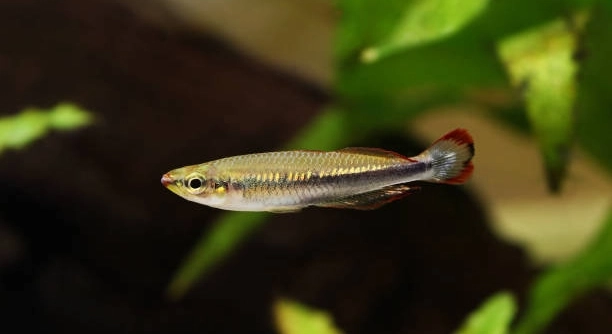
Rainbowfish are colorful and lively additions to any freshwater aquarium. Observing their natural behaviors can be enjoyable, especially when they begin to show signs of readiness to reproduce and expand your fish population.
Breeding in rainbowfish is primarily triggered by environmental and physiological factors. Key triggers include water temperature, lighting cycles, diet quality, social interactions, seasonal changes, and proper habitat conditions that support courtship and spawning behaviors in these fish.
Knowing what sparks reproduction can help you create the best environment for healthy, thriving rainbowfish. These simple steps ensure your fish remain active and successfully reproduce in captivity.
Water Temperature
Rainbowfish respond strongly to water temperature when it comes to breeding. Slightly warmer water, typically around 78–82°F, encourages reproductive behavior. Gradually increasing the temperature by a few degrees can mimic natural seasonal changes and stimulate spawning. Maintaining stable conditions is important, as sudden shifts may stress the fish and delay breeding. Tank heaters and accurate thermometers help keep the temperature consistent. Proper circulation and aeration also ensure oxygen levels remain optimal, supporting overall health. Observing the fish for active swimming, chasing, and color intensification can indicate readiness. Seasonal temperature changes in their natural habitat play a role in triggering courtship. By replicating these conditions, breeders can help the fish feel safe and ready to reproduce. Providing hiding spots and gentle plant cover further reduces stress, making the environment ideal for spawning. Temperature alone is not enough, but it works best when paired with good diet and lighting conditions.
Temperature affects rainbowfish breeding by signaling seasonal readiness, boosting metabolism, and encouraging courtship behaviors. Consistent warmth supports spawning and improves egg viability.
Monitoring temperature carefully helps ensure rainbowfish remain healthy and motivated to breed. Adjustments should be slow and controlled to avoid stress.
Lighting Cycles
Proper lighting encourages rainbowfish to spawn naturally. A steady schedule with around 10–12 hours of light per day mimics natural conditions and supports reproductive rhythms.
Lighting affects hormonal cycles in rainbowfish, influencing courtship and egg-laying behaviors. Consistent light periods signal to the fish that it is the right season to breed. Bright light can stimulate activity, making males display more vivid colors and perform mating dances, while females may become more receptive. Using timers ensures a predictable cycle, reducing stress and maintaining routine. Dimmer lights or shaded areas can provide comfort and privacy, which can also help shy fish participate in spawning. Adjusting light intensity gradually, rather than suddenly, avoids shocking the fish. Artificial light should complement natural daylight patterns if possible, creating a stable environment that supports all other breeding triggers. Balanced lighting, along with temperature and diet, forms a complete setup for encouraging rainbowfish reproduction in captivity.
Keeping a reliable light schedule makes a noticeable difference in rainbowfish readiness to reproduce. Observing changes in behavior under proper lighting confirms progress.
Diet Quality
A varied and nutrient-rich diet directly impacts rainbowfish breeding. Fresh live or frozen foods like brine shrimp and daphnia enhance coloration and energy levels, encouraging spawning behaviors.
High-quality nutrition ensures that rainbowfish have the energy and health required for reproduction. Feeding small portions multiple times a day helps maintain consistent energy without overfeeding. Protein-rich foods boost egg production in females, while healthy fats support stamina in males for courtship displays. Supplementing with vegetables or high-quality flakes provides essential vitamins, promoting overall vitality. Poor nutrition can delay breeding, reduce egg viability, and lead to stress or illness. Consistency in diet, combined with occasional live treats, enhances breeding readiness and improves the chances of successful spawning. Attention to feeding habits also allows observation of individual fish behavior, helping to identify which fish are actively preparing to spawn.
Balanced feeding increases activity levels, intensifies colors, and strengthens reproductive performance. Maintaining a proper diet is a simple yet essential trigger for successful breeding.
Social Interactions
Rainbowfish breeding is influenced by the social environment in the tank. Proper ratios of males to females prevent aggression and encourage natural courtship behaviors.
Social interactions play a crucial role in breeding success. Males displaying vibrant colors and chasing females indicate readiness, while females respond with receptivity when conditions are favorable. Too many males can lead to stress and dominance fights, reducing spawning activity, while too few may limit genetic diversity. Observing behavior allows adjustment of ratios, creating a harmonious community where all fish have space to perform natural courtship rituals. Providing hiding spots helps reduce tension and ensures females can avoid persistent males. Pairing compatible species together enhances breeding outcomes, while overcrowding or incompatible companions can severely limit reproductive success. Encouraging natural interactions allows rainbowfish to show authentic behaviors, increasing the likelihood of successful egg-laying.
Maintaining balanced social conditions helps rainbowfish feel secure and stimulated. Careful observation and thoughtful grouping promote consistent and healthy breeding behaviors.
Seasonal Changes
Seasonal shifts can influence rainbowfish breeding. Slight changes in temperature, daylight, and water flow mimic natural patterns, triggering reproductive instincts.
Rainbowfish often respond to simulated seasonal changes by increasing activity and courtship behaviors. Adjusting environmental conditions gradually helps replicate their natural cycles without causing stress.
Proper Habitat
A well-structured habitat encourages spawning. Plants, rocks, and hiding spaces provide security for females and laying sites for eggs. Open swimming areas allow males to display and chase females during courtship.
Water Quality
Maintaining clean, well-filtered water is essential for rainbowfish reproduction. High water quality reduces stress, supports health, and improves egg viability.
FAQ
How do I know if my rainbowfish are ready to breed?
Rainbowfish show several clear signs when ready to breed. Males display brighter, more vivid colors and chase females around the tank. Females may appear fuller in the abdomen as eggs develop. Active swimming, flaring fins, and frequent interaction with tank plants are also indicators of readiness.
What is the ideal male-to-female ratio for breeding?
A common and effective ratio is two or three females per male. This reduces stress on individual females and prevents aggressive chasing or dominance fights. Too many males can lead to injury or exhaustion for females, while too few may reduce courtship interactions and limit spawning success.
How often should I feed breeding rainbowfish?
Feeding small portions multiple times per day is ideal. High-protein foods like brine shrimp, daphnia, and finely chopped live or frozen foods improve energy, stamina, and egg production. Supplementing with quality flakes or pellets ensures vitamins and minerals for overall health and reproductive readiness.
Do I need to adjust the water temperature for breeding?
Yes, slightly warmer water encourages spawning behavior. Raising the temperature gradually to around 78–82°F replicates seasonal conditions that trigger reproduction. Stability is crucial—sudden changes can stress the fish and delay breeding, so use a reliable heater and thermometer to monitor conditions.
Can lighting affect breeding success?
Lighting has a direct impact on rainbowfish hormonal cycles. Maintaining 10–12 hours of consistent light per day encourages courtship and egg-laying. Bright light stimulates male color display, while shaded areas give females privacy. Using timers ensures routine and reduces stress from unpredictable changes.
How important is water quality for breeding?
Water quality is critical. Clean, well-filtered water minimizes stress and prevents diseases that can hinder reproduction. Regular water changes, careful monitoring of pH, and maintaining optimal hardness support egg development and fry survival. Poor water conditions can lead to unhealthy eggs or reduced spawning activity.
Should I provide hiding spots for my rainbowfish?
Yes, plants, rocks, and other hiding spaces are essential. Females need areas to escape persistent males, and males use open areas to perform courtship displays. Proper shelter reduces stress, encourages natural behavior, and increases the likelihood of successful egg-laying.
How long does it take for eggs to hatch?
Rainbowfish eggs usually hatch within 7–12 days, depending on temperature and water conditions. Warmer, stable water accelerates development, while cooler temperatures slow it down. Observing eggs daily helps track progress and ensures the environment remains suitable for fry survival.
Can I breed rainbowfish in a community tank?
It’s possible, but not ideal. Other fish may eat eggs or disturb courtship. A dedicated breeding tank with controlled conditions and proper hiding spots increases survival rates. Once eggs are laid, removing adults or placing them in a separate tank helps protect the fry.
What is the best way to raise fry?
Feed newly hatched fry with infusoria or specialized liquid fry food initially. As they grow, transition to newly hatched brine shrimp or finely crushed flakes. Maintain clean water with frequent small changes to prevent disease and ensure healthy growth. Keep the temperature stable for optimum development.
How do I prevent stress during breeding?
Minimize sudden changes in water, lighting, or temperature. Avoid overcrowding, provide adequate hiding spots, and feed high-quality foods regularly. Observing fish behavior closely allows adjustments to reduce stress and create a calm, supportive environment for spawning.
Can rainbowfish breed year-round?
In controlled conditions, yes. Stable temperature, proper lighting, good diet, and a stress-free environment allow rainbowfish to reproduce multiple times throughout the year. Replicating natural seasonal cues helps maintain consistent breeding behavior and healthy egg production.
How do I know if eggs are viable?
Healthy eggs appear clear or slightly golden, are firm, and stick to plants or substrate. Non-viable eggs turn white or cloudy and may develop fungus. Removing unfertilized eggs promptly prevents contamination and increases the survival rate of healthy eggs.
Are there specific plant types that help breeding?
Fine-leaved plants like Java moss or hornwort are excellent for egg-laying. They provide surfaces for eggs to stick to and create hiding spaces for fry once hatched. Dense plants reduce stress and mimic natural breeding habitats, improving reproductive success.
What common mistakes should I avoid?
Avoid sudden temperature changes, poor water quality, insufficient hiding spots, and overcrowding. Overfeeding or inconsistent feeding schedules can also affect breeding behavior. Proper preparation and attention to environmental and social conditions prevent these issues and improve overall success.
How long does it take for rainbowfish to reach sexual maturity?
Most rainbowfish reach sexual maturity between 6–12 months, depending on species and conditions. Healthy nutrition, clean water, and stable environmental factors support faster development. Younger fish are unlikely to breed successfully until fully mature.
Can stress stop rainbowfish from spawning?
Yes, stress can completely halt breeding. Aggressive tankmates, poor water quality, sudden environmental changes, or overcrowding can all inhibit courtship. Reducing stress through careful management of tank conditions and social dynamics is essential for successful reproduction.
Is it necessary to separate eggs from adults?
Separating eggs is highly recommended. Adults may eat eggs if left in the same tank. Using a breeding mop, dedicated breeding tank, or gentle transfer protects eggs and ensures higher survival rates for fry.
How long do rainbowfish live?
Rainbowfish generally live 5–8 years with proper care. Lifespan depends on species, diet, water quality, and stress levels. Healthy adults are more likely to breed successfully and produce viable offspring.
What are the best signs of successful breeding?
Successful breeding is indicated by active courtship, egg-laying on plants or substrate, and visible fry after the hatching period. Observing vibrant colors, chasing behavior, and healthy, developing eggs confirms that conditions are suitable and fish are reproducing effectively.
Can I use hormonal treatments to induce breeding?
Hormonal treatments are generally unnecessary if environmental, dietary, and social conditions are ideal. Natural triggers like temperature, lighting, and diet are sufficient to encourage breeding in most rainbowfish species. Treatments are only considered in controlled breeding programs.
How can I encourage shy or hesitant fish to breed?
Providing plenty of hiding spots, reducing aggressive tankmates, and ensuring stable water conditions helps shy fish feel secure. Gradually adjusting temperature and light to simulate natural seasonal changes can also stimulate hesitant fish to engage in courtship and spawning.
Are all rainbowfish species easy to breed?
Some species are easier to breed than others. Common species like Boesemani and Melanotaenia often spawn readily under proper conditions, while rarer species may require more precise environmental control and patience. Researching species-specific requirements improves breeding success.
What should I do if eggs do not hatch?
Check water temperature, quality, and conditions, as these strongly affect egg viability. Remove any fungus-infected eggs and ensure there is sufficient oxygen. Adjusting these factors can improve future egg hatching rates.
Can I keep multiple breeding pairs in one tank?
It’s possible with enough space and hiding spots, but overcrowding can increase stress, aggression, and competition. Monitoring interactions and providing adequate resources ensures that multiple pairs can breed without negatively impacting each other.
How quickly do fry grow?
Growth depends on diet and water quality. Under optimal conditions, fry develop quickly in the first few weeks, feeding on infusoria and gradually transitioning to larger foods. Consistent feeding and clean water accelerate healthy growth and reduce mortality.
Do rainbowfish lay eggs continuously or in batches?
Rainbowfish typically lay eggs in batches over several days or weeks. Males perform repeated courtship displays, and females deposit eggs gradually on plants or substrate. Monitoring daily helps track egg-laying activity and ensures eggs are protected for maximum survival.
Is it necessary to simulate rain or water flow?
Moderate water flow can mimic natural habitats, stimulating spawning behavior. Gentle circulation helps oxygenate eggs and encourages active swimming. Sudden strong currents should be avoided, as they may stress the fish or dislodge eggs prematurely.
What role does tank size play in breeding?
Adequate space reduces stress and allows males to display naturally. A larger tank provides more hiding spots for females and sufficient swimming areas for courtship. Crowded conditions often lead to aggression, inhibited breeding, and reduced egg viability.
How long does it take for rainbowfish to breed after environmental adjustments?
Behavioral changes can be noticed within days, but actual spawning may take 1–2 weeks. Consistent temperature, lighting, diet, and social conditions ensure the fish are comfortable and ready to reproduce. Patience is key for successful breeding.
Can I breed rainbowfish in tap water?
Tap water can be used if properly conditioned to remove chlorine, chloramines, and harmful metals. Testing and adjusting pH and hardness ensures water is suitable for breeding and supports healthy egg development.
Do rainbowfish prefer specific water hardness for breeding?
Moderate hardness is generally preferred. Extremely soft or hard water can affect egg fertilization and fry survival. Matching water parameters to natural habitats enhances breeding success and overall fish health.
Are there signs that breeding is not working?
Lack of courtship, dull colors, stress behaviors, or absence of egg-laying indicate unsuccessful breeding conditions. Adjusting environmental factors, diet, and social ratios usually resolves these issues and encourages spawning.
Can rainbowfish breed without plants?
While possible, plants improve success by providing surfaces for egg attachment and hiding places for fry. Bare tanks may reduce spawning behavior and increase egg predation risk. Mimicking natural environments with plants significantly improves outcomes.
How often should water be changed during breeding?
Frequent small water changes, typically 10–20% daily or every other day, maintain quality without stressing eggs or fry. Clean, oxygen-rich water supports healthy development and prevents disease outbreaks.
What are common signs of stress that prevent breeding?
Signs include lethargy, hiding constantly, loss of color, fin clamping, and erratic swimming. Observing these behaviors allows adjustments to reduce stress, improve comfort, and encourage reproductive activity.
Can temperature and lighting alone trigger breeding?
Temperature and lighting are major triggers, but they work best combined with diet, social environment, and water quality. Replicating natural seasonal conditions holistically produces the most reliable breeding response.
Are rainbowfish picky about tank mates during breeding?
Yes, aggressive or overly curious tank mates can stress rainbowfish, reduce spawning, and eat eggs. Peaceful, compatible species or a dedicated breeding tank ensures higher reproductive success.
How long do males display courtship behaviors?
Courtship behaviors can last for days or weeks before actual spawning occurs. Males continuously chase, flare fins, and display colors to attract receptive females. Adequate space and low stress enhance these behaviors.
Do environmental changes need to be gradual or sudden?
Gradual changes are essential. Sudden shifts in temperature, light, or water chemistry can stress fish, inhibit breeding, or lead to illness. Controlled adjustments replicate natural conditions and promote successful reproduction.
Can stress from handling prevent breeding?
Yes, frequent or rough handling can inhibit courtship and spawning. Minimizing disturbance, using careful observation methods, and avoiding unnecessary tank interventions support healthy breeding behavior.
Is it necessary to remove uneaten food during breeding?
Yes, leftover food can foul water and reduce quality, stressing fish and eggs. Removing uneaten food promptly helps maintain clean conditions, supports egg development, and ensures fry survival.
Do rainbowfish require seasonal fasting to trigger breeding?
Fasting is not required. Consistent, high-quality feeding is more effective in preparing fish for spawning. Nutrient-rich diets stimulate egg production and courtship behaviors better than temporary food restriction.
What is the best substrate for breeding?
Fine gravel or sand with plants is ideal. It provides egg attachment surfaces, prevents eggs from being buried, and reduces the risk of fungal infection. The substrate should allow natural behaviors without obstructing egg development.
How can I tell if fry are healthy?
Healthy fry are active, swim freely, and feed eagerly. They develop clear eyes, vibrant coloration, and steadily increase in size. Weak or lethargic fry indicate water quality or feeding issues that need immediate attention.
Can rainbowfish breed in small tanks?
Small tanks can be used but require careful management of water quality, space, and hiding spots. Limited space increases stress and reduces natural courtship behavior, so breeding success may be lower compared to larger, well-structured tanks.
Do rainbowfish lay eggs at specific times of day?
Spawning often occurs in the morning when light intensity increases. Providing consistent lighting schedules ensures predictable behaviors and supports daily reproductive routines. Observing during these times increases chances of spotting egg-laying activity.
What is the survival rate of rainbowfish fry?
Survival depends on water quality, diet, and protection from adults. With optimal conditions, most fry survive the first few critical weeks. Poor conditions, predation, or stress reduce survival significantly. Careful management improves long-term success.
Can breeding rainbowfish affect adult health?
If environmental conditions, diet, and stress are well-managed, adults remain healthy. Overcrowding, poor nutrition, or repeated unsuccessful spawning attempts can weaken adults. Providing proper care ensures both reproductive success and adult well-being.
Are there species-specific considerations for breeding?
Yes, each rainbowfish species may have unique preferences for temperature, water chemistry, and spawning sites. Researching species-specific needs ensures higher breeding success and reduces trial-and-error challenges.
How often should I observe breeding behavior?
Frequent observation helps track courtship, egg-laying, and fry development. Minimal disturbance is important, but monitoring allows timely adjustments to conditions, ensuring optimal success.
Can stress from other fish affect breeding?
Yes, aggressive or overly curious tank mates can prevent spawning, increase egg predation, and cause chronic stress. Separating breeding pairs or using a dedicated tank improves outcomes.
Is it normal for eggs to fall off plants?
Yes, some eggs may detach naturally. Providing dense plants or breeding mops reduces losses and offers additional surfaces for attachment, improving survival rates.
Do rainbowfish return to the same breeding spot?
They often prefer familiar, safe areas with plants or shelter. Maintaining consistent tank layout encourages repeated spawning in those locations and supports predictable reproductive behaviors.
How long should I keep adults in the breeding tank?
Keep adults until egg-laying is complete, then remove them to prevent egg predation. Continuous monitoring ensures eggs and fry remain safe while adults recover and remain healthy.
Can I use synthetic foods exclusively for breeding?
High-quality flakes or pellets can support breeding, but live or frozen foods are strongly recommended to enhance energy, coloration, and courtship activity. A mix of both is optimal.
Do rainbowfish show parental care?
No, rainbowfish do not care for their eggs or fry. Adults may eat eggs if left together, so separating eggs or using protective measures is necessary to ensure fry survival.
Is it necessary to quarantine new fish before breeding?
Yes, quarantining new fish prevents disease introduction, which can affect adult health and egg viability. A 2–4 week quarantine period helps ensure a safe and healthy breeding environment.
Can water pH affect breeding?
Yes, pH outside the preferred range can stress fish and reduce spawning activity. Slightly acidic to neutral water is preferred for most rainbowfish species. Monitoring and adjustments ensure optimal conditions.
What is the effect of overfeeding during breeding?
Overfeeding can foul water, increase stress, and reduce egg viability. Feeding small, controlled portions multiple times daily maintains health without compromising water quality or reproductive behavior.
Are temperature fluctuations necessary to trigger breeding?
Moderate, gradual fluctuations simulate seasonal changes and can stimulate spawning. Sudden extremes are harmful, but gentle variation encourages natural breeding responses.
Can rainbowfish breed in soft water?
Some species tolerate soft water, but moderate hardness generally improves egg fertilization and fry survival. Matching water to the species’ natural habitat is most effective.
How long should fry stay in the nursery tank?
Fry should remain in a protected nursery until large enough to swim freely and avoid predation. This usually takes several weeks, depending on species and growth rate.
Is frequent water testing necessary during breeding?
Yes, monitoring pH, temperature, hardness, and ammonia levels ensures stable, healthy conditions. Quick action prevents stress and increases spawning success.
Can breeding be done year-round?
With controlled temperature, lighting, and diet, rainbowfish can breed year-round. Replicating seasonal cues encourages consistent reproductive activity.
Do rainbowfish need flowing water for breeding?
Gentle circulation supports oxygenation and natural swimming behavior but strong currents can stress fish or dislodge eggs. Controlled flow is ideal.
What are the signs of successful fry growth?
Healthy fry are active, feed well, grow steadily, and show early coloration. Poor growth indicates environmental or dietary problems needing attention.
Can stress from water changes affect breeding?
Sudden, large water changes may stress fish. Small, frequent changes maintain water quality without disrupting spawning behavior.
Are there visual signs of fertilized eggs?
Fertilized eggs are usually clear or slightly golden and attach firmly. Unfertilized eggs turn white and may develop fungus, requiring removal.
How do I avoid egg fungus?
Maintaining clean water, removing unfertilized eggs, and providing gentle water flow reduce fungal growth. Some breeders use antifungal solutions cautiously if necessary.
Do rainbowfish breed better in groups or pairs?
Pairs in controlled conditions reduce stress, while small groups with proper ratios allow natural competition and selection. Both methods work with proper monitoring.
How long does spawning behavior last?
Spawning activity may continue for days, with males chasing and displaying repeatedly. Patience and stable conditions ensure successful egg-laying.
Can rainbowfish lay eggs on substrates other than plants?
Yes, they may use gravel, sand, or breeding mops. Plants remain preferred for attachment and protection of eggs.
Is supplemental oxygen helpful during breeding?
Yes, gentle aeration ensures eggs and fry receive enough oxygen, supporting development and reducing mortality.
Can temperature drops harm eggs?
Yes, sudden or prolonged drops can kill eggs or slow development. Stable warmth is critical for survival and timely hatching.
Do rainbowfish need separate tanks for each breeding pair?
Separate tanks are ideal for protecting eggs and fry from predation. Shared tanks require careful monitoring and sufficient space to prevent aggression.
What is the role of hiding spots in fry survival?
Hiding spots reduce predation and stress. Dense plants or artificial shelters give fry areas to avoid adults and increase overall survival rates.
How quickly should I feed fry after hatching?
Feed small, frequent meals of infusoria or liquid fry food immediately after hatching. Gradually transition to larger foods as they grow for optimal development.
**Are there any signs that adults are overbred?
Breeding rainbowfish can be a rewarding experience, but it requires careful attention to multiple factors. Water temperature, lighting, diet, and social conditions all play a role in encouraging spawning behavior. Maintaining a stable environment helps the fish feel secure, reduces stress, and supports natural reproductive instincts. Sudden changes or neglect in these areas can delay breeding or negatively affect the health of both adults and eggs. Observing the fish closely and noting their behaviors allows for timely adjustments to conditions, improving the chances of successful reproduction. It is important to remember that rainbowfish respond to subtle environmental cues, so small improvements in care can make a significant difference.
Creating an appropriate habitat is another key element. Providing plants, rocks, and hiding spots allows females to avoid persistent males and gives fry places to hide once hatched. Open swimming areas let males display courtship behaviors naturally, while dense planting supports egg attachment and reduces the risk of predation. Water quality must also be closely monitored, with frequent changes and filtration to maintain oxygen levels and prevent the buildup of harmful substances. Proper substrate, gentle water flow, and controlled lighting schedules replicate the conditions these fish experience in their natural environment. Combining all of these factors ensures that both adults and fry remain healthy and that the breeding process proceeds smoothly.
Patience and consistency are essential throughout the breeding process. Rainbowfish may take days or even weeks to begin spawning after environmental adjustments, and careful observation during this time is critical. Providing a high-quality diet, stable water conditions, and balanced social groups ensures that the fish are in optimal condition for reproduction. Protecting eggs and raising fry in a safe environment with suitable food and water quality promotes healthy growth and development. By following these practices, breeding rainbowfish becomes a manageable and rewarding task, allowing the fish to thrive while producing healthy, vibrant offspring. Attention to detail, consistency, and understanding their natural behaviors are the most reliable ways to encourage successful breeding and maintain the long-term well-being of both adult fish and their fry.

Hello,
If you enjoy the content that we create, please consider saying a "Thank You!" by leaving a tip.
Every little bit helps us continue crafting quality advice that supports the health, happiness, and well-being of pets around the world, for pets of all shapes, sizes, and species.
We really appreciate the kindness and support that you show us!