
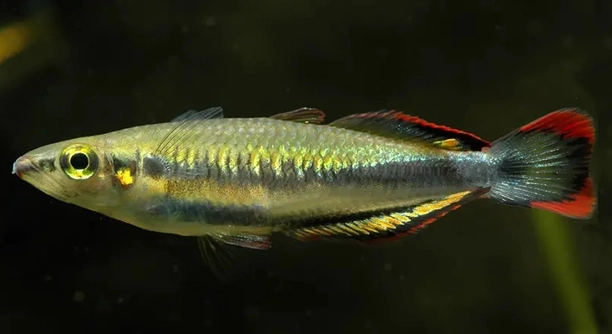
Are your rainbowfish showing signs of restlessness at night, making you wonder if they truly feel secure in their tank? Observing their nighttime behavior can provide valuable insights into their comfort and overall well-being.
Rainbowfish exhibit safety through calm swimming, staying close to familiar areas, and minimal hiding during nighttime hours. Consistent lighting cycles, proper tank environment, and absence of aggressive tank mates contribute to their sense of security and stress reduction.
Monitoring these behaviors can improve their habitat and promote a more peaceful night routine for your rainbowfish.
Recognizing Calm Nighttime Behavior
Rainbowfish that feel safe at night typically swim slowly and maintain a steady position in the tank. They often stay near familiar plants or decorations and rarely dart around in sudden bursts. Their fins remain relaxed, and they do not press against tank walls or corners. Calm, consistent movement is a key indicator that your fish are not stressed. Observing your rainbowfish for these signs over several nights can help you determine if their environment meets their comfort needs. In contrast, fish that hide constantly or hover near the bottom may be signaling discomfort or insecurity. Lighting levels also play a role; a dim, consistent light schedule can make fish feel more secure. Providing adequate hiding spots, gentle water flow, and compatible tank mates ensures that rainbowfish can rest without fear. Their nighttime behavior reflects both their physical and emotional well-being in the aquarium.
Monitoring nighttime activity gives you a clear picture of their safety and comfort.
Providing proper tank setup, consistent lighting, and careful observation ensures rainbowfish remain calm and healthy at night, reducing stress and promoting natural behavior.
Environmental Factors That Affect Safety
Proper water temperature, pH, and cleanliness are essential for rainbowfish to feel secure.
Maintaining a stable and well-balanced environment significantly impacts how rainbowfish behave at night. Temperature fluctuations or sudden changes in pH can create stress, causing them to hide or swim erratically. Regular water changes and filtration help maintain cleanliness and oxygen levels, which are critical for their comfort. Decorations such as plants, rocks, or caves provide shelter and a sense of security, allowing them to rest naturally. Aggressive or fast-moving tank mates can disrupt their nighttime routine, so compatibility is crucial. Observing your rainbowfish during feeding and low-activity hours helps you identify stress patterns and adjust the environment accordingly. Lighting schedules that mimic natural day and night cycles support their circadian rhythm and promote a sense of safety. By attending to these environmental factors consistently, you can ensure rainbowfish exhibit calm, healthy behavior at night and thrive in their tank setting.
Feeding and Nighttime Safety
Feeding schedules can affect how safe rainbowfish feel at night. Providing a consistent routine helps them relax and know when to expect food. Overfeeding or irregular feeding can increase stress and restlessness.
Rainbowfish are more likely to feel secure when they are fed appropriately during the day. Uneaten food can decay and reduce water quality, which causes stress at night. Feeding small portions at consistent times ensures they are not hungry or anxious when the lights go off. A stable feeding schedule also helps maintain their energy levels and natural activity patterns. Watching their behavior after feeding provides clues about their comfort and safety in the tank.
Avoid sudden changes in diet or feeding time. Rainbowfish need predictability in their routine to maintain calm behavior. Consistency in both diet and environment supports a sense of security and reduces nighttime agitation, helping them rest peacefully.
Signs of Stress to Watch For
Rapid swimming, frequent hiding, and clamped fins are key indicators of stress at night.
If rainbowfish display unusual aggression, hover near the tank surface, or refuse to explore, these are signs they feel unsafe. Stress can also manifest through color fading or loss of appetite. Stressful conditions may stem from water quality issues, sudden noise, aggressive tank mates, or improper lighting. Tracking patterns over several nights allows you to identify triggers and adjust the environment to reduce discomfort. Early recognition of stress helps prevent health problems and promotes long-term well-being.
By responding to these signs promptly, you can make adjustments that restore calm and security. Regular observation, environmental stability, and proper care contribute to a healthier, more relaxed tank. Creating a safe, predictable habitat allows rainbowfish to thrive and maintain natural behaviors.
Tank Lighting and Nighttime Comfort
Proper lighting helps rainbowfish feel secure at night. Gradual dimming instead of sudden darkness reduces stress and allows them to adjust naturally. Consistent light schedules mimic their natural environment.
Avoid keeping lights on too long or turning them off abruptly. Sudden changes can startle them and disturb their nighttime routine.
Choosing Safe Tank Decorations
Rounded rocks, smooth plants, and caves offer hiding spots without causing injury. Avoid sharp or rough decorations that could harm your rainbowfish.
Providing a mix of open swimming space and sheltered areas supports natural behavior. Decorations create safe zones where rainbowfish can rest without feeling threatened.
Water Flow Considerations
Gentle water movement helps rainbowfish feel secure. Strong currents may overwhelm them, leading to stress or hiding.
Monitoring Behavior Patterns
Observing their activity over time reveals if adjustments are needed. Consistent patterns indicate comfort, while erratic movements suggest discomfort.
FAQ
How can I tell if my rainbowfish is comfortable at night?
Comfortable rainbowfish swim calmly, explore their environment without hiding constantly, and maintain normal coloration. Their fins remain relaxed, and they often stay near familiar areas like plants or rocks. Consistent night behavior, including resting in the same areas and minimal erratic swimming, indicates they feel safe.
What signs indicate stress in rainbowfish at night?
Rapid swimming, frequent hiding, clamped fins, and faded colors are clear stress indicators. They may also refuse food or hover near the surface. Stress can result from water quality issues, aggressive tank mates, sudden noise, or improper lighting. Observing patterns over several nights helps identify the source.
Does tank lighting affect their sense of security?
Yes, gradual dimming of lights at night reduces stress and mimics natural conditions. Sudden darkness or bright lights can startle rainbowfish. A consistent day-night cycle helps maintain normal behavior and supports their circadian rhythm.
How do water conditions impact nighttime behavior?
Stable temperature, pH, and cleanliness are critical. Fluctuations in water parameters or poor filtration increase stress. Rainbowfish feel safe when the water environment is predictable and free from contaminants. Regular water changes and monitoring ensure comfort at night.
Do hiding spots help rainbowfish feel safe?
Absolutely. Plants, caves, and smooth rocks provide security. They allow rainbowfish to rest without fear of predators or aggressive tank mates. A balance of open swimming areas and sheltered zones promotes natural behavior.
Can feeding schedules influence nighttime comfort?
Yes. Feeding at consistent times with appropriate portions prevents hunger-related stress and promotes calm behavior. Overfeeding or irregular feeding can disturb their night routine, making them restless or anxious. Small, predictable meals support a secure environment.
Are tank mates important for nighttime safety?
Compatibility matters. Aggressive or fast-moving fish can intimidate rainbowfish, causing them to hide or act erratically. Peaceful, similarly sized tank mates create a calm environment, reducing nighttime stress and promoting natural rest behaviors.
How long should I observe their nighttime behavior?
Observing for several consecutive nights gives a clear picture of comfort levels. Note patterns in swimming, hiding, feeding response, and interactions. Consistency in behavior generally indicates a secure environment, while irregularity suggests adjustments may be needed.
What adjustments can improve their nighttime safety?
Check water quality, lighting, feeding, and tank mates first. Add hiding spots, maintain gentle water flow, and ensure stable environmental conditions. Small, consistent changes often have a big impact on their comfort and overall well-being.
Do rainbowfish ever feel unsafe even in a well-maintained tank?
Yes, unexpected loud noises, sudden movements near the tank, or temporary changes in lighting or water conditions can startle them. Maintaining predictability and minimizing disturbances supports ongoing safety and reduces nighttime anxiety.
How do I know if the tank environment is ideal?
Calm, predictable behavior, regular swimming patterns, healthy appetite, and vibrant colors indicate a well-maintained and secure habitat. Any deviations may signal the need for adjustments in care or environment.
Can nighttime observation help prevent health issues?
Definitely. Nighttime stress can affect feeding, immunity, and overall health. Regular observation allows early detection of discomfort or environmental problems, helping prevent illness and ensuring long-term well-being.
Is it normal for rainbowfish to move around at night?
Some movement is normal, especially near hiding spots or feeding areas. Constant erratic swimming or panic indicates stress. Balanced activity with periods of rest shows they feel safe and secure.
How often should I monitor their tank?
Daily checks on water conditions, tank mates, and overall behavior help maintain a stable environment. Observing both daytime and nighttime activity ensures rainbowfish feel safe and healthy consistently.
Can decorations alone make rainbowfish feel safe?
Decorations provide shelter and comfort, but alone they are not enough. Proper water conditions, lighting, feeding schedules, and compatible tank mates all contribute to a secure and stress-free environment.
Are there specific plants that improve nighttime safety?
Soft-leaved plants like Java fern, Anubias, or floating plants provide shelter without harming fins. Dense areas near the bottom or mid-level create natural hiding zones and help rainbowfish feel secure during rest periods.
How important is tank size for nighttime comfort?
A spacious tank allows adequate swimming and reduces competition among tank mates. Crowded conditions increase stress and limit hiding spaces. Sufficient space contributes to calm behavior and a greater sense of security at night.
Can nighttime behavior predict overall happiness?
Yes. Calm swimming, exploration, minimal hiding, and consistent interaction with the environment indicate overall well-being. Disruptions or stress signs suggest adjustments are necessary to improve their quality of life.
Should I use night lights in the tank?
Dim night lights can help you observe without startling the fish. Avoid bright lights, which can disturb sleep cycles. Soft, indirect lighting supports natural rest and allows you to monitor behavior safely.
What’s the best way to handle sudden stress events?
Minimize disturbances, maintain water stability, and ensure hiding spots are accessible. Avoid sudden handling or changing tank conditions abruptly. Calm, gradual adjustments help rainbowfish recover quickly from temporary stressors.
This FAQ provides detailed guidance on observing, maintaining, and improving the safety and comfort of rainbowfish at night, supporting their natural behavior and overall health.
Rainbowfish are sensitive creatures that respond to their environment in clear ways. Observing their nighttime behavior is an effective way to gauge how safe and comfortable they feel in their tank. Calm swimming, resting near familiar areas, and minimal hiding are signs that they feel secure. Consistent behavior over multiple nights indicates that the tank setup, lighting, and water conditions meet their needs. When rainbowfish appear restless, hide frequently, or show signs of stress such as clamped fins or faded colors, it is usually a reflection of an issue in their environment. These issues could stem from poor water quality, aggressive tank mates, improper lighting, or irregular feeding schedules. By carefully observing and recording their behavior, you can identify patterns that point to potential stressors and take steps to correct them.
Maintaining a safe environment requires attention to several key factors. Water quality is paramount; temperature, pH, and cleanliness should be monitored and kept stable. Proper lighting that gradually transitions from day to night helps rainbowfish adjust naturally to the end of the day. Feeding schedules should be consistent, providing enough nutrition without overfeeding, which can affect water quality and increase stress. Tank decorations like plants, caves, and smooth rocks provide shelter and hiding spots, allowing rainbowfish to rest securely. Tank size and the choice of tank mates also play an important role in ensuring they feel safe. Aggressive or fast-moving fish can create an environment of constant stress, while peaceful, compatible companions contribute to calm and natural behavior. These combined factors support a routine where rainbowfish can thrive both during the day and at night.
Regular observation and proactive adjustments are essential for long-term health and comfort. Noticing subtle changes in behavior, such as shifts in swimming patterns, appetite, or color, can prevent problems before they escalate. Addressing environmental issues quickly, like correcting water parameters, rearranging decorations, or adjusting feeding routines, reinforces a sense of security for rainbowfish. Even minor adjustments, such as adding a new hiding spot or softening water flow, can make a significant difference. The goal is to create a predictable and stable environment where rainbowfish can rest and move without fear. Over time, consistent care, proper observation, and small improvements ensure that your rainbowfish feel safe at night, exhibit natural behaviors, and enjoy a healthy, stress-free life in their tank.

Hello,
If you enjoy the content that we create, please consider saying a "Thank You!" by leaving a tip.
Every little bit helps us continue crafting quality advice that supports the health, happiness, and well-being of pets around the world, for pets of all shapes, sizes, and species.
We really appreciate the kindness and support that you show us!