
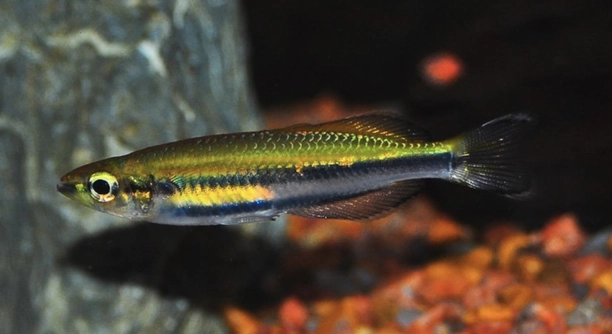
Rainbowfish are small, colorful freshwater fish known for their vibrant scales and lively behavior. Observing their movements can reveal much about their mood. Happy rainbowfish display distinct actions that indicate comfort and contentment in their environment.
When rainbowfish are happy, they often swim energetically, display brighter colors, interact socially with other fish, explore their surroundings confidently, maintain a steady appetite, exhibit playful movements, and remain healthy and active. These behaviors signal optimal well-being and low stress.
Recognizing these signs allows owners to ensure their fish are thriving. Observing behavior closely can improve care and create a more harmonious aquarium environment.
Energetic Swimming Patterns
Rainbowfish that are happy tend to swim with energy and confidence. They glide smoothly through the water, darting from one corner of the tank to another without hesitation. Their movements are consistent, not erratic or sluggish. Watching them swim in this way is a clear indication of comfort. Energy in swimming often correlates with good health, a well-maintained environment, and proper nutrition. These fish rarely hide when they are content; instead, they explore open areas of the aquarium. Observing their patterns helps you identify changes in mood or health quickly. Their swimming is not just movement; it reflects their state of mind. They often coordinate with other rainbowfish, moving in small groups or synchronizing turns, which highlights social bonds. Energetic swimming also supports their physical well-being, helping maintain muscle tone and promoting natural behaviors. This activity is a reliable and visible sign of happiness.
Energetic swimming indicates confidence and overall well-being, showing that rainbowfish feel safe and comfortable in their environment.
Regular observation of these patterns allows owners to maintain conditions that support health and happiness. Monitoring tank temperature, water quality, and diet ensures continued energy and engagement. Noticing subtle shifts in movement can help address potential stressors early, keeping the aquarium balanced. Over time, consistent energetic swimming strengthens social interactions among fish, encouraging natural behaviors and reducing aggressive tendencies. Maintaining an environment that promotes this activity ensures rainbowfish remain active, healthy, and vibrant.
Color Display and Brightness
Happy rainbowfish often show brighter, more vivid colors that catch attention.
Color intensity is a direct reflection of a rainbowfish’s health and mood. When their environment is suitable, with stable water conditions, appropriate lighting, and proper nutrition, their scales display brighter hues naturally. Fish that are stressed, sick, or uncomfortable usually appear dull, hiding their natural brilliance. Bright coloration is not only visually appealing but also a communication tool among fish. It signals confidence and social stability, allowing individuals to interact harmoniously. Lighting also influences the perception of color, making aquarium setup important for observing these signals. Over time, fish that consistently show vivid colors tend to exhibit other happy behaviors like social interaction, playful swimming, and exploration. This combination of visual and behavioral cues provides a reliable method for owners to gauge overall well-being. Monitoring these signs helps ensure the tank remains a safe and stimulating environment that supports long-term happiness and health.
Social Interaction
Rainbowfish that are happy often interact actively with others, swimming together and staying in small groups rather than isolating themselves. These interactions are calm and coordinated, showing comfort with tank mates. Social behaviors indicate trust, safety, and a well-balanced environment.
Engaging with other fish is a clear sign of contentment. Happy rainbowfish communicate through subtle movements, synchronized swimming, and occasional nips that are not aggressive. They often follow each other around the tank, mimicking turns and shifts in direction. This social engagement helps reduce stress and encourages natural behavior patterns. Tanks with proper space, hiding spots, and consistent conditions promote these interactions. Over time, these behaviors strengthen bonds and create a peaceful, lively aquarium. Fish that ignore others or hide may be stressed, highlighting the importance of observing group dynamics carefully.
Social interaction also supports mental stimulation and physical activity. When rainbowfish play and move together, they remain alert and agile. This keeps their instincts sharp and prevents boredom, which can lead to lethargy or health issues. Observing these behaviors gives a reliable measure of overall happiness and well-being, helping ensure the aquarium is a safe and engaging habitat.
Appetite and Feeding Habits
Happy rainbowfish maintain a steady and enthusiastic appetite, eating consistently without hesitation. Their feeding habits reflect health and comfort, showing trust in their environment and owners.
A proper diet and stable water conditions contribute to these consistent feeding behaviors. Rainbowfish that eat readily usually display additional signs of happiness, such as bright colors and active swimming. Skipping meals or showing disinterest in food can indicate stress, illness, or an unsuitable tank environment. Monitoring feeding patterns is essential to maintaining both health and morale. Healthy appetite is also linked to growth and vitality. Fish that consume food consistently are better able to resist disease and maintain energy for social and playful behaviors. Observing these habits daily allows timely adjustments in feeding schedules, portion sizes, or diet composition. Consistent attention ensures that rainbowfish remain strong, active, and visually vibrant, highlighting the importance of attentive care.
Playful Movements
Rainbowfish express happiness through playful movements, darting around the tank and exploring objects with curiosity. These motions are smooth and controlled, showing comfort and confidence in their surroundings.
Playful behavior often includes gentle chasing of tank mates and weaving through plants. Fish that engage in such activity display low stress levels and a secure environment.
Healthy Appearance
A healthy rainbowfish has smooth scales, clear eyes, and vibrant fins. These physical signs indicate proper care and overall well-being. Healthy appearance is a reliable measure of happiness and stability in the aquarium.
Exploration and Curiosity
Happy rainbowfish actively explore their environment, moving among plants, decorations, and open areas. They show interest in new objects and changes in the tank. Curiosity is a sign of mental stimulation and a secure, enriching habitat that meets their natural needs.
Calm Behavior
Rainbowfish that are happy often remain calm and composed, even when the environment changes slightly. Calm behavior reflects trust in their surroundings and comfort with tank mates.
FAQ
How can I tell if my rainbowfish is happy?
A happy rainbowfish will swim actively, display bright colors, interact with other fish, and eat consistently. They often explore their environment and show playful or curious behavior. Observing these patterns regularly helps identify changes in mood or health.
Why does my rainbowfish hide sometimes?
Hiding is natural at times, especially when new objects or fish are introduced. However, constant hiding can indicate stress, illness, or poor water conditions. Ensuring a stable tank environment, proper lighting, and enough hiding spots can reduce stress and promote confidence.
What role does tank setup play in happiness?
A well-arranged tank encourages natural behavior. Plants, decorations, and open swimming areas allow rainbowfish to explore, play, and interact socially. Proper water temperature, filtration, and lighting also support overall well-being, helping fish remain active, colorful, and stress-free.
How important is diet for a happy rainbowfish?
A balanced diet is essential. Rainbowfish need varied food, including high-quality flakes, pellets, and occasional live or frozen options. Consistent feeding promotes energy, healthy colors, and regular growth. Poor nutrition can reduce activity, dull colors, and increase susceptibility to disease.
Can rainbowfish recognize tank mates?
Yes, rainbowfish are social and often form bonds with others in the tank. They swim in coordinated patterns, chase playfully, and sometimes mimic each other’s movements. Positive social interactions reduce stress and encourage natural behaviors.
Why do rainbowfish change color sometimes?
Color changes can indicate mood, health, or environmental factors. Bright colors usually reflect happiness and good health, while dull or faded colors can signal stress, illness, or unsuitable water conditions. Monitoring their environment helps maintain consistent coloration.
Is it normal for rainbowfish to be active at certain times?
Rainbowfish are diurnal, meaning they are most active during the day. Peak activity often occurs during feeding or when exploring the tank. Nighttime inactivity is normal, as they rest or find secure spots to feel safe.
How do I encourage playful behavior?
Providing space, plants, and decorations encourages natural exploration and play. Regular interaction through feeding routines or gentle observation can stimulate curiosity. Maintaining water quality and a stable environment also ensures fish feel secure enough to exhibit playful behavior.
What should I do if my rainbowfish seems stressed?
Check water quality, temperature, and tank conditions first. Ensure they have hiding spots and are not overcrowded. Adjust lighting or rearrange decorations if needed. Observing their behavior closely can help identify triggers and reduce stress effectively.
Can rainbowfish live happily in a community tank?
Yes, rainbowfish thrive in community tanks with compatible species. They need space, stable conditions, and calm tank mates. Aggressive or overly large fish can cause stress, so monitoring interactions and ensuring a balanced environment is key to maintaining happiness.
How often should I monitor my rainbowfish?
Daily observation is recommended. Watching swimming patterns, feeding habits, color brightness, and social behavior helps detect early signs of stress or illness. Regular checks allow timely adjustments in care to maintain health and well-being.
Do happy rainbowfish show any signs during feeding?
Yes, they often swim eagerly toward food and eat consistently. Enthusiastic feeding reflects confidence, trust in the environment, and general contentment. Fish that ignore food or eat hesitantly may be stressed or unwell.
Can water changes affect happiness?
Proper water changes are essential for health and comfort. Regular partial changes remove toxins and maintain stable parameters. Sudden or large changes can stress fish, so gradual adjustments are important to preserve a stable and happy environment.
How can I maintain long-term happiness for my rainbowfish?
Consistently monitor water quality, provide a balanced diet, ensure enough space, and encourage social and playful interactions. Stable lighting, proper filtration, and regular observation create an environment where rainbowfish remain active, vibrant, and comfortable.
Rainbowfish are lively, colorful fish that respond clearly to their environment. Observing their behavior provides insight into their happiness and well-being. Small details like swimming patterns, social interactions, color brightness, and feeding habits reveal whether they feel comfortable and safe in the tank. Active swimming and playful exploration are reliable signs of contentment. Rainbowfish that dart around confidently, weaving through plants and decorations, show that their environment meets their physical and mental needs. Conversely, sluggish movement, hiding, or lack of interest in surroundings can indicate stress or discomfort, prompting a closer look at tank conditions or health. Paying attention to these details allows owners to create a stable, comfortable habitat that supports natural behaviors and reduces potential stressors. Over time, consistent observation helps detect subtle changes early, which can prevent more serious issues and improve overall fish care. Recognizing these behavioral cues ensures that rainbowfish are thriving rather than merely surviving.
Color display is another essential indicator of happiness. Rainbowfish that are well-fed, healthy, and comfortable exhibit bright, vibrant colors. Their scales shine under proper lighting, creating a visually striking aquarium. Dull or faded colors often signal stress, illness, or water problems, so monitoring color changes is an important part of daily care. Nutrition directly influences their brightness, as a balanced diet with varied food types supports energy levels and overall vitality. Social interaction also plays a role in color intensity. Rainbowfish that swim and coordinate with tank mates display colors more vividly, reflecting confidence and contentment. Ensuring the right tank setup, including space for swimming, plants, and hiding spots, allows these behaviors to occur naturally. Calm, active, and socially engaged fish are generally healthier, less stressed, and display stronger colors. Observing color along with movement and feeding provides a comprehensive understanding of a rainbowfish’s happiness, helping owners make adjustments when necessary.
Maintaining a happy rainbowfish requires attention to multiple factors. Water quality, temperature, tank size, diet, and social structure all influence well-being. Regular water changes and filtration help create a stable environment that supports activity and reduces stress. Providing hiding spaces and decorations encourages exploration, which stimulates mental engagement and reduces boredom. Feeding routines should be consistent and varied to meet nutritional needs and maintain energy levels. Social dynamics among tank mates must also be considered, as aggressive or incompatible fish can negatively impact happiness. Observing daily behavior, including swimming patterns, appetite, and playful activity, helps ensure that fish remain comfortable and active. Taking these steps creates an environment where rainbowfish can express natural behaviors, maintain bright coloration, and stay healthy. Attentive care allows owners to enjoy a lively, visually appealing aquarium while supporting the long-term happiness and well-being of their rainbowfish.

Hello,
If you enjoy the content that we create, please consider saying a "Thank You!" by leaving a tip.
Every little bit helps us continue crafting quality advice that supports the health, happiness, and well-being of pets around the world, for pets of all shapes, sizes, and species.
We really appreciate the kindness and support that you show us!