
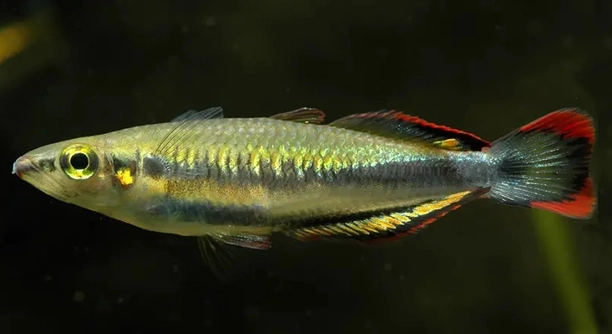
Caring for rainbowfish can be rewarding, yet their sudden aggressive behavior may create challenges in your tank. A simple approach can help encourage calm interactions and support the well being of your vibrant freshwater community.
Reducing aggression in rainbowfish requires thoughtful habitat management and consistent care. Providing adequate space, balanced group sizes, stable water parameters, and enriched environments lowers stress responses. These conditions promote calmer behavior patterns and support social stability within mixed species aquariums.
This guide breaks down simple methods that ease tension among rainbowfish and encourages smoother interactions, helping nurture a peaceful aquarium.
Provide Adequate Tank Space
Providing enough tank space is one of the simplest ways to reduce tension among rainbowfish. These fish feel more relaxed when they have room to move and form natural social groups. When space is limited, they may become stressed and display behaviors that seem sudden or intense. A larger tank allows each fish to establish comfortable swimming areas and reduces the chance of constant close contact. This creates a calmer atmosphere and supports better interactions. It also helps them express their active nature without feeling pressured by other fish. When planning your tank, think about the number of rainbowfish you keep and choose a size that matches their activity level. A spacious layout with long swimming paths can also improve their overall health. Even small changes, like removing clutter or adjusting decorations, can help them settle down. With thoughtful space management, your rainbowfish enjoy a truly peaceful and comfortable environment.
More space lowers tension and gives rainbowfish room to interact without constant pressure from nearby tank mates. A wide layout encourages stable behavior and helps reduce the quick displays that often appear when they feel crowded in a way that supports calmer swimming patterns and improves their overall comfort too.
Creating a spacious environment also gives you more freedom when arranging decorations. You can place plants and structures in a way that offers shelter without blocking movement. This balance keeps the aquarium open and welcoming while still giving shy fish places to settle when needed. When rainbowfish feel free to move, they are less likely to compete for space or become uneasy around each other. A tank designed with open swimming paths encourages smooth movement and reduces sudden bursts of energy that may disturb the group. Small adjustments in layout can make a clear difference in day to day behavior.
Maintain Stable Water Conditions
Stable water conditions help rainbowfish stay calm and avoid stress responses linked to sudden changes. Keeping temperature, pH, and hardness consistent lowers tension and supports healthier behavior throughout the tank, allowing the group to interact with less conflict and fewer signs of agitation during their regular daily swimming and activity.
Maintaining stable water conditions is essential for creating a peaceful environment for rainbowfish. These fish respond quickly to changes in their surroundings, and even small shifts can influence their behavior. Keeping parameters consistent helps them feel secure and reduces the likelihood of sudden aggressiveness. Temperature should remain steady, avoiding rapid fluctuations that may unsettle the group. pH and hardness also play important roles, so regular testing ensures these values stay within their preferred range. Clean water is another key factor. Performing routine water changes prevents the buildup of waste that can irritate rainbowfish and increase agitation. Filtration should run efficiently and be sized appropriately for the tank. Gentle water flow supports natural swimming behavior without causing stress. Adding live plants can also help stabilize conditions by improving oxygen levels and offering soft cover. When rainbowfish experience predictable surroundings, they behave more calmly and interact more smoothly. A tank with balanced water chemistry creates an atmosphere where each fish can thrive without feeling pressured. Consistency encourages a sense of security that carries through daily activity and supports long term harmony among the group. Paying attention to these details strengthens the overall environment and helps maintain a stable and peaceful aquarium environment.
Create Balanced Group Sizes
Keeping rainbowfish in balanced group sizes helps prevent unnecessary tension. When the group is too small, dominant behavior becomes more noticeable. A properly sized group spreads interactions more evenly and supports calmer behavior, allowing the fish to feel secure without constant pressure from one another during daily activity.
Balanced groups give rainbowfish a better sense of structure. These fish rely on social patterns, and an uneven group can cause stress. When several fish share the same space, their focus spreads naturally, lowering the chance of one individual being singled out. A larger group also encourages more predictable swimming patterns. With enough companions, each fish feels more protected and less reactive, which reduces the sharp displays that happen in smaller groups. This setup strengthens harmony and promotes steady behavior throughout the day, helping the entire tank feel more relaxed.
A balanced group also helps reduce competition during feeding. When there are enough rainbowfish, no single fish feels pressured to defend food. This leads to smoother interactions and keeps the dominant individuals from overwhelming the others. Feeding becomes more even, and the calmer atmosphere extends beyond mealtimes. Each fish gains confidence in its place within the group. Over time, this reduces unnecessary tension and prevents behaviors that might unsettle the tank. Paying attention to group structure supports a peaceful rhythm that benefits the entire aquarium.
Add Visual Barriers and Plants
Visual barriers and plants help rainbowfish feel more comfortable by breaking up direct lines of sight. This reduces constant monitoring between individuals and minimizes sudden reactions. These features also offer gentle cover, providing a sense of safety that lowers stress and helps maintain smoother interactions throughout the tank.
Plants and barriers create natural separation that encourages healthier behavior. Tall plants, driftwood, and rock arrangements help divide the space into smaller areas where fish can move freely without being watched by others at all times. This structure reduces the tension that comes from open, empty layouts. Live plants also improve water quality, which adds another layer of stability. With more places to pause and regroup, shy fish feel safer, and dominant fish have fewer chances to chase. The entire group benefits from a layout that supports calm behavior and steady swimming patterns.
Offer Consistent Feeding Routines
Consistent feeding routines help rainbowfish feel more secure and less reactive. When they know when to expect food, they stay calmer throughout the day. Regular schedules reduce sudden bursts of competition and help maintain a peaceful atmosphere during each feeding period in the tank.
A stable routine also prevents overeating or frantic behavior. When portions stay consistent, rainbowfish learn to approach meals with less urgency. This reduces the chance of chasing or shoving and keeps dominant fish from overwhelming others. A reliable pattern supports steady behavior and helps the entire group stay relaxed.
Introduce Tank Mates Carefully
Introducing new tank mates slowly keeps stress levels down and prevents sudden displays of aggression. Rainbowfish respond better when changes happen gradually. Allowing them time to observe new arrivals from a distance helps them adjust more smoothly and keeps the group stable during transitions or additions to the tank.
Reduce Sudden Noise and Movement
Lowering sudden noise and movement around the aquarium helps rainbowfish remain calm. Quick disruptions can trigger stress responses, so a quieter environment supports steadier behavior. Gentle surroundings allow them to swim peacefully and interact without feeling startled or pressured by unexpected activity near their tank.
FAQ
How can I tell if my rainbowfish is stressed or aggressive?
Signs of stress or aggression in rainbowfish include chasing, nipping fins, or hiding more than usual. Changes in coloration, rapid swimming, or constant darting around the tank can also indicate tension. Monitoring these behaviors closely helps you address problems early and maintain a peaceful environment.
What is the ideal group size for rainbowfish to prevent aggression?
Rainbowfish are social, so keeping at least six individuals together is recommended. Smaller groups can increase dominance behavior and tension, while larger groups spread interactions more evenly. A proper group size encourages natural social dynamics and lowers the risk of one fish becoming overly dominant.
Do decorations affect aggression levels in the tank?
Yes, decorations can greatly influence behavior. Plants, driftwood, and rocks create visual barriers that reduce direct confrontation. These features offer hiding spots and allow fish to escape if needed. A well-decorated tank prevents constant chasing and supports calmer interactions.
How often should I change the water to keep aggression down?
Regular water changes help maintain stable water conditions, which reduces stress and aggression. Changing 20–25% of the water weekly keeps parameters like pH, temperature, and hardness consistent. Clean water supports healthy behavior and lowers the likelihood of conflict.
Can certain foods reduce aggressive behavior?
Feeding balanced meals at consistent times helps minimize competition and stress. Overfeeding or irregular feeding can lead to chasing and fin nipping. Providing high-quality flakes, pellets, and occasional live foods ensures that rainbowfish are satisfied and less likely to display aggression.
Will introducing new rainbowfish cause fights?
New fish can temporarily trigger aggression, especially if added suddenly. Quarantining newcomers and introducing them gradually allows existing fish to adjust. Using a divider at first helps both groups observe each other without direct conflict. Over time, gradual integration encourages a smoother transition.
Do tank size and layout really matter for aggression?
Absolutely. A tank that is too small limits swimming space and increases stress, while a well-planned layout provides open areas and hiding spots. Long swimming paths and structured zones help fish establish territories and reduce confrontations. A properly sized tank is essential for calm behavior.
Are rainbowfish more aggressive at certain times?
Rainbowfish may show more activity or mild aggression during feeding or breeding periods. Stress from water changes or sudden disturbances can also trigger short-term aggression. Maintaining routine care and a stable environment helps minimize these temporary spikes in behavior.
Can stress from other species affect rainbowfish aggression?
Yes, incompatible tank mates can increase tension. Fish that are overly territorial or aggressive may trigger defensive behavior in rainbowfish. Choosing peaceful companions and observing interactions closely helps maintain harmony and reduces the chance of conflict within the tank.
Is it necessary to rearrange the tank to control aggression?
Occasionally rearranging decorations can help redistribute territories and reduce dominance issues. Moving plants or rocks slightly changes the environment, giving fish new areas to explore and minimizing repetitive chasing. Subtle adjustments often improve overall group dynamics without stressing the fish.
How can I prevent aggression during breeding season?
Breeding can heighten territorial behavior. Separating pairs or providing additional hiding spots reduces tension. Ensuring a balanced group size and maintaining stable water conditions helps mitigate aggression. Careful observation during this period allows you to respond before conflicts escalate.
Do rainbowfish ever naturally resolve aggressive behavior on their own?
Yes, minor disputes are part of establishing social hierarchies. Most rainbowfish settle into their roles once territories are defined. However, persistent aggression that harms others should be addressed through tank adjustments, proper group sizing, or environmental enrichment.
How important is water temperature in controlling aggression?
Stable water temperature is critical. Rapid fluctuations can stress rainbowfish and trigger sudden aggressive responses. Keeping the temperature within the species’ preferred range ensures calmer behavior and supports overall health, reducing the likelihood of conflict.
Can adding plants reduce aggression even if the tank is large?
Definitely. Even in spacious tanks, plants and barriers provide cover and reduce visual stress. These natural elements break up open areas, give fish personal space, and lower the frequency of chasing or dominant displays, supporting a more harmonious community.
Are some rainbowfish species naturally more aggressive than others?
Yes, aggression varies by species. Some have stronger territorial instincts or are more active swimmers. Understanding the temperament of your specific rainbowfish helps in choosing tank mates, determining group size, and arranging the environment to minimize conflict.
Do hiding spots improve social stability?
Hiding spots are essential. They allow shy or stressed fish to escape temporary conflicts. Providing caves, plants, or driftwood reduces overall tension, prevents injury, and encourages natural behavior patterns, helping all fish coexist peacefully within the same tank.
How long does it take for rainbowfish to calm down in a new tank?
Adjustment periods vary but typically take several days to a few weeks. Consistent care, proper tank setup, and minimal disturbances speed up acclimation. Patience during this time is key to ensuring all fish feel secure and establish peaceful social interactions.
Can lighting affect aggression in rainbowfish?
Yes, sudden changes in lighting or overly bright conditions can trigger stress. Providing a consistent light cycle with gradual transitions helps fish feel secure. Dimmer areas or shaded spots also reduce tension and allow fish to rest or retreat when needed.
Is it helpful to separate aggressive individuals?
Separating persistently aggressive fish can prevent injury and stabilize the group. Temporary isolation or using a divider allows fish to calm down before reintroducing them. This method protects weaker individuals while maintaining overall tank harmony.
Do rainbowfish recognize each other over time?
Rainbowfish do establish social recognition within their group. Familiarity helps reduce constant fighting as each fish understands its place in the hierarchy. Maintaining a stable group without frequent changes encourages peaceful interactions and lowers aggression levels consistently.
Can stress from handling or cleaning cause aggression?
Yes, excessive handling or sudden tank maintenance can trigger defensive behavior. Gentle care and minimal disturbances during cleaning or transfers help maintain calm. Using careful techniques reduces stress-induced aggression and supports a stable environment for the entire group.
What role does water flow play in aggression?
Strong or uneven water currents can stress rainbowfish, causing erratic swimming and tension. Gentle, consistent flow supports natural swimming patterns and reduces conflict. Balancing filtration and current direction creates a stable environment, contributing to calmer social interactions.
How do seasonal changes impact aggression?
Temperature and light variations with seasons can subtly affect behavior. Maintaining stable conditions indoors minimizes seasonal stress. Consistent routines and careful observation help prevent seasonal spikes in aggression and keep rainbowfish behavior predictable throughout the year.
Are there signs of permanent aggressive individuals?
Some rainbowfish may consistently display dominant or aggressive tendencies. Persistent chasing, fin nipping, or intimidation may indicate that separation or tank adjustments are necessary. Identifying these individuals early helps protect the group and maintain a peaceful tank environment.
Do water chemistry changes trigger aggression?
Yes, sudden shifts in pH, hardness, or ammonia levels can stress rainbowfish. Regular testing and gradual adjustments maintain stability, preventing stress-related aggression. Consistent water chemistry supports healthier, calmer fish and minimizes conflict within the group.
Can overcrowding lead to permanent aggression?
Overcrowding increases stress and can lead to ongoing aggressive behavior. Providing sufficient space and maintaining proper group sizes reduces tension. Over time, a well-spaced environment allows fish to establish territories without constant conflict, supporting long-term harmony.
Are rainbowfish more aggressive with certain foods?
Competitive feeding can heighten aggression. Large, fast-moving, or limited food items may trigger chasing. Offering multiple feeding spots and balanced portions prevents dominance during meals. This approach encourages equitable access and reduces tension among individuals.
Do rainbowfish calm down at night?
Yes, rainbowfish usually become less active in low light. Providing a consistent day-night cycle helps regulate activity and reduces evening aggression. A predictable nighttime environment encourages rest and decreases tension among the group.
Can tank mates calm aggressive rainbowfish?
Peaceful, compatible tank mates can help diffuse dominance displays. Calm species distract or share space without confrontation, creating a more balanced social dynamic. Thoughtful pairing enhances harmony and reduces the risk of stress-induced aggression.
How can I encourage shy rainbowfish to integrate safely?
Gradual introductions, visual barriers, and multiple hiding spots help shy fish join the group safely. Observing interactions and allowing space for retreat prevents stress. Over time, confidence grows, and the group maintains a calmer, more stable social structure.
Do rainbowfish show hierarchy without aggression?
Yes, minor displays like positioning or gentle nudging establish social order without severe fighting. Observing these behaviors indicates a healthy, functioning group. Supporting these natural hierarchies with proper tank setup reduces the need for prolonged aggression.
What is the best way to monitor aggression long term?
Regular observation is key. Watching for changes in swimming patterns, chasing, or fin damage helps catch issues early. Maintaining consistent care, balanced groups, and a stable environment ensures aggression remains manageable and the aquarium stays peaceful.
Can stress from external factors increase aggression?
Yes, vibrations, sudden movements, or nearby activity can trigger stress responses. Minimizing disturbances and keeping the tank in a calm area reduces sudden aggression. A stable surrounding environment supports calmer behavior and overall well-being.
Do rainbowfish ever attack without warning?
Aggression is usually preceded by subtle cues like chasing or color changes. Sudden attacks are rare in well-maintained tanks. Monitoring for early warning signs allows intervention before conflicts escalate, keeping all fish safe and calm.
How do I know if my interventions are working?
Reduced chasing, calmer swimming, and more balanced interactions indicate success. Observing consistent behavior over days or weeks shows that environmental adjustments, feeding routines, or group management are effectively lowering aggression.
Are some times of day better for observing aggressive behavior?
Feeding periods and early morning or late afternoon activity often reveal social dynamics. Watching during these times helps identify tension or dominant displays, enabling timely interventions. Consistent observation ensures that small issues do not escalate into serious problems.
How long should new adjustments take to show results?
Behavioral improvements can appear within days for minor changes but may take weeks for larger adjustments. Patience and consistent care are essential to allow rainbowfish to adapt and establish calmer interactions within the tank.
Do rainbowfish ever completely stop being aggressive?
Aggression usually decreases once the environment is stable and social structures are established. Minor disputes may continue, but overall tension drops. A well-maintained tank, proper group size, and enriched environment support long-term peace and healthier interactions.
What combination of strategies works best to reduce aggression?
Using a mix of proper tank size, stable water conditions, balanced group size, visual barriers, consistent feeding, and compatible tank mates is most effective. Each approach addresses different triggers, and together they create a calm, harmonious aquarium where rainbowfish thrive.
Can age affect aggression levels?
Younger fish may be more active and prone to chasing, while older fish tend to settle into calmer behavior. Providing appropriate space, hiding spots, and group balance helps all ages coexist peacefully and reduces long-term conflict.
Are certain behaviors normal versus concerning?
Occasional chasing or mild displays of dominance are normal. Persistent aggression causing injury, stress, or fin damage is concerning. Differentiating between normal social interactions and harmful behavior allows you to take corrective action promptly.
How important is patience when managing aggression?
Patience is key. Rainbowfish adjust gradually to changes, and interventions take time to show results. Consistent observation, environmental adjustments, and careful monitoring allow behaviors to stabilize naturally without causing additional stress.
Can subtle environmental changes make a big difference?
Yes, small changes like adding plants, adjusting decoration, or rearranging swimming paths can significantly reduce tension. Even minor improvements in habitat structure support calmer interactions and contribute to a healthier, more harmonious tank.
Is ongoing monitoring necessary for long-term peace?
Absolutely. Regular observation ensures that any new stressors, changes in group dynamics, or environmental shifts are detected early. Continuous monitoring helps maintain a calm, balanced community and prevents aggression from becoming a recurring problem.
Do rainbowfish respond to human presence?
Rainbowfish notice movement outside the tank but generally do not become aggressive unless startled. Approaching calmly and minimizing sudden movements helps maintain a stable environment, reducing stress and potential conflict within the aquarium.
How can I tell if aggression is due to health issues?
Sudden aggression combined with signs like lethargy, discoloration, or labored breathing may indicate illness. Addressing health concerns promptly reduces stress-related aggression and ensures the fish remain healthy and safe within the group.
Can I prevent aggression entirely?
Complete prevention is unlikely, as minor displays of dominance are natural. However, thoughtful tank setup, stable conditions, and proper group management can minimize aggression and create a largely peaceful environment for rainbowfish to thrive.
Is it okay to mix different rainbowfish species?
Mixing species is possible but requires attention to temperament and size. Choosing compatible species, maintaining adequate space, and monitoring interactions help prevent dominance issues and aggressive encounters while supporting a diverse community.
How often should I observe behavior for aggression?
Daily observation is best. Short, consistent checks allow you to notice subtle changes, prevent escalation, and adjust care or environment before serious issues arise. Regular monitoring ensures long-term harmony in the tank.
Do seasonal decorations affect aggression?
Decorations that change the layout can influence social behavior. Sudden additions or removals may trigger temporary tension. Gradual adjustments allow rainbowfish to explore new structures safely, reducing stress and supporting stable interactions.
How much impact does lighting duration have on aggression?
Consistent light cycles support regular activity and calm behavior. Abrupt changes in lighting duration or intensity can trigger stress responses. Maintaining a predictable schedule encourages smooth social interactions and lowers tension among rainbowfish.
Can enrichment activities reduce aggression?
Yes, activities like rearranging decorations or adding safe objects to explore encourage natural behavior and mental stimulation. Enrichment keeps fish engaged, reduces boredom, and helps disperse dominance, which minimizes aggressive displays over time.
Do rainbowfish remember past conflicts?
Rainbowfish have social recognition and may recall previous disputes. Maintaining balanced groups and minimizing repeated triggers prevents ongoing tension. Thoughtful management reduces lingering aggression while supporting stable relationships.
How can I address sudden aggression outbreaks?
Identify environmental triggers, check water conditions, and observe group dynamics. Adjust decorations, provide hiding spots, and consider temporary separation if necessary. Early action prevents injuries and restores harmony within the tank.
Is it normal for aggression to increase during feeding?
Yes, competitive feeding naturally increases chasing and dominance displays. Multiple feeding points, consistent portions, and calm routines help control tension and reduce aggressive interactions during meals.
Can stress from other pets affect rainbowfish aggression?
External disturbances from pets or household activity may startle rainbowfish. Placing the tank in a stable, low-traffic area minimizes sudden stress and helps maintain a calm environment for all fish.
How do I manage aggression in a mixed-species tank?
Select compatible species, provide adequate space, and use visual barriers. Monitor interactions closely and ensure proper group sizes. Gradual introductions and consistent care help reduce stress and promote peaceful coexistence among different fish.
Does aggression vary by individual personality?
Yes, some rainbowfish are naturally more dominant or timid. Recognizing individual tendencies allows you to make adjustments in tank layout, feeding, and group composition to reduce tension and support calmer interactions.
What’s the best approach if aggression persists despite all measures?
Persistent aggression may require separating aggressive individuals, adjusting group size, or rearranging the tank. In extreme cases, rehoming overly dominant fish ensures safety for others while maintaining overall tank harmony.
How can I prevent aggression in new tanks?
Set up a spacious, decorated tank with stable water conditions before adding fish. Introduce rainbowfish gradually, maintain consistent feeding, and observe social interactions closely to prevent early dominance issues and reduce stress.
Is it okay for rainbowfish to establish minor territories?
Yes, minor territories are natural and usually harmless. Providing adequate space and hiding spots allows fish to claim areas without harming others, supporting calm social structure and reducing prolonged conflicts.
Can rainbowfish aggression affect overall health?
Chronic stress from aggression can lead to weakened immunity, fin damage, and slower growth. Addressing aggression promptly through tank management, feeding routines, and environmental enrichment helps protect overall health and well-being.
Do rainbowfish adjust to aggressive tank mates over time?
They may adapt slowly, but persistent aggression from others can cause ongoing stress. Monitoring interactions and providing space or hiding spots reduces tension and supports gradual adaptation without harm.
Is it necessary to track individual behaviors?
Yes, tracking individual actions helps identify aggressive or stressed fish. Recognizing patterns allows targeted interventions, ensuring all fish coexist safely and reducing the risk of injuries or chronic tension.
Can overcrowding worsen aggression even with decorations?
Overcrowding increases stress regardless of hiding spots. Adequate space, group size, and careful monitoring are essential to prevent heightened aggression and maintain calm interactions among rainbowfish.
Do rainbowfish show aggression differently in small vs. large tanks?
In small tanks, aggression is more frequent due to limited space. Large tanks allow better distribution of territories, calmer swimming, and reduced dominance displays, making size a key factor in managing social behavior.
Can environmental stress override all other measures?
High stress from poor water quality, rapid changes, or overcrowding can overwhelm other management strategies. Maintaining stability in all aspects is critical to reducing aggression and supporting healthy, peaceful rainbowfish.
How do I balance aggression with natural behavior?
Allow minor chasing and displays as part of social hierarchy while minimizing harmful aggression. Proper tank setup, group size, and enrichment ensure fish express natural behavior safely without persistent tension.
Do rainbowfish react to human interaction differently based on aggression levels?
Calmer fish may approach the glass or food without stress, while aggressive or dominant fish may chase shadows or dart around. Understanding individual behavior helps tailor care and reduces unnecessary tension in the tank.
Can environmental enrichment replace group management?
Enrichment helps reduce boredom and mild aggression but cannot fully replace proper group sizes, space, and compatible tank mates. Both approaches together create the most stable and peaceful aquarium environment for rainbowfish.
Is there a role for observation logs in managing aggression?
Yes, keeping notes on behavior patterns, feeding, and interactions helps detect trends and triggers. Logs allow proactive adjustments and support long-term management of calm, healthy rainbowfish communities.
How do I know when intervention is urgent?
Signs like fin damage, constant chasing, or hiding indicate immediate action is needed. Quick adjustments to tank setup, group structure, or feeding routines prevent harm and restore harmony.
Can stress from lighting cycles trigger aggression?
Sudden changes or irregular lighting can startle rainbowfish. Consistent light cycles reduce tension and support predictable behavior, helping the group maintain calm interactions.
Do rainbowfish aggression levels change with age?
Yes, juveniles may show higher activity and chasing, while adults are usually calmer. Providing adequate space, hiding spots, and balanced group sizes helps all ages coexist without major conflict.
Are there signs that aggression is permanently resolved?
Reduced
Caring for rainbowfish can be both enjoyable and challenging, especially when trying to manage aggression. Understanding their natural behavior is key to creating a calm environment. Rainbowfish are active and social, which means they will interact in ways that sometimes appear aggressive. Chasing, nipping, or establishing minor territories is often part of their normal social patterns. These behaviors are not always harmful, but when left unmanaged, they can lead to stress or injury. By paying attention to their needs and providing a supportive habitat, you can help reduce tension and maintain a peaceful community in your tank. Simple adjustments like maintaining stable water conditions, offering adequate space, and ensuring balanced group sizes go a long way in keeping rainbowfish calmer and healthier.
The environment you create in your aquarium directly affects how rainbowfish behave. A properly sized tank with clear swimming paths allows them to move freely and establish natural social hierarchies without constant pressure from others. Adding plants, driftwood, or rocks creates visual barriers and hiding spots, which help reduce stress and prevent dominance-related aggression. Consistent feeding routines and high-quality food also play an important role. When fish know when and how they will be fed, competition decreases and interactions remain more stable. These measures support a tank where rainbowfish can thrive, showing their natural colors and patterns while coexisting peacefully. Paying attention to both physical space and daily care routines ensures that aggression stays at a manageable level, allowing each fish to feel secure and confident within the group.
Patience and observation are essential when managing aggression in rainbowfish. Changes in behavior may not happen overnight, and small adjustments often take time to show results. Keeping a close eye on interactions, monitoring water quality, and noticing early signs of stress help you act before issues escalate. Gradually introducing new fish, providing enrichment, and rearranging decorations when necessary all contribute to long-term harmony. Remember that minor displays of dominance are normal, but persistent or harmful aggression should be addressed promptly. By combining stable environmental conditions, thoughtful tank management, and consistent care, you can maintain a calm, healthy aquarium. Rainbowfish will display their vibrant colors, interact naturally, and thrive in a peaceful setting, making your efforts to reduce aggression both effective and rewarding.

Hello,
If you enjoy the content that we create, please consider saying a "Thank You!" by leaving a tip.
Every little bit helps us continue crafting quality advice that supports the health, happiness, and well-being of pets around the world, for pets of all shapes, sizes, and species.
We really appreciate the kindness and support that you show us!