
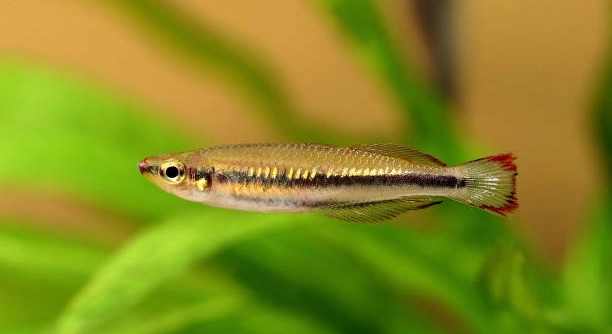
Rainbowfish are colorful freshwater fish that often brighten up home aquariums. Their lively movements and shimmering scales make them fascinating to watch. Many aquarium owners notice these fish seem to react when people approach or move nearby.
Rainbowfish often respond to human movement due to their natural alertness and social behavior. They are highly perceptive to visual stimuli, and their reactions help them assess potential threats while maintaining awareness of changes in their environment.
Observing these behaviors can enhance your understanding of rainbowfish interactions and improve the way you care for them in your aquarium.
How Rainbowfish Observe Their Environment
Rainbowfish have sharp eyesight and are naturally alert. In an aquarium, they constantly monitor their surroundings for movement and changes. This vigilance helps them feel safe and allows them to respond quickly to any potential threats. When a person moves near the tank, their attention often shifts toward the motion. Their eyes track objects smoothly, and their bodies may follow subtle movements. This behavior is not just curiosity; it is an instinct that has helped them survive in the wild. The bright colors of rainbowfish make their movements more noticeable, highlighting their reactions. Even slight gestures, such as leaning over the tank or reaching for food, can trigger responses. Over time, these fish may become accustomed to routine activities around them. Consistent patterns, like feeding times or cleaning, can reduce stress. Understanding these behaviors allows aquarium owners to provide a calm, predictable environment that respects the fish’s natural instincts and visual awareness.
Rainbowfish react to movement differently based on personality and species. Some are more cautious, while others seem more interested in humans.
Being aware of these patterns helps you predict how rainbowfish will behave during daily tank activities. Observing their responses provides insight into their comfort level and helps you maintain a healthy, low-stress environment. Movement near the tank can also serve as a form of enrichment, stimulating their alertness and keeping them active. Fish that are frequently startled may require adjustments to lighting or tank placement to feel secure. Over time, you may notice specific fish becoming more interactive, gently following your hands or responding to shadows. These subtle interactions indicate that they are aware of their surroundings and can distinguish between normal daily activity and potential disturbances. Maintaining consistent care routines reinforces their sense of security, making them more relaxed. Proper tank setup, including hiding spots and open swimming areas, supports this natural behavior. Recognizing how rainbowfish observe and react allows you to create a more harmonious environment that meets their instinctual needs.
Signs Rainbowfish Are Engaged
Rainbowfish may swim closer to the front of the tank or shift their fins and body in response to motion.
These behaviors show awareness and interaction. Watching these cues helps you understand their comfort level, stress, and interest in the environment. Adjusting tank activities accordingly can improve their overall wellbeing.
Movement and Feeding Response
Rainbowfish often move toward food when they see someone approach the tank. Their eyes focus on sudden motions, and their bodies may follow any movement that signals feeding time. This reaction is instinctive and shows their alertness to environmental changes.
These fish associate human movement with routine activities, particularly feeding. Over time, they learn patterns and may swim eagerly when they see hands near the tank. Some rainbowfish even adjust their positions in the water column to get a better view of potential food sources. This response is stronger in social groups, where one fish noticing movement can trigger others to react simultaneously. Observing these behaviors helps you understand how visual cues influence their activity and timing. Recognizing these feeding responses allows for a more engaging and controlled feeding routine, reducing stress and promoting healthy interactions.
Movement in the tank also stimulates their natural instincts. Watching closely, you may notice subtle fin adjustments or darting motions. These small behaviors indicate alertness and readiness. Social dynamics amplify this effect, as fish respond collectively to movement. When a hand enters the tank for feeding or cleaning, the group often reacts in unison. Providing consistent routines can strengthen this recognition while avoiding sudden disturbances that may cause stress. These interactions reveal how rainbowfish integrate visual cues with instinct, giving insight into their awareness.
Interaction With Tank Mates
Rainbowfish use movement to communicate with each other. Quick glides or fin flicks can signal alertness or readiness to respond. This behavior helps maintain group cohesion and safety within the tank.
Movement cues play a vital role in social behavior. Fish observe and mirror each other, ensuring the group responds to changes efficiently. Alert individuals often lead others, creating a synchronized reaction that can prevent conflicts or reduce stress. Subtle gestures, such as small shifts in swimming patterns, can indicate dominance or submission, influencing interactions. Environmental factors, like light and obstacles, also shape how movement is interpreted. Watching these interactions gives insight into their communication methods and highlights the importance of space and routine for maintaining harmony. Understanding these dynamics allows you to create a well-structured tank environment that supports natural behaviors and promotes healthy social interactions among rainbowfish.
Visual Stimulation
Rainbowfish are attracted to movement in their environment. Changes in light, reflections, or shadows can catch their attention and prompt them to swim closer or investigate.
Even small gestures outside the tank can influence their behavior. Their alert nature makes them sensitive to subtle motion, keeping them actively engaged.
How Humans Affect Their Behavior
Frequent movement near the tank can condition rainbowfish to recognize patterns. They may anticipate feeding times or adjust swimming positions based on repeated cues. Over time, these responses become more predictable, showing that they associate human presence with specific activities. This learning helps them navigate their space more confidently and reduces stress from unexpected disturbances.
Signs of Stress
Rapid darting or hiding can indicate stress. Recognizing these behaviors helps maintain a calm, healthy environment for rainbowfish.
FAQ
Do rainbowfish always react to human movement?
Rainbowfish do not react to every motion. Their responses depend on the intensity, speed, and direction of movement. Slow or distant gestures may go unnoticed, while quick or sudden actions are more likely to catch their attention. Individual temperament also plays a role; some fish are naturally cautious, and others are more curious. Over time, fish may become accustomed to routine activity, reducing reaction to predictable movement, such as feeding or tank maintenance. Repeated exposure to consistent patterns often encourages calmer behavior, helping them distinguish between harmless daily actions and potential threats.
Can rainbowfish recognize people?
Rainbowfish do not recognize humans individually as pets might recognize owners, but they can associate recurring patterns with people. They may react more eagerly during feeding or maintenance times when a familiar motion signals food or activity. Fish can also learn subtle differences in hand movement or position, especially if the same person performs routine care. This recognition is not personal but is based on repeated visual cues. With consistent handling and predictable interactions, rainbowfish may appear more comfortable and attentive when a person approaches the tank.
Is it harmful for rainbowfish to watch humans move?
Watching humans is generally not harmful if the environment is stable and predictable. Sudden or aggressive movements may startle them, causing stress, which can affect appetite or immune response. Consistent daily activity, like feeding and tank maintenance, allows them to adjust. Providing hiding spots and areas of calm within the tank can help reduce stress. Regular observation ensures their reactions remain healthy and not a sign of ongoing distress. Fish are naturally alert, so occasional interest in movement is normal behavior and does not indicate harm.
Why do rainbowfish sometimes follow my hand?
Following your hand is usually linked to feeding or curiosity. Fish quickly learn that certain motions mean food or environmental changes. The behavior can be more pronounced in social groups, as one fish’s movement can trigger others to respond. This following does not indicate affection but is a learned response to consistent cues. Over time, fish may appear more interactive, swimming along the edge of the tank or near your hand, showing they are alert and engaged in their surroundings.
Do all rainbowfish species react the same way?
Different species have varying levels of alertness and social behavior. Some are naturally bolder and more likely to react to motion, while others are shy and keep to hiding spots. Social species respond more visibly, as group dynamics amplify individual reactions. Observing the specific species in your tank helps anticipate behavior patterns. Tank setup, light, and space also influence how movement is interpreted. Even within the same species, individual personality differences affect responses, so some fish may appear more attentive while others remain indifferent to human movement.
Can movement outside the tank be used as enrichment?
Yes, controlled visual stimulation can encourage activity and engagement. Movement near the tank can keep fish alert, prompting swimming and exploration. Using predictable patterns and avoiding sudden motions ensures enrichment without stress. Activities like gentle hand waves before feeding or repositioning decorations can provide mental stimulation, helping fish maintain alertness and activity levels. Consistency and calm interaction create a positive environment that respects their natural instincts while encouraging healthy behaviors.
How do I know if my rainbowfish is stressed from movement?
Stress signs include rapid darting, hiding frequently, clamped fins, or loss of appetite. Fish that react excessively to minor motions may feel unsafe. Observing their daily behavior and noting any sudden changes can indicate if movement is causing tension. Adjusting the environment, adding hiding spaces, and keeping interactions consistent can reduce stress. Healthy rainbowfish remain curious but relaxed, showing balanced responses to activity around the tank.
Can I train rainbowfish to respond to me?
Training rainbowfish is limited but possible through consistent cues, mainly related to feeding. Fish can learn to recognize routine gestures and respond predictably. Over time, they may swim closer when they detect familiar movements, demonstrating learned behavior. Patience and repetition are key, as fish learn slowly and respond based on instinctual patterns rather than direct interaction or affection.
Does lighting affect how they watch movement?
Lighting changes how rainbowfish perceive motion. Bright or flickering light can exaggerate shadows, making them more alert, while dim lighting may reduce responsiveness. Proper, stable lighting ensures they can track movement without undue stress. Observing reactions under different lighting conditions can help optimize the tank environment.
Are younger fish more reactive than adults?
Juvenile rainbowfish tend to be more alert and responsive than adults. They are still learning about their surroundings and have heightened vigilance. Adults may appear calmer as they adjust to routine and their environment. Age, size, and prior experience all influence how rainbowfish react to movement near the tank.
Final Thoughts
Rainbowfish are naturally alert and highly responsive to their surroundings. Their reactions to movement are instinctual, rooted in the need to monitor potential threats and maintain safety within their environment. In a home aquarium, these behaviors often translate into noticeable responses to human activity. When you approach the tank, move your hands, or perform routine tasks like feeding or cleaning, rainbowfish may shift position, follow motion with their eyes, or swim closer to investigate. These reactions are a sign of their awareness rather than a display of affection. Understanding this instinctive behavior helps you manage interactions in a way that keeps the fish comfortable and reduces unnecessary stress. The more predictable the environment, the calmer rainbowfish tend to be, which also allows you to observe their natural behavior without causing disturbances.
Providing a stable, well-structured aquarium is essential for encouraging healthy responses to movement. Consistent routines, such as feeding at regular times or performing tank maintenance predictably, allow the fish to anticipate activity and react appropriately. This predictability can make them appear more engaged while minimizing stress caused by sudden or unexpected motions. Environmental features, such as hiding spots, plants, or decorations, provide spaces where rainbowfish can retreat if they feel uneasy. These areas not only reduce tension but also allow the fish to regulate their exposure to movement, giving them a sense of control. Observing how rainbowfish interact with these elements can reveal a lot about their comfort level, alertness, and overall wellbeing. Proper care and thoughtful tank design play a crucial role in maintaining an environment where rainbowfish can express natural behaviors safely and without anxiety.
While rainbowfish may never fully recognize humans as individuals, they are capable of learning patterns and associating repeated visual cues with specific outcomes. This ability to connect movement with activities like feeding or environmental changes can make daily interactions more predictable and engaging. Watching them react can be both fascinating and informative, giving insight into their instincts, social behavior, and level of comfort in the tank. By paying attention to their body language, swimming patterns, and responsiveness, you can adjust your care practices to match their needs. Maintaining a calm, structured environment and respecting their natural tendencies ensures that rainbowfish thrive while remaining visually active and alert. Observing these fish over time provides an understanding of their behaviors that can guide how you manage your aquarium, allowing you to enjoy the beauty and movement of rainbowfish while supporting their health and wellbeing.

Hello,
If you enjoy the content that we create, please consider saying a "Thank You!" by leaving a tip.
Every little bit helps us continue crafting quality advice that supports the health, happiness, and well-being of pets around the world, for pets of all shapes, sizes, and species.
We really appreciate the kindness and support that you show us!