
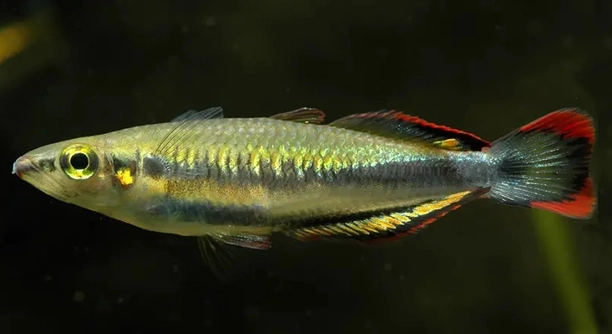
Are your rainbowfish showing signs of stress or unusual behavior in your aquarium? Maintaining a healthy environment requires careful attention to their needs, from water quality to tank setup. Small mistakes can affect their well-being significantly.
Avoiding overcrowding, improper diet, poor water quality, aggressive tankmates, inadequate hiding spaces, sudden temperature changes, and incorrect lighting are key factors in maintaining a stable and thriving rainbowfish aquarium. Addressing these issues ensures long-term health and vibrant coloration.
Understanding these common pitfalls will help you create a safer, more comfortable habitat for your rainbowfish and support their natural behaviors effectively.
Overcrowding the Tank
Overcrowding is a common issue in rainbowfish aquariums. These fish need space to swim freely, and a crowded tank increases stress, disease risk, and aggression among tankmates. When too many fish share limited space, water quality deteriorates faster, creating higher ammonia and nitrate levels. Stress can lead to faded colors, loss of appetite, and weakened immunity. It is important to calculate the appropriate number of rainbowfish based on tank size. Providing enough room for each fish encourages natural behaviors and keeps the community peaceful. Regularly monitoring fish activity helps identify if the tank is too crowded. Additionally, plants and decorations should be balanced so they do not further limit swimming space. Choosing the right number of fish and spacing out decorations carefully ensures a healthier environment. Avoiding overcrowding is one of the simplest ways to prevent long-term health problems in your rainbowfish.
Limiting the number of fish in the tank maintains water quality and reduces stress, keeping rainbowfish vibrant and active.
Observing fish interactions is crucial. Signs of aggression or hiding indicate the tank may be too full. Adjusting fish numbers gradually and maintaining proper filtration can restore balance. Overcrowding not only affects behavior but also accelerates waste buildup, making maintenance more difficult. Planning for growth and allowing extra space for juveniles prevents sudden overpopulation. A well-sized tank supports a thriving ecosystem where rainbowfish can display their natural colors and schooling behavior. Regularly checking water parameters and adding supplements when necessary helps fish remain healthy. Proper tank size and careful stocking decisions are simple measures that make a significant difference in keeping rainbowfish content and lively.
Improper Diet
Feeding rainbowfish an unbalanced diet can lead to poor health and stunted growth. These fish need a mix of high-quality flakes, pellets, and occasional live or frozen foods. A variety of foods ensures they get all essential nutrients. Overfeeding is another concern; leftover food pollutes the tank and harms water quality. Establishing a feeding routine with measured portions prevents these issues. Observing fish during feeding helps gauge appetite and identify problems early. Nutrient-rich foods support vibrant coloration, active behavior, and disease resistance, while poor diet can weaken immunity and shorten lifespan. Providing diverse foods suited to rainbowfish needs is essential for long-term health.
A balanced diet improves colors, energy, and overall health, preventing common nutrition-related problems in the aquarium.
Rainbowfish benefit from small, frequent meals instead of a single large feeding. Mixing high-quality flakes with occasional frozen or live foods replicates their natural diet and encourages natural foraging behavior. Supplementing with vegetables or spirulina-based foods enhances color and vitality. Avoid feeding only one type of food as this can lead to deficiencies. Removing uneaten food promptly prevents water contamination and reduces the risk of algae growth. Observing how each fish responds to different foods can help fine-tune the diet for optimal health. Consistency in feeding routines combined with varied, nutritious foods creates a stable environment, supporting growth and energy. Over time, healthy feeding practices allow rainbowfish to thrive, display their full colors, and maintain strong resistance to disease. A proper diet is the foundation for a lively, balanced aquarium.
Poor Water Quality
Maintaining clean water is essential for rainbowfish health. High ammonia, nitrite, or nitrate levels can cause stress, disease, and even death. Regular testing and water changes keep conditions stable and safe. Filtration should match tank size to ensure efficient removal of waste.
Contaminated water affects rainbowfish behavior and coloration. Uneaten food, decaying plants, and overcrowding increase toxins. Using a reliable filter, performing weekly partial water changes, and testing water parameters helps maintain balance. Sudden fluctuations in temperature or pH also stress fish. Monitoring the tank closely allows early detection of problems, preventing long-term harm. Healthy water conditions encourage active swimming, schooling, and natural feeding behaviors.
Proper water maintenance involves consistent care and observation. Even minor changes in water chemistry can impact rainbowfish. Avoiding harsh chemicals, adding dechlorinated water, and keeping substrate clean contribute to a stable environment. Regularly cleaning the filter and replacing worn media supports efficiency. Establishing a routine for testing ammonia, nitrite, nitrate, and pH ensures early detection of potential issues. Over time, consistent water management promotes strong immune systems, bright coloration, and peaceful interactions among rainbowfish. A well-maintained aquarium supports both fish health and overall tank stability.
Aggressive Tankmates
Rainbowfish can be stressed by aggressive species in the tank. Territorial or fin-nipping fish cause injuries, fear, and hiding, affecting health and color. Careful selection of peaceful companions is crucial for a harmonious environment.
Choosing compatible tankmates reduces aggression and allows rainbowfish to display natural behaviors. Avoiding overly dominant or predatory species prevents stress and physical harm. Peaceful schooling fish, like tetras or rasboras, often coexist well. Observing interactions helps identify potential conflicts early.
Aggressive tankmates can also impact feeding routines. Rainbowfish may be chased away from food, leading to uneven growth or malnutrition. Adding hiding spots and maintaining adequate space can reduce tensions, but selecting calm species remains the most effective solution. Regular monitoring ensures harmony, and separating problematic fish promptly prevents injuries. Over time, a peaceful community allows rainbowfish to swim freely, school naturally, and maintain vivid colors. Consistent observation and proactive adjustments create a stable, stress-free environment that benefits all tank inhabitants.
Inadequate Hiding Spaces
Rainbowfish need places to retreat when feeling stressed or threatened. A tank with too few plants, decorations, or caves can leave them exposed, increasing anxiety and aggression. Providing ample hiding spots supports natural behavior and a sense of security.
Without adequate shelters, rainbowfish may become timid and less active. Dense plants, driftwood, and rocks create safe zones where they can rest or escape conflicts. This reduces stress, encourages schooling, and promotes healthier interactions. Hiding spaces also give shy or new fish time to acclimate without being bullied.
Sudden Temperature Changes
Rainbowfish are sensitive to rapid shifts in water temperature, which can cause shock, weaken immunity, and trigger disease. Maintaining a stable, appropriate temperature range is crucial for their health and activity levels.
Incorrect Lighting
Too much or too little light affects rainbowfish behavior and plant growth. Proper lighting enhances color, supports natural cycles, and keeps algae under control.
Ignoring Water Parameters
Neglecting pH, hardness, and other water parameters leads to poor health, stunted growth, and disease. Regular testing and adjustments are essential to maintain a stable and suitable environment for rainbowfish.
FAQ
How often should I change the water in a rainbowfish aquarium?
Water changes are essential for keeping rainbowfish healthy. A partial water change of 20-30% every week helps maintain stable water conditions and reduces the buildup of harmful chemicals. If the tank is heavily stocked, slightly more frequent changes may be necessary. Always treat tap water with a dechlorinator before adding it to the tank. Monitoring water parameters after changes ensures the environment remains stable and prevents stress-related problems for your fish. Consistent maintenance keeps the aquarium clean and supports healthy fish behavior.
What is the ideal temperature for rainbowfish?
Rainbowfish thrive in water temperatures between 74°F and 78°F (23°C to 26°C). Sudden fluctuations can cause stress, weaken immunity, and make them more prone to disease. Using a reliable heater and thermometer allows you to maintain consistent temperature levels. Avoid placing the tank near drafty windows or heat sources that can create rapid changes. Maintaining a stable temperature encourages normal activity, schooling behavior, and vibrant coloration. Regularly checking the thermometer helps prevent unnoticed shifts that could harm your rainbowfish over time.
Can rainbowfish live with other fish species?
Yes, rainbowfish generally get along with peaceful tankmates. Suitable companions include tetras, rasboras, and other non-aggressive community fish. Avoid large, territorial, or fin-nipping species, as these can cause stress and injury. Observing interactions is important, especially during the first few weeks of introducing new fish. Adding hiding spots reduces tension and allows shy fish to acclimate safely. A well-planned community tank ensures rainbowfish remain active, healthy, and display natural schooling behavior. Over time, compatible species can coexist without conflict.
How much should I feed my rainbowfish?
Rainbowfish should be fed small portions two to three times a day. Overfeeding can pollute the tank and harm water quality, while underfeeding may stunt growth. A mix of high-quality flakes, pellets, and occasional frozen or live foods ensures proper nutrition. Remove uneaten food promptly to prevent decay and excess waste. Monitoring how much the fish eat helps adjust portions over time. Providing a balanced diet supports vibrant colors, energy, and disease resistance. Feeding routines contribute significantly to maintaining a stable and healthy aquarium environment.
What are signs that my rainbowfish are stressed?
Stressed rainbowfish may show faded colors, erratic swimming, loss of appetite, or hiding more than usual. Aggression, fin clamping, or unusual breathing can also indicate stress. Identifying the cause is crucial, whether it’s poor water quality, overcrowding, or aggressive tankmates. Correcting the underlying issue quickly reduces long-term health risks. Adding hiding spots, maintaining clean water, and ensuring proper diet and tank conditions help reduce stress and encourage natural behavior. Observing daily interactions allows early detection and prevents more serious problems.
How do I maintain proper water quality?
Test water weekly for ammonia, nitrite, nitrate, and pH levels. Use a reliable filter that matches your tank size and perform regular partial water changes to remove toxins. Avoid overfeeding and remove uneaten food promptly. Proper water circulation and aeration support healthy oxygen levels. Keep substrate and decorations clean to reduce waste accumulation. Stable water conditions prevent stress, disease, and coloration issues. A consistent maintenance routine ensures a safe environment, supporting overall rainbowfish health and behavior.
What plants and decorations are best for rainbowfish?
Live plants like java fern, anubias, and hornwort provide shelter and improve water quality by absorbing nitrates. Smooth rocks, driftwood, and caves create hiding spots and reduce stress. Avoid sharp or rough decorations that may injure fish. Arrange plants and decor to leave swimming space. Hiding spots are important for shy or new fish to feel secure. A balanced setup supports natural behaviors, encourages schooling, and promotes a visually appealing aquarium. Well-placed plants and decorations also contribute to water stability and overall tank health.
Can rainbowfish tolerate brackish water?
Rainbowfish are primarily freshwater fish and do not thrive in brackish conditions. Saltwater or high-salinity environments can cause stress, health decline, and even death. Maintaining stable freshwater conditions with proper pH, hardness, and temperature ensures long-term health. Use freshwater treatments and avoid adding salt unless advised for specific health treatments. Providing the correct environment supports activity, coloration, and reproduction. Freshwater stability is essential for their immune system and overall well-being.
How do I prevent diseases in a rainbowfish aquarium?
Maintaining clean water, proper diet, and compatible tankmates is the first line of defense. Quarantine new fish before adding them to the tank. Avoid sudden temperature or pH changes, and provide hiding spots to reduce stress. Observing fish daily helps detect early signs of illness. Promptly remove sick fish and treat with appropriate medications if needed. Consistent care and monitoring prevent outbreaks, support immune systems, and maintain a thriving, disease-free aquarium. Healthy habits reduce the likelihood of parasites, fungal infections, and bacterial diseases.
How long do rainbowfish live?
Rainbowfish typically live 5 to 8 years with proper care. Lifespan depends on diet, water quality, tank size, and stress levels. Maintaining optimal conditions and avoiding common mistakes like overcrowding and aggressive tankmates increases longevity. Regular monitoring and consistent care allow rainbowfish to reach their full potential in both health and coloration. Ensuring a stable, well-maintained environment supports a longer, healthier life for these vibrant, active fish.
This FAQ provides practical solutions and guidance for maintaining rainbowfish health, emphasizing stable water, diet, and compatible tankmates. Consistent observation and care make a significant difference in their long-term well-being.
Maintaining a rainbowfish aquarium requires attention to several key factors, but it does not have to feel overwhelming. Ensuring proper water quality, feeding, and tank setup is essential for the health and longevity of the fish. Water conditions are the foundation of a thriving aquarium, and keeping ammonia, nitrite, nitrate, pH, and temperature levels stable helps prevent stress and disease. Regular partial water changes, combined with proper filtration, make a noticeable difference in fish activity, coloration, and overall behavior. A consistent maintenance routine is far more effective than occasional large cleanings, and it supports a balanced ecosystem for all tank inhabitants. Over time, keeping track of water parameters and observing how the fish respond to their environment allows small problems to be addressed before they escalate into major issues.
Providing the right tank setup is equally important. Rainbowfish need space to swim freely, hiding spots for security, and compatible tankmates to reduce stress and aggression. Overcrowding is a common mistake that leads to conflict, stress, and poor water quality, all of which can affect fish health. Thoughtful placement of plants, decorations, and open swimming areas helps the fish display natural behaviors and maintain their vibrant coloration. Additionally, the choice of tankmates influences how rainbowfish interact and thrive. Peaceful community species create a calmer environment, while aggressive or territorial fish increase stress levels and may cause injuries. By paying attention to tank layout and stocking choices, it is possible to create a stable and visually appealing aquarium where rainbowfish can flourish.
Feeding and diet play a significant role in the well-being of rainbowfish. A varied diet that includes high-quality flakes, pellets, and occasional live or frozen foods ensures they receive all essential nutrients. Overfeeding can pollute the water, while underfeeding can lead to malnutrition and weakened immunity. Observing how the fish eat and adjusting portions accordingly helps maintain both water quality and individual health. Along with proper feeding, monitoring fish behavior, health, and coloration provides early indications of any issues, allowing for timely adjustments. By combining consistent maintenance, careful tank setup, and a balanced diet, it is possible to support the long-term health and happiness of rainbowfish. Creating a stable, stress-free environment encourages natural behavior, bright colors, and active swimming, ensuring a rewarding and enjoyable aquarium experience.

Hello,
If you enjoy the content that we create, please consider saying a "Thank You!" by leaving a tip.
Every little bit helps us continue crafting quality advice that supports the health, happiness, and well-being of pets around the world, for pets of all shapes, sizes, and species.
We really appreciate the kindness and support that you show us!