
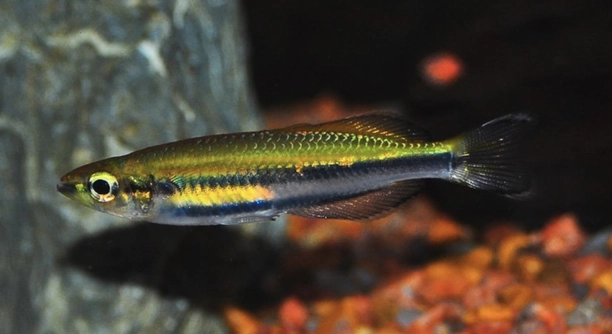
Rainbowfish are colorful and lively fish that enjoy calm and well-structured environments. Their behavior is influenced by many factors in the aquarium, including the types of plants that float on the water surface. These plants create a comfortable habitat for them.
Rainbowfish prefer floating plants because these plants provide shelter, reduce stress, and create shaded areas that mimic natural habitats. Floating plants also help maintain water quality and offer spaces for breeding, foraging, and social interaction, improving overall fish well-being.
Floating plants can transform an aquarium, giving rainbowfish a more natural and secure environment to thrive in every day.
Shelter and Security
Floating plants give rainbowfish a sense of safety. The leaves on the water surface create shaded areas where the fish can hide and rest. This reduces their stress, especially in tanks with strong lighting or active tankmates. When rainbowfish feel secure, they swim more confidently, explore their surroundings, and interact more naturally. Over time, a tank with floating plants tends to have calmer fish that display healthier behavior and coloration. Many aquarists notice that rainbowfish use these plants as resting spots during the day, retreating under the leaves when they want privacy or a break from activity. Floating plants also soften water flow, giving small or delicate fish areas to escape strong currents. By creating a mix of open swimming space and covered areas, you support the natural instincts of rainbowfish, allowing them to feel safe while still being active.
Shaded areas provided by floating plants help rainbowfish reduce stress and avoid overly bright or open spaces in the tank.
The presence of floating plants in the aquarium makes it easier for rainbowfish to establish territories. Fish naturally divide space when they have hiding spots, reducing aggressive encounters. Plants offer secure locations for fry and younger fish, helping them survive in community tanks. Even adult rainbowfish use floating plants for brief retreats, balancing safety with activity. By providing these plants, you allow the fish to express natural behaviors like schooling under leaves, hovering near surfaces, or grazing around roots. This setup supports mental and physical health, creating a more balanced and vibrant aquarium environment. Overall, shelter from floating plants directly contributes to calmer, healthier, and more active rainbowfish.
Natural Filtration
Floating plants help improve water quality by absorbing excess nutrients and reducing algae growth. This creates a cleaner, healthier environment for rainbowfish to thrive.
By filtering the water naturally, floating plants maintain a balanced ecosystem that keeps rainbowfish active and healthy.
These plants draw nutrients like nitrates and phosphates directly from the water, which reduces the risk of water fouling and algae blooms. Healthier water conditions prevent stress-related illnesses and promote better growth and color in rainbowfish. Unlike chemical filtration alone, the natural uptake by plants adds stability to the aquarium’s ecosystem. Floating plants also provide surfaces for beneficial bacteria to colonize, enhancing the biological filtration already present in the tank. Additionally, they reduce light penetration slightly, which further discourages algae overgrowth on the tank walls and substrate. By combining water filtration and shaded areas, floating plants contribute to both cleaner water and a more natural environment. Maintaining these plants is simple: trimming overgrown leaves and monitoring water levels ensures that the filtration benefits continue consistently. This dual role of improving water quality and providing habitat makes floating plants an essential addition for rainbowfish care.
Breeding Benefits
Floating plants create safe spaces for rainbowfish to lay eggs and protect fry from being eaten. The roots and leaves give young fish areas to hide, increasing survival rates in community tanks.
These plants offer fine, dense roots that act as natural egg traps. Rainbowfish often deposit their eggs near the roots or under floating leaves, where predators have limited access. This setup encourages breeding without additional equipment or artificial hiding places. The presence of floating plants mimics the natural spawning environment found in rivers and streams, which makes fish more comfortable and likely to reproduce. Fry can hide among the roots and leaves immediately after hatching, reducing stress and improving early development.
Breeding is smoother in tanks with floating plants because adult rainbowfish are less stressed. The shaded areas allow fish to focus on spawning behaviors, and fry have immediate cover. The plants also prevent eggs from drifting into unsafe areas, keeping them healthy until hatching.
Temperature Regulation
Floating plants help keep aquarium water cooler by shading it from direct lighting, which reduces heat stress on rainbowfish.
The shade created by floating plants slows water warming and keeps temperature fluctuations smaller. Rainbowfish are sensitive to sudden temperature changes, which can weaken their immune system or reduce activity. By limiting light penetration, plants provide a more stable environment. In warmer months or tanks with strong lighting, shaded areas can prevent overheating, ensuring fish remain comfortable and active.
Floating plants act as a natural buffer, absorbing sunlight and reflecting it away from the tank. This creates cooler pockets and reduces overall heat absorption. Additionally, evaporation from leaves helps regulate water temperature slightly while adding humidity in open-topped tanks. Maintaining a consistent temperature supports normal metabolic rates and prevents stress-induced behaviors such as hiding or erratic swimming. For aquarists, floating plants are a low-maintenance method to reduce temperature swings without relying solely on equipment. Their presence benefits all fish in the tank, particularly rainbowfish, which thrive in stable, moderate conditions.
Hiding Spots
Floating plants offer quick cover for rainbowfish when they feel threatened or need privacy. The leaves and roots give them places to retreat and feel safe.
These plants reduce stress by providing constant, easily accessible hiding areas. Fish can stay calm and recover after interactions with other tankmates.
Foraging Opportunities
Rainbowfish often graze on tiny organisms that live among floating plant roots. This natural feeding behavior keeps them active and engaged. Floating plants encourage movement near the surface, giving rainbowfish easy access to these microfoods. They also allow fish to explore and search for nutrients naturally, which supports their health and vitality.
Social Interaction
Floating plants create shaded zones that allow rainbowfish to school more comfortably. This encourages natural social behaviors and reduces aggressive encounters.
What types of floating plants are best for rainbowfish?
Some of the easiest floating plants for rainbowfish include duckweed, water lettuce, and frogbit. These plants are lightweight, provide ample shade, and grow quickly. They don’t require special care, making them ideal for beginners. Their roots hang down into the water, offering hiding spots and surfaces for microorganisms that rainbowfish enjoy grazing on.
How many floating plants should I add to my aquarium?
You don’t need to cover the entire surface. Around 25 to 50 percent of the water surface is ideal. This balance ensures there is enough shaded area while leaving open space for swimming. Overcrowding the tank can restrict light for other plants and reduce oxygen exchange. It’s better to start small and gradually add more if needed.
Do floating plants affect water quality?
Yes, floating plants help maintain water quality by absorbing excess nutrients such as nitrates and phosphates. They reduce algae growth by limiting light penetration and provide surfaces for beneficial bacteria to colonize. However, dead or decaying plants can pollute water, so regular trimming and maintenance are important.
Can floating plants harm rainbowfish?
Floating plants are generally safe for rainbowfish. However, extremely dense mats can restrict swimming space and reduce oxygen circulation. It’s important to monitor the tank and thin out plants if necessary. As long as you maintain balance, the fish will benefit from shade, hiding spots, and natural foraging areas.
Do floating plants help with breeding?
Yes, floating plants are excellent for breeding rainbowfish. The roots and leaves create areas where eggs can settle safely, reducing the chance of being eaten by adults or other tankmates. Fry can hide among the roots immediately after hatching, increasing survival rates and supporting healthy early growth.
How do I care for floating plants?
Floating plants need minimal care. They grow quickly and may require weekly trimming to prevent overcrowding. Remove any yellowing or dead leaves promptly. Occasional water changes and monitoring nutrient levels help them thrive. Adequate lighting ensures healthy growth, but avoid placing them under very strong light for long periods.
Will floating plants block light for other plants?
Yes, they can reduce light reaching plants beneath the surface. To avoid this, ensure you only cover part of the tank and move plants around if needed. Balancing floating plants with rooted plants allows both types to grow well without competition for light.
Can floating plants reduce algae?
Yes, by shading the water and absorbing nutrients, floating plants limit algae growth. They compete with algae for resources and reduce the amount of sunlight reaching surfaces where algae can form. Regular maintenance helps keep this effect consistent.
Are there any special considerations for community tanks?
Floating plants are generally compatible with most community fish. However, aggressive or fast-moving species might damage delicate plants. Also, some fish may uproot or eat certain species, so choose hardy varieties like duckweed or frogbit. The plants still provide hiding spots and cover for more timid fish.
Do floating plants need fertilizers?
In a well-established tank, floating plants usually get enough nutrients from fish waste and decaying matter. If growth slows, a diluted liquid fertilizer can be used occasionally. Avoid over-fertilizing, as it may encourage algae growth instead of helping the plants.
How often should I trim floating plants?
Trimming is recommended weekly or whenever plants start covering too much surface. Removing excess growth ensures proper light for other plants, prevents overcrowding, and keeps water flowing well. Trimmed plants can sometimes be propagated in another tank or shared with other aquarists.
Can floating plants survive without roots?
Yes, many floating plants absorb nutrients directly from the water. Roots are mainly for stability and providing microhabitats. Even without fully developed roots, plants like duckweed or salvinia can thrive if water conditions are suitable and nutrients are available.
Do floating plants impact oxygen levels?
They provide oxygen during photosynthesis, but at night, they consume oxygen like all plants. Dense mats may reduce surface exchange, so it’s important not to overpopulate the tank. A balance of floating plants and open water ensures oxygen levels remain healthy for rainbowfish.
Will rainbowfish eat floating plants?
Rainbowfish usually nibble lightly but do not destroy them. Some species may occasionally graze on leaves, especially if other food is scarce. Hardy floating plants can tolerate minor nibbling, and the plants’ benefits outweigh small damage from occasional grazing.
Can floating plants survive in low light?
Many floating plants tolerate low to moderate light, but growth will be slower. Duckweed, frogbit, and water lettuce adapt well to less intense lighting. Ensure they still receive enough light to prevent yellowing or decay while providing shaded areas for rainbowfish.
Do floating plants help with stress?
Yes, they reduce stress by offering shade and hiding spots. Rainbowfish feel safer with areas to retreat, leading to calmer swimming, brighter colors, and more natural behavior. Stress reduction also improves immunity and overall health.
How do I prevent floating plants from overtaking the tank?
Regular trimming and thinning help control growth. Monitor their spread and remove excess to maintain open swimming space. Rotating plants or temporarily removing some can keep balance. Managing growth ensures the tank remains healthy for rainbowfish while keeping the plants effective.
Are floating plants compatible with all water types?
Most floating plants tolerate a range of water conditions, but they prefer slightly soft to moderately hard water. Avoid extreme pH or very cold temperatures. Checking specific species requirements ensures they thrive alongside rainbowfish in your tank.
Can floating plants help during hot weather?
Yes, they provide shade and reduce direct light exposure, helping prevent water temperature spikes. Cooler water pockets under leaves protect rainbowfish from heat stress and create more comfortable swimming zones during warm months.
Do I need to clean floating plants?
Occasional cleaning removes dust, algae, or dead leaves. Gently rinse them in tank water during water changes. Avoid harsh soaps or chemicals. Regular upkeep keeps plants healthy and maintains water quality for rainbowfish.
Will floating plants improve rainbowfish color?
By reducing stress and providing a natural environment, floating plants indirectly enhance coloration. Fish that feel safe, have access to natural grazing areas, and experience stable conditions often display brighter, more vibrant colors.
How long do floating plants live?
Lifespan varies by species. Duckweed and frogbit grow quickly but may only last a few months before needing replacement. Water lettuce and salvinia can persist longer with proper care. Regular maintenance ensures continuous coverage and benefits.
Can floating plants survive in aquariums with strong filtration?
Yes, as long as water flow isn’t too strong. Plants need calm surfaces to float. Position them where current is gentle to prevent being pushed under or damaged. Strong filtration does not harm growth if placement is considered.
Do floating plants need CO₂ supplementation?
No, they absorb CO₂ from the water naturally. In most home aquariums, additional CO₂ is unnecessary. These plants grow well without extra supplementation, making them low-maintenance and ideal for rainbowfish tanks.
Can floating plants be used with other live plants?
Yes, they complement rooted plants by providing shade, helping maintain water quality, and offering microhabitats. Balancing floating and rooted plants creates a diverse environment that benefits rainbowfish and other tank inhabitants.
Are floating plants safe for fry?
Absolutely. The roots and leaves give fry protection from adults and other fish. They create small pockets where young fish can hide and grow safely, increasing survival rates in community tanks.
Can floating plants survive in low-nutrient tanks?
Many species survive in low-nutrient tanks, but growth may be slower. Adding fish or occasional fertilization helps sustain healthy growth. They are hardy enough to provide benefits even in less nutrient-rich environments.
Do floating plants need a lid on the aquarium?
Not necessarily, but a lid prevents them from drifting out of the tank. It also reduces evaporation and keeps plants in place. Most floating plants adapt well to covered or open tanks.
How quickly do floating plants grow?
Growth rates vary by species, light, and nutrients. Duckweed can double in a few days under ideal conditions. Faster growth means more frequent trimming but also more coverage and benefits for rainbowfish.
Can floating plants survive with saltwater?
No, most floating plants are freshwater species. They do not tolerate saltwater conditions and will die in marine tanks. They are suitable only for freshwater rainbowfish aquariums.
Do floating plants help reduce nitrate levels?
Yes, they absorb nitrates from water as nutrients. This reduces accumulation and helps maintain a healthier environment, lowering stress and promoting growth for rainbowfish.
Can floating plants be propagated?
Yes, many species reproduce quickly. Duckweed and frogbit split naturally, while water lettuce can be divided by separating offsets. Propagation ensures a continuous supply for the tank and easy sharing.
How do I choose the right floating plant for my tank?
Consider tank size, light levels, and growth rate. Hardy, fast-growing plants like duckweed or frogbit work for most setups. Ensure plants are compatible with tankmates and provide enough coverage without overcrowding. Balance is key for healthy rainbowfish and plants.
Do floating plants affect tank maintenance?
They can slightly increase maintenance due to trimming and removal of decaying leaves. However, they reduce algae growth and improve water quality, offsetting extra work and creating a healthier tank for rainbowfish.
Can floating plants survive in varying pH?
Most tolerate a range of pH, typically between 6.0 and 8.0. Extreme acidity or alkalinity may stunt growth or cause decay. Monitoring water parameters helps maintain healthy plants and rainbowfish.
Do floating plants need special lighting?
Moderate light is sufficient. They grow under standard aquarium lighting but will benefit from natural daylight or full-spectrum LED for optimal growth. Avoid very intense light that may scorch leaves.
Will floating plants attract pests?
Occasionally, snails or small insects may attach to floating plants. Regular inspection and maintenance prevent infestations. The benefits to rainbowfish outweigh minor pest risks.
Can floating plants survive in small tanks?
Yes, as long as coverage is proportionate. In small tanks, only a few plants are needed to provide shade and shelter without overcrowding the swimming space.
Do floating plants require daily care?
No, weekly trimming and occasional checks are usually enough. Minimal care keeps plants healthy and supports rainbowfish without daily maintenance.
Can floating plants survive in low-light bedrooms or offices?
Many species tolerate indirect light but grow slower. Position them where they receive some natural or artificial light to maintain health while still providing shade and hiding spots.
Do floating plants compete with other plants?
They can shade rooted plants, slowing their growth. Proper placement ensures both types thrive without limiting light or nutrients for one another.
Are floating plants beneficial for all freshwater fish?
While especially helpful for rainbowfish, they benefit many freshwater species by providing shade, hiding spots, and natural grazing areas, improving overall tank health.
How do I remove floating plants safely?
Use a net or scoop, being gentle to avoid breaking leaves. Remove dead or overgrown plants during water changes to maintain balance. This keeps the aquarium clean and healthy.
Can floating plants survive winter in heated indoor tanks?
Yes, indoor temperatures in heated aquariums allow year-round survival. Ensure lighting and nutrients remain adequate during colder months for continued growth.
Do floating plants release toxins?
Healthy floating plants do not release harmful toxins. They improve water quality, provide oxygen, and create a safe environment for rainbowfish.
Are floating plants easy to replace?
Yes, fast growth and propagation make replacement simple. Removing old or damaged plants and adding new ones keeps the tank balanced.
Can floating plants survive without fish?
Yes, they absorb nutrients from water, but growth may slow without natural fertilization from fish waste. Occasional supplementation can maintain healthy growth.
Do floating plants need pruning for fish health?
Yes, trimming ensures open swimming areas, prevents overcrowding, and maintains proper oxygen exchange, supporting overall rainbowfish health.
How long do I need to maintain floating plants?
Continuous care is needed, including trimming and occasional cleaning. Regular attention ensures the plants continue providing shade, shelter, and water benefits for rainbowfish.
Can floating plants survive in new aquariums?
Yes, but watch nutrient levels. They may grow slower initially until the tank stabilizes with fish waste and light availability.
Do floating plants support beneficial bacteria?
Yes, roots and leaves provide surfaces for bacteria to colonize, enhancing biological filtration and supporting water quality for rainbowfish.
Are floating plants compatible with shrimp or snails?
Yes, they provide hiding spots and surfaces for grazing. Most freshwater shrimp and snails coexist well with floating plants without damage.
Can floating plants prevent overfeeding issues?
Indirectly, they slow feeding by providing grazing areas, encouraging fish to explore and forage rather than overeating prepared foods, helping maintain tank balance.
Do floating plants survive in tanks with aeration?
Yes, gentle aeration does not harm floating plants. Strong currents may need adjustment to keep them floating and intact.
Can floating plants survive being moved between tanks?
Yes, but acclimate them to new water conditions slowly. Sudden changes in temperature or chemistry can stress plants, affecting growth.
Do floating plants need special substrate?
No, they float freely and do not require substrate. Roots hang in the water column, drawing nutrients directly from the water.
Are floating plants affected by water hardness?
Most tolerate soft to moderately hard water. Extreme hardness may slow growth or cause minor leaf damage. Monitoring conditions ensures healthy plants and rainbowfish.
Do floating plants help reduce fish aggression?
Yes, by creating shaded areas and hiding spots, they allow rainbowfish to avoid direct confrontations, reducing stress and aggression in the tank.
Can floating plants survive in aquaponics setups?
Yes, they thrive in nutrient-rich water, providing shade and filtering benefits while supporting fish health in aquaponic systems.
Are floating plants safe for children’s aquariums?
Yes, they are low-maintenance and non-toxic, making them safe for family aquariums while offering benefits to rainbowfish and other freshwater fish.
Do floating plants need to be anchored?
No, they naturally float. Anchoring is unnecessary unless you want to control placement. Floating freely allows roots to sway and provide natural habitats for fish.
Can floating plants grow under LED lights?
Yes, most respond well to standard aquarium LEDs. Moderate lighting supports healthy growth without excessive maintenance or energy use.
Do floating plants provide oxygen at night?
They consume oxygen at night like all plants but overall contribute to better oxygen balance during the day through photosynthesis.
Can floating plants survive in unheated tanks?
Many species tolerate cooler water but may grow slower. Extreme cold can damage or kill some types, so choose hardy varieties for unheated tanks.
Do floating plants affect pH levels?
They have minimal impact on pH, helping maintain stability while improving water quality and providing shelter for rainbowfish.
How often should I replace floating plants?
Replace when growth slows, leaves yellow, or mats become too dense. Regular replacement maintains coverage, water quality, and habitat benefits for rainbowfish.
Can floating plants survive in outdoor tanks?
Yes, in suitable climates, they thrive with adequate sunlight and protection from strong winds or heavy debris. Monitoring nutrient levels helps prevent overgrowth or decay.
Do floating plants need special care for fry survival?
Ensure roots are dense enough for hiding, remove decaying leaves, and monitor water quality. This provides a safe, supportive environment for young rainbowfish.
Can floating plants survive in tanks without filtration?
Yes, but water quality may fluctuate. They help filter naturally, but regular water changes are necessary to maintain a healthy environment.
Are floating plants compatible with bettas?
Generally yes, though aggressive bettas may tear delicate plants. Hardy varieties survive better, providing hiding spots and shaded areas without being destroyed.
Do floating plants help reduce fish mortality?
Yes, by providing shade, hiding spots, and stable water conditions, they reduce stress and create safer environments, supporting rainbowfish survival and health.
Can floating plants survive in high-light aquariums?
Yes, though some shading may be needed to prevent scorching. Dense growth helps moderate light for fish and submerged plants.
Do floating plants require fertilizers in a heavily stocked tank?
Usually not, as fish waste supplies nutrients. Occasional supplementation can support faster growth if needed, but over-fertilization may encourage algae.
Can floating plants survive in nano tanks?
Yes, with careful selection and limited coverage to maintain swimming space. Small tanks benefit from shade and hiding spots without overcrowding.
Do floating plants provide food for rainbowfish?
Indirectly, by supporting microorganisms and algae that rainbowfish graze on. They supplement a balanced diet naturally and encourage foraging behavior.
Are floating plants safe with aquatic frogs?
Yes, they provide shelter and shade without harming frogs. Frogs may occasionally rest on leaves without damaging the plants significantly.
Do floating plants need regular water changes?
Yes, standard water changes maintain nutrient balance and prevent decay. Plants benefit from fresh water, supporting health for rainbowfish.
Can floating plants survive in aquariums with lighting timers?
Yes, timers help regulate light exposure, supporting consistent growth and preventing excessive algae or plant stress.
Do floating plants improve aquarium aesthetics?
Yes, they add natural beauty, create movement with flowing roots, and provide visual appeal while benefiting rainbowfish and other inhabitants.
Are floating plants safe with shrimp breeding?
Yes, they provide hiding spaces for shrimp eggs and juveniles, improving survival and encouraging natural behaviors.
Can floating plants be combined with artificial decorations?
Yes, they float naturally around decorations without interference, enhancing both aesthetics and functional habitat for rainbowfish.
Do floating plants survive in tanks with air stones?
Yes, gentle bubbles do not harm plants. Strong currents may need adjustment to prevent submersion or displacement.
Can floating plants grow year-round indoors?
Yes, with stable lighting and nutrients, they provide continuous coverage, shade, and habitat for rainbowfish throughout the year.
Do floating plants require pest control?
Occasional snails or algae may appear, but regular inspection and maintenance prevent problems. They are low-maintenance overall.
Are floating plants compatible with goldfish?
Goldfish may nibble or uproot delicate plants, so choose hardy species or accept some damage. They still provide shade and improve water quality.
Can floating plants survive without trimming?
Over time, they can overcrowd the tank, block light, and decay. Regular trimming is necessary to maintain a healthy balance.
Do floating plants help reduce light stress?
Yes, they shade the aquarium, reducing glare and creating shaded areas where rainbowfish can feel safe and comfortable.
Can floating plants survive in very soft water?
Floating plants are one of the simplest ways to improve an aquarium for rainbowfish. They provide shade, hiding spots, and a more natural environment that rainbowfish enjoy. By covering part of the water surface, these plants reduce stress and make the fish feel secure. This helps them swim calmly, interact naturally with other fish, and display their colors more brightly. Even small tanks can benefit from floating plants because they take up little space while still offering significant advantages. Over time, the presence of floating plants can change the behavior of rainbowfish for the better, making them more confident and less prone to stress-related issues.
In addition to behavioral benefits, floating plants contribute to better water quality. Their roots absorb excess nutrients like nitrates and phosphates, which reduces algae growth and keeps the water clearer. They also provide surfaces for beneficial bacteria to grow, which improves biological filtration. By helping maintain a cleaner and more balanced environment, floating plants reduce the need for excessive tank maintenance. This combination of natural filtration and habitat improvement makes them a practical choice for both beginner and experienced aquarists. When maintained properly through regular trimming and removal of dead leaves, floating plants continue to support a healthy, stable aquarium environment.
Finally, floating plants offer advantages beyond basic survival and water quality. They create areas for breeding, giving rainbowfish a safe place to lay eggs and for fry to hide after hatching. They also encourage natural foraging behavior, as small organisms grow among the roots and leaves. The plants help regulate temperature slightly by shading the water, which is especially useful in tanks with strong lighting or during warmer months. Overall, floating plants provide a combination of safety, comfort, and utility that benefits rainbowfish in multiple ways. With minimal care, these plants can transform a simple aquarium into a more vibrant, natural, and balanced habitat. Incorporating floating plants is an easy and effective way to enhance the health and happiness of rainbowfish.

Hello,
If you enjoy the content that we create, please consider saying a "Thank You!" by leaving a tip.
Every little bit helps us continue crafting quality advice that supports the health, happiness, and well-being of pets around the world, for pets of all shapes, sizes, and species.
We really appreciate the kindness and support that you show us!