
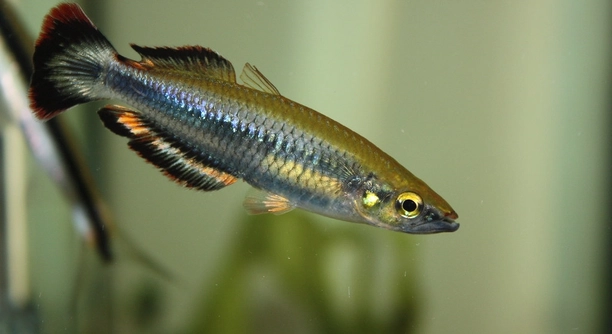
Do you ever watch your rainbowfish swim around the tank and wonder how they interact with their environment? Observing their movements can be both calming and surprisingly entertaining. Small details in their behavior often reveal much about their nature.
Rainbowfish do show interest in bubbles, often swimming through and around them. This interaction is typically playful rather than aggressive. Bubbles provide environmental enrichment, stimulating natural curiosity and promoting movement, which contributes positively to their physical and mental well-being.
Watching rainbowfish interact with bubbles adds a charming dimension to aquarium keeping. Understanding this behavior can improve both care practices and tank enjoyment for enthusiasts.
How Rainbowfish Respond to Bubbles
Rainbowfish react to bubbles in ways that are easy to notice. They often swim quickly toward rising bubbles, brushing past them or chasing them as they float upward. This behavior seems playful, but it also stimulates their natural instincts, like exploring their surroundings and responding to changes in water movement. Younger rainbowfish tend to be more active around bubbles, darting through them with bursts of energy, while older fish may approach more cautiously. Bubbles create small currents, giving fish an opportunity to exercise their fins and maintain coordination. Over time, observing how rainbowfish interact with bubbles can reveal differences in personality and energy levels among individual fish. Some may push bubbles aside, while others swim along the stream, almost riding them. Providing consistent bubble activity can encourage movement, reduce boredom, and improve overall well-being. Tank conditions, such as water clarity and bubble size, also influence their behavior, making each observation slightly different depending on the setup.
Bubble interaction helps rainbowfish stay active and mentally engaged.
Bubbles are more than decoration. They provide gentle stimulation and mimic natural water conditions, which can help rainbowfish remain healthy and alert.
Benefits of Bubble Play
Bubbles can improve tank oxygen levels, creating a healthier environment for rainbowfish.
In addition to being stimulating, bubbles offer several benefits for rainbowfish health. Movement around bubbles encourages consistent swimming, which strengthens their muscles and supports cardiovascular health. The gentle water currents from bubbles can help with fin movement and prevent stiffness. Bubbles also encourage interaction among tank mates, subtly promoting social behavior without aggression. By adding bubbles, tank owners can reduce stress, as the fish have a dynamic environment to explore. Observing how rainbowfish respond allows for adjustments to bubble flow, height, or frequency to keep them engaged. A well-balanced bubble setup can prevent stagnation and create a more natural environment that encourages curiosity and activity. Over time, fish exposed to gentle bubbles often display more vibrant colors and alert behavior. Bubble play is a simple, cost-effective way to enhance tank life, benefiting both physical health and mental stimulation, creating an aquarium that supports rainbowfish comfort and vitality every day.
Setting Up a Bubble-Friendly Environment
Positioning the air stone correctly is key for rainbowfish enjoyment. Place it where fish have room to swim through rising bubbles without crowding. Ensure the flow is gentle, avoiding strong currents that may tire them quickly.
A moderate bubble flow creates both movement and curiosity in the tank. Rainbowfish respond best when bubbles are evenly distributed, giving them multiple areas to interact. Too few bubbles can make the tank feel static, while too many may overwhelm or stress them. Experimenting with placement can help find the right balance. Observing their reactions over several days allows adjustments to flow and location. Proper lighting and tank decorations also play a role, as bubbles may interact differently depending on the environment. A well-planned setup encourages playful swimming, reduces boredom, and supports overall activity.
The size and type of bubbles affect rainbowfish behavior. Smaller, gentle bubbles tend to attract more attention, while larger or fast-rising bubbles may scare or confuse them. Keeping a consistent routine helps rainbowfish become comfortable with bubble activity, promoting natural movement patterns and calmer interactions with other fish.
Common Mistakes to Avoid
Overusing bubble machines can stress fish and disrupt the tank’s balance.
Many tank owners unintentionally create too much turbulence. Excessive bubbles can prevent rainbowfish from swimming comfortably, causing fatigue or erratic movements. It may also interfere with feeding, as bubbles can disperse food before fish reach it. Sudden changes in bubble flow or placement can startle fish, making them hesitant to explore. Maintaining a gentle and steady bubble setup is essential to keep fish engaged without stress. Regular observation helps identify if the bubble activity is suitable, ensuring that rainbowfish remain active, healthy, and confident in their tank.
Ignoring water quality is another common issue. Bubbles increase oxygenation, but they do not replace proper filtration and cleaning routines. Poor water conditions can mask bubble benefits, leading to stress, illness, or unusual behavior. Ensuring water parameters remain stable, combined with careful bubble management, creates an environment where rainbowfish can thrive. This balance supports both their physical health and playful tendencies, maximizing the positive effects of bubble interaction in the tank.
Choosing the Right Air Stone
A small, fine-pored air stone works best for rainbowfish. It produces gentle, consistent bubbles that encourage interaction without overwhelming them.
Avoid oversized or coarse air stones, as these can create strong currents and large bubbles that may stress the fish or disrupt swimming patterns.
Bubble Placement Tips
Place bubbles away from strong tank filters to prevent turbulence. Positioning them near open swimming areas allows rainbowfish to explore freely and encourages natural movement patterns. Observing how the fish respond helps adjust placement for optimal engagement and comfort.
Monitoring Fish Behavior
Watch for signs of stress or hesitation around bubbles. Active and curious swimming indicates the bubble setup is well-suited to their needs.
Adjusting Bubble Flow
Too fast or erratic bubble flow can tire rainbowfish. Maintaining a steady, gentle stream ensures they interact safely and remain comfortable in the tank.
FAQ
Do rainbowfish need bubbles in their tank?
Rainbowfish do not strictly need bubbles to survive, but bubbles offer several benefits. They create gentle water movement, which encourages exercise and keeps the fish active. Bubbles also help oxygenate the water, which is beneficial for their health. Many rainbowfish enjoy interacting with bubbles, making the tank more engaging for them.
Can too many bubbles stress rainbowfish?
Yes, excessive bubbles or strong currents can stress rainbowfish. They prefer gentle streams that they can swim through without difficulty. Overly turbulent water can tire them, disrupt normal swimming, and make feeding more challenging. Observing their behavior helps identify if bubble activity is causing discomfort or stress.
How often should I run the air stone?
Running the air stone continuously is generally safe if the flow is gentle. Some owners prefer periodic operation, such as a few hours each day, to simulate natural conditions. Consistency is important because sudden changes in bubble activity may startle the fish. Monitoring behavior will indicate the best schedule for your tank.
Do rainbowfish play with bubbles differently depending on age?
Yes, younger rainbowfish are usually more active and playful around bubbles. They often dart through them, chase rising streams, and explore new currents. Older fish may be more cautious, approaching slowly or swimming around bubbles rather than through them. Age affects activity levels, but all rainbowfish benefit from some bubble interaction.
Will bubbles affect other fish in a community tank?
Bubbles generally benefit most species by increasing oxygen and water movement. However, fish that prefer calm water, like bettas or certain tetras, may become stressed with strong bubble flow. Adjusting bubble placement and intensity helps create a balance suitable for all tank inhabitants, keeping everyone comfortable.
Can bubbles improve fish coloration?
Indirectly, yes. Bubble activity promotes exercise and reduces boredom, which contributes to overall health. Healthy, active rainbowfish often display brighter colors because stress is minimized and metabolism is supported. While bubbles alone do not change coloration, they create an environment that encourages optimal physical condition.
What type of air stone is best for rainbowfish?
Small, fine-pored air stones are ideal. They produce soft, consistent bubbles that attract fish without overwhelming them. Avoid large or coarse stones that generate strong currents or oversized bubbles, as these can stress or discourage interaction. Fine-pored air stones also distribute bubbles more evenly throughout the tank.
Can bubble interaction reduce aggression?
Yes, mild bubble activity can reduce aggression by providing distraction and stimulation. Rainbowfish often focus on swimming through bubbles rather than challenging tank mates. A well-placed bubble stream encourages movement and engagement, helping create a calmer, more dynamic social environment in the aquarium.
Do rainbowfish interact with bubbles differently at night?
Rainbowfish tend to be less active at night, so they interact with bubbles less than during the day. They may still swim through or near bubbles but with slower, calmer movements. Bubble interaction is most noticeable during daylight hours when their natural activity levels are higher.
How can I tell if my rainbowfish enjoy the bubbles?
Signs of enjoyment include chasing, swimming through, and circling bubbles. Active exploration without signs of stress, such as erratic swimming or hiding, indicates that the bubble setup is suitable. Observing behavior over time helps refine bubble placement and flow for maximum comfort and engagement.
Final Thoughts
Rainbowfish interacting with bubbles can be both entertaining and beneficial for their overall well-being. Observing them swim through gentle streams or circle around rising bubbles shows natural curiosity and energy. Bubbles create subtle water movement that mimics conditions found in their natural habitats, allowing them to exercise their fins and maintain balance. Providing this kind of stimulation encourages active behavior, which is important for physical health. In addition, watching the fish enjoy the movement can be satisfying for anyone keeping a tank, as it adds a dynamic element to their routine observation. Even small adjustments, like changing the air stone placement or altering bubble size, can noticeably affect how rainbowfish respond, highlighting their sensitivity to their environment.
Maintaining a balanced bubble setup is crucial to ensure rainbowfish remain comfortable. Too strong a flow or too many bubbles can lead to stress and disrupt natural swimming patterns. Conversely, a gentle, consistent stream can promote exploration and social interaction among tank mates. Bubble activity should complement other aspects of tank care, including proper filtration, water quality, and feeding routines. Regularly monitoring behavior is essential, as it helps identify whether the fish are engaging positively with bubbles or showing signs of discomfort. Healthy rainbowfish that interact with bubbles often display brighter colors, more alert movements, and a general sense of vitality, which reflects their well-being. Over time, small changes in bubble activity can make a noticeable difference in the tank environment, helping to maintain an engaging, safe, and stimulating space for the fish.
Creating a bubble-friendly environment is straightforward but requires careful attention to detail. The type of air stone, its placement, and the intensity of bubbles all play a role in how rainbowfish respond. Using fine-pored air stones with a gentle, steady flow is usually the most effective approach. Observing fish behavior is the best way to determine adjustments, ensuring they have room to swim freely and engage naturally with the bubbles. By providing a consistent and balanced setup, rainbowfish can benefit physically and mentally, enjoying both the exercise and environmental enrichment bubbles provide. With careful monitoring and small adjustments, bubbles can become a simple, effective addition to any rainbowfish tank, supporting active, healthy fish while adding an element of liveliness to the aquarium.

Hello,
If you enjoy the content that we create, please consider saying a "Thank You!" by leaving a tip.
Every little bit helps us continue crafting quality advice that supports the health, happiness, and well-being of pets around the world, for pets of all shapes, sizes, and species.
We really appreciate the kindness and support that you show us!