
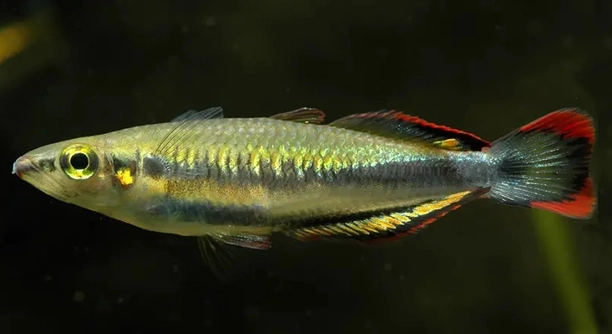
Do you ever notice one of your rainbowfish staying on the edges while the others swim together? It can feel strange to see them separate from the usual group, especially when they usually enjoy company.
Rainbowfish may avoid the group due to stress, illness, environmental changes, social hierarchy, or individual temperament. These factors influence their behavior, causing them to seek solitude rather than participate in group swimming or social interaction.
Understanding these behaviors can help you create a healthier, more balanced environment for your rainbowfish to thrive and feel secure in their aquarium.
Stress and Anxiety
Rainbowfish are sensitive creatures, and stress can easily affect their behavior. Sudden changes in the tank, like new decorations, different lighting, or a loud environment, can make them feel unsafe. Even small disturbances, such as tapping on the glass or frequent movement around the tank, can trigger anxiety. When stressed, a rainbowfish may avoid the group and stay hidden. Tank mates also play a role; aggressive or overly active fish can intimidate them. Changes in water quality, temperature, or pH can further add to stress. Observing their behavior closely helps identify patterns and sources of anxiety. Providing consistent care, stable conditions, and a calm environment is essential. Over time, a stressed rainbowfish may gradually rejoin the group, but patience is required. Offering hiding spaces and gentle observation can encourage them to feel more secure and comfortable.
Stress can cause a rainbowfish to withdraw from social interaction and seek secluded areas within the tank for safety.
Reducing stress is about creating a predictable environment. I found that keeping lights on a regular schedule, avoiding sudden loud noises, and monitoring water conditions can make a big difference. Hiding spots like plants or rocks allow the fish to feel safe. Gentle tank mates reduce intimidation, and avoiding sudden changes in decorations or water parameters helps them stay calm. Stress can also come from overcrowding, so maintaining a balanced population is crucial. With steady care, their confidence slowly improves, and the fish will interact with the group more naturally. Observing their reactions daily allows you to adjust the environment as needed, helping maintain their health and social behavior.
Illness and Physical Discomfort
A rainbowfish may isolate itself if it is sick or in pain. Illness affects energy levels, appetite, and willingness to swim with others.
Physical issues, such as fin damage, parasites, or swim bladder problems, can make movement difficult. When a rainbowfish is unwell, it instinctively separates from the group to conserve energy and avoid aggression from healthier tank mates. Infections or parasites can also make them sensitive to touch or water currents. Monitoring for signs like discoloration, clamped fins, or irregular swimming is important. Early detection and treatment of health issues help prevent long-term problems. Proper nutrition, clean water, and regular observation are key to maintaining their wellbeing. Fish that recover from illness may gradually return to normal social patterns, but attention and care during recovery are essential to ensure they feel safe and healthy again. Observing their behavior closely allows timely intervention and keeps the tank environment balanced.
Territorial Behavior
Rainbowfish may separate from the group when asserting their space in the tank. Territorial disputes can cause a fish to swim alone, avoiding conflicts while establishing boundaries.
In my experience, some rainbowfish are naturally more dominant, and others become more reserved. A fish may stake out a particular corner or area, spending time alone to feel secure. Even small tanks can trigger territorial behavior if space is limited. Providing plenty of plants, rocks, and hiding spots helps reduce tension. Each fish develops its own preferred spots, and respecting these areas allows them to coexist without constant stress. Observing interactions daily makes it easier to notice when boundaries are being tested and intervene if necessary.
Territorial behavior often diminishes as the fish become familiar with each other. Over time, the group may find a balance, and the solitary rainbowfish might gradually swim closer to the others. Maintaining a well-structured tank encourages harmony, and ensuring adequate space prevents prolonged isolation.
Water Quality and Environment
Poor water quality can make a rainbowfish avoid the group. High ammonia, nitrites, or sudden pH shifts affect their comfort and health.
Rainbowfish are very sensitive to their surroundings. Even slight changes in temperature or water chemistry can create stress, causing them to stay apart from others. Regular water testing, partial water changes, and filtration maintenance are necessary to keep the environment stable. I noticed that after improving water conditions, isolated fish often return to the group quickly.
A balanced environment also includes proper lighting, tank decorations, and plant coverage. Overcrowded or poorly arranged tanks increase stress and social tension. Plants and hiding spots allow fish to retreat when needed without feeling threatened. Stability in water parameters is essential; abrupt changes can lead to long-term avoidance behavior. By maintaining a clean and consistent habitat, rainbowfish are more likely to engage socially, display natural behaviors, and interact comfortably with their tank mates. Consistent care directly impacts their confidence and overall wellbeing.
Shyness and Individual Temperament
Some rainbowfish are naturally shy and prefer solitude. They may stay on the edges of the tank, observing rather than joining the group.
Individual temperament plays a big role in social behavior. Even in a peaceful tank, certain fish take longer to feel comfortable around others.
Incompatible Tank Mates
Rainbowfish may isolate themselves when tank mates are overly aggressive or incompatible. Conflicts can cause stress, making them avoid group interaction. Shy or smaller fish often retreat to corners or behind decorations to escape harassment.
Breeding Behavior
During breeding periods, rainbowfish often separate from the group to establish territory or court mates. Males may display more isolated behavior, focusing on specific areas to attract females and protect eggs.
Aging and Health Changes
Older rainbowfish or those with declining health may spend more time alone. Reduced energy and mobility can make group swimming difficult, encouraging them to rest in quieter areas.
Why is my rainbowfish avoiding the group?
Rainbowfish may avoid the group for several reasons, including stress, illness, individual temperament, or environmental factors. Some fish are naturally shy and prefer to stay on the edges of the tank. Stress from sudden changes in lighting, water quality, or tank decorations can also make them retreat. Aggressive or dominant tank mates may intimidate quieter fish, causing them to isolate themselves. Observing their behavior closely helps identify the cause and determine what adjustments are needed to make the environment more comfortable and safe.
How can I tell if my rainbowfish is sick?
Signs of illness include clamped fins, loss of color, lethargy, and irregular swimming patterns. Fish may also stop eating or hide more than usual. Parasites, bacterial infections, and swim bladder problems are common issues. I often watch for changes in behavior and appearance daily. Early detection allows for timely treatment and can prevent further isolation or worsening health problems. Maintaining clean water and a stable environment reduces the risk of illness and helps them regain social behavior.
What should I do if my rainbowfish is stressed?
Providing hiding spaces, stable water conditions, and a calm environment is essential. Avoid sudden changes in lighting, decorations, or tank maintenance routines. Observing interactions with other fish can help identify stress triggers. In my experience, gently adjusting the environment and giving the fish time to acclimate encourages them to rejoin the group naturally. Stress reduction can also include proper nutrition and avoiding overcrowding. Patience is key, as recovery may take several days or weeks depending on the fish’s temperament and the source of stress.
Can tank size affect social behavior?
Yes, smaller tanks can increase territorial disputes and stress, making rainbowfish more likely to isolate. Overcrowding reduces available space and hiding spots, intensifying conflicts. A larger, well-planted tank allows each fish to find its preferred area, reducing stress and promoting natural social behavior. I noticed that when I upgraded to a slightly larger tank, the shy fish gradually spent more time with the group and explored open areas confidently.
How do water quality and environment impact my rainbowfish?
Poor water quality, sudden pH changes, or temperature fluctuations can make fish uncomfortable and encourage isolation. Regular testing, partial water changes, and proper filtration are necessary. Providing plants, decorations, and stable lighting helps fish feel secure. Maintaining a clean, predictable environment allows rainbowfish to interact normally with others. I found that after improving water parameters, even fish that had been hiding for weeks slowly started swimming closer to the group, showing more confidence and natural behavior.
Will my rainbowfish eventually rejoin the group?
In most cases, yes. With consistent care, stable water, and minimal stress, isolated rainbowfish usually return to normal social patterns over time. Some fish are more cautious than others, so the process may be gradual. Observing their behavior daily and providing safe areas allows them to reintegrate comfortably. I’ve seen shy or stressed rainbowfish spend days hiding before slowly exploring the tank and swimming alongside others, showing that patience and proper care lead to positive results.
Do different species of rainbowfish behave differently in groups?
Yes, species temperament varies. Some are naturally more active or social, while others prefer solitude. Knowing your rainbowfish species helps anticipate behavior and tailor tank conditions accordingly. Certain species may be more sensitive to stress or territorial conflicts, requiring extra attention to tank setup and social dynamics. Observing each fish individually helps manage group interactions effectively, ensuring a balanced and peaceful environment. Providing adequate space and hiding spots accommodates the natural differences in behavior, allowing all fish to feel secure.
How can I encourage a shy rainbowfish to socialize?
Gentle observation, stable conditions, and a safe environment are essential. Adding plants or rocks as hiding spots gives them confidence. Avoid aggressive tank mates and sudden changes that could cause stress. Gradually, fish become more comfortable exploring the tank and joining the group. I often introduce new decorations slowly and monitor reactions, which allows shy rainbowfish to adapt at their own pace. Over time, positive reinforcement and minimal disturbances encourage more natural group behavior.
Is it normal for rainbowfish to have alone time?
Yes, even healthy rainbowfish occasionally swim alone. Temporary isolation can occur during feeding, exploration, or resting. Providing a balanced environment with safe spaces ensures that alone time is not a sign of stress or illness. I noticed that some fish naturally prefer the edges or corners of the tank, and this behavior doesn’t necessarily indicate a problem as long as they remain active and eat normally. Alone time is part of their natural behavior, and respecting it helps maintain overall harmony in the tank.
What long-term steps can I take to prevent isolation?
Consistent care, clean water, proper tank size, and compatible tank mates are key. Regular monitoring of behavior and environment allows for timely adjustments. Providing hiding spots and stable routines reduces stress. I’ve found that maintaining these practices keeps rainbowfish healthy, confident, and engaged with the group, preventing prolonged isolation and promoting a balanced aquarium ecosystem.
Rainbowfish are delicate and sensitive creatures, and their behavior often reflects their comfort and health in the tank. When one of your fish avoids the group, it is usually a sign that something in their environment or health needs attention. Changes in water quality, temperature, or tank setup can cause them to feel unsafe or stressed, prompting them to stay on the edges or hide. Even subtle changes, like new decorations or more active tank mates, can make a rainbowfish retreat. Observing these behaviors closely is important because they provide clues about how the fish are feeling and whether adjustments are needed. Paying attention to how they swim, eat, and interact with others helps you understand their needs and ensures they remain healthy and comfortable in their habitat.
It is also important to consider individual temperament when evaluating why a rainbowfish may be avoiding the group. Some fish are naturally shy or more reserved, preferring solitude over social interaction. Others may temporarily separate themselves due to territorial instincts, stress, or illness. Physical health is another key factor; illnesses, parasites, or injuries can cause a fish to isolate as a protective measure. When a rainbowfish is unwell, it conserves energy by resting alone, which helps it recover without interference from more active or dominant tank mates. Providing a stable environment, proper nutrition, and hiding spots can make a big difference, giving the fish the chance to feel safe and regain confidence. Over time, even the shyest or stressed fish often reintegrate with the group once conditions improve.
Maintaining a balanced and supportive tank environment is the best long-term approach to preventing isolation and encouraging natural behavior. Consistent water testing, partial water changes, and careful monitoring of tank dynamics reduce stress and create stability. Providing adequate space, decorations, and plants allows each fish to establish its preferred area while minimizing conflicts. Understanding the natural behavior and social patterns of rainbowfish allows you to respond effectively when one isolates itself. Patience is key, as changes in behavior may take time to reverse. With careful observation and steady care, your rainbowfish can thrive, remain active, and interact comfortably with others in the tank, resulting in a healthier, more harmonious aquatic environment.

Hello,
If you enjoy the content that we create, please consider saying a "Thank You!" by leaving a tip.
Every little bit helps us continue crafting quality advice that supports the health, happiness, and well-being of pets around the world, for pets of all shapes, sizes, and species.
We really appreciate the kindness and support that you show us!