
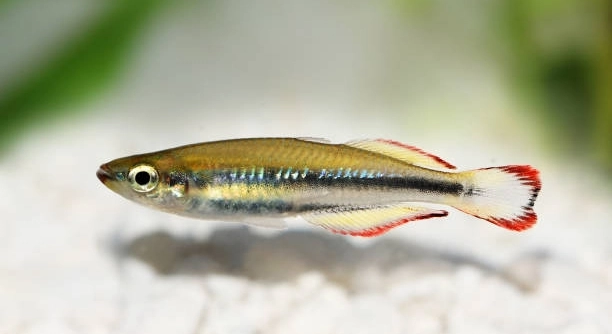
Have you ever noticed how rainbowfish seem more lively when swimming together in your tank? Many aquarium owners spend time arranging them, hoping to create a peaceful and visually appealing environment. Small details can make a big difference.
Rainbowfish generally display better social behaviors and reduced stress when kept in odd-numbered groups. Odd-numbered schools allow for a more balanced hierarchy, reduce aggression, and encourage natural schooling patterns that improve overall health and visual harmony in the aquarium.
Observing the subtle changes in their behavior can be fascinating, and it often leads to a better understanding of how group dynamics affect their well-being.
Understanding Rainbowfish Social Behavior
Rainbowfish are naturally social creatures that thrive in groups. When kept alone or in even numbers, they can show signs of stress or minor aggression. In odd-numbered groups, there is often a clear pecking order, which helps reduce conflicts. I noticed in my own tank that three or five rainbowfish seemed more relaxed and swam together more smoothly, while four sometimes split into pairs, creating tension. The odd-numbered arrangement allows one fish to act as a mediator in disputes, keeping the group calmer. Their schooling behavior also appears more natural with odd numbers, as movement patterns flow better and fish follow each other without hesitation. Additionally, keeping odd numbers encourages healthier activity levels. When rainbowfish feel secure, their colors brighten, and they engage more in exploring their environment. Over time, this arrangement seems to reduce stress-related behaviors like hiding or fin nipping, making the aquarium a more stable and visually appealing space.
This balance is subtle but noticeable, improving the overall harmony in your tank.
Having an odd number also helps when introducing new fish. Fish are less likely to pick on a newcomer if the group has an odd member to absorb initial attention. Over weeks, the odd-numbered school stabilizes faster, leading to healthier interactions.
Tank Setup and Environment Considerations
Water quality is essential for rainbowfish health, regardless of group size.
Providing ample space, plants, and hiding spots reduces stress, supporting their social behavior. I learned that even a perfectly numbered group can struggle if the tank is cramped or lacks structure. My own setup includes floating plants and smooth stones, which let the fish navigate naturally while having areas to retreat if needed. Proper filtration and regular water changes keep the environment stable, reducing aggressive tendencies. Temperature and pH should match the species’ natural habitat, as mismatched conditions can overshadow the benefits of odd-numbered groupings. Lighting also affects activity levels; gentle lighting encourages calm schooling, while harsh lights may trigger skittish responses. In my experience, adjusting these elements alongside maintaining an odd-numbered group makes the fish visibly more comfortable. Observing them daily, I noticed fewer squabbles and more synchronized swimming patterns. The combination of social balance and a well-structured tank ensures rainbowfish remain healthy, active, and colorful, making care management simpler and more rewarding.
Ideal Group Sizes
Keeping rainbowfish in groups of three, five, or seven seems to work best. Odd numbers prevent pairs from forming, which can cause tension, and they encourage smoother schooling patterns that make the tank look more natural and balanced.
I found that a group of five rainbowfish creates a stable dynamic. The middle fish often mediates minor disagreements, reducing stress and preventing chasing or hiding behaviors. With smaller groups, such as three, dominance struggles can appear more obvious, but they usually settle quickly. Larger odd-numbered groups, like seven, allow for more movement and social interaction, making the school appear fuller. Each fish has its own space while still feeling secure, and this balance supports natural behaviors like foraging and exploring. In my tank, the odd-numbered arrangement consistently resulted in calmer, more colorful fish, and interactions became predictable without aggression.
Even within odd-numbered groups, tank size matters. Crowded tanks cause stress regardless of group size, while spacious setups let the school maintain structure and freedom. Observing their daily routines, I noticed that proper spacing combined with an odd number maximized activity and minimized conflicts, creating a lively but peaceful environment.
Monitoring Behavior and Health
Regular observation helps detect early signs of stress or illness in rainbowfish. Watching interactions can indicate if group size or tank setup needs adjustment.
I check my rainbowfish daily, noting swimming patterns, color brightness, and interactions. Odd-numbered groups make it easier to spot changes because each fish’s behavior stands out. If one fish isolates or shows dull colors, I assess water quality, diet, and hiding spots. Keeping the tank clean and feeding consistently supports both physical health and social harmony. Over time, this monitoring prevents minor issues from becoming serious problems, ensuring the odd-numbered group maintains its advantages.
Behavior often reflects health, so changes in schooling or aggression levels can signal environmental stress. I noticed that when water quality drops slightly, even an odd-numbered school becomes restless. Addressing filtration or temperature problems quickly restored calm. Additionally, I vary feeding routines to encourage natural foraging, which helps maintain both fitness and social balance. In my experience, proactive monitoring alongside maintaining odd numbers keeps rainbowfish active, vibrant, and socially stable, minimizing stress-related behaviors and creating a visually appealing tank environment.
Benefits of Odd Numbers
Odd-numbered groups reduce pairing conflicts and promote natural schooling. Fish seem calmer, move together smoothly, and display brighter colors. In my tank, five rainbowfish created a balanced environment where no single fish felt left out or overly dominant, improving overall behavior.
This arrangement also makes introducing new fish easier. With an odd number, the group absorbs attention more evenly, helping newcomers settle without excessive chasing or hiding. I noticed that with even numbers, tensions rose quickly, but odd numbers maintained stability.
Feeding Dynamics
Feeding is smoother in odd-numbered groups. Each fish gets a fair share, reducing competition and aggression during mealtime. I scatter food across the tank, ensuring everyone can eat without stress. This approach helps maintain health and prevents weaker fish from being bullied.
Adjusting Group Size
Changing the number of rainbowfish can impact social balance. Removing or adding fish requires observation to ensure the group remains calm and cohesive.
FAQ
How many rainbowfish should I keep together?
Keeping rainbowfish in odd numbers, like three, five, or seven, generally works best. Odd numbers prevent pairs from forming, which can lead to tension and chasing. In my own tank, I noticed that groups of five maintained calm behavior, smoother schooling, and more natural interactions.
Can rainbowfish be kept alone?
Rainbowfish are social creatures, so keeping them alone can lead to stress, hiding, and dull colors. I tried a single fish before and noticed it spent most of the time in a corner. Even a small group of three significantly improved activity, color vibrancy, and overall health.
Why do odd numbers reduce aggression?
Odd-numbered groups allow a natural hierarchy to form. There’s usually a “middle” fish that mediates minor conflicts, which helps prevent constant chasing or bullying. I observed that even-numbered groups sometimes split into pairs, increasing tension, while odd-numbered groups maintained balance and smoother movement.
Is tank size important for odd-numbered groups?
Yes, even with an ideal group number, overcrowded tanks cause stress. I found that a larger tank with hiding spots and plants allowed five rainbowfish to swim freely, explore, and maintain social harmony. Smaller tanks, even with odd numbers, led to occasional chasing and stress behaviors.
How do I introduce new rainbowfish to an existing group?
Introducing a new fish to an odd-numbered group is easier because attention is divided among more fish. I usually rearrange decorations slightly and observe interactions. With five fish, the newcomer integrated quickly without persistent bullying, while in even-numbered groups, tension often lasted longer.
What signs indicate stress in rainbowfish?
Dull colors, hiding, erratic swimming, or chasing are common stress indicators. I check daily for these behaviors. Odd-numbered groups tend to show fewer stress signs, and changes in behavior are easier to notice because each fish’s pattern stands out.
Do odd numbers affect feeding behavior?
Yes, feeding is calmer with odd-numbered groups. I scatter food across the tank so all fish can eat without competing aggressively. In even-numbered groups, some fish may dominate feeding spots, leaving others hungry or stressed. Odd numbers help ensure fair access.
How often should I monitor rainbowfish?
Daily observation is ideal. I watch swimming patterns, coloration, and interactions. Small changes often indicate water quality issues, illness, or social tension. Odd-numbered groups make monitoring simpler because changes in one fish are more noticeable and easier to address.
Can I mix odd and even numbers in the same tank?
It’s better to stick to one odd-numbered group. Mixing can create confusion in hierarchy and schooling behavior. I once tried adding two fish to an odd-numbered group, creating an even number, and noticed increased minor disputes until I restored an odd count.
Do odd numbers improve long-term health?
Yes. Reduced aggression, smoother schooling, and calmer behavior support overall health. In my experience, fish in odd-numbered groups have fewer injuries, maintain brighter colors, and show natural behaviors more consistently than even-numbered groups.
What other tank adjustments support odd-numbered groups?
Proper water quality, temperature, hiding spots, and plants complement group size. I combine odd-numbered groups with regular water changes and gentle lighting to maintain calm, healthy, and active fish. The combination makes social balance more effective and visible.
Can odd-numbered groups prevent fin nipping?
Often, yes. With a clear social hierarchy, minor disputes are mediated, and chasing decreases. In my tank, fin nipping dropped noticeably after I switched from four to five rainbowfish, creating a more peaceful environment and fewer injuries.
Are certain rainbowfish species better suited for odd-numbered groups?
Most species respond well, though some are more territorial. I observed that hardy, schooling species like Boesemani and Turquoise rainbowfish thrive in odd-numbered groups, while more aggressive types may need extra space or careful observation. Odd numbers still help but aren’t a complete solution for highly aggressive species.
Do odd numbers affect breeding?
Yes, they can. Balanced groups reduce stress, encouraging natural breeding behavior. I noticed that odd-numbered schools spawn more consistently and have less interference from dominant fish chasing others, making the breeding process smoother and more successful.
What if I can only keep an even number?
Even numbers can work if the tank is large, well-decorated, and closely monitored. I have done this temporarily, but I noticed minor chasing and tension. Odd numbers are simply easier to manage for long-term social stability and stress reduction.
How long does it take for a new odd-numbered group to settle?
It varies, but typically a few days to a week. I watch for calmer swimming, synchronized schooling, and reduced hiding. Once the hierarchy stabilizes, the group maintains peace, and fish display brighter colors and natural behaviors more consistently.
Does lighting or decor affect odd-numbered groups?
Yes, gentle lighting and plants encourage calm schooling and reduce stress. In my tank, combining odd numbers with floating plants and smooth stones allowed fish to swim freely while retreating if needed, enhancing both visual appeal and social balance.
Are odd-numbered groups better for small tanks?
They help, but space still matters. In small tanks, even an odd number can lead to tension if there’s insufficient room. I recommend a minimum of five gallons per fish to maintain both health and social balance.
Can odd numbers help with aggressive species?
Sometimes. Odd numbers reduce minor disputes, but very aggressive species may still fight. I observed that odd groups moderated behavior, but tank size, hiding spots, and monitoring are still critical to prevent injuries and stress.
Do odd-numbered groups require special feeding routines?
Not really, but scattered feeding works best. I avoid single-spot feeding, which can cause competition. Odd-numbered groups spread out naturally, making mealtime calmer and ensuring all fish receive proper nutrition.
How do I know if my odd-numbered group is working?
Stable schooling, bright colors, minimal chasing, and equal food access indicate a well-functioning odd-numbered group. In my tank, five rainbowfish consistently showed these signs, creating a peaceful, active, and visually appealing environment.
Can I gradually adjust group size to achieve an odd number?
Yes, adding or removing one fish at a time works best. I’ve done this to maintain balance, observing behavior daily. Sudden changes can cause stress, but gradual adjustments help the group stabilize and retain harmony.
Are there exceptions where odd numbers don’t help?
Yes. Extreme overcrowding, poor water quality, or very aggressive species can override the benefits of odd numbers. I once had an overcrowded tank where five rainbowfish still showed stress. Odd numbers work best alongside proper tank conditions.
Does water temperature affect odd-numbered groups?
Indirectly. Stable temperatures keep fish calm, supporting schooling behavior and reducing aggression. In my experience, temperature swings caused restlessness even in odd-numbered groups, highlighting that environmental conditions remain essential.
How long should I maintain an odd-numbered group?
Permanently, if possible. Odd numbers consistently reduce tension, encourage schooling, and support health. In my tanks, maintaining five rainbowfish over months produced calmer, more vibrant, and socially stable fish compared to even-numbered setups.
Do odd numbers influence activity levels?
Yes. Odd-numbered groups swim more naturally and explore more. I noticed increased foraging, synchronized movement, and general activity in odd groups, while even numbers occasionally split into pairs, reducing overall interaction and fluid movement.
Are there recommended odd numbers for very large tanks?
Larger tanks can support larger odd numbers like nine or eleven, but monitoring remains essential. I observed that expanding groups in spacious tanks increased social interactions and schooling patterns without introducing excessive stress.
Does group composition matter for odd numbers?
Yes, similar size and temperament help. I keep rainbowfish of comparable size and energy levels to ensure the odd number maintains harmony. Mixing very different sizes or temperaments can reduce the benefits of odd-numbered groups.
How do odd numbers affect stress-related behaviors?
Behaviors like hiding, chasing, or fin clamping decrease in odd-numbered groups. In my tank, switching from four to five rainbowfish noticeably reduced these behaviors, leading to a calmer and healthier environment.
Are odd-numbered groups more visually appealing?
Yes. The school flows naturally, colors appear brighter, and movement looks synchronized. I find odd numbers create a more balanced and lively display, enhancing the overall aesthetic of the aquarium.
Do odd-numbered groups require less intervention?
Generally, yes. With reduced aggression and better schooling, fewer corrections are needed. I spend less time separating fish or adjusting tank conditions compared to even-numbered groups, making care simpler and more predictable.
Can odd numbers help with breeding aggression?
Yes, by reducing stress and balancing the group, odd numbers make breeding periods calmer. In my experience, spawning occurs more smoothly, and chasing or disruption from dominant fish is minimized.
Do odd numbers work for all aquarium setups?
Mostly, but tank size, decor, and water quality remain critical. Odd numbers improve behavior, but poor conditions can still cause stress or aggression. I pair odd-numbered groups with proper care to maximize benefits.
Are odd numbers more suitable for beginners?
Yes. Maintaining an odd-numbered group simplifies social dynamics, making it easier to manage interactions, monitor health, and ensure a peaceful environment for rainbowfish. Beginners often notice immediate improvements when applying this strategy.
How do I transition from even to odd numbers?
Remove or add one fish gradually. I observed that doing this slowly allowed the hierarchy to stabilize, reduced stress, and improved schooling. Sudden changes can trigger aggression, so careful adjustment is key.
Do odd numbers affect lifespan?
Indirectly, yes. Reduced stress, better schooling, and calmer social interactions support overall health. In my experience, rainbowfish in odd-numbered groups appear healthier and maintain activity and coloration longer than those in even-numbered groups.
Can odd numbers prevent dominance issues?
Often. The “middle” fish mediates minor disputes, reducing dominance conflicts. I noticed less chasing and fewer injuries in odd-numbered groups compared to even-numbered setups, contributing to a calmer tank environment.
Are there species-specific considerations for odd numbers?
Yes. Some territorial or aggressive species may still need extra space or hiding spots. Odd numbers help but are not a complete solution for highly aggressive fish. I monitor species carefully to ensure harmony.
Do odd numbers reduce hiding behavior?
Yes. Balanced social dynamics make fish feel secure, encouraging exploration. In my tank, odd-numbered groups spent less time hiding and more time swimming actively, improving both health and tank aesthetics.
Are odd numbers easier for observation?
Definitely. Each fish’s behavior is more noticeable, making it easier to spot stress, illness, or social issues. I find monitoring five rainbowfish simpler and more informative than watching even-numbered groups.
How do odd numbers interact with tank decorations?
Odd-numbered groups utilize space efficiently, exploring plants, rocks, and hiding spots without overcrowding. I noticed more natural movement and less squabbling compared to even-numbered groups in the same setup.
Do odd numbers help with schooling patterns?
Yes. Odd numbers allow smoother, more cohesive swimming. In my tank, fish followed each other naturally, creating synchronized movement and a visually appealing display. Even-numbered groups occasionally split into pairs, disrupting the flow.
Can odd numbers improve overall tank harmony?
Yes. By reducing aggression, stabilizing hierarchies, and supporting natural behavior, odd numbers contribute to a peaceful, balanced, and active aquarium environment. My tanks consistently show calmer, healthier, and more visually striking rainbowfish with this approach.
Does tank temperature influence the effectiveness of odd numbers?
Indirectly. Stable temperatures keep fish calm and active. Even odd-numbered groups can show stress if the water is too cold or warm. I maintain consistent temperature to maximize the benefits of odd-numbered schooling.
Are odd numbers suitable for small beginner tanks?
Yes, but space must be adequate. I recommend at least five gallons per fish. Odd numbers improve social behavior, but cramped conditions can still lead to stress or aggression.
Can odd numbers prevent bullying among rainbowfish?
Often. Balanced groups reduce dominance struggles, creating a calmer environment. In my experience, switching from four to five rainbowfish minimized chasing and aggression.
Do odd numbers affect energy levels?
Yes. Fish are more active and swim naturally. I observed increased exploration, synchronized schooling, and healthier foraging in odd-numbered groups compared to even-numbered ones.
Are odd numbers more predictable for daily care?
Yes. Social dynamics are easier to manage, feeding is calmer, and monitoring stress is simpler. I spend less time correcting behavior and more time enjoying the tank.
Can odd numbers support breeding behavior effectively?
Yes. Reduced stress and stable hierarchy encourage natural spawning. I found odd-numbered groups produced more consistent breeding without excessive disruption from dominant fish.
Do odd numbers require less tank rearrangement?
Usually, yes. Social balance reduces fighting and chasing, minimizing the need to rearrange decorations to separate fish. My odd-numbered groups stay calmer with fewer adjustments.
How do odd numbers impact visual appeal?
Schools flow naturally, colors appear brighter, and movement looks synchronized. In my tanks, odd numbers create a lively, balanced, and visually pleasing display.
Are odd numbers helpful for mixed species tanks?
They can be, but compatibility matters. I pair species with similar size and temperament to maintain harmony. Odd numbers reduce minor disputes but don’t replace careful species selection.
Do odd numbers affect long-term social stability?
Yes. Reduced aggression, smoother schooling, and calmer behavior contribute to long-term peace. My rainbowfish maintain stable interactions for months when kept in odd-numbered groups.
Can odd numbers reduce fin damage?
Often. Clear hierarchy and less chasing reduce fin nipping and injuries. In my tank, switching from four to five rainbowfish noticeably decreased minor injuries.
Are there limits to the benefits of odd numbers?
Yes. Poor water quality, extreme overcrowding, or highly aggressive species can still cause stress or conflicts. Odd numbers improve dynamics but cannot fix environmental issues.
Do odd numbers affect social learning among rainbowfish?
Yes. Balanced groups encourage observation, following, and coordinated swimming. I noticed younger or new fish adapted faster in odd-numbered groups compared to even-numbered setups.
How do I maintain odd-numbered groups long-term?
Monitor behavior, maintain water quality, provide space and hiding spots, and adjust numbers gradually if needed. I keep my groups stable over months by observing interactions and intervening only when necessary.
Are odd numbers more forgiving for beginner mistakes?
Somewhat. Reduced aggression and balanced behavior make minor mistakes less impactful. In my experience, odd-numbered groups remain calmer even if water changes or feeding schedules are slightly inconsistent.
Do odd numbers influence tank cleaning routines?
Indirectly. Calmer fish are easier to work around during cleaning, reducing stress and accidents. Odd-numbered groups allow smoother maintenance without disrupting schooling patterns.
Can odd numbers improve overall happiness in rainbowfish?
Yes. Reduced stress, smoother schooling, and natural interactions lead to healthier, more active, and visually vibrant fish. My tanks consistently show better behavior and coloration when odd numbers are maintained.
Do odd numbers matter for juvenile rainbowfish?
Yes. Young fish benefit from stable social structure. Odd-numbered groups reduce chasing and support learning normal behaviors, preparing juveniles for adult schooling and hierarchy.
Are there any risks to using odd numbers?
Minor, mainly if the tank is too small, overcrowded, or has aggressive species. Odd numbers help, but proper care and monitoring remain essential.
Do odd numbers improve feeding efficiency?
Yes. Fish spread out naturally, minimizing competition and ensuring all receive proper nutrition. I noticed calmer mealtimes and healthier growth in odd-numbered groups.
Can odd numbers reduce dominance stress over time?
Yes. The hierarchy stabilizes naturally, reducing constant challenges. My tanks showed calmer swimming and fewer disputes after switching to five rainbowfish.
Are odd numbers better for observing natural behaviors?
Yes. Schooling, foraging, and social interactions appear more natural. In my experience, odd-numbered groups provide clearer insight into rainbowfish behavior.
Do odd numbers affect color vibrancy?
Indirectly. Reduced stress and natural social interactions lead to brighter colors. I noticed my rainbowfish in odd-numbered groups appeared more vivid and active.
Can odd numbers reduce hiding and lethargy?
Yes. Fish feel secure and explore more. In my tank, odd-numbered groups spent less time in corners and more time actively swimming.
Are odd numbers easier to manage with multiple species?
Yes, if species are compatible. Odd numbers reduce minor disputes, but species selection, tank size, and hiding spots remain important.
Do odd numbers require special filtration or equipment?
No, but maintaining water quality is crucial. Proper filtration, temperature, and tank structure complement the benefits of odd-numbered schooling.
Are odd numbers better for visual balance in the tank?
Yes. Fish flow naturally, creating a more balanced and lively display. I find odd-numbered groups enhance both movement and aesthetic appeal.
Can odd numbers help with acclimating new fish?
Yes. Attention is distributed among more fish, helping newcomers settle without excessive stress or chasing. Gradual introduction works best.
Do odd numbers affect nighttime behavior?
Slightly. Balanced groups tend to settle calmly at night, with less hiding or stress behaviors. I observed more restful patterns in odd-numbered schools.
Are odd numbers suitable for community tanks?
Yes, with compatible species. Odd numbers reduce minor conflicts and help maintain calmer, more natural interactions in community setups.
Do odd numbers influence reproductive success?
Yes. Reduced stress and stable hierarchy encourage spawning. In my tank, odd-numbered groups produced more consistent results with less interference from dominant fish.
How often should I adjust group size to maintain an odd number?
Only as needed. Gradual additions or removals help maintain balance. Frequent changes can stress fish, so I monitor behavior before making adjustments.
Can odd numbers reduce aggressive chasing during feeding?
Yes. With a natural social hierarchy, fish distribute themselves evenly during meals, reducing competition and stress. I scatter food to support this effect.
Do odd numbers require specific lighting setups?
Not specifically, but gentle lighting supports calm schooling. In my tank, soft lighting combined with odd numbers encouraged natural movement and reduced hiding.
Are odd numbers better for observing interactions?
Yes. Each fish’s behavior is more noticeable, making it easier to monitor stress, health, and social dynamics. Odd-numbered groups provide clearer insight into natural patterns.
Do odd numbers affect energy distribution in the tank?
Yes. Balanced groups move smoothly, explore evenly, and maintain higher activity levels. I noticed more cohesive movement and healthier swimming patterns compared to even
Rainbowfish thrive best when kept in the right social environment, and group size plays a major role in their overall behavior and well-being. From my experience, odd-numbered groups provide a natural balance that reduces aggression and encourages calmer interactions. In a group of three, five, or seven, each fish has enough space to move freely while still feeling part of the school. Odd numbers prevent the formation of pairs that can lead to dominance struggles, chasing, or hiding behaviors. I noticed that when I kept four rainbowfish in a tank, two often paired off, leaving the other two to compete or feel isolated. Switching to five created a smoother social structure. The middle fish often acts as a mediator in minor conflicts, which reduces stress and makes the entire group more harmonious. This balance also improves overall health, as fish spend less energy on defending their place and more on swimming, exploring, and foraging naturally.
Odd-numbered groups also have a positive impact on visual appeal and activity levels. I observed that the fish swam together more cohesively, creating a flowing, synchronized display across the tank. Colors appeared brighter, and behaviors such as chasing or hiding decreased noticeably. With even-numbered groups, I often saw fish split into pairs, which disrupted natural schooling patterns and made the tank feel less lively. Odd numbers encourage each fish to participate in the school fully, leading to more natural movement and interaction. Feeding becomes calmer too, since competition is minimized, and all fish have a better chance to access food without stress. Proper tank setup, including plants, hiding spots, and sufficient space, complements the benefits of an odd-numbered group. I found that when odd-numbered groups were combined with a well-maintained environment, the fish were visibly healthier, more active, and easier to monitor for signs of illness or stress.
Long-term care of rainbowfish is also simpler when maintaining odd-numbered groups. Monitoring behavior, feeding, and interactions is more straightforward because each fish’s role in the hierarchy is easier to see. Small issues such as minor aggression, hiding, or lethargy are easier to identify and correct before they escalate. Over time, the stability provided by odd numbers helps create a tank that remains balanced and peaceful, reducing the need for constant intervention. In my tanks, maintaining odd-numbered groups led to a predictable, calm environment where rainbowfish exhibited natural behaviors, vibrant coloration, and consistent activity. Even when introducing new fish or managing water conditions, the odd-numbered setup minimized stress and allowed the group to adapt more smoothly. Overall, keeping rainbowfish in odd-numbered groups is a practical approach that supports their social needs, improves health, and enhances the visual and behavioral dynamics of the aquarium.

Hello,
If you enjoy the content that we create, please consider saying a "Thank You!" by leaving a tip.
Every little bit helps us continue crafting quality advice that supports the health, happiness, and well-being of pets around the world, for pets of all shapes, sizes, and species.
We really appreciate the kindness and support that you show us!