
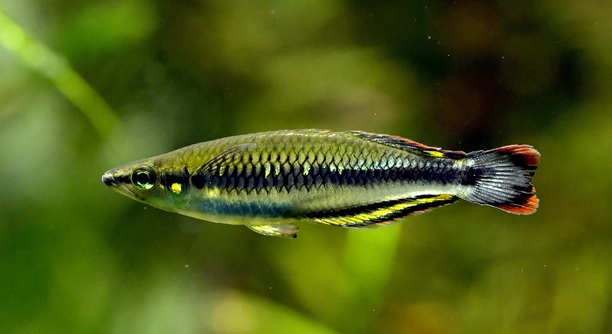
Keeping a fish tank calm is essential for the well-being of your aquatic pets. A peaceful environment not only reduces stress for your fish but also supports their overall health and encourages natural behavior.
Maintaining a calm tank involves controlling noise, lighting, and water movement. Consistent feeding schedules, proper filtration, and regular water changes are crucial. Providing hiding spots and avoiding sudden disturbances helps fish feel secure, ultimately creating a stable and tranquil aquatic environment.
These simple practices can make a significant difference in your fish’s daily life and long-term comfort. A calm tank ensures both beauty and harmony in your home.
Control Water Flow
Strong currents can stress fish, making them restless and more prone to illness. It’s important to monitor the flow from filters and pumps, adjusting them according to the species in your tank. Some fish prefer gentle currents, while others tolerate moderate movement. Observing how your fish behave helps determine the right flow. Reducing turbulence near resting areas creates safe spots where fish can feel secure. Additionally, directing water flow away from plants or decorations prevents unnecessary disturbance. Consistency is key; sudden changes in water movement can trigger panic or aggression. For tanks with multiple species, balance is essential to accommodate different swimming habits. Adjusting filter output gradually allows fish to adapt without stress. Small modifications, like adding a spray bar or deflecting flow with decorations, can make a noticeable difference in overall tank calmness.
Water flow affects both stress levels and activity. Gentle, consistent movement keeps fish comfortable and supports their health.
Proper water flow helps maintain oxygenation while preventing areas of stagnation. Observing how fish interact with currents reveals preferences, which can guide adjustments. A tank with balanced flow encourages normal swimming patterns, reduces injuries, and keeps plants and substrate undisturbed. Over time, controlled currents make feeding easier and ensure waste doesn’t accumulate in corners. Fish learn to navigate familiar flows, reducing erratic swimming and minimizing stress. For species that prefer slower movement, creating zones with minimal current provides resting areas, while faster zones can satisfy active swimmers. Regularly checking pump performance and flow distribution prevents sudden fluctuations. Decorations, rocks, and driftwood can be positioned to redirect strong currents, creating a more natural, peaceful environment. Even small adjustments, like partially covering an outflow, can reduce turbulence without affecting filtration. By observing reactions and fine-tuning flow, you establish a consistent, calm setting that benefits all tank inhabitants.
Maintain Stable Lighting
Bright or fluctuating lights can disturb fish, causing agitation. Use timers to create consistent day and night cycles, mimicking natural conditions.
Consistent lighting supports normal behavior and reduces stress, keeping your tank peaceful.
Sudden changes in brightness can startle fish, making them dart or hide excessively. Gradually increasing or decreasing light intensity helps fish adjust smoothly. Avoid placing the tank where sunlight creates strong reflections or glare. Consider dimmable LEDs or soft lighting to provide a natural environment. Stable lighting encourages feeding, reduces aggression, and promotes healthy plant growth. Following a predictable light schedule allows fish to establish routines, improving overall calmness.
Provide Hiding Spots
Hiding places reduce stress and aggression in fish. Use plants, rocks, and decorations to create safe zones where fish can retreat when needed.
Hiding spots give fish a sense of security, especially in community tanks. Dense plants, caves, and driftwood allow timid fish to escape aggressive tank mates and rest without disturbance. Open areas paired with secure retreats balance activity and calmness. Arranging these spots in corners or along tank edges helps fish feel sheltered while maintaining swimming space. Some species are naturally shy, and regular access to hiding places can prevent constant stress. Even small shelters make a big difference, allowing fish to explore at their own pace.
Properly placed hiding spots also reduce bullying and territorial fights. Fish can establish personal zones, minimizing conflict. Decorations should be stable to prevent collapse and injury. Changing or moving hiding spots too often can trigger stress, so maintain consistent placements. Live plants offer dual benefits: cover for fish and improved water quality. Rocks and caves mimic natural habitats, helping fish feel comfortable and calm. Observing which areas your fish favor guides future tank layout adjustments. Over time, a balanced combination of open swimming areas and protected zones creates a stable and peaceful environment for all tank inhabitants.
Keep a Consistent Feeding Schedule
Regular feeding routines prevent aggression and stress caused by unpredictable food times. Feed fish at the same times each day to maintain calm.
Consistent feeding ensures fish receive proper nutrition and reduces competition. Sudden changes in feeding times can lead to frantic behavior or overfeeding. Small, frequent meals are often better than one large portion, allowing all fish to eat without dominance issues. Observing appetite and adjusting portions prevents leftover food that can degrade water quality. Some species have specific dietary needs, so following a routine tailored to each type promotes health. Consistency helps fish develop predictable behavior patterns, reducing stress and enhancing calmness throughout the tank.
A steady feeding schedule also encourages natural activity patterns and reduces aggression. When fish know when to expect food, they are less likely to chase or harass tank mates. Portion control prevents overfeeding, which can lead to poor water conditions and illness. For tanks with multiple species, dividing food in different areas ensures all fish get enough without creating conflict. Monitoring leftover food allows timely adjustments, keeping the tank clean and healthy. Using feeders or timers can support consistency, especially during busy days. By maintaining predictable feeding times, fish settle into a routine that reinforces tranquility, improving their overall well-being.
Monitor Water Temperature
Stable water temperature keeps fish calm and healthy. Sudden changes can stress them and trigger erratic behavior.
Use a reliable heater and thermometer to maintain consistent conditions. Adjust gradually if changes are needed, avoiding rapid fluctuations that can harm sensitive species.
Avoid Overcrowding
Too many fish in one tank increases stress, aggression, and competition for resources. Provide enough space for each fish to swim comfortably.
Overcrowding can lead to poor water quality and higher risk of disease. Larger tanks or fewer fish help maintain balance and calmness.
Reduce Noise Near the Tank
Loud sounds or vibrations disturb fish, making them jittery. Keep the area around the tank quiet and stable.
Minimizing sudden noises and avoiding tapping on glass prevents unnecessary stress, allowing fish to remain peaceful and settled.
How can I tell if my fish are stressed?
Fish often show stress through changes in behavior. They may hide more than usual, swim erratically, or gasp at the water surface. Loss of appetite is another common sign, along with faded colors or clamped fins. Observing daily routines helps identify abnormal behavior early, so corrective action can be taken before health issues develop.
What is the ideal water temperature for a calm tank?
The ideal temperature depends on the species, but most tropical fish thrive between 75 and 80°F (24–27°C). Maintaining a stable temperature with a reliable heater is essential. Sudden fluctuations can trigger stress responses, reduce immunity, and even cause death. Monitoring daily with a thermometer ensures stability.
How often should I change the water?
Regular water changes are critical for keeping a tank calm and healthy. Weekly partial changes of 20–30% remove waste, reduce toxins, and maintain water clarity. Over-cleaning can remove beneficial bacteria, so gradual and consistent changes are best. Observing water quality helps adjust the schedule if needed.
Can lighting affect fish behavior?
Yes, lighting plays a key role in fish stress levels. Bright or inconsistent lights can cause agitation, while dim, stable lighting encourages normal activity. Using timers to create day and night cycles mimics natural conditions. Avoid placing the tank in direct sunlight to prevent sudden brightness or algae growth.
Do hiding spots really help fish feel secure?
Absolutely. Hiding spots allow fish to escape stressors and reduce aggression in community tanks. Plants, rocks, and caves provide shelter and resting areas. Even shy species benefit from accessible retreats, which help establish a sense of territory and comfort. Consistent placement is important to avoid startling fish.
What should I do if fish are aggressive?
Aggression often arises from overcrowding, lack of hiding spots, or incompatible species. Rearranging decorations to create territories, increasing space, or separating aggressive individuals can reduce conflicts. Maintaining a calm environment with proper feeding routines and minimal disturbances also helps fish coexist peacefully.
How important is filtration for a peaceful tank?
Filtration is crucial for water quality, which directly affects fish stress. A good filter removes waste, reduces toxins, and keeps water clear. Strong flow should be balanced to avoid over-turbulence, and regular maintenance ensures consistent performance. Clean filters support a stable, calm environment for all fish.
Can noise outside the tank affect fish?
Yes, fish are sensitive to vibrations and loud sounds. Placing the tank in a quiet area and minimizing sudden tapping or banging helps prevent stress. Reducing background noise from appliances or frequent movement near the tank contributes to a more peaceful environment.
How does feeding routine impact tank calmness?
Consistent feeding prevents frantic behavior and reduces aggression. Fish benefit from small, scheduled meals at the same times each day. Uneaten food should be removed to maintain water quality. Observing appetite and adjusting portions ensures all fish are fed without overcrowding or competition.
Are live plants better than artificial decorations for calmness?
Live plants provide multiple benefits: shelter, oxygenation, and natural filtration. They reduce stress by creating hiding spots and stabilizing water conditions. While artificial decorations offer shelter, live plants enhance the environment more naturally, encouraging normal behavior and long-term tranquility for the fish.
What should I do if my fish panic frequently?
Frequent panic often indicates environmental stressors, such as sudden temperature changes, strong currents, loud noises, or overcrowding. Identify and minimize triggers, provide sufficient hiding spots, and maintain a consistent routine. Observing behavior closely helps prevent repeated stress episodes and keeps the tank peaceful.
How can I prevent aggression in community tanks?
Choose compatible species, maintain adequate space, and provide multiple hiding areas. Balanced feeding schedules and stable conditions reduce competition. Rearranging the tank occasionally can disrupt established territorial patterns that lead to fights, keeping interactions calmer.
Is overfeeding harmful to tank calmness?
Yes, overfeeding leads to excess waste, poor water quality, and increased stress. Fish may also compete aggressively for food. Small, controlled portions prevent these problems and help maintain a stable, peaceful environment. Regular observation ensures feeding meets needs without excess.
Do decorations influence fish behavior?
Decorations help establish territories, provide shelter, and reduce stress. Rocks, caves, and plants allow fish to retreat and feel safe. Proper placement is important, as frequent changes can trigger panic. A balanced arrangement supports natural swimming patterns and encourages calm activity throughout the tank.
How do I maintain calmness during cleaning?
Clean the tank gently and gradually. Avoid removing too many decorations or plants at once. Use partial water changes and slow filtration maintenance. Sudden disruptions can stress fish, so performing tasks steadily and quietly keeps the environment calm. Regular observation during cleaning ensures fish remain comfortable.
Can tank size affect fish stress?
Smaller tanks with too many fish often lead to overcrowding, aggression, and poor water quality. Providing sufficient space allows normal movement, reduces territorial conflicts, and supports stable conditions. Tank size should match species requirements to maintain a peaceful, balanced environment.
How important is observing fish daily?
Daily observation helps detect early signs of stress, illness, or aggression. Noticing changes in behavior, appetite, or appearance allows quick adjustments in feeding, water conditions, or tank layout. Consistent attention ensures a calm, healthy environment for all inhabitants.
Can temperature fluctuations be corrected quickly?
Rapid temperature changes are stressful, so adjust gradually. Use heaters, chillers, or room temperature control to maintain stability. Sudden corrections can harm sensitive species. Consistent monitoring with a thermometer helps maintain ideal conditions for a calm, healthy tank.
Do fish need a nighttime period?
Yes, a dark period is essential for rest and reducing stress. Timers can regulate light cycles, creating predictable day and night conditions. Darkness encourages normal behavior and helps maintain calm, healthy fish.
Are there signs of overstocking I should watch for?
Overstocked tanks show aggression, competition for food, poor water quality, and frequent hiding. Fish may appear stressed or pale. Reducing numbers or increasing tank size restores balance and calm, improving overall health and behavior.
How can I reduce sudden disturbances near the tank?
Limit tapping, loud noises, or frequent movement nearby. Place the tank in a quiet, low-traffic area. Consistent environmental conditions reduce stress and prevent panic, helping maintain a peaceful and stable atmosphere.
Do different species require different calming techniques?
Yes, each species has unique needs regarding hiding spots, water flow, lighting, and diet. Researching specific requirements ensures proper care, reduces stress, and maintains harmony among diverse tank inhabitants. Tailoring the environment to species needs promotes calmness effectively.
What role does water quality play in stress prevention?
Good water quality prevents disease, aggression, and erratic behavior. Regular testing, filtration, and partial water changes keep parameters stable. Clean water supports immune function, encourages normal behavior, and creates a calm, healthy tank environment for all fish.
Can sudden changes in the tank layout affect calmness?
Yes, abrupt changes can trigger panic and aggression. Gradually rearranging decorations or adding new items helps fish adapt. Consistency and predictability in the tank layout support a stable, peaceful environment.
How often should I check the tank for stress signs?
Observing fish daily is ideal. Look for hiding, erratic swimming, color changes, or aggression. Early detection allows quick adjustments to feeding, water conditions, or decorations, preventing prolonged stress and maintaining calmness.
Is it necessary to separate aggressive fish?
In some cases, yes. Persistent aggression can harm other fish. Separating aggressive individuals or providing additional hiding spots reduces conflict. Monitoring interactions and adjusting tank setup ensures all fish remain calm and healthy.
Can air pumps or bubbles affect stress levels?
Strong bubbles or excessive air flow can disturb fish. Gentle aeration is enough to maintain oxygen levels. Positioning air stones carefully ensures fish can avoid strong currents, helping maintain calm swimming patterns.
Do seasonal changes impact tank calmness?
Yes, room temperature, light duration, and household activity can vary seasonally. Monitoring and adjusting heating, lighting, and feeding routines help maintain consistent, stress-free conditions for fish throughout the year.
Can introducing new fish disrupt calmness?
Yes, new arrivals can trigger territorial behavior and stress. Quarantine, slow introduction, and providing extra hiding spots reduce disruption. Observing interactions and adjusting placement ensures harmony and maintains a peaceful tank environment.
How long does it take for a tank to become calm after changes?
It varies, but gradual adjustments allow fish to adapt in days to weeks. Maintaining stable conditions, consistent feeding, and minimizing disturbances help fish settle quickly, restoring calmness. Observing behavior guides timing for additional interventions if needed.
What is the best way to acclimate fish to a new tank?
Float the bag in the tank to equalize temperature, then slowly mix tank water with the bag water. Gradual acclimation prevents shock, reducing stress and encouraging calm behavior from the start.
Can tank mates influence calmness?
Yes, compatible species reduce stress and aggression. Avoid mixing aggressive or territorial fish with timid species. Proper selection and monitoring interactions ensure a peaceful, harmonious environment.
Do decorations need cleaning to maintain calmness?
Yes, accumulated debris can affect water quality and stress fish. Clean decorations gently without removing beneficial bacteria. Consistent maintenance supports a stable, calm environment.
Is monitoring water parameters really necessary?
Absolutely. pH, ammonia, nitrite, and nitrate levels directly impact fish health and behavior. Regular testing prevents stress, illness, and erratic activity, ensuring a calm, safe tank environment.
How can I reduce stress during water changes?
Perform partial changes gradually, avoid strong water flow, and maintain temperature stability. Gentle handling and consistent routines prevent panic and keep fish calm throughout the process.
Do fish recognize their owners?
Yes, many fish respond to familiar presence, associating it with feeding or routine care. While not fully social in the human sense, this recognition can reduce stress during daily maintenance and interaction.
Can overcrowding cause long-term stress?
Yes, prolonged overcrowding leads to aggression, poor water quality, and illness. Providing sufficient space, reducing numbers, or increasing tank size restores balance and prevents chronic stress in fish populations.
Are some fish naturally more nervous than others?
Yes, shy species or those sensitive to environmental changes require more hiding spots and stable conditions. Understanding species-specific traits helps tailor the tank for calmness and reduces stress-related behavior.
Can water chemistry affect calmness?
Yes, unstable pH, hardness, or chemical imbalances cause stress and illness. Regular monitoring, adjustments, and stable parameters create an environment that supports peaceful behavior and overall fish health.
Is using a tank cover important for calmness?
A secure cover prevents fish from jumping and reduces disturbances from external light or movement. Covers contribute to a controlled environment, supporting calm and safe behavior.
How do I know if my filtration is adequate?
Water clarity, absence of odor, and stable parameters indicate proper filtration. Observing fish behavior also helps; calm, active fish suggest a well-maintained, effective filtration system.
Can plants reduce stress in the tank?
Yes, live or dense artificial plants provide shelter, reduce aggression, and mimic natural habitats. They contribute to stable water conditions, encouraging calm and natural fish behavior.
How do I handle aggressive feeding behavior?
Distribute food in multiple locations, feed smaller portions, and provide hiding spots. These steps reduce competition and ensure all fish can eat without stress or conflict.
Can temperature swings at night be harmful?
Yes, even small drops can stress sensitive species. Using a stable heater and monitoring nightly temperatures prevents disruption and helps maintain a peaceful environment.
Is it better to have a few large fish or many small ones?
Balance depends on tank size and species compatibility. Overcrowding small fish or housing incompatible large species increases stress. Planning numbers and space ensures calmness.
How do I reduce sudden movements near the tank?
Place the tank in a quiet, low-traffic area. Avoid tapping or leaning on the glass, and limit rapid motions nearby to prevent startling fish and maintain a peaceful environment.
Can water additives reduce stress?
Some natural additives, like stress-reducing plant extracts, can help. Use carefully and follow instructions, as improper dosing may harm fish or water chemistry. They should complement, not replace, proper care and stable conditions.
How do I encourage shy fish to explore?
Provide hiding spots and stable routines. Gradually reducing cover or adding small open areas encourages exploration while allowing safe retreats, supporting calm confidence over time.
Is a filter with adjustable flow better for calmness?
Yes, it allows tailoring water movement to species’ preferences. Gentle, controlled flow reduces stress and supports natural swimming behavior, creating a balanced and peaceful tank.
Can rearranging decorations too often stress fish?
Yes, frequent changes disrupt established territories and can trigger panic. Limit rearrangements and introduce changes gradually to maintain a calm, stable environment.
How long does it take for fish to adapt to a new environment?
Adaptation varies by species but generally takes days to weeks. Consistent conditions, proper hiding spots, and minimal disturbances help fish settle calmly and establish normal behavior patterns.
Does feeding live food affect calmness?
Live food can excite fish and trigger hunting behavior. Use sparingly and balance with regular feeding to prevent overexcitement or aggression, maintaining overall tranquility in the tank.
Are timers useful for calmness?
Yes, timers for lights, filters, or feeders create predictable routines. Predictability reduces stress, supports normal behavior, and helps maintain a consistently peaceful environment.
Can adding new decorations calm fish?
Yes, well-placed structures provide additional hiding spots and break line-of-sight, reducing aggression. Introduce new items gradually to avoid startling fish and maintain calmness.
Do sudden water chemistry changes stress fish?
Yes, abrupt shifts in pH, hardness, or additives can cause panic, illness, and aggression. Gradual adjustments and careful monitoring maintain a stable environment and prevent stress.
Can seasonal temperature control devices help?
Yes, heaters and chillers help maintain consistent temperatures through seasonal changes. Stability reduces stress, supports health, and keeps fish calm year-round.
How often should I inspect filters?
Weekly inspection ensures proper flow and cleanliness. Regular checks prevent sudden malfunctions that could disturb water quality or cause fish stress, maintaining a peaceful tank.
Are some fish more territorial than others?
Yes, territorial species require sufficient space and hiding areas. Recognizing these traits helps prevent aggression and maintain calm interactions among tank mates.
Does adding extra plants help aggressive fish?
Yes, plants create boundaries and hiding spots, reducing direct confrontations. Dense planting encourages calmer behavior by providing visual separation and secure retreats.
Can water vibration stress fish?
Yes, vibrations from pumps, appliances, or movement can disturb fish. Positioning the tank on a stable surface and reducing nearby activity minimizes stress and maintains calmness.
Is acclimation for new fish essential for calmness?
Yes, gradual acclimation prevents shock and stress. Floating bags, slow water mixing, and careful introduction ensure new fish adjust peacefully to the tank environment.
Can fish recognize feeding routines?
Yes, fish learn schedules and respond calmly to predictable feeding. Consistency reduces frantic behavior and helps maintain a peaceful, stable tank atmosphere.
Do different species react differently to light intensity?
Yes, some prefer dim lighting while others tolerate brightness. Adjust lighting based on species needs to reduce stress and encourage natural, calm behavior.
Can stress lead to illness in fish?
Yes, prolonged stress weakens immunity, making fish more prone to disease. Maintaining stable conditions, proper diet, and calm surroundings supports health and reduces illness risk.
Are partial water changes better than full ones?
Yes, partial changes maintain beneficial bacteria and avoid shocking fish with sudden parameter shifts. Regular, small water replacements support calm, stable conditions.
How can I prevent panic during tank maintenance?
Move slowly, avoid sudden disturbances, and maintain familiar conditions. Partial cleaning and gentle handling reduce stress, helping fish stay calm during maintenance routines.
Do some fish enjoy hiding more than others?
Yes, shy or nocturnal species rely on shelters for comfort. Providing appropriate hiding spots for all personalities helps maintain a calm tank environment.
Can adding extra filtration reduce stress?
Additional filtration helps maintain water quality but must be balanced to avoid strong currents. Properly configured filters support stable conditions and calm behavior.
How do I choose compatible species?
Research size, temperament, and habitat needs. Matching compatible species prevents aggression and stress, supporting a calm, harmonious tank environment.
Can gradual changes improve long-term calmness?
Yes, introducing new elements, decorations, or fish slowly allows adaptation without panic. Gradual adjustments maintain stability and reinforce a peaceful, healthy environment.
Do fish respond to human presence?
Yes, consistent, gentle interaction can reduce stress. Sudden movements or tapping on glass may provoke panic, while calm, predictable presence reassures them.
Can overfeeding lead to aggressive behavior?
Yes, too much food triggers competition and stress. Controlled portions and multiple feeding points reduce conflict, maintaining a peaceful tank.
How important is water testing for stress prevention?
Regular testing ensures optimal parameters, preventing illness and agitation. Stable water chemistry directly supports calmness and overall health.
Can frequent water changes stress fish?
Excessive changes can remove beneficial bacteria and disturb routines. Gradual, consistent partial changes are better for maintaining calm and healthy conditions.
Do fish prefer specific hiding materials?
Different species prefer plants, rocks, caves, or driftwood. Observing behavior helps provide suitable shelter, supporting a calm, secure environment.
How does tank location affect calmness?
Place the tank in a quiet area away from direct sunlight and vibrations. Stable surroundings reduce stress and encourage peaceful behavior.
Can stress signals be subtle?
Yes, slight color fading, reduced movement, or temporary hiding may indicate early stress. Monitoring subtle signs allows quick intervention and maintains calm.
Do air bubbles create stress for some fish?
Strong bubbles or rapid flow can disturb sensitive species. Gentle aeration ensures oxygenation without causing panic, supporting calm swimming patterns.
Is feeding variety important for calmness?
Balanced diets prevent competition over favored food. Providing different food types satisfies all species and reduces aggression, maintaining a peaceful tank.
Can sudden temperature changes cause aggression?
Yes, abrupt temperature shifts can trigger stress-related aggression. Stable temperatures with gradual adjustments prevent conflicts and support calm behavior.
Do fish recognize safe areas?
Yes, they learn which zones are secure, reducing panic. Properly placed hiding spots and stable environment reinforce these safe areas, promoting calm.
Are all fish affected by noise equally?
No, some are more sensitive to vibrations and sounds. Observing species-specific reactions helps reduce stress and maintain a peaceful environment.
Can adding gentle water movement help?
Yes, mild currents mimic natural habitats, improving oxygenation and encouraging natural swimming without causing stress
Keeping a fish tank calm and peaceful requires consistent attention to several key aspects. Water quality, temperature, and flow must be maintained carefully to provide a stable environment. Regular water changes, proper filtration, and gentle currents reduce stress for the fish. Sudden fluctuations in any of these areas can trigger panic, aggression, or illness. Observing how fish respond to changes allows you to adjust conditions quickly, helping them feel secure. Even small adjustments, like redirecting filter flow or adjusting heater settings, can make a noticeable difference in maintaining calm and comfort for all species in the tank.
Providing a suitable environment with hiding spots, plants, and decorations is equally important. Fish need spaces to retreat and feel safe, especially in community tanks where interactions can sometimes lead to tension. Caves, dense plants, and rocks give fish personal areas and reduce conflicts, allowing timid species to thrive alongside more active or territorial ones. Arranging decorations thoughtfully and keeping them consistent over time prevents sudden stress. Regular observation of which areas fish prefer helps refine the layout, ensuring a balanced mix of open swimming spaces and protected zones. A tank with well-planned shelters and accessible hiding places supports natural behavior and encourages a peaceful atmosphere overall.
Consistency in daily routines, such as feeding schedules and lighting, is essential to long-term tranquility. Fish adjust best when they can predict when food will be provided and when lights will turn on or off. Avoiding sudden disturbances, loud noises, or frequent rearrangements also contributes to a stable environment. Paying attention to species-specific needs ensures that each fish feels comfortable and reduces the risk of aggression or stress. Over time, maintaining these steady conditions fosters a calm, healthy aquarium where fish exhibit natural behavior, thrive in their habitat, and add beauty to the home without unnecessary tension. By combining proper care, careful observation, and gradual adjustments, a peaceful and harmonious tank can be achieved, benefiting both the fish and the overall enjoyment of keeping an aquarium.

Hello,
If you enjoy the content that we create, please consider saying a "Thank You!" by leaving a tip.
Every little bit helps us continue crafting quality advice that supports the health, happiness, and well-being of pets around the world, for pets of all shapes, sizes, and species.
We really appreciate the kindness and support that you show us!