
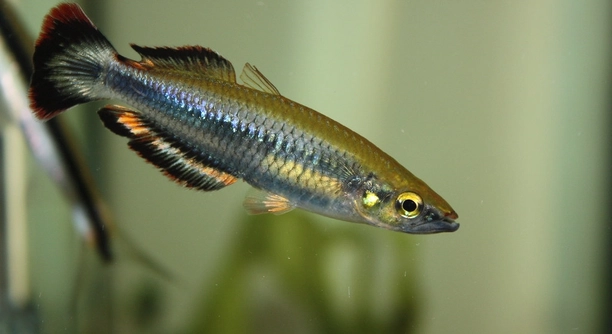
Are your rainbowfish tanks showing signs of floating waste despite regular maintenance? This common issue can be frustrating for aquarists, affecting both water clarity and overall tank health. Many factors contribute to this problem, often unnoticed by hobbyists.
Floating waste in rainbowfish tanks primarily results from overfeeding, uneaten food, decaying plant matter, inefficient filtration, excessive algae growth, improper water circulation, and high fish density. Identifying the specific cause is essential for maintaining a clean, healthy aquatic environment.
Understanding these causes will help you maintain a balanced, thriving tank. Addressing the underlying issues ensures your rainbowfish remain healthy and active.
Overfeeding Rainbowfish
Overfeeding is one of the most common reasons floating waste accumulates in rainbowfish tanks. When fish receive more food than they can consume, the excess settles on the surface or in the substrate, decomposing over time. This not only clouds the water but also promotes bacterial growth and may lead to harmful spikes in ammonia and nitrites. Many aquarists feed their rainbowfish several times a day, thinking it benefits growth, but small, controlled portions are more effective. Observing the fish during feeding helps determine the right amount. Leftover food should be promptly removed to maintain water quality. Additionally, using slow-sinking or floating pellets suited for rainbowfish reduces the chance of food scattering throughout the tank. Feeding once or twice daily with measured portions keeps the fish healthy and prevents excess debris. Overfeeding can also stress fish, causing weaker immune systems and increased susceptibility to disease. Regular feeding adjustments are key to a cleaner tank environment.
Portion control is essential for rainbowfish health. Feeding small, manageable amounts prevents excess waste and keeps water conditions stable and safe for the fish.
Managing overfeeding requires careful observation and discipline. Watching how much the rainbowfish consume, removing uneaten food, and sticking to a consistent feeding schedule are simple steps that make a big difference. Using feeding rings or designated feeding areas helps monitor consumption. Switching to high-quality pellets that are specifically formulated for rainbowfish can reduce waste, as these dissolve less quickly and are easier to digest. Rotating foods, such as occasional frozen or live options, ensures balanced nutrition without contributing significantly to floating debris. Overfeeding often stems from a desire to see fish eat enthusiastically, but restraint maintains both water quality and fish well-being. Implementing these measures consistently prevents recurring issues, reduces maintenance time, and promotes a healthier tank ecosystem. Over time, the tank remains clearer, and the rainbowfish display more vibrant colors and natural behavior. Small adjustments in feeding habits can prevent larger water quality problems later.
Inefficient Filtration
Poor filtration can allow floating debris to accumulate quickly. Tanks with underpowered filters or clogged media fail to remove uneaten food and waste effectively.
Upgrading filter capacity and performing regular media cleaning ensures debris is captured efficiently. Proper filtration maintains clear water and reduces stress on rainbowfish.
Choosing the right filter involves considering tank size, fish load, and water flow. Filters should be able to process at least four times the tank volume per hour. Maintenance includes rinsing filter media in tank water rather than tap water to preserve beneficial bacteria. Combining mechanical filtration with biological media improves nutrient breakdown and reduces organic matter accumulation. Positioning the filter to maximize water circulation helps prevent dead zones where waste collects. Some aquarists also use pre-filters or sponge attachments to catch larger particles before they enter the main filter. Consistent monitoring of filter performance ensures that floating debris is minimized and water quality remains stable. A well-maintained filtration system reduces cleaning frequency and supports a healthier environment for rainbowfish. Proper filtration, paired with good feeding habits, addresses one of the main contributors to floating waste effectively.
Decaying Plant Matter
Dead leaves and plant debris contribute significantly to floating waste in rainbowfish tanks. As plants decay, they release particles that float on the surface and settle in the substrate, affecting water clarity and quality.
Regularly removing dead leaves and trimming plants prevents accumulation. Decomposing plant matter releases nutrients that can promote algae growth, which adds to floating debris. Using a small net to scoop out visible fragments daily helps maintain cleanliness. Choosing hardy, slow-shedding plants reduces the frequency of debris. Substrate vacuuming during water changes ensures trapped particles are removed before they decompose fully. Some aquarists prefer floating plants that can be easily lifted for cleaning, reducing waste buildup. Maintaining plant health with proper lighting and fertilization minimizes leaf drop, keeping the tank visually clean and biologically balanced. Combining plant care with proper filtration and feeding habits significantly reduces floating organic matter.
Decaying plants can quickly affect water conditions if left unchecked, increasing ammonia and promoting bacterial growth that stresses rainbowfish.
Trimming plants consistently and removing decaying matter protects water quality and reduces floating debris. Healthy plants contribute positively to the tank ecosystem.
Algae Growth
Algae growth can lead to floating particles when it detaches from surfaces. Overexposure to light and excess nutrients accelerate algae development.
Controlling light duration and maintaining proper nutrient levels reduce algae accumulation. Manual removal of floating fragments and surface scrubbing of tank walls help maintain a cleaner environment for rainbowfish.
Excess nutrients from overfeeding or decaying matter feed algae, causing blooms that increase floating debris. Regular water changes and monitoring nitrate and phosphate levels limit algae growth effectively. Incorporating algae-eating species, like certain snails or shrimp, can help manage algae naturally without harming rainbowfish. Light management is crucial; keeping lights on for 6-8 hours a day prevents overgrowth. Cleaning decorations and surfaces during maintenance removes attached algae before it detaches and floats. Algae control requires a combination of chemical balance, physical cleaning, and light management. A stable routine minimizes floating particles and maintains a visually appealing tank. Over time, these practices help rainbowfish thrive in cleaner, healthier water.
Improper Water Circulation
Poor water flow allows floating waste to gather in certain areas. Stagnant zones prevent debris from reaching the filter, reducing overall tank cleanliness.
Adjusting filter output or adding a small powerhead helps distribute water evenly. Better circulation keeps debris suspended and more easily removed by filtration.
High Fish Density
Overcrowding increases waste production, making it harder to maintain a clean tank. Each additional fish contributes to uneaten food and excretions, which float and settle. Maintaining appropriate stocking levels ensures manageable waste and stable water conditions.
Uneaten Food
Leftover food contributes directly to floating debris. Food that sinks or dissolves in water decomposes, clouding the tank.
Regular monitoring of feeding amounts and removing uneaten portions promptly prevents accumulation and maintains water clarity.
FAQ
Why is there so much floating waste in my rainbowfish tank?
Floating waste often results from overfeeding, decaying plant matter, and poor filtration. Uneaten food and organic debris decompose, creating visible particles. Algae growth and insufficient water circulation also contribute, as they prevent debris from reaching the filter efficiently. Maintaining proper feeding, regular cleaning, and balanced water flow reduces floating waste.
How often should I clean my rainbowfish tank to prevent floating waste?
Cleaning frequency depends on tank size and fish load. Generally, partial water changes once a week, along with substrate vacuuming and surface skimming, are sufficient. Filters should be checked and rinsed regularly to maintain debris removal efficiency. Over time, this routine keeps the tank cleaner and reduces stress on fish.
Can overfeeding harm my rainbowfish beyond causing waste?
Yes. Overfeeding can lead to digestive problems, obesity, and weakened immune systems. Excess food decomposes, producing ammonia spikes that stress or even poison fish. Feeding small, controlled portions, observing consumption, and removing leftovers is critical for both water quality and fish health.
Is floating plant debris harmful to rainbowfish?
Decaying plants release nutrients that may encourage algae growth, lowering water clarity and oxygen levels. While small amounts are not immediately harmful, regular removal is important to prevent water quality issues and to maintain a healthy, balanced tank environment.
Will algae-eating fish or invertebrates help with floating waste?
They can assist by consuming some detritus and algae, but they do not replace proper feeding management and filtration. Algae-eaters are most effective as a supplementary measure, keeping surfaces clean while maintaining the tank’s natural balance. Proper tank maintenance remains essential.
How can I improve water circulation to reduce floating waste?
Adjusting filter output, repositioning decorations, or adding a small powerhead helps. Ensuring even water flow prevents debris from settling in dead zones. Circulation directs floating particles toward the filter for removal, keeping the water cleaner and reducing stress on rainbowfish.
Does the type of food affect floating waste?
Yes. Slow-sinking pellets, floating flakes, and high-quality foods produce less waste than rapidly dissolving or low-quality options. Choosing foods designed for rainbowfish minimizes leftover particles and helps maintain clearer water over time. Monitoring how much fish consume is equally important.
Can overcrowding increase floating waste?
Absolutely. More fish produce more excretion and leftover food. Overcrowded tanks are harder to clean, and water quality deteriorates faster. Maintaining appropriate stocking levels prevents excessive debris accumulation and ensures rainbowfish remain healthy and stress-free.
Is it normal for some floating waste to remain despite cleaning?
Yes. Minor particles are inevitable even in well-maintained tanks. Consistent water changes, surface skimming, and proper filtration minimize visible waste, but occasional small debris is normal and rarely harmful if overall water quality is stable.
Are there preventive measures to stop floating waste before it appears?
Regular feeding control, proper filtration, plant maintenance, and monitoring water quality are key. Using slow-sinking foods, trimming plants, and ensuring good water flow prevent accumulation. Establishing a consistent cleaning schedule keeps tanks clean and rainbowfish thriving over time.
How do I safely remove floating waste without stressing my fish?
Use a fine mesh net or siphon during water changes. Avoid rapid movements or aggressive cleaning near fish, and remove only the debris floating at the surface. Gentle maintenance ensures rainbowfish remain calm while debris is efficiently removed.
Can floating waste affect water chemistry?
Yes. Decomposing food and plant matter increase ammonia, nitrites, and nitrates, which can harm fish. Keeping the tank clean, monitoring water parameters, and performing regular partial water changes prevent chemical imbalances that compromise rainbowfish health.
Are there tools that make cleaning floating waste easier?
Surface skimmers, fine nets, and siphons simplify removal. Using appropriate tools regularly helps maintain clarity without disturbing fish too much. Combined with proper filtration and feeding habits, these tools keep floating waste under control and water conditions stable.
Does tank size influence floating waste accumulation?
Smaller tanks accumulate waste faster due to limited water volume and filtration capacity. Larger tanks dilute debris and give filtration more time to process organic matter. Stocking levels and maintenance routines should be adjusted according to tank size for optimal results.
Can changing water temperature help with floating waste?
Indirectly. Stable temperatures support fish metabolism and reduce stress, which minimizes excessive feeding and waste production. Temperature fluctuations can stress fish, increase waste output, and encourage algae growth, making floating debris harder to control.
Is it possible to completely eliminate floating waste?
Completely eliminating it is unlikely, but consistent maintenance, proper feeding, effective filtration, and plant care reduce it to minimal levels. Occasional small particles are normal and do not indicate poor tank management if overall water quality remains high.
What are the signs that floating waste is affecting fish health?
Cloudy water, ammonia spikes, lethargic behavior, or unusual swimming patterns indicate stress from poor water conditions. Prompt removal of waste, monitoring parameters, and adjusting feeding routines help prevent long-term health issues.
How does water change frequency impact floating waste?
Regular partial water changes dilute accumulated debris and remove dissolved organics. Weekly water changes maintain chemical balance, improve clarity, and reduce bacterial overgrowth, preventing floating waste from becoming a persistent problem.
Are there natural ways to reduce floating waste?
Yes. Live plants, algae-eating species, and beneficial bacteria can help break down organic matter. Combined with proper feeding, filtration, and cleaning routines, these natural methods support a cleaner, healthier tank environment for rainbowfish.
Can floating waste affect aquarium aesthetics?
Definitely. Even small particles make the water appear cloudy and reduce visual appeal. Regular maintenance, surface skimming, and addressing underlying causes keep tanks looking clear while ensuring rainbowfish remain healthy and vibrant.
Does substrate type influence floating waste accumulation?
Substrates with fine particles trap more debris, while coarser gravel allows waste to settle without compacting. Vacuuming the substrate during water changes removes trapped matter and prevents decomposition, reducing floating waste over time.
How long does it take to see improvements after addressing floating waste causes?
With consistent maintenance and proper adjustments, noticeable improvements can appear within a few days to a week. Water clarity, reduced debris, and healthier rainbowfish behavior indicate that cleaning routines and preventive measures are effective.
Can lighting affect floating waste levels?
Indirectly. Excessive light promotes algae growth, which contributes to floating debris. Regulating light duration and intensity reduces algae development, helping maintain clearer water and reducing visible floating particles.
Is filter placement important for controlling floating waste?
Yes. Filters positioned to maximize water flow prevent debris from settling in dead zones. Correct placement ensures that particles reach the filter efficiently, maintaining clarity and a healthier environment for rainbowfish.
How do I balance feeding, plants, and filtration to minimize floating waste?
Feed measured portions, trim decaying plant matter, and maintain an efficient filter. Coordinating these aspects ensures waste is removed quickly, water quality remains high, and rainbowfish thrive in a clean, stable tank.
What is the best routine for preventing floating waste long-term?
A weekly schedule including water changes, substrate vacuuming, surface skimming, plant maintenance, and filter checks keeps debris under control. Monitoring feeding and stocking levels further prevents accumulation, maintaining a clear, healthy tank consistently.
Are certain rainbowfish species more prone to floating waste issues?
Species that eat more aggressively or produce higher amounts of waste may increase floating debris. Adjusting feeding routines, stocking density, and tank care according to species behavior helps control waste levels effectively.
Can floating waste affect oxygen levels in the tank?
Yes. Decomposing organic matter consumes oxygen during breakdown, potentially reducing availability for fish. Keeping the tank clean, maintaining circulation, and avoiding overfeeding ensure oxygen levels remain adequate for rainbowfish health.
How can I monitor floating waste efficiently?
Regular observation during water changes and feeding helps track debris accumulation. Noting patterns in waste production allows adjustments to feeding, filtration, or maintenance routines to prevent persistent floating particles.
Are floating waste particles dangerous if ingested by rainbowfish?
Generally, small amounts of decomposed plant or food matter are not harmful. However, excessive intake of spoiled food can cause digestive issues. Removing waste promptly reduces this risk and maintains fish health.
Can I use chemical treatments to remove floating waste?
Chemical treatments are not recommended for floating debris, as they may harm fish or disrupt biological balance. Physical removal, proper filtration, and routine maintenance are safer and more effective methods.
Does water hardness or pH affect floating waste?
Indirectly. Extreme water parameters can stress fish or accelerate algae growth, increasing debris. Maintaining stable pH and hardness within rainbowfish-preferred ranges supports health and helps manage waste naturally.
How do I know if my cleaning routine is sufficient?
Clear water, minimal floating particles, and healthy rainbowfish behavior indicate effective maintenance. If debris remains visible or water quality declines, adjustments to feeding, filtration, or cleaning frequency may be necessary.
Are floating pellets better than sinking ones for reducing waste?
Both types can work if portioned correctly. Floating pellets allow monitoring of consumption, while slow-sinking pellets reduce scattering. The key is controlled feeding and removal of uneaten food.
Can surface agitation help reduce floating waste?
Yes. Gentle surface movement directs floating debris toward filters and prevents accumulation. Powerheads or properly positioned filter outputs improve water circulation and support a cleaner tank.
What role do beneficial bacteria play in managing floating waste?
Beneficial bacteria break down organic matter and convert harmful compounds into less toxic forms. A healthy bacterial population supports filtration efficiency and reduces the impact of floating debris.
Can seasonal changes affect floating waste levels?
Temperature and light fluctuations may alter fish metabolism, feeding habits, and algae growth. Adjusting maintenance routines to seasonal conditions helps manage debris consistently and maintain stable water quality.
Is it necessary to remove floating waste daily?
Daily removal is ideal but not always required. Consistent monitoring and maintenance based on debris accumulation prevent long-term water quality issues while reducing stress on rainbowfish.
How can I prevent floating waste when adding new fish?
Introduce fish gradually, monitor feeding closely, and ensure filtration can handle increased waste. Quarantine new fish to prevent disease and maintain water clarity as the tank adjusts.
Do plants help in absorbing floating waste?
Live plants absorb some nutrients from decaying matter and uneaten food, indirectly reducing floating debris. Maintaining healthy plants and removing dead matter maximizes their benefit in controlling waste.
Can floating waste indicate a deeper tank problem?
Yes. Persistent debris may signal overfeeding, poor filtration, overcrowding, or water chemistry issues. Identifying and addressing the root cause ensures long-term tank health and rainbowfish well-being.
What combination of methods works best to reduce floating waste?
Balanced feeding, efficient filtration, plant maintenance, substrate cleaning, and water changes collectively minimize debris. Supporting these with proper circulation and light management ensures a consistently clear, healthy tank.
How long should I observe the tank after making changes to waste management?
Observe for at least one to two weeks to assess improvements. Consistent water clarity, reduced floating debris, and healthy fish behavior indicate effective adjustments.
Are there signs that my filter is not working efficiently?
Slow water flow, visible debris accumulation, and cloudy water suggest filter inefficiency. Regular maintenance, media replacement, or upgrades improve debris removal and overall tank health.
Can I rely solely on floating waste removal tools?
No. Nets or skimmers help manage visible debris but cannot replace proper feeding, filtration, or water changes. Comprehensive tank care is necessary for long-term control of floating waste.
Does fish activity level influence floating waste?
Active fish stir debris, potentially keeping it suspended longer or scattering it across the tank. Balanced stocking, proper feeding, and filtration account for activity levels, maintaining cleaner water overall.
How can I minimize floating waste during vacations or extended absences?
Automated feeders with controlled portions, combined with thorough cleaning before leaving, help maintain water quality. Asking someone to monitor the tank or arranging longer intervals between maintenance ensures minimal debris accumulation.
Can floating waste affect tank decorations?
Yes. Organic matter can settle on decorations, causing discoloration or algae growth. Regular cleaning prevents buildup and maintains the aesthetic appeal of the tank while keeping rainbowfish healthy.
Are there specific times when floating waste is more noticeable?
Yes. After feeding, during plant shedding, or following water changes, floating particles may become more apparent. Regular maintenance and observation help manage these temporary increases effectively.
Is it necessary to adjust cleaning methods for different tank sizes?
Yes. Larger tanks may require stronger filtration or additional circulation, while smaller tanks need more frequent water changes. Adjusting cleaning routines based on tank dimensions ensures effective waste management.
Can temperature fluctuations increase floating waste?
Fluctuations stress fish and can affect metabolism, causing increased feeding and excretion. Maintaining stable temperatures supports fish health and reduces excessive debris.
Do floating waste levels change with fish age?
Yes. Younger, growing fish may produce more waste as they eat frequently. Adjusting feeding and cleaning routines according to age helps maintain tank cleanliness.
Can aquarium vacuuming alone prevent floating waste?
Vacuuming removes settled debris but does not address surface waste or underlying causes. Combining vacuuming with proper feeding, filtration, and circulation effectively reduces floating particles.
Are floating waste particles harmful if they remain small and dispersed?
Generally, small dispersed particles are not immediately harmful. Consistent maintenance ensures they do not accumulate to levels that affect water quality or fish health.
How do I prioritize tasks to manage floating waste efficiently?
Focus on feeding control, filtration maintenance, and plant care first. Skimming, substrate vacuuming, and circulation adjustments follow. Prioritizing these tasks ensures maximum impact with minimal effort.
Can over-lighting contribute to floating waste indirectly?
Yes. Excessive light promotes algae growth, which detaches and becomes floating debris. Managing light duration prevents overgrowth and helps maintain clearer water.
How do I track floating waste improvement over time?
Monitor water clarity, debris levels, and fish behavior consistently. Keeping a simple log of cleaning routines and observations helps evaluate the effectiveness of adjustments.
Are there signs that floating waste is causing long-term damage?
Persistent cloudy water, frequent algae blooms, stressed fish, or recurring chemical imbalances indicate that floating debris is affecting tank health. Prompt corrective measures prevent lasting issues.
Does the type of filtration media matter for floating waste control?
Yes. Mechanical media captures particles, while biological media processes organic matter. Using the right combination improves waste removal and maintains stable water conditions.
Is it possible to manage floating waste naturally without chemicals?
Yes. Proper feeding, plant maintenance, water changes, circulation, and beneficial species reduce debris without chemical interventions. Consistency is key to long-term effectiveness.
How often should I replace filter media to control floating waste?
Filter media should be rinsed or replaced according to manufacturer recommendations. Overused or clogged media reduces efficiency, allowing debris to accumulate and impact water clarity.
Can floating waste indicate disease risk for rainbowfish?
Yes. Excess organic matter can harbor harmful bacteria or parasites. Maintaining a clean environment reduces infection risks and supports fish health.
Are there signs that feeding amounts need adjustment to reduce waste?
Uneaten food, cloudy water after feeding, or frequent surface debris indicate overfeeding. Reducing portions and monitoring consumption prevents accumulation and maintains water quality.
Can using multiple smaller feedings instead of one large feeding reduce floating waste?
Yes. Smaller, frequent feedings allow fish to consume food efficiently, reducing leftover particles and minimizing debris accumulation in the tank.
How do I prevent floating waste from settling in hard-to-reach areas?
Improving water flow with powerheads, adjusting filter output, and rearranging decorations helps prevent debris from collecting in corners, promoting overall tank cleanliness.
Can floating waste be recycled or reused in the tank?
Directly, no. Decayed food or plant matter should be removed. Indirectly, beneficial bacteria break down some organic matter, but physical removal is necessary to prevent water quality decline.
Are there indicators that I am over-cleaning the tank?
Excessive cleaning can remove beneficial bacteria and stress fish. Observing fish behavior and water clarity helps balance cleaning frequency with tank health.
How does substrate type impact floating waste management?
Fine substrates trap particles more, while coarser gravel allows debris to settle where it can be vacuumed easily. Choosing the right substrate simplifies maintenance and reduces floating waste.
Does adding aeration help control floating waste?
Aeration increases water movement and oxygen levels, helping debris reach the filter and preventing stagnation. This indirectly reduces floating particles and improves fish health.
How long does it take to fully stabilize a tank after addressing floating waste causes?
Typically one to two weeks of consistent maintenance is enough to see noticeable improvement. Water clarity, reduced debris, and healthy fish indicate successful stabilization.
Can using feeding rings help reduce floating waste?
Yes. Feeding rings concentrate food in one area, making it easier for fish to consume and for leftover food to be removed promptly, reducing floating debris.
Are certain decorations better for minimizing floating waste?
Smooth, easily cleaned decorations prevent debris from collecting in crevices. Avoiding overly intricate ornaments simplifies maintenance and reduces accumulation of floating matter.
Does water flow direction matter for floating waste management?
Yes. Proper flow directs particles toward the filter and prevents stagnant areas where debris accumulates. Adjusting filter output and decoration placement optimizes circulation and cleanliness.
Can I use natural cleaners like snails to reduce floating waste?
Snails and shrimp consume some organic matter, but they do not replace proper maintenance. They help manage waste indirectly while supporting overall tank health.
What is the role of consistent observation in managing floating waste?
Regularly checking the tank helps detect accumulation early, allowing timely cleaning, feeding adjustments, and filtration checks. Observation ensures ongoing water clarity and fish health.
Are there long-term risks if floating waste is ignored?
Yes. Ignored debris can lead to ammonia spikes, bacterial overgrowth, algae blooms, oxygen depletion, and stressed or sick rainbowfish. Addressing waste promptly prevents these risks.
How can I balance plant health with floating waste management?
Trimming dead leaves, selecting low-shedding species, and maintaining proper lighting and nutrients keeps plants healthy while minimizing debris. Healthy plants support water quality and reduce floating waste.
Can surface tension traps affect floating waste removal?
Yes. Debris may accumulate in corners or near surface tension points. Gently agitating the surface or using skimmers helps remove trapped particles efficiently.
Are there signs that floating waste is affecting tank aesthetics?
Cloudy water, visible particles, or algae buildup on surfaces indicate aesthetic issues. Regular removal and proper tank care maintain clarity and visual appeal.
Does feeding frequency influence floating waste accumulation?
Higher feeding frequency can increase leftover food and debris. Controlled portions and balanced schedules minimize floating particles while supporting fish nutrition.
Can floating waste affect fish behavior?
Yes
Maintaining a clean rainbowfish tank requires consistent care and attention. Floating waste is a common issue that can appear even in well-kept aquariums. Overfeeding, decaying plant matter, inefficient filtration, algae growth, and poor water circulation all contribute to floating debris. Each of these factors can impact water quality, clarity, and fish health if left unaddressed. Observing your rainbowfish during feeding and regular maintenance helps identify the causes early. Small adjustments in feeding portions, plant trimming, and debris removal can prevent waste from accumulating. Simple habits, like removing uneaten food and dead leaves promptly, make a significant difference in maintaining a clear, healthy environment.
Proper filtration is essential for managing floating waste effectively. Filters remove both visible particles and dissolved organic matter, supporting chemical and biological balance in the tank. Choosing the right filter for the tank size and fish load ensures that water is processed efficiently. Regular filter maintenance, such as rinsing media in tank water and replacing worn components, helps sustain performance without disrupting beneficial bacteria. Circulation is equally important, as stagnant areas allow waste to settle and decompose. Adjusting filter output or adding a powerhead can distribute water more evenly, helping debris reach the filter and keeping the tank cleaner. Combining these methods reduces the frequency of water changes and minimizes stress for rainbowfish.
Managing floating waste also requires attention to algae and plant care. Healthy, trimmed plants contribute positively to the tank by absorbing nutrients and producing oxygen, while decaying matter increases floating particles. Controlling light exposure and nutrient levels helps prevent excessive algae growth, which can detach and float in the water. Small amounts of algae-eating species, like snails or shrimp, can assist in keeping surfaces clean, though they do not replace proper feeding and maintenance practices. Establishing a consistent routine of feeding, cleaning, and monitoring water parameters ensures that waste is kept under control. Over time, these practices maintain water clarity, support fish health, and create a balanced, stable tank environment where rainbowfish can thrive.

Hello,
If you enjoy the content that we create, please consider saying a "Thank You!" by leaving a tip.
Every little bit helps us continue crafting quality advice that supports the health, happiness, and well-being of pets around the world, for pets of all shapes, sizes, and species.
We really appreciate the kindness and support that you show us!