
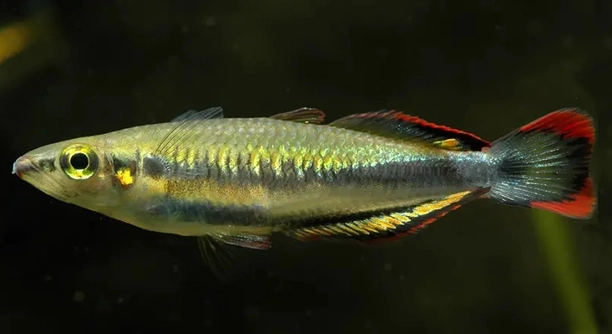
Are your fish showing signs of stress or dull colors despite regular feeding and tank cleaning? Proper lighting is often overlooked, yet it plays a major role in maintaining a healthy aquatic environment. Small adjustments can make a noticeable difference.
Natural light significantly impacts fish health by regulating their circadian rhythms, boosting immune function, and promoting natural behaviors. Introducing controlled exposure to sunlight or simulating it with appropriate aquarium lighting supports overall vitality and longevity.
Learning simple ways to use light effectively can transform your tank environment. These techniques help your fish thrive while keeping your setup balanced and natural.
Understanding Natural Light for Fish
Natural light affects fish in more ways than most people realize. It helps regulate their daily rhythms, influencing when they eat, rest, and swim actively. Fish exposed to consistent, gentle light tend to display brighter colors and more natural behaviors. Too much direct sunlight can overheat water or encourage algae growth, while too little light may weaken fish immune systems and slow metabolism. Observing how your tank responds to sunlight or artificial light can guide adjustments. Placing your aquarium near a window with indirect light can provide benefits without creating sudden temperature swings. For rooms without sufficient sunlight, using LED or full-spectrum lights designed for aquariums can replicate natural conditions. These lights can be set on timers to mimic day and night cycles, which reduces stress and encourages fish to follow predictable patterns. Adjusting the light schedule gradually helps fish adapt without shocking their system, ensuring healthier and more active pets.
Consistent natural light exposure improves fish health, mood, and color, supporting a balanced tank environment while reducing behavioral problems.
A good balance of light also benefits plants and microorganisms in the aquarium. Healthy plants provide oxygen and shelter, while supporting natural cleaning processes. Fish in well-lit tanks often explore more and show normal social behaviors. Light helps regulate hormone cycles, which affects breeding, growth, and immunity. Observing subtle changes in swimming patterns or appetite can indicate if lighting adjustments are needed. Even small improvements, like changing the angle of light or adjusting duration, can yield noticeable results. Over time, light management becomes a routine part of tank maintenance that keeps both fish and their ecosystem stable.
Positioning Your Tank for Optimal Light
Where your aquarium sits in a room determines how much natural light it receives. Windows with direct sunlight can cause temperature spikes, while shaded areas may leave fish underexposed.
Proper placement ensures fish receive beneficial light without overheating or stressing them. Avoid sudden exposure changes and provide consistent schedules.
Consider how the tank interacts with surrounding surfaces. Light reflected from walls or ceilings can enhance illumination, while dark corners may create uneven exposure. Adjust blinds or curtains to control sunlight intensity and prevent algae blooms. Tanks placed near windows with morning light can provide gentle warmth, while late afternoon sun might need filtering. Artificial lighting can supplement natural light, maintaining consistency throughout the day. Timers help create reliable day-night cycles, mimicking natural rhythms and reducing stress. Observing fish behavior after relocation allows fine-tuning of light positioning. Rotating the tank slightly or changing nearby reflective surfaces can balance light distribution. Proper light positioning ensures fish are active, healthy, and display vibrant colors, improving both their wellbeing and the overall look of the tank.
Choosing the Right Light Spectrum
The type of light you use impacts fish health and coloration. Full-spectrum or daylight-simulating bulbs provide the closest match to natural sunlight. Avoid lights that are too harsh or overly blue, as they can stress fish or distort their natural colors.
Full-spectrum lighting encourages plant growth and supports fish metabolism. Plants produce oxygen and absorb harmful chemicals, creating a healthier environment. Fish also show more natural behaviors and display brighter colors under appropriate light. Timers help maintain a consistent day-night cycle, which reduces stress and mimics natural conditions. Adjusting light gradually allows fish to adapt without sudden changes, ensuring steady growth and active swimming. Choosing the right spectrum can transform tank life and make maintenance easier.
Some fish are more sensitive to certain wavelengths than others. For example, tropical fish often respond well to warmer tones, while freshwater species may thrive under cooler light. Observing how fish behave and adjusting the spectrum accordingly ensures optimal health and longevity. Light should enhance, not overwhelm, their environment, balancing visual appeal with biological needs. Regularly evaluating light intensity and spectrum prevents issues like color fading, sluggish movement, or plant die-off.
Timing and Duration of Light Exposure
Consistent light schedules are essential for fish circadian rhythms. Most fish need 8 to 12 hours of light daily to stay healthy and active.
Too much light can overheat water and encourage algae, while too little can weaken immune systems and slow metabolism.
Using timers ensures predictable light cycles, preventing sudden changes that stress fish. Gradually adjusting light at dawn and dusk simulates natural conditions and helps fish adapt. Seasonal changes may require light adjustments to match temperature and sunlight variations. Observing fish activity during different times of day reveals if timing is suitable, and slight modifications can improve feeding habits, swimming patterns, and social interactions. Properly timed light exposure supports breeding cycles, color vibrancy, and overall tank stability, creating an environment closer to natural habitats while minimizing maintenance issues.
Gradual Light Changes
Sudden changes in light can stress fish and disrupt their natural routines. Gradually increasing or decreasing light intensity allows fish to adjust comfortably.
Using dimmers or timers helps simulate sunrise and sunset, creating a more natural environment and reducing sudden behavioral changes in fish.
Using Reflective Surfaces
Reflective surfaces can enhance natural light in your aquarium without adding extra bulbs. Positioning light near white walls or light-colored furniture helps distribute light evenly across the tank. This improves plant photosynthesis and encourages fish to explore all areas, maintaining a balanced, healthy environment.
Avoiding Direct Sunlight
Direct sunlight can cause water temperature spikes and promote algae growth. Keep tanks away from windows or use blinds to filter intense rays.
Observing Fish Behavior
Monitoring how fish react to light changes provides insight into their comfort and health. Active, vibrant fish indicate proper lighting, while lethargy or hiding may signal adjustments are needed.
FAQ
How much natural light do fish need daily?
Most fish thrive with 8 to 12 hours of light per day. This can come from indirect sunlight or a combination of sunlight and full-spectrum aquarium lighting. Maintaining a consistent schedule helps regulate their circadian rhythms and supports healthy behavior, feeding, and growth. Using a timer ensures the tank receives light consistently, even when daily routines change. Adjusting light gradually during seasonal shifts prevents stress and keeps the tank environment stable, benefiting both fish and plants.
Can too much light harm my fish?
Yes, excessive light can stress fish and raise water temperature, creating a harmful environment. Too much sunlight encourages algae growth, which competes with plants for nutrients and reduces oxygen. Overexposure can also cause fish colors to fade and disrupt normal swimming and feeding patterns. Controlling light intensity and duration helps prevent these problems. Reflective surfaces, blinds, or indirect sunlight can reduce excessive exposure, while timers provide consistent day-night cycles. Regular observation ensures fish remain active, vibrant, and stress-free.
Should I use artificial lights if my tank gets natural sunlight?
Artificial lights are helpful when natural sunlight is inconsistent or insufficient. Full-spectrum or daylight-simulating bulbs replicate natural sunlight, promoting plant growth and fish health. Timers help maintain regular day-night cycles, reducing stress for fish. Artificial lighting also prevents algae spikes caused by uneven sunlight exposure. Combining natural and artificial light carefully ensures fish receive proper illumination while keeping the tank temperature stable. Adjust light intensity gradually to avoid shocking fish and allow them to adapt comfortably to new conditions.
How can I prevent algae growth from sunlight?
Algae thrives in tanks exposed to direct, intense sunlight. Position your aquarium away from direct rays or use blinds and curtains to filter light. Limiting sunlight exposure to indirect or diffused light reduces algae growth. Regular tank maintenance, including cleaning surfaces and controlling nutrients, also helps. Introducing live plants can outcompete algae for nutrients, keeping it under control. Reflective surfaces should be monitored to ensure they don’t intensify light and encourage algae. Combining careful light management with proper cleaning keeps both plants and fish healthy.
Do all fish require the same light intensity?
No, different species have varying light requirements. Tropical fish often respond well to warmer, moderate light, while some freshwater species prefer cooler tones. Sensitive species may need lower intensity or shaded areas in the tank to avoid stress. Observing behavior, color vibrancy, and activity helps determine the correct intensity. Adjusting light gradually ensures fish adapt without disruption. Plants in the tank also influence lighting needs, as they require sufficient light for photosynthesis, which indirectly benefits fish by maintaining oxygen levels and water quality.
Can fish health improve with better lighting?
Proper lighting supports fish immune systems, reduces stress, and promotes natural behaviors. Fish exposed to consistent, balanced light often display brighter colors, better appetite, and more activity. Healthy lighting encourages plant growth, which maintains water quality and oxygen levels. Timed lighting helps regulate circadian rhythms, supporting sleep and activity patterns. Over time, careful light management creates a stable environment that prevents common health issues, improves longevity, and enhances overall wellbeing. Observing fish responses allows fine-tuning of light conditions for optimal results.
Is it necessary to mimic sunrise and sunset in a tank?
Simulating gradual changes in light, like sunrise and sunset, reduces stress caused by sudden light shifts. Fish adjust more easily when light intensity increases or decreases slowly. Dimmers or timers can create these effects automatically. Mimicking natural transitions also helps plants adapt and supports the tank’s overall ecosystem. Sudden lighting changes can startle fish, leading to hiding, erratic swimming, or aggression. Implementing gradual light changes maintains a calmer, more natural environment that encourages normal behaviors and healthier fish.
How do I know if my fish are getting too little light?
Signs of insufficient light include dull colors, reduced activity, slow growth, and plants struggling to survive. Fish may hide more often or show irregular feeding habits. Monitoring behavior and adjusting light duration or intensity can correct deficiencies. Using full-spectrum lighting and consistent schedules ensures fish receive the light needed to stay healthy. Gradually increasing light exposure allows fish to adapt naturally, supporting better coloration, activity, and overall wellbeing while also benefiting plant life and the tank ecosystem.
Can reflective surfaces improve tank lighting?
Yes, reflective surfaces like walls or ceilings can enhance natural or artificial light, spreading illumination evenly across the tank. This helps plants grow more efficiently and encourages fish to explore all areas. Care must be taken to avoid creating hot spots or glare that could stress fish. Combining reflective surfaces with proper positioning and timed lighting ensures even distribution and a balanced environment. Regular observation allows adjustments to maximize benefits while preventing overexposure. Proper use of reflection improves tank aesthetics, plant health, and fish behavior simultaneously.
How long should artificial lights stay on if I don’t have natural sunlight?
Artificial lights should be on for about 8 to 12 hours daily, replicating natural daylight patterns. Using timers ensures consistency, supporting circadian rhythms and reducing stress. Gradually increasing and decreasing intensity simulates sunrise and sunset, which helps fish adjust comfortably. Consistent lighting encourages plant growth, color vibrancy, and normal behaviors, creating a stable, healthy environment in the absence of natural sunlight. Monitoring fish responses allows fine-tuning of light duration and intensity for optimal results, maintaining balance within the tank.
Proper lighting is one of the most important factors for keeping fish healthy and active. It affects more than just how your tank looks; it influences fish behavior, feeding patterns, and overall wellbeing. Fish exposed to consistent, balanced light tend to display brighter colors, swim more actively, and interact naturally with their environment. Plants in the tank also benefit from adequate lighting, producing oxygen and helping maintain water quality. Without proper light, both fish and plants can struggle, leading to dull colors, slower growth, and potential health problems. Simple adjustments, like positioning the tank near indirect sunlight or using full-spectrum lighting, can make a noticeable difference in the overall health of your aquarium. Maintaining consistency with timers and gradual light changes helps fish adapt without stress, supporting natural circadian rhythms and steady activity. Even small improvements in lighting can have long-term positive effects on the balance of your tank ecosystem.
Managing light also involves paying attention to intensity and duration. Too much light can increase water temperature and encourage algae growth, which competes with plants and can create an unhealthy environment. Direct sunlight should generally be avoided, while indirect sunlight or reflective surfaces can help distribute light evenly without overwhelming the tank. Using artificial lighting, such as LED or full-spectrum bulbs, ensures that fish receive consistent light even when natural sunlight is unavailable. Timers and dimmers allow for smooth transitions that mimic sunrise and sunset, preventing sudden changes that might stress fish. Adjusting light gradually is essential for both fish and plants, as it allows them to adapt naturally. Regular observation of fish behavior, color vibrancy, and plant health is necessary to determine whether adjustments are needed. Over time, creating a balanced lighting setup becomes an integral part of aquarium care that benefits the entire ecosystem.
Finally, understanding the relationship between natural light and fish health helps simplify overall tank maintenance. By focusing on light schedules, intensity, and placement, you can support natural behaviors and reduce potential stressors. Healthy, well-lit environments promote active swimming, proper feeding, and stronger immune systems in fish. Balanced lighting also contributes to a visually appealing tank, with vibrant fish and flourishing plants. Small, consistent efforts, like monitoring fish reactions and adjusting light gradually, make a significant difference in long-term health. Proper lighting supports the delicate balance of an aquarium, ensuring both fish and plants thrive while making maintenance easier and more predictable. Maintaining these practices creates a healthier and more enjoyable aquatic environment for both the fish and the caretaker, improving the overall experience of keeping a vibrant, active aquarium.

Hello,
If you enjoy the content that we create, please consider saying a "Thank You!" by leaving a tip.
Every little bit helps us continue crafting quality advice that supports the health, happiness, and well-being of pets around the world, for pets of all shapes, sizes, and species.
We really appreciate the kindness and support that you show us!