
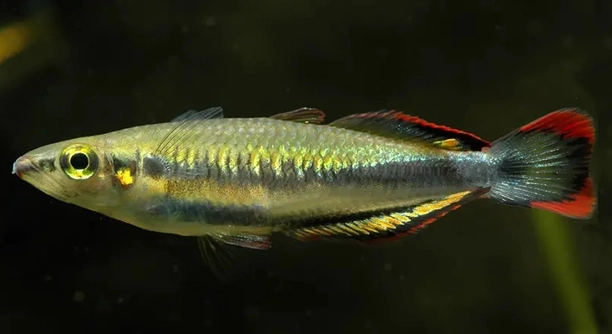
Rainbowfish are small, colorful freshwater fish often kept in home aquariums. They are known for their bright scales and active swimming habits, which make them a lively addition to any tank. Many aquarium owners enjoy watching them move.
Rainbowfish are generally diurnal, meaning they are most active during the day and tend to rest or hide at night. Their natural behavior in rivers and streams involves feeding and social interaction during daylight hours while seeking shelter after sunset.
Observing their daily patterns can help you create a comfortable environment. Understanding when they are most active ensures a healthier, happier aquarium for your rainbowfish.
Daytime Activity Patterns
Rainbowfish are most active during daylight hours. In my experience, they swim energetically across the tank, exploring plants and decorations while interacting with each other. Their bright scales seem to catch the light, making them appear even more lively. During the day, they search for food, often darting quickly when flakes or pellets are added. Younger rainbowfish tend to be more active than older ones, moving almost constantly in groups. Males often display more vibrant colors as they show off to females, which adds movement and interest to the tank. Even simple activities, like shifting from one side of the tank to another, are part of their natural behavior. Watching them, it’s clear that their daily routines are consistent. They generally avoid corners or dark areas unless startled. Providing a well-lit environment encourages this activity and promotes healthy growth. Observing these patterns can help you maintain a balanced tank.
Their daytime activity is a sign of good health and comfort in the tank.
Understanding these routines also helps prevent stress. A consistent light schedule allows rainbowfish to rest properly at night. Tanks with proper hiding spots, plants, and open swimming areas let them behave naturally. Overcrowding or poor lighting can reduce activity and cause them to hide more. Feeding them at regular times reinforces their daily rhythm, and they become more predictable in their movements. Watching their interactions reveals social hierarchy, as some fish may dominate feeding spots or display brighter colors to assert themselves. Younger fish often follow older, more experienced ones, which creates a sense of group cohesion. Observing these behaviors can guide adjustments to tank layout, lighting, and feeding habits. Providing a stimulating environment ensures they exercise enough and reduces boredom. By keeping track of their daily activity patterns, you can identify early signs of illness or stress, improving overall care and making the aquarium more enjoyable to watch.
Nighttime Behavior
Rainbowfish tend to hide or stay still after lights go out. They usually find a safe spot among plants or decorations.
At night, rainbowfish enter a resting state where movement is minimal. They rarely feed during this time and may tuck into corners, behind rocks, or within dense plants. This resting behavior is natural and mimics their river habitats, where staying still helps avoid predators. In a well-maintained aquarium, night activity is generally low, but sudden noises or vibrations can cause brief bursts of movement. Providing adequate hiding spots ensures they feel secure while resting. I have noticed that fish in open tanks with few shelters can appear stressed or restless at night, often hovering near the surface or darting back and forth. Proper lighting schedules with gradual dimming can help them transition to night more comfortably. Observing their nighttime behavior over time allows you to notice subtle changes that might indicate stress or health issues. Creating a balanced environment that supports both day and night activity is key to keeping rainbowfish healthy and happy.
Feeding and Nighttime Activity
Rainbowfish usually feed during the day and rarely eat at night. Their activity slows after sunset, and they rely on stored energy from daytime feeding to last through the night. A consistent feeding schedule supports their natural rhythms and overall health.
I’ve noticed that when feeding is irregular, rainbowfish can appear restless at night. They may hover near areas where food is usually offered or dart around the tank more than usual. Maintaining a regular schedule of morning and afternoon feedings ensures they get enough nutrition during their active hours. Overfeeding can lead to uneaten food, which reduces water quality and stresses the fish. Using small portions and observing how much they eat prevents this problem. Feeding them a balanced diet of flakes, pellets, and occasional live or frozen food keeps them vibrant and active during the day, while letting them rest comfortably at night without hunger interfering.
Some rainbowfish may move slightly at night, often adjusting their positions or finding cozier hiding spots. This minimal movement is natural and should not be confused with daytime activity. Nighttime behavior is mostly about staying safe and conserving energy. I’ve seen them tuck under plants or behind decorations, often choosing the same spots each night. Providing several hiding areas ensures all fish feel secure. Even slight disturbances like tank vibrations can cause brief movement, but generally, they remain still. Observing this calm behavior is a good indicator that the tank environment is suitable and that the fish are comfortable. Regularly checking water conditions and lighting helps maintain this stability and encourages healthy nighttime routines.
Lighting and Sleep Cycles
Proper lighting affects rainbowfish sleep cycles and overall health. A regular day-night schedule supports their activity levels and prevents stress or irregular behavior.
When lighting is too bright at night, rainbowfish may struggle to rest. I’ve adjusted tank lights to dim gradually in the evening, which helps them settle naturally. In their natural habitat, light levels gradually decrease as the sun sets. Simulating this in an aquarium promotes a natural rhythm. Lights that stay on too long can confuse them, leading to reduced daytime activity or increased hiding. Using timers for lights ensures consistency, helping fish maintain proper sleep cycles. Observing how rainbowfish respond to lighting changes provides insight into their comfort level. Gradual dimming reduces sudden stress, while a full dark period helps them recharge for the next day.
Consistent lighting also influences feeding behavior. Fish become more alert and active during daytime hours when lights mimic natural sunlight, making feeding more effective. I’ve noticed rainbowfish eagerly swim toward food when the tank is well-lit during the day, showing how lighting directly impacts their energy and mood. Incorrect lighting schedules can cause disrupted feeding habits, slower growth, and even color fading. Providing a balance of bright daytime light and complete darkness at night ensures they develop naturally and remain healthy. Plants in the tank also benefit from proper light cycles, indirectly supporting rainbowfish by maintaining water quality. Paying attention to these details helps keep the aquarium stable and enjoyable.
Tank Setup and Comfort
Rainbowfish feel safer in tanks with plenty of plants and hiding spots. Dense vegetation and decorations provide shelter, reducing stress and encouraging natural behavior. They tend to settle quietly at night when they have secure spaces to retreat to.
I’ve noticed that open tanks without cover can make rainbowfish restless after dark. They may hover near the surface or dart around, looking for safety. Adding plants, rocks, or small caves helps them feel protected. A well-arranged tank supports both daytime activity and nighttime rest, creating a balanced environment that keeps them healthy and calm.
Social Behavior
Rainbowfish are social and prefer living in groups. I keep them in schools, and they interact constantly, displaying vibrant colors and coordinated movements. Social dynamics affect both their activity levels and stress, so maintaining a proper group size is essential for their well-being.
Noise and Disturbances
Sudden noises or vibrations can startle rainbowfish, even at night. They may swim erratically or hide temporarily. Minimizing external disturbances helps them maintain calm and normal behavior patterns, contributing to a stable tank environment.
FAQ
Are rainbowfish completely inactive at night?
Rainbowfish are not completely inactive at night, but their movement is minimal. Most of the time, they rest in secure spots among plants, rocks, or decorations. I’ve observed that even slight disturbances like vibrations can cause brief movement, but otherwise, they remain still, conserving energy.
Why do some rainbowfish move at night?
Some movement at night is normal. Fish may adjust their positions, shift to a more comfortable hiding place, or react to subtle changes in the tank. In my experience, occasional movement does not indicate a problem as long as they resume resting quickly.
Do rainbowfish need feeding at night?
Rainbowfish rarely eat at night. They get all their nutrition during daytime feedings. Maintaining a regular schedule of morning and afternoon meals ensures they remain active and healthy during the day while resting comfortably at night.
Can poor lighting affect their night behavior?
Yes, lighting plays a big role. Too much light at night can confuse them and prevent proper rest. I usually use timers to create a consistent day-night cycle, including gradual dimming, which helps rainbowfish settle naturally. Proper darkness is essential for their sleep cycles.
Do tank mates influence their nighttime activity?
Tank mates can affect their behavior. Peaceful companions help rainbowfish feel secure, while aggressive fish may stress them, causing more movement or hiding at night. In my tank, keeping compatible species ensures calm nighttime routines. Social dynamics directly influence how comfortable they feel while resting.
Is it normal for rainbowfish to hide in the same spot every night?
Yes, rainbowfish often select a favorite hiding place. I’ve noticed mine consistently tuck under the same plants or behind certain decorations. This repetition is normal behavior, providing them with a sense of security and a predictable environment, which reduces stress and promotes health.
How do temperature changes affect nighttime activity?
Sudden temperature drops can make rainbowfish sluggish or more restless. Maintaining a stable temperature in the tank is crucial. I keep a heater with a reliable thermostat to ensure their environment remains consistent, helping them rest properly and maintain overall well-being.
Do younger rainbowfish behave differently at night than older ones?
Younger rainbowfish may move slightly more, exploring or adjusting positions more often than adults. Adults tend to settle quickly and remain still. I’ve noticed that younger fish require more hiding options to feel secure, while older fish stick to familiar spots.
Can stress increase nighttime activity?
Yes, stress can disrupt normal resting behavior. Sudden noises, aggressive tank mates, or poor water quality can make rainbowfish more active at night. In my experience, addressing stressors and improving tank conditions restores calm and natural routines.
Should I monitor their nighttime behavior regularly?
Monitoring nighttime behavior is useful for detecting early signs of illness or stress. Observing their resting patterns, movement, and hiding spots gives insight into their comfort. I often check the tank in low light, which lets me notice changes without disturbing them.
Do rainbowfish sleep like humans?
Rainbowfish don’t sleep like humans but enter a resting state. Their metabolism slows, and movement is minimal, but they remain aware of their surroundings. I’ve seen them react quickly to disturbances even while resting, showing their alertness is retained during nighttime rest.
How can I improve their nighttime comfort?
Providing plenty of hiding spots, stable temperature, and consistent lighting improves comfort. Gradual dimming of lights, minimal tank disturbances, and proper water quality all contribute to a calm nighttime environment. In my experience, rainbowfish thrive when these conditions are met consistently.
Does feeding schedule affect night activity?
Yes, feeding at consistent times reinforces their natural rhythm. I feed my rainbowfish in the morning and late afternoon. Regular feeding prevents restlessness at night, ensures proper nutrition, and supports their overall health and activity during the day.
Can plants affect their nighttime behavior?
Dense plants offer shelter and comfort. I’ve noticed rainbowfish prefer resting among foliage, which gives them security and reduces stress. Open tanks without sufficient cover can lead to restless behavior at night, so including plants is essential for their well-being.
Is it normal for rainbowfish to be more active during dusk or dawn?
Some activity at dawn or dusk is normal as light levels change. I’ve observed slight movement as they transition between rest and daytime activity. This behavior is natural and reflects their adaptation to gradual light changes in their habitat.
How long do rainbowfish usually stay still at night?
Most of the night, rainbowfish remain still for several hours. I’ve seen them settle quickly after lights go out and only move occasionally. Ensuring a quiet and secure environment allows them to rest effectively and maintain energy for daytime activity.
Can external disturbances disrupt their sleep?
Yes, vibrations, loud noises, or sudden changes in light can interrupt their rest. I make sure my tank is in a low-traffic area. Minimizing disturbances at night helps maintain their natural resting patterns and reduces stress levels.
Do rainbowfish need darkness to sleep?
Complete darkness is important for proper rest. I use timers and dim lights gradually to simulate sunset, which helps rainbowfish settle. Without sufficient darkness, they may become restless or stressed, affecting both health and daytime activity.
Is it normal for rainbowfish to cluster together at night?
Yes, clustering provides security. I often see mine huddled in groups among plants or decorations. This behavior reflects natural instincts to protect themselves from threats and helps them feel safe while resting.
Can diet influence nighttime behavior?
A balanced diet ensures they remain full and active during the day, reducing restlessness at night. I feed flakes, pellets, and occasional frozen food, which supports overall health and consistent nighttime behavior. Poor nutrition can lead to unusual movement or stress during rest.
Do rainbowfish adjust their spots at night often?
They may shift slightly for comfort, but usually remain in familiar spots. I’ve noticed minor adjustments, but significant movement is uncommon unless disturbed. Providing multiple secure areas allows them to choose preferred resting places.
How can I tell if nighttime activity is abnormal?
Abnormal activity includes constant darting, aggression, or unusual hiding. I monitor their patterns closely; sudden changes often indicate stress, illness, or environmental problems. Addressing water quality, tank mates, or lighting typically resolves these issues and restores normal nighttime behavior.
Do older rainbowfish need more or less hiding space at night?
Older rainbowfish often prefer familiar spots and may need fewer hiding areas. Younger fish benefit from multiple shelters to feel secure. I make sure the tank has both dense areas and open swimming space to accommodate all ages comfortably.
Can sudden light changes at night harm rainbowfish?
Yes, sudden bright lights can startle them. I use gradual dimming to mimic natural sunset, which reduces stress and helps maintain regular resting patterns. Abrupt light changes can increase nighttime activity and cause unnecessary tension in the tank.
Are rainbowfish nocturnal in any situation?
Rainbowfish are naturally diurnal. I’ve never seen them adopt true nocturnal behavior unless extreme stress or poor lighting conditions interfere. Their activity is primarily daytime, with rest and minimal movement at night. Proper care ensures they maintain this natural rhythm.
Does water quality affect night behavior?
Poor water quality can increase nighttime movement or hiding due to discomfort. I regularly test ammonia, nitrites, and nitrates to ensure a stable environment. Healthy water supports normal resting patterns and overall well-being, keeping nighttime behavior consistent and calm.
How long does it take for rainbowfish to settle at night?
Most settle within a few minutes after lights dim. I watch mine tuck into plants or decorations quickly. Consistent lighting, calm surroundings, and familiar hiding spots help them adjust efficiently, ensuring proper rest throughout the night.
Do all rainbowfish species behave the same at night?
Behavior can vary slightly by species. Some are more prone to minor nighttime movement or prefer denser hiding spots. In my experience, most common species follow similar diurnal patterns, resting at night and staying active during the day.
Can stress from daytime events affect nighttime behavior?
Yes, daytime stress like aggressive tank mates or sudden disturbances can lead to restless behavior at night. I minimize stressors and maintain a calm environment to ensure rainbowfish can rest properly and regain energy for the next day.
How do I create the ideal nighttime environment?
Provide hiding spots, maintain stable temperature, ensure clean water, and use consistent lighting with gradual dimming. I’ve seen rainbowfish thrive when these conditions are met. A quiet area and minimal disturbances at night further support healthy rest and natural behavior.
Is it normal for rainbowfish to occasionally explore at night?
Occasional exploration is normal, often to adjust positions or find comfort. I observe slight movement in my tank, but prolonged or frantic swimming usually signals stress or environmental issues that need addressing.
How can I tell if rainbowfish are stressed at night?
Signs include constant darting, unusual hiding, or refusal to settle. I check water conditions, tank mates, and lighting to identify problems. Resolving these factors usually restores calm and normal resting behavior.
Does tank size influence nighttime activity?
Yes, smaller tanks with few hiding spots can make rainbowfish restless. I’ve found that larger tanks with plants and decorations allow them to settle comfortably and reduce unnecessary movement during the night.
Should I turn off all lights at night?
Yes, complete darkness promotes proper rest. I use timers and ensure lights remain off throughout the night. This supports their natural diurnal rhythm and reduces stress, encouraging normal activity during daytime hours.
Do rainbowfish dream or have active sleep?
Rainbowfish do not dream like mammals. Their sleep consists of minimal movement and reduced metabolism. I’ve observed they remain alert enough to react to disturbances, but otherwise stay still, reflecting a restful state rather than active dreaming.
Can nighttime feeding be harmful?
Feeding at night is unnecessary and can disrupt rest. I avoid feeding after lights dim. Providing all nutrition during the day supports normal activity patterns, proper metabolism, and restful nights without causing digestive stress or water quality issues.
Do rainbowfish prefer certain hiding spots at night?
Yes, they often return to the same preferred locations. I’ve seen my fish consistently choose the same plant clusters or behind decorations, indicating comfort and security. Multiple hiding areas help ensure all fish find a spot they feel safe in.
How long do rainbowfish stay active after lights come on?
They usually become active immediately, swimming around and feeding eagerly. I notice an energy spike in the first hour, reflecting their diurnal nature. Proper rest at night ensures they are ready for consistent daytime activity.
Do rainbowfish need a night filter or air pump running?
Yes, gentle filtration and aeration maintain water quality without disturbing rest. I keep filters running quietly, ensuring oxygen levels remain stable. Strong currents can disrupt sleep, so flow should be minimal at night.
Can sudden tank maintenance affect nighttime behavior?
Yes, cleaning or water changes near night can stress them, causing increased movement. I perform maintenance during the day to allow recovery before lights go out, which helps maintain calm nighttime routines and reduces long-term stress.
Is it normal for rainbowfish to adjust their position multiple times at night?
Minor adjustments are normal as they find comfort. I’ve seen slight shifts, but continuous movement indicates stress or discomfort. Ensuring a stable, secure environment reduces unnecessary repositioning and promotes restful nights.
Do rainbowfish ever swim at night voluntarily?
Occasionally, brief swimming occurs, often in response to disturbance. Voluntary nocturnal swimming is rare. I’ve noticed that in a calm, dark tank, they mostly remain still, reflecting natural diurnal behavior and energy conservation.
Can tank lighting color affect nighttime behavior?
Lighting color has minimal effect if turned off at night. I use full-spectrum daylight during the day and complete darkness at night. Colored lights left on can confuse fish, disrupt rest, and lead to unusual night activity.
Do rainbowfish need a bedtime routine?
A consistent light schedule, calm environment, and proper hiding spots act as a bedtime routine. I’ve observed that following these steps helps them settle quickly, reducing nighttime stress and supporting healthy diurnal rhythms.
How can I tell if a rainbowfish is sick based on night behavior?
Unusual night activity like frantic swimming, staying at the surface, or refusing to hide may indicate illness. I check water quality, observe daytime behavior, and treat health issues promptly to restore normal resting patterns.
Do rainbowfish need a gradual light transition in the morning?
Yes, gradual brightening simulates sunrise, reducing stress. I use timers to slowly increase light intensity, which gently wakes them and encourages natural morning activity without startling them.
How often should I check their night behavior?
Periodic observation ensures they rest properly and remain healthy. I check in low light once or twice a week, noting changes in movement, hiding preferences, or signs of stress. Consistent monitoring helps maintain a stable environment.
Can plants or decorations be rearranged safely without affecting night behavior?
Yes, minor adjustments are fine if done during the day. I avoid moving items at night, as sudden changes can stress rainbowfish, making them restless. Gradual or daytime rearrangements maintain security and comfort during rest.
Do rainbowfish respond to my presence at night?
They may notice vibrations or shadows, causing brief movement. I avoid tapping or approaching the tank at night, letting them remain undisturbed. Respecting their rest ensures they are calm and active during the day.
How does water temperature fluctuation affect night behavior?
Sudden drops or spikes increase restlessness. I maintain a stable temperature using a reliable heater. Consistent warmth supports normal resting behavior and prevents stress-related activity during the night.
Can multiple factors combine to disrupt night behavior?
Yes, poor lighting, stress, water quality, and lack of hiding spots can collectively increase nighttime activity. I address each factor to create a calm, secure tank environment that supports natural diurnal patterns and restful nights.
Do rainbowfish show signs of contentment at night?
Calm, minimal movement and consistent use of hiding spots indicate comfort. I notice that when they are content, they settle quickly and remain still, reflecting a healthy and well-maintained tank environment.
Is nighttime activity different between species?
Patterns vary slightly, but most common rainbowfish species remain largely inactive at night. I’ve observed minor differences in movement or preferred hiding spots, but the overall diurnal behavior is consistent across species.
Do rainbowfish ever become nocturnal under certain conditions?
Extreme stress or poor lighting can alter behavior, but true nocturnal activity is uncommon. Maintaining stable conditions keeps them diurnal, with active days and restful nights, which is critical for their health and well-being.
Can diet or supplements influence night activity?
Balanced nutrition supports normal energy levels and reduces restlessness at night. I include varied flakes, pellets, and occasional frozen foods. Overfeeding or poor diet can lead to unusual night activity, highlighting the importance of consistent feeding practices.
How can I tell if they are resting properly?
Minimal movement, settled positions, and use of preferred hiding spots indicate proper rest. I observe patterns over several nights to ensure consistency, which reflects good tank conditions and healthy, well-adjusted rainbowfish.
Does stress from the environment linger into night behavior?
Yes, daytime stress can increase nighttime activity. I monitor tank conditions and interactions closely. Removing stressors and providing secure spaces restores normal night patterns and ensures they get sufficient rest for daytime activity.
Can lighting timers improve night behavior?
Timers create a predictable day-night cycle, reducing stress and helping rainbowfish settle. I use timers with gradual dimming to simulate natural sunset, which encourages proper resting behavior and maintains diurnal rhythms.
Is it normal for rainbowfish to wake briefly at night?
Brief wakefulness can happen due to subtle disturbances, but they usually return to resting quickly. I’ve observed this in my tank, and it rarely affects overall night behavior as long as the environment remains calm and stable.
How do I maintain consistent nighttime behavior long-term?
Stable lighting, temperature, water quality, proper feeding, and secure hiding spots are key. I follow a routine and monitor the tank, which helps rainbowfish maintain natural resting patterns and supports long-term health and comfort.
Do rainbowfish prefer certain areas of the tank at night?
Yes, they often favor dense plant clusters or sheltered corners. I provide multiple secure areas so all fish have options, ensuring they feel safe and calm during nighttime rest.
Does overcrowding affect night behavior?
Overcrowding increases stress and restlessness. I maintain appropriate group sizes and ensure hiding spots are available for everyone, promoting calm, consistent nighttime behavior and overall tank health.
Can nighttime disturbances lead to long-term stress?
Frequent interruptions can cause chronic stress, affecting behavior, growth, and immune health. I minimize disturbances and maintain a calm environment, which supports proper resting patterns and long-term well-being for rainbowfish.
Do rainbowfish communicate at night?
Communication is minimal at night. I’ve noticed occasional subtle movements or positioning near tank mates, but their primary focus is rest. Active social behaviors are mostly observed during daytime.
How do I balance daytime and nighttime needs?
Providing bright, consistent daytime lighting, feeding schedules, and active spaces, along with secure, quiet nighttime conditions, creates balance. I make adjustments based on observation to support natural rhythms and healthy behavior around the clock.
Can night activity indicate illness?
Persistent or unusual night movement may signal illness. I monitor patterns and check water quality, tank mates, and feeding. Early intervention helps restore normal behavior and maintains fish health.
Do rainbowfish react differently to human presence at night?
They may briefly move if they sense vibrations or shadows but generally remain still. I avoid disturbing the tank after lights go out to preserve calm and ensure proper resting behavior.
Does aquarium location affect night behavior?
Placement in a quiet area reduces disturbances. I avoid high-traffic rooms to prevent vibrations and noise, which helps rainbowfish maintain calm, consistent nighttime routines.
Can nighttime water flow affect behavior?
Strong currents at night can disturb rest. I ensure gentle filtration and aeration, allowing for proper oxygenation without causing stress or excessive movement during resting periods.
Do rainbowfish need specific nighttime care?
Providing darkness, stable conditions, and secure hiding spots is sufficient. I don’t intervene at night unless necessary, letting them rest naturally and maintain diurnal activity patterns.
How does tank complexity influence night behavior?
A complex tank with plants and decorations allows choice in resting spots. I’ve seen rainbowfish settle more comfortably in such setups, reducing stress and unnecessary movement during the night.
Can water parameters disrupt night behavior?
Imbalances in pH, ammonia, or temperature can increase night activity or hiding. I regularly monitor and maintain stable water parameters, which ensures proper rest and supports overall health.
Do rainbowfish sleep in groups or individually?
Both occur depending on preference and tank layout. I’ve noticed clustering for security, especially in densely planted tanks, while some individuals choose separate spots. Multiple options cater to all fish, promoting restful nights.
**Can seasonal changes affect night behavior?
Final Thoughts
Rainbowfish are lively, colorful fish that bring energy and movement to any aquarium. Observing them during the day is a joy, as their bright scales and active swimming patterns make the tank feel alive. While they are most active in daylight, their nighttime behavior is equally important for maintaining their health. At night, they enter a resting state, often settling into hiding spots among plants or decorations. This behavior is natural and necessary, allowing them to conserve energy and maintain a proper rhythm. I’ve noticed that rainbowfish quickly adapt to their environment when the tank is stable, and their consistent resting patterns at night are a good sign that they feel safe and comfortable. Providing a secure and well-arranged tank encourages them to thrive, ensuring that both their active periods and rest periods are balanced and healthy. Understanding this natural cycle helps aquarium owners create an environment that supports their overall well-being.
Lighting, tank setup, and environmental stability all play major roles in supporting healthy nighttime behavior. Rainbowfish benefit from a consistent day-night cycle, with bright lighting during the day and complete darkness at night. Using timers and gradual dimming can simulate natural sunrise and sunset, helping the fish transition smoothly between activity and rest. Overcrowding, sudden noises, or improper lighting can disturb their sleep, leading to restlessness or stress. In my experience, providing multiple hiding spots, maintaining stable water conditions, and avoiding unnecessary disturbances creates a calm environment that supports both daytime activity and nighttime rest. Feeding schedules also impact their nighttime behavior, as regular meals during the day ensure they are full and energized, reducing the need for movement at night. Paying attention to these factors makes a noticeable difference in the behavior and comfort of rainbowfish, resulting in a more vibrant, healthy, and stress-free aquarium.
Monitoring rainbowfish behavior over time helps identify potential problems before they become serious. Nighttime activity can reveal signs of stress, illness, or environmental issues, such as poor water quality or inappropriate tank mates. I’ve found that observing their patterns regularly, including preferred hiding spots and occasional movements, gives insight into their comfort and overall health. By maintaining proper lighting, temperature, and tank structure, rainbowfish can follow their natural diurnal patterns, staying active and social during the day and resting calmly at night. Understanding their behavior, including subtle changes in movement or positioning, allows for better care and a more balanced aquarium. Ultimately, ensuring a stable, secure, and well-maintained environment helps rainbowfish thrive while providing a peaceful and enjoyable experience for those caring for them. This approach promotes long-term health, natural behavior, and a vibrant, harmonious tank that both the fish and the observer can appreciate.

Hello,
If you enjoy the content that we create, please consider saying a "Thank You!" by leaving a tip.
Every little bit helps us continue crafting quality advice that supports the health, happiness, and well-being of pets around the world, for pets of all shapes, sizes, and species.
We really appreciate the kindness and support that you show us!