
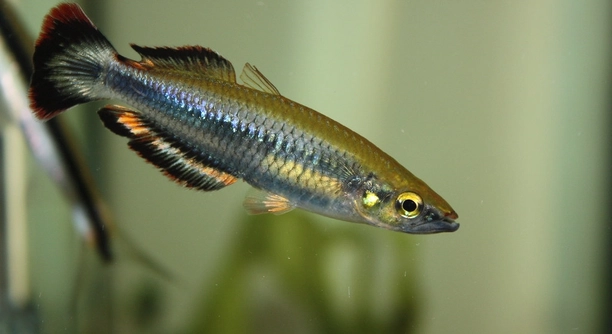
Rainbowfish are vibrant, active fish that thrive in well-maintained aquariums. Their environment plays a key role in their health and behavior. Providing a stimulating tank can improve their activity levels, coloration, and overall well-being naturally.
Adding live plants, varied substrates, and decorations can create a more engaging environment for rainbowfish. Incorporating hiding spots, floating plants, and gentle water currents encourages natural behaviors, reduces stress, and enhances their physical and mental health in a controlled aquarium setting.
These simple adjustments can transform a basic tank into a lively, enriching home for your rainbowfish to enjoy daily.
Plants and Natural Elements
Creating a rich environment for rainbowfish starts with adding natural elements that support their active behavior and bright appearance. Live plants offer movement, shelter, and a sense of security that helps them feel comfortable in their surroundings. Using a mix of tall stems, floating greenery, and low plants creates different layers that keep the tank lively. Natural wood and stones provide extra structure where fish can explore and rest when needed. These additions make the aquarium feel more dynamic and reduce stress by giving your rainbowfish places to retreat during busy moments. A thoughtfully arranged aquascape also encourages natural swimming patterns, helping them stay healthy and energetic each day. When these elements work together the tank becomes a balanced space that mirrors a gentle freshwater habitat. This simple setup makes it easier for the fish to settle, thrive, and interact more confidently in their colorful home every single day now.
Live plants and natural decorations support your rainbowfish by creating structure, movement, and calm spaces. These elements shape a stable environment that keeps stress low and activity high, allowing your fish to move with ease while maintaining their natural colors and overall comfort in the tank at all times daily.
Adding natural elements also makes daily care easier, since live plants help maintain water quality by absorbing nutrients and offering oxygen. A well planned layout keeps debris from settling in hard to reach areas, making cleaning more manageable. Rainbowfish respond positively to environments with gentle structure, showing brighter colors and more confident swimming. These features also help young fish feel secure as they grow. When the tank offers stability and visual interest, the fish remain active and balanced. Small adjustments like these create a dependable space that supports both long term health and simple upkeep for anyone caring for rainbowfish.
Lighting and Water Movement
Lighting and gentle water movement are key features that shape how rainbowfish behave throughout the day. Soft lighting highlights their colors while steady flow keeps the tank clean and encourages natural swimming patterns. These conditions help maintain a balanced environment that supports calm active fish in their home each day.
Proper lighting and water flow play an important role in creating a supportive environment for rainbowfish especially when aiming to maintain their natural activity levels. Balanced lighting prevents overstimulation while still allowing their colors to stand out in a gentle appealing way. Using moderate brightness helps the fish feel secure without creating harsh glare that interrupts their routine. Water movement adds another layer of enrichment by encouraging continuous swimming and helping oxygen circulate evenly throughout the tank. A steady current keeps debris suspended long enough for the filter to remove it improving overall water clarity and stability. Rainbowfish are strong swimmers and a gentle flow gives them a healthy outlet for their energy without overwhelming them. This type of setup also helps them develop stronger muscles and more consistent swimming patterns. When lighting and water flow work together the tank becomes a harmonious space that promotes comfort and activity. These features support long term wellness making the aquarium easier to maintain while keeping your rainbowfish engaged healthy and confident in their environment. These adjustments create stability improve long term care and encourage steady behavior that reflects their natural habits in a simple and manageable way for them every day always.
Hiding Spots and Decorations
Providing hiding spots helps rainbowfish feel secure, reducing stress and promoting natural behavior. Small caves, driftwood, and dense plant areas allow them to retreat when needed. These spaces encourage exploration and make the tank more engaging for all fish while supporting a balanced social environment.
Hiding spots give rainbowfish places to rest and escape when they feel threatened. Including small caves, ceramic decorations, or clusters of plants allows shy or new fish to settle comfortably. They also create territory markers that reduce aggression among tank mates. These structures stimulate exploration, giving the fish confidence to move throughout the tank. Arranging decorations at different levels adds depth and interest while maintaining open swimming areas. Each element contributes to an organized habitat where fish can interact naturally and safely, which in turn supports consistent activity levels and improved overall health.
Decorations and retreats can also enhance the visual appeal of the tank, creating a pleasing aquatic display. Driftwood, rocks, and ornamental structures not only provide shelter but also encourage natural foraging behavior. Fish often investigate these areas repeatedly, staying active and alert. Dense plant clusters and textured surfaces help young fish find safety and learn swimming routes. Strategically placing hiding spots ensures no area feels empty while keeping swimming zones clear. Over time, the tank becomes a dynamic environment where rainbowfish can thrive physically and mentally, while also remaining easy to maintain.
Diet Variety
A varied diet ensures rainbowfish receive essential nutrients for growth, color, and energy. Mixing high-quality flakes, frozen foods, and occasional live feed promotes natural feeding behaviors. Diversity in diet supports overall health and keeps fish active throughout the day.
Including different types of food helps maintain balanced nutrition for rainbowfish, enhancing coloration and vitality. High-quality flake foods provide daily essentials, while frozen options such as bloodworms or brine shrimp offer protein variety. Occasional live food stimulates hunting instincts, encouraging movement and engagement. Rotating food types prevents monotony and supports digestive health, reducing the risk of deficiencies or bloating. Consistent feeding routines combined with a balanced diet contribute to steady growth and energy. Attention to portion sizes prevents overfeeding and maintains water quality, which is critical for a stable tank. A careful approach to diet ensures fish remain lively and visually vibrant.
Diet variety also plays a role in social interactions among rainbowfish. Competitive feeding encourages active swimming and natural behavior, reducing boredom and stress. Offering a mix of textures and sizes engages different fish differently, supporting both dominant and shy individuals. Balanced nutrition contributes to immunity, helping fish resist disease and recover more quickly from minor stressors. A consistent schedule combined with diverse food options reinforces healthy routines, and observing preferences can guide small adjustments for each fish. With mindful feeding, the aquarium becomes a healthier, more stimulating space that benefits every rainbowfish and simplifies maintenance for long-term success.
Tank Size and Space
Rainbowfish need ample space to swim freely and stay healthy. A larger tank reduces stress, supports natural schooling behavior, and allows for better distribution of decorations, plants, and hiding spots for all fish. Proper spacing promotes both activity and comfort in their environment.
A spacious tank also helps maintain stable water conditions. More water volume dilutes waste, reducing sudden changes in temperature or chemistry. Fish have room to establish territories without constant confrontation, which lowers stress and aggression. Open swimming areas combined with structured zones create a balanced environment where rainbowfish can express natural behaviors, stay active, and maintain vibrant colors consistently over time.
Social Groups
Rainbowfish are schooling fish that thrive in groups of at least six to eight. Keeping them in proper numbers encourages natural behavior, reduces stress, and supports a lively, active tank environment.
Water Quality
Maintaining clean, stable water is essential for rainbowfish health. Regular water changes, proper filtration, and monitoring of pH, temperature, and ammonia levels prevent disease and keep fish energetic. Consistent water quality ensures that the tank environment remains safe and suitable for long-term fish growth.
Seasonal Adjustments
Small seasonal adjustments, such as temperature and lighting changes, help mimic natural conditions. These subtle changes support breeding, natural behavior, and overall well-being for rainbowfish throughout the year.
FAQ
How many rainbowfish should I keep in one tank?
Rainbowfish are schooling fish and feel more secure in groups. A minimum of six is recommended for most species, but larger numbers work better in bigger tanks. Keeping them in proper groups encourages natural swimming patterns, reduces stress, and prevents aggressive behavior. Small groups may hide more often and show less color.
What water temperature is ideal for rainbowfish?
Rainbowfish prefer slightly warm water, usually between 24°C and 28°C (75°F–82°F). Stable temperatures help maintain activity levels and prevent stress. Sudden temperature changes can weaken their immune system and make them more susceptible to disease. Using a reliable heater and thermometer ensures consistent conditions.
How often should I clean the tank?
Partial water changes of 20–30% weekly help maintain water quality. Cleaning substrate, removing debris, and checking filters are important steps. Over-cleaning can disturb beneficial bacteria, while neglecting maintenance allows toxins to build up. Consistency ensures fish stay healthy and active.
Can rainbowfish live with other fish?
Rainbowfish are generally peaceful but may show mild territorial behavior. Compatible tank mates include tetras, rasboras, and peaceful bottom dwellers. Avoid aggressive species or slow-moving fish that may be stressed by their active swimming. Proper group size and tank structure reduce conflicts and maintain harmony.
What should I feed rainbowfish?
A varied diet keeps rainbowfish healthy and colorful. High-quality flakes or pellets provide daily nutrition. Frozen or live foods like bloodworms, brine shrimp, and daphnia offer protein variety. Occasional treats stimulate natural hunting behavior, supporting activity and mental enrichment. Rotate foods to prevent boredom and nutritional gaps.
How do I encourage breeding?
Providing slightly warmer water, dense plants, and gentle lighting encourages spawning. Healthy, well-fed fish are more likely to breed. Spawning mops or fine-leaved plants give eggs a safe place. Removing adults from eggs can prevent eating, and regular feeding helps fry grow strong.
Why are my rainbowfish losing color?
Fading colors can result from stress, poor water quality, inadequate lighting, or insufficient nutrition. Checking water parameters, improving diet, and providing hiding spots often restores vibrancy. Healthy, unstressed fish regain color naturally when environmental conditions meet their needs.
How much space do they need?
Rainbowfish require enough open swimming area along with places to hide. A general guideline is at least 10 gallons for the first few fish, adding 2–3 gallons per additional fish. More space reduces aggression and promotes schooling behavior.
Can I keep rainbowfish in planted tanks?
Yes, live plants benefit rainbowfish by offering shelter and stimulating natural behaviors. Tall stems, floating plants, and low greenery create depth and exploration opportunities. Plants also improve water quality by absorbing nutrients, making maintenance easier while supporting fish health.
How do I prevent disease?
Maintaining stable water parameters, a balanced diet, and proper tank hygiene lowers disease risk. Quarantining new fish, avoiding overcrowding, and observing daily behavior helps catch issues early. Healthy fish in well-kept environments rarely suffer from serious illness.
What lighting works best for rainbowfish?
Moderate lighting enhances colors without causing stress. Lighting should mimic natural daylight cycles, with a period of darkness at night. Too bright or inconsistent lighting can lead to hiding behavior or stress, while subtle flow and proper positioning keep the tank visually engaging.
How do I keep them active?
Varied diet, adequate tank space, and environmental enrichment keep rainbowfish active. Plants, decorations, and gentle water flow encourage natural swimming. Observing interactions and adjusting decorations or hiding spots ensures fish remain engaged and maintain healthy exercise levels.
Can rainbowfish jump out of the tank?
Rainbowfish are known to jump when startled or exploring. A tight-fitting lid or cover prevents accidents. Ensuring they feel secure with proper hiding spots and stable conditions reduces sudden jumps and keeps the tank safe.
Do rainbowfish need supplements?
If feeding a varied, high-quality diet, supplements are usually unnecessary. Occasional vitamin-enriched foods can boost color or support health during stress. Over-supplementation is unnecessary and may affect water quality, so monitor needs carefully.
How long do rainbowfish live?
With proper care, rainbowfish can live 5–8 years, depending on species. Stable water conditions, nutritious diet, and a stress-free environment contribute to longevity. Observing daily behavior and maintaining consistent care ensures a long, healthy life.
Is it okay to mix different rainbowfish species?
Mixing species can work if they have similar size, temperament, and water requirements. Differences in size or behavior may lead to stress or competition. Careful planning and observation are necessary to ensure all fish coexist peacefully.
How often should I feed them?
Feeding small portions twice daily works well. Overfeeding can pollute the water, while underfeeding reduces growth and energy. Balanced feeding schedules maintain activity, health, and vibrant coloration without compromising water quality.
What is the best substrate for rainbowfish?
Fine gravel or sand is ideal, as it allows planting and prevents injury. Avoid sharp stones that can harm fins. Substrate choice supports natural foraging and adds to the tank’s overall structure and aesthetics.
How do I introduce new fish?
Quarantine new fish for two weeks to prevent disease introduction. Gradually acclimate them to the main tank using temperature and water chemistry matching. Slow introduction reduces stress and encourages smoother integration with existing rainbowfish.
Can I keep rainbowfish in a community tank?
Yes, with compatible species and proper tank size. Active, peaceful fish make the best companions. Avoid overly aggressive or slow-moving species to maintain harmony and ensure rainbowfish feel secure while schooling.
Do rainbowfish need water movement?
Gentle currents mimic natural conditions and encourage swimming. Moderate flow helps oxygenate the tank, maintain cleanliness, and reduce stagnant areas. Strong currents can stress the fish, so adjust flow to provide comfort and natural activity.
What are common health signs to watch for?
Loss of color, lethargy, rapid breathing, or unusual swimming patterns indicate stress or disease. Early detection allows timely intervention. Observing behavior daily ensures rainbowfish remain healthy and any issues are addressed quickly.
Can I keep rainbowfish in a small tank?
Small tanks are not ideal. Limited space increases stress, restricts schooling, and can affect water quality. Larger tanks support natural behaviors, reduce aggression, and improve overall health and color vibrancy for the fish.
How often should I test water parameters?
Testing weekly is recommended to monitor pH, ammonia, nitrite, and nitrate levels. Regular checks prevent sudden imbalances, ensuring the environment remains safe and stable for rainbowfish, supporting consistent health and activity.
Are rainbowfish sensitive to pH changes?
Yes, they prefer slightly alkaline water, usually around pH 7.0–8.0. Sudden changes can cause stress and disease susceptibility. Gradual adjustments maintain stability, keeping fish comfortable and thriving.
What decorations are safe for rainbowfish?
Smooth rocks, driftwood, ceramic caves, and dense plants are safe options. Avoid sharp edges that can damage fins. Decorations should provide hiding spots and exploration areas without restricting swimming space.
How do I handle stressed rainbowfish?
Provide hiding spots, maintain water stability, and reduce sudden changes. Observing their behavior, adjusting lighting, or rearranging decorations can help them feel secure and return to normal activity levels.
Can rainbowfish coexist with shrimp or snails?
Yes, peaceful invertebrates like snails and small shrimp are usually safe tank mates. They add interest and assist with algae control without disturbing rainbowfish. Ensure enough hiding spots for both species to prevent stress.
What is the ideal tank shape for rainbowfish?
Long, horizontal tanks are preferable to tall, narrow ones. They allow for extended swimming paths, support schooling behavior, and provide space for plants, decorations, and open swimming areas.
How do I prevent bullying in a rainbowfish tank?
Maintain proper group size, provide hiding spots, and arrange decorations to create territories. Avoid overcrowding, and monitor interactions regularly. Adjusting tank layout or separating aggressive individuals helps maintain harmony.
Do rainbowfish need a specific light cycle?
Yes, mimicking natural day-night cycles helps regulate behavior. Around 10–12 hours of light followed by darkness supports feeding, activity, and rest, reducing stress and encouraging natural rhythms.
Can rainbowfish eat live plants?
They generally nibble occasionally but do not destroy plants. Dense and hardy plant species are best for enrichment and hiding areas without being heavily eaten.
What is the best filter type for rainbowfish?
A gentle canister or hang-on-back filter provides sufficient flow and mechanical, chemical, and biological filtration. Strong currents should be avoided, as rainbowfish prefer moderate water movement to maintain comfort and activity.
How do I keep rainbowfish colors vibrant?
Balanced nutrition, stable water, proper lighting, and low stress maintain bright coloration. Healthy, active fish show more intense colors naturally when their environment meets physical and behavioral needs consistently.
Can rainbowfish live alone?
They can survive alone but will display less natural behavior and stress easily. Keeping them in groups ensures activity, social interactions, and overall well-being.
What temperature changes are safe for rainbowfish?
Gradual changes of 1–2°C per day are safe. Rapid shifts can stress fish and weaken immunity. Consistency in temperature supports long-term health and activity.
Are rainbowfish compatible with bettas?
It depends on the betta’s temperament. Aggressive bettas may harass rainbowfish. Monitor interactions and ensure plenty of space and hiding spots to reduce potential conflict.
How do I handle cloudy water?
Check for overfeeding, filter efficiency, and substrate debris. Partial water changes and proper cleaning improve clarity. Maintaining balance between feeding and filtration prevents recurring cloudiness and keeps fish healthy.
Do rainbowfish need a night light?
No, darkness at night allows natural rest. Constant lighting can cause stress and reduce activity during the day. Maintaining a clear light-dark cycle supports overall health.
How often should I feed fry?
Fry require small, frequent feedings, two to four times daily, using finely crushed flakes or live foods. Regular feedings support growth and increase survival rates in young rainbowfish.
Can rainbowfish tolerate brackish water?
Most species prefer freshwater. Some tolerate very mild brackish conditions, but long-term health and color development are best in stable freshwater environments.
How do I acclimate new rainbowfish?
Float the bag in the tank for 15–20 minutes to equalize temperature, then gradually mix tank water over an hour. Slow acclimation minimizes stress and helps fish adjust safely.
Are rainbowfish sensitive to medications?
Yes, they can be sensitive. Always follow dosage instructions carefully and consider removing carbon from the filter, as it can absorb medications. Observe fish for signs of stress during treatment.
Can rainbowfish survive in unheated tanks?
In cooler climates, unheated tanks may drop below their preferred temperature, causing stress. A stable heater ensures consistent warmth and supports long-term health, activity, and coloration.
How do I remove algae safely?
Manual removal, algae-eating invertebrates, and regular maintenance keep algae under control. Avoid chemicals that could harm rainbowfish. Maintaining balance in light, nutrients, and water flow reduces growth naturally.
What is the best tank cover for rainbowfish?
A secure, tight-fitting lid prevents jumping. Mesh or glass covers are suitable. The cover should allow airflow but keep the tank safe from escapes.
How do I reduce aggression in a tank?
Proper group size, adequate space, and plenty of hiding spots lower stress and territorial disputes. Rearranging decorations or separating aggressive individuals helps maintain a calm environment.
Are rainbowfish sensitive to sudden noise?
Yes, loud vibrations or tapping on the tank can startle them. Minimizing sudden disturbances helps maintain calm behavior and reduces stress-related health issues.
Can I use tap water directly for rainbowfish?
Tap water should be treated to remove chlorine and chloramine. Testing for pH and hardness ensures safe conditions. Properly conditioned water prevents stress and supports overall health.
Do rainbowfish need substrate for breeding?
While they can spawn over bare surfaces, plants, spawning mops, or fine-leaved areas provide safe sites for eggs and improve survival rates of fry.
How do I know if they are happy?
Active swimming, bright colors, schooling behavior, and normal feeding indicate content, healthy rainbowfish. Sudden hiding, loss of color, or lethargy may signal stress or illness.
Can I keep rainbowfish with cichlids?
Small, peaceful cichlids may be compatible, but larger or aggressive cichlids pose risks. Observe behavior and ensure enough space to prevent stress.
Are rainbowfish sensitive to light changes?
Sudden changes can stress them. Gradual adjustments or dimming lights during maintenance or rearrangement helps maintain comfort. Stable light cycles promote natural behavior and coloring.
What is the maximum size for rainbowfish?
Depending on species, rainbowfish reach 3–6 inches. Providing sufficient swimming space and proper care ensures they reach full size and display healthy coloration.
How do I monitor water quality easily?
Use test kits for pH, ammonia, nitrite, nitrate, and temperature regularly. Keeping a simple log helps detect changes early and ensures a stable environment for rainbowfish.
Can rainbowfish survive in small bowls?
Small bowls are unsuitable. Limited water volume causes stress, rapid chemical changes, and restricted swimming, leading to poor health and reduced lifespan. A properly sized tank is essential.
How do I encourage schooling behavior?
Keeping adequate group numbers and open swimming areas encourages rainbowfish to school naturally. Hiding spots should not block swimming space. Regular observation ensures fish interact as expected.
Do rainbowfish need water conditioners?
Yes, conditioners remove harmful chemicals like chlorine and chloramine from tap water. This ensures a safe environment and prevents stress or damage to gills and fins.
Can rainbowfish live with goldfish?
Goldfish are not ideal companions. Differences in temperature preference, size, and waste production make cohabitation challenging. Rainbowfish thrive better with compatible tropical species.
How do I prevent overfeeding?
Feed small amounts that fish can consume in a few minutes. Remove excess food and maintain a consistent schedule. Overfeeding pollutes water and causes health issues.
Do rainbowfish need a heater all year?
In tropical climates or heated rooms, heaters may not be necessary. In cooler conditions, maintaining consistent warmth is important for health, color, and activity.
Can rainbowfish adapt to different pH levels?
Gradual adjustments are possible, but rapid changes stress fish. Keeping pH within 7.0–8.0 ensures stability, healthy behavior, and optimal coloration.
Are rainbowfish easy to breed?
Yes, with proper conditions including plants, stable water, warm temperatures, and nutritious food. Providing eggs protection ensures better fry survival.
How do I know if they are stressed?
Signs include hiding, loss of color, erratic swimming, and reduced appetite. Adjusting environment, diet, or tank mates helps reduce stress quickly.
Can rainbowfish live in soft water?
They tolerate a range, but slightly harder water mimics natural habitats and supports better color and health. Monitor pH and hardness for stability.
Do they need a quarantine tank?
Yes, quarantining new fish prevents disease spread. Two weeks is typical. Observing health and acclimating gradually protects existing rainbowfish.
How do I introduce decorations safely?
Rinse all decorations, ensure no sharp edges, and arrange for open swimming areas. Gradual placement prevents stress and allows fish to explore safely.
Can rainbowfish live in brackish aquariums?
Most species are freshwater. Very mild brackish conditions may be tolerated briefly, but stable freshwater is best for health, color, and longevity.
How do I clean the filter?
Rinse media in tank water during water changes. Avoid tap water for beneficial bacteria. Maintain filter efficiency without disturbing bacterial colonies.
Are rainbowfish sensitive to sudden temperature drops?
Yes, rapid drops stress them and increase disease risk. Gradual changes of 1–2°C per day are safer. Stable conditions ensure long-term health and activity.
Do rainbowfish need specialized lighting for color?
Moderate, full-spectrum lighting supports natural coloration. Too bright or dim lighting can affect behavior and stress levels. A balanced cycle helps maintain vibrant fish.
How long can they live in captivity?
With proper care, 5–8 years is typical. Stable water, balanced diet, and stress-free environment contribute to longevity.
Can I use fertilizers in planted tanks with rainbowfish?
Yes, but choose fish-safe fertilizers. Avoid excess nutrients that could harm fish. Use carefully to support plant growth without compromising water quality.
How do I handle aggressive individuals?
Provide additional hiding spots, rearrange decorations, or separate aggressive fish temporarily. Monitoring interactions reduces stress and maintains tank harmony.
Do rainbowfish need sand or gravel?
Both work, but smooth substrates prevent injury and allow planting. Substrate choice supports natural foraging and habitat enrichment.
Are rainbowfish sensitive to vibrations?
Yes, sudden taps or loud noise can startle them. Minimizing vibrations reduces stress and supports calm behavior.
How do I prevent overcrowding?
Follow stocking guidelines based on tank size and species. Adequate space reduces stress, aggression, and water quality issues.
Can rainbowfish live with shrimp?
Small, peaceful shrimp usually coexist well. They add diversity without disrupting fish behavior, provided hiding spots are available.
How do I keep rainbowfish active?
Provide space, water flow, varied diet, and environmental enrichment. Decorations, plants, and gentle currents stimulate natural swimming and exploration.
What is the best way to feed multiple fish?
Distribute food evenly across the tank to prevent competition. Small amounts multiple times a day ensure all fish receive nutrition and reduce water pollution.
Can rainbowfish tolerate fluctuating water conditions?
They are sensitive to sudden changes. Stable temperature, pH, and ammonia levels are essential to prevent stress, maintain color, and support health.
How often should I replace filter media?
Rinse mechanical media regularly and replace chemical media as needed. Biological media can last longer but monitor for efficiency. Proper maintenance keeps water quality stable.
Do rainbowfish prefer bright or dim lighting?
Moderate lighting is best. It enhances color and supports activity without causing stress. Adjust intensity based on tank layout and plant density.
Can rainbowfish live with aggressive fish?
Avoid housing with aggressive species. Conflicts increase stress, reduce activity, and may cause injury or death. Peaceful tank mates are preferable.
Are rainbowfish sensitive to sudden feeding changes?
Yes, sudden diet changes can cause stress or digestive issues.
Final Thoughts
Rainbowfish are vibrant, active fish that thrive in well-planned, stable environments. Ensuring their health and happiness relies on attention to several key aspects, including tank size, water quality, diet, and enrichment. Providing adequate space is essential because these fish are naturally energetic and enjoy schooling. A larger tank allows for proper movement, reduces territorial stress, and gives room for decorations, plants, and hiding spots. Crowding can lead to aggression, reduced activity, and even health problems, so keeping the group size appropriate is as important as the overall tank dimensions. Observing their behavior daily helps identify whether the environment supports their natural activity levels, swimming patterns, and social interactions. By giving them space to move and explore, rainbowfish are more likely to remain active, colorful, and resilient over time.
Maintaining clean and stable water is another critical factor in supporting rainbowfish health. Regular water changes, effective filtration, and monitoring of key parameters such as temperature, pH, ammonia, nitrite, and nitrate levels prevent stress and disease. Rainbowfish are sensitive to sudden changes in water conditions, so consistency is essential. A gentle water flow mimics natural habitats, encouraging swimming and oxygen distribution while supporting overall tank cleanliness. The addition of live plants and natural decorations contributes further to stability by creating hiding spots, enriching the environment, and helping maintain water quality. Combined with a balanced diet, these measures ensure that rainbowfish remain vibrant, healthy, and engaged. The fish will display brighter colors, more natural behaviors, and greater activity when their tank environment meets these basic but essential requirements.
Diet and enrichment are equally important for a thriving rainbowfish tank. A varied diet of high-quality flakes, frozen foods, and occasional live food ensures that the fish receive proper nutrition, supporting growth, color, and energy levels. Environmental enrichment through plants, decorations, and hiding spots provides mental stimulation and encourages natural behaviors such as exploring, schooling, and foraging. Lighting should be balanced to highlight colors while maintaining a natural day-night cycle, and seasonal adjustments can support breeding or natural activity patterns. Attention to these details creates a tank that is not only visually appealing but also physically and mentally suitable for rainbowfish. Over time, consistent care, proper tank setup, and thoughtful enrichment result in a stable, lively environment where rainbowfish can thrive, showing their full colors and natural behaviors. By prioritizing their needs and maintaining consistency, you create a sustainable habitat that ensures both the health and happiness of these beautiful freshwater fish.

Hello,
If you enjoy the content that we create, please consider saying a "Thank You!" by leaving a tip.
Every little bit helps us continue crafting quality advice that supports the health, happiness, and well-being of pets around the world, for pets of all shapes, sizes, and species.
We really appreciate the kindness and support that you show us!