
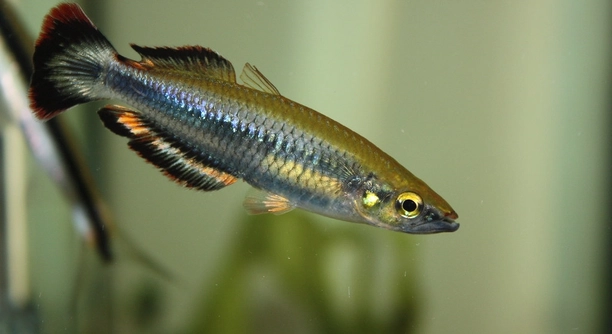
Have you ever noticed your rainbowfish moving around the tank with a calm grace that makes you wonder about their inner world, creating a peaceful rhythm in your home aquarium each and every single day.
Rainbowfish exhibit basic forms of social awareness that reflect environmental conditions rather than true emotional recognition. Their reactions arise from instinctive behavioral patterns influenced by group structure, water quality, and daily stimuli, forming predictable responses instead of genuine emotional sensitivity.
These subtle responses reveal how rainbowfish experience their environment, offering a calm pathway to understanding their behavior in shared aquatic
Sensory Behavior in Shared Spaces
Understanding how rainbowfish respond to their surroundings helps create a calm and stable tank, especially when you hope to support their natural behavior. These small, active fish rely on subtle signals that shape how they interact with one another each day, and these signals can shift depending on changes in the water or the setting they live in. When you recognize these patterns, it becomes easier to notice when something feels different in their tank, allowing you to adjust conditions with care. Their movement, color, and group interactions reveal small details about their comfort, and these details guide you when keeping their environment steady. By watching these indicators over time, you learn how they settle into routines that help them stay balanced. Their behavior often reflects consistency rather than deep emotional expression, yet these patterns still hold value when you want to support their overall well-being and daily comfort too.
Rainbowfish respond to shifts in lighting, movement, or tank dynamics with simple reactions grounded in routine patterns rather than emotional awareness, giving you a clear view of their natural rhythm when observing them each day. These observations help you maintain a space for them well.
Focusing on these subtle patterns allows you to support your rainbowfish with gentle care that suits their daily needs. Their reactions to shifts in current, group movement, and feeding routines help you understand how they settle into their space. When you adjust their environment with steady, thoughtful actions, they respond with smoother movement and more consistent behavior. This steady approach helps them stay comfortable, especially when the tank experiences changes that could otherwise create stress. By observing and responding with simple actions, you build a calm atmosphere that supports their natural rhythm and keeps the tank peaceful for every fish.
How Rainbowfish Sense Their Environment
Rainbowfish respond to group structure and tank stability through consistent patterns that reflect their comfort in daily routines. Their interactions rely on visual signals, spacing, and movement, helping you notice when the tank feels balanced and when simple adjustments can support a smoother and calmer atmosphere each day around them.
Rainbowfish depend on a combination of sensory cues that guide their behavior and shape how they interact with their environment. Their ability to detect movement comes from a lateral line system that senses subtle vibrations in the water, allowing them to react quickly to changes around them. This system, paired with sharp visual awareness, helps them maintain group spacing and avoid conflicts. Light shifts, water flow, and the presence of other fish all influence how they move and respond throughout the day. While these reactions may appear emotional at times, they are driven by instinctive patterns that help them remain safe and coordinated in their group. Consistent conditions give them a sense of stability, which encourages calmer behavior and smoother movement across the tank. When you maintain steady lighting, clean water, and predictable feeding routines, you help them settle into reliable patterns that reduce stress. Over time, their responses become easier to understand because they follow these natural rhythms. Paying attention to these signals allows you to adjust the tank with care, ensuring they remain comfortable in their tank daily.
Recognizing Behavioral Patterns
Rainbowfish display patterns that reflect their comfort, and these patterns help you understand how they react to steady or shifting conditions. Their responses relate to movement, spacing, and interactions, showing you how stable their environment feels during regular moments in the tank.
Rainbowfish often show their comfort through synchronized swimming and smooth movement that stays consistent when the tank feels balanced. Their colors may appear brighter when the water quality is stable, and their group formations remain steady as they move together. These signals help you recognize when they feel at ease or when something in the environment might need attention. When their movements become sudden or scattered, it can reflect stress from changes in lighting, noise, or tank companions. Observing these shifts gives you a simple way to understand how well they are adapting to their space. Paying attention to these patterns keeps their routine predictable and calm.
Their behavior becomes even clearer when you watch how they respond during feeding and group interactions. Rainbowfish often gather smoothly when they feel secure, approaching food with steady movement and predictable spacing. If they start avoiding certain areas or retreating behind plants, it may signal discomfort from changes in water flow, temperature, or tank structure. Their reactions are not emotional displays but instinctive responses meant to keep them safe and coordinated. Keeping their environment clean, well lit, and stable lets them maintain these natural patterns. Over time, their actions reveal a rhythm that helps you understand what conditions support their comfort most effectively in the tank.
Environmental Factors That Influence Reactions
Water quality, lighting, and tank setup influence how rainbowfish move and respond, shaping their behavior throughout the day. These conditions determine how calm or alert they appear, making your adjustments important when maintaining a steady environment that supports their comfort in simple and practical ways.
Lighting changes can affect how rainbowfish interact with their surroundings, guiding their movement and influencing their overall comfort. Bright, harsh lighting may cause them to move more quickly or hide, while soft, consistent lighting encourages smoother patterns. Water flow also plays a key role, since strong currents can push them to swim harder, disrupting their natural rhythm. Maintaining gentle circulation helps them stay calm and balanced. The layout of the tank matters too, because open swimming areas allow them to move freely while plants offer shelter when they need space. Stable water temperature, clean filtration, and low noise help keep them steady, allowing their natural behaviors to remain consistent. Observing how these factors shape their daily actions lets you create a supportive environment that keeps them comfortable and active.
Group Dynamics in the Tank
Rainbowfish rely on coordinated movement to maintain balance in their group, reacting to subtle shifts around them with simple, instinctive responses. Their spacing helps them avoid collisions, and their steady patterns show how comfortable they feel within their shared environment each day.
You may notice how their movements change when the tank becomes louder or more active, as they adjust their spacing to maintain comfort. These reactions help you understand when their environment needs small changes to keep them calm and stable during regular moments in the tank.
How Stress Influences Their Reactions
Stress influences rainbowfish through noticeable shifts in behavior that appear when the tank becomes unstable. Sudden changes in temperature, lighting, or water quality can make them move unpredictably or gather in unusual spots. These reactions reflect their need for steady conditions that support their routine. When you address the cause by stabilizing the environment, their patterns often return to normal. Watching how they swim, feed, or group together gives you clues about what may be affecting them. Keeping their surroundings consistent allows them to feel comfortable, reducing these stress-related shifts in their daily behavior.
Understanding Their Sensory Limits
Rainbowfish respond through instinctive cues rather than emotional recognition, so their actions reflect environmental changes more than complex interpretation. Observing these limits helps you maintain a stable space that supports their natural behaviors and keeps them moving smoothly in their tank.
FAQ
Can rainbowfish recognize emotions in other fish?
Rainbowfish do not recognize emotions in the way people do. Their responses come from instinctive cues that help them navigate their environment. They react to movement, spacing, and changes in the tank, which can sometimes look emotional but are simple patterns. When another fish swims quickly or becomes restless, rainbowfish adjust their own movement to maintain balance in the group. These reactions help them stay safe and coordinated. Their awareness is shaped by the conditions around them, not by emotional understanding. Watching these patterns helps you support their comfort by keeping their space predictable and steady.
Do rainbowfish react to sudden changes in the tank?
Rainbowfish respond quickly to changes in lighting, noise, or water conditions. When something shifts suddenly, they may swim faster, change direction, or gather more tightly with the group. These reactions show that they are sensitive to their surroundings and rely on stability to remain calm. If you keep the tank consistent, their behavior stays smooth and predictable. Observing these reactions helps you understand what adjustments are needed, whether it is reducing noise, softening lighting, or checking water quality. Their behavior becomes steadier when they feel secure, allowing them to move naturally around their space.
How can I tell if my rainbowfish feel stressed?
Signs of stress often appear in their movement and spacing. If they hide more often, retreat to corners, or scatter suddenly, it can signal that something in the tank has changed. Stress might come from poor water conditions, overcrowding, or sudden noise. Watching how they feed and swim gives clear cues about their comfort. When they feel at ease, they swim steadily, maintain smooth group formations, and show bright, consistent coloration. Keeping the tank clean, well lit, and stable helps reduce these stress signals, allowing them to settle back into their natural rhythm.
Do rainbowfish behave differently in groups?
Rainbowfish thrive when kept in groups, and their behavior becomes more coordinated as they swim together. They rely on group movement to feel secure, following one another through the water in smooth patterns. When their group feels balanced, they maintain steady spacing and move in predictable ways. If the group is too small, their behavior may become less consistent because they rely heavily on social cues. Keeping them in an appropriate group size helps them stay active and comfortable. Their natural behavior becomes clearer when they have companions around them.
Can tank layout influence their behavior?
The layout of the tank affects how rainbowfish move throughout the day. They do well in open swimming areas where they can glide freely, but they also appreciate plants and gentle hiding spaces. These features help them feel secure without restricting their movement. If the tank is too cluttered or too empty, their behavior may shift as they try to adjust. A balanced layout supports smoother patterns and helps them react calmly to changes. Providing space, shelter, and gentle water flow encourages natural behavior and steady movement.
How do lighting conditions affect rainbowfish?
Soft, consistent lighting helps rainbowfish maintain comfortable behavior throughout the day. Harsh or sudden lighting changes can startle them, causing quick bursts of movement or hiding. Their colors may look brighter under stable lighting, which helps them feel secure. Keeping a regular lighting schedule prevents unnecessary stress and allows them to settle into a predictable pattern. When lighting is managed gently, their swimming remains smooth and coordinated. These small adjustments help them stay calm and active in a steady environment.
What can I do to support their well-being?
Maintaining clean water, stable temperature, and predictable feeding routines helps rainbowfish stay comfortable and active. Observing their patterns allows you to notice when something shifts, giving you the chance to adjust conditions with care. They respond best to consistency, simple routines, and a balanced tank layout. Providing space to swim, gentle water flow, and calm surroundings encourages natural behavior. Over time, these steady conditions help you understand their patterns more easily, allowing you to keep them in a peaceful and supportive environment each day.
Final Thoughts
Caring for rainbowfish becomes easier when you understand how their simple reactions reflect the conditions around them. Their behavior shows you when the tank feels stable and when something needs attention. As you watch their movement, spacing, and daily habits, you begin to see how each small detail contributes to their comfort. Their responses may appear expressive at times, but they are guided by routine patterns that help them navigate their space with ease. Keeping their environment clean, consistent, and calm allows them to settle into steady behaviors that support their well-being. Over time, these observations help you build a peaceful atmosphere that suits their natural tendencies. This steady approach encourages smooth interactions within the group and helps you maintain a balanced tank that supports their ongoing health.
Rainbowfish thrive when their surroundings remain predictable, and this predictability helps them stay calm in their shared space. Their sensitivity to lighting, movement, and water quality makes consistency important. When these factors stay within safe ranges, their behavior becomes more manageable and easier to read. Observing how they react to feeding, swimming patterns, and subtle shifts in the tank gives you early signs of what may need adjustment. This gentle awareness guides you toward small changes that support their comfort. Their coordinated swimming and steady pace reflect how well they adapt to the conditions you create. When the environment stays stable, they respond with graceful behavior that adds life to the tank without signs of stress.
Maintaining a supportive space for rainbowfish comes down to simple, thoughtful care that honors their natural needs. They respond best to routines that remain steady, allowing them to move with ease and settle into patterns that feel familiar. Their behavior serves as a quiet guide, helping you understand when their conditions feel right and when gentle adjustments are needed. Keeping an eye on water clarity, temperature, and group dynamics helps you stay connected to their rhythm. Over time, these small habits form a smooth routine that keeps them calm and active. By creating a balanced environment, you support their comfort each day and allow their natural patterns to shine.

Hello,
If you enjoy the content that we create, please consider saying a "Thank You!" by leaving a tip.
Every little bit helps us continue crafting quality advice that supports the health, happiness, and well-being of pets around the world, for pets of all shapes, sizes, and species.
We really appreciate the kindness and support that you show us!