
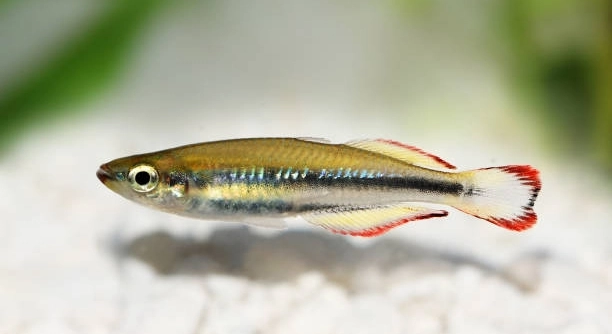
Breeding rainbowfish can be a rewarding experience for both new and experienced aquarists. These colorful fish bring life to any aquarium, and learning to care for their offspring can be fulfilling and educational.
Breeding rainbowfish supports population sustainability, enhances genetic diversity, and allows aquarists to observe natural behaviors. It also offers an opportunity to create healthier, more vibrant specimens while contributing to the hobby’s overall knowledge and conservation efforts.
Exploring the benefits of breeding rainbowfish can improve both your skills and the well-being of your aquatic pets.
Vibrant Colors and Patterns
Rainbowfish are known for their stunning colors and intricate patterns that make them stand out in any aquarium. Watching their fins shimmer in the light can be relaxing, and breeding them allows you to see unique color combinations develop. The more you care for their offspring, the more you notice subtle differences in shades and markings. These changes can be fascinating, as no two fish are exactly alike. Over time, selecting for specific traits can enhance the visual appeal of your tank. Breeding also helps maintain the health of the fish, ensuring vibrant colors continue through generations. It is satisfying to observe young fish gradually develop the same brilliance as their parents. Maintaining proper water conditions and a balanced diet plays a key role in preserving these colors. For many, seeing the next generation flourish with bright hues is a motivating aspect of breeding. Attention to detail in tank setup and care is essential for successful results.
Breeding rainbowfish allows their natural colors to reach full expression, making your aquarium more lively and visually appealing.
Watching the young fish grow and develop their unique patterns provides a sense of accomplishment. Each batch offers new surprises, and observing subtle changes daily can be very rewarding. Selecting for color intensity and fin shape allows aquarists to refine their stock carefully. Over time, you may notice combinations of shades not seen before, adding personal satisfaction. This process also strengthens your knowledge of species-specific needs, such as diet preferences and water conditions. Keeping multiple generations healthy requires consistent care but provides insight into fish genetics and development. Seeing your tank transform into a vibrant display reflects both your attention and dedication. It also creates a more dynamic aquarium, as the movement of colorful fish catches the eye. Breeding gives you a tangible way to contribute to maintaining strong, visually striking populations in captivity, which can be especially gratifying.
Enhancing Aquarium Health
Introducing bred rainbowfish can help maintain a healthy population in your tank.
Raising your own fish reduces the need to source from stores, lowering stress on wild populations and minimizing disease risks.
When you breed rainbowfish, you gain control over genetics and health conditions, producing stronger, hardier specimens. Avoiding wild-caught fish limits exposure to parasites or infections, which can spread rapidly in a community tank. By carefully monitoring water parameters, diet, and tank cleanliness, you create an environment where both adults and fry thrive. Additionally, breeding encourages natural behaviors, which can reduce stress and increase overall vitality. Young fish grow more resilient when raised under stable conditions, and parents are less likely to display aggression when tanks are properly structured. Over time, this practice builds a more balanced, self-sustaining population in your aquarium. Keeping detailed records of breeding pairs allows you to track traits, improving your ability to select for health and temperament. These efforts not only benefit your fish but also make maintenance easier. A well-bred stock is less prone to disease and more adaptable to routine care, providing long-term advantages for both the fish and the aquarist.
Learning About Fish Behavior
Observing rainbowfish during breeding reveals natural behaviors rarely seen in store-bought specimens. Mating dances, territorial displays, and parental instincts become noticeable, offering insight into their daily interactions and preferences.
Watching these behaviors closely helps you understand their social structure and environmental needs. Male rainbowfish often display bright colors and perform subtle movements to attract females. Fry may exhibit hiding instincts and group swimming patterns that indicate comfort levels. Recognizing these actions allows you to adjust tank conditions, like adding plants or shelters, to reduce stress and encourage healthy development. Over time, you can anticipate behaviors and provide better care. This observation also deepens your connection with the fish, making each interaction informative and engaging. Tracking their responses to different stimuli can improve breeding success and maintain a calm, thriving aquarium environment. Consistent monitoring ensures you spot any signs of aggression or illness early, supporting overall fish welfare.
Understanding fish behavior allows you to create a supportive environment that encourages natural activity and growth.
Recording patterns and responses over multiple generations helps in selecting compatible breeding pairs. Noticing preferred spaces, feeding routines, and stress triggers informs adjustments in tank setup. Proper attention to these behaviors ensures more successful spawning and healthier fry. Each observation adds to knowledge about species-specific needs, improving overall care. Gradually, this practice builds confidence in managing both adult fish and young ones effectively. By interpreting subtle cues, you can maintain balanced social groups and reduce conflicts. Awareness of activity rhythms and interactions allows for better timing in feeding and tank maintenance, promoting a stable environment. Detailed notes also help track hereditary traits and tendencies, guiding future breeding decisions. Over time, this careful observation contributes to stronger, more resilient fish populations and a more enjoyable aquarium experience.
Personal Satisfaction and Achievement
Successfully breeding rainbowfish brings a tangible sense of accomplishment. It is rewarding to see your efforts reflected in healthy, thriving offspring.
Breeding requires patience, observation, and care, but the results provide clear evidence of your dedication. Each stage, from egg laying to fry swimming freely, offers milestones to celebrate. The ability to influence the health, color, and temperament of the next generation adds purpose to routine tasks like feeding, tank cleaning, and water monitoring. Recording outcomes and adjusting techniques over time demonstrates growth in skill and knowledge. Watching the fish grow under your care strengthens your confidence in managing more complex aquarium setups in the future.
This process also fosters attention to detail, as small changes in environment or diet can impact results. Observing the first signs of coloration and fin development in fry gives satisfaction that is both visual and emotional. Maintaining proper conditions and addressing issues promptly reinforces a sense of responsibility. The knowledge gained is practical, helping with future breeding efforts and overall aquarium management. Beyond the immediate results, the experience enhances understanding of aquatic life and encourages thoughtful care. Over time, this satisfaction translates into more efficient practices, healthier fish, and a deeper appreciation for the species’ natural behaviors.
Cost-Effective Aquarium Management
Breeding rainbowfish at home can reduce the need to buy new fish frequently. Raising your own fry ensures a steady supply of healthy, vibrant fish for your tanks, saving money over time.
Properly managing breeding also prevents overcrowding and reduces reliance on expensive or wild-caught specimens, maintaining balance in your aquarium ecosystem.
Supporting Conservation
Breeding rainbowfish helps protect wild populations by decreasing demand for wild-caught fish. Controlled breeding ensures healthy, sustainable numbers and preserves natural habitats. Captive-raised fish can also maintain genetic diversity when carefully managed, contributing to long-term species survival and responsible aquarium keeping.
Developing Patience and Skills
The breeding process requires careful attention to water conditions, diet, and observation. Patience and consistency improve aquarist skills and confidence.
Creating a Sense of Connection
Raising rainbowfish from eggs to adults allows you to witness their growth closely. This hands-on care fosters a personal bond with your fish and a deeper understanding of their needs.
FAQ
How long does it take for rainbowfish eggs to hatch?
Rainbowfish eggs usually hatch within 7 to 12 days depending on the species and water conditions. Maintaining a stable temperature and clean water is essential. Warmer water can speed up development slightly, while cooler water may slow it down. Proper care during this stage ensures higher survival rates for fry. Observing the eggs closely allows you to identify any that are infertile or at risk of fungus, which can be removed to protect healthy eggs.
What is the best diet for breeding rainbowfish?
A varied diet helps rainbowfish stay healthy and encourages spawning. Adult fish benefit from high-quality flake food, frozen or live foods like brine shrimp, daphnia, or bloodworms. Fry should receive finely crushed flakes, micro-worms, or specialized fry food to support growth. Providing a mixture of protein-rich and vegetable-based foods enhances coloration and fertility. Feeding multiple small portions throughout the day is more effective than a single large feeding, reducing waste and maintaining water quality. Consistent nutrition improves breeding success and the overall health of your fish.
Can rainbowfish breed in a community tank?
Rainbowfish can spawn in a community tank, but survival rates of the fry may be low. Other fish may eat eggs or young fry, so providing plenty of hiding spaces, floating plants, or a separate breeding tank can increase survival. Observation and preparation are key to maintaining both adult fish and offspring safely. Some species are more aggressive during breeding, so careful monitoring is important to avoid stress or injury.
How many eggs does a rainbowfish typically lay?
A healthy female rainbowfish can lay between 50 to 300 eggs per spawning session, depending on age, diet, and species. Eggs are usually scattered over plants or substrate. Removing adults or providing a separate breeding tank can prevent eggs from being eaten. Spawning frequency varies, but well-cared-for fish can produce eggs regularly during their breeding season. Keeping track of each spawning helps manage fry populations effectively.
Do rainbowfish need special water conditions to breed?
Yes, stable water conditions are important for breeding. Most species prefer slightly alkaline water with moderate hardness and temperatures around 25–28°C (77–82°F). Regular water changes and careful monitoring of pH, ammonia, and nitrate levels help maintain a healthy environment. Avoid sudden fluctuations, which can stress fish and reduce spawning success. Clean tanks with gentle filtration and minimal current also increase the likelihood of successful breeding.
When should I separate fry from adults?
Fry should be moved to a separate tank or provided dense plant cover after hatching, usually within a few days. Adults may eat young fish if left together. A nursery tank with shallow water, proper filtration, and frequent feeding increases survival. Monitor growth and remove sick or weak fry to prevent disease spread. Gradually acclimate fry to adult diets as they grow, ensuring smooth transition and continued health.
Can I selectively breed rainbowfish for color?
Yes, selective breeding is possible by choosing the most vibrant and healthy adults. Keep detailed notes on traits and pair fish accordingly. Avoid inbreeding by rotating stock and maintaining genetic diversity. Over several generations, desired colors and patterns become more pronounced. Proper care, nutrition, and water conditions support both the aesthetic qualities and overall health of the offspring.
What common problems might occur during breeding?
Fungus on eggs, poor water quality, and aggressive behavior from adults are common issues. Fungus can be prevented by removing infertile eggs and keeping water clean. Stress or overcrowding can also reduce spawning frequency. Observing fish behavior and maintaining optimal conditions helps prevent these problems. Adjusting diet, tank layout, and filtration improves success rates.
How often can rainbowfish breed?
Rainbowfish can breed multiple times during a season, typically every few weeks if conditions are favorable. Continuous good care, a stable environment, and proper diet encourage repeated spawning. Tracking cycles and providing separate breeding areas for each spawning event can maximize survival of fry. Observing their behavior helps anticipate the next round of eggs.
Do rainbowfish require special lighting for breeding?
While not strictly necessary, consistent lighting helps regulate natural behaviors and triggers spawning. A regular day-night cycle of 10–12 hours of light supports feeding, activity, and overall health. Avoid sudden changes in lighting, as it can stress fish. Supplemental lighting can also enhance coloration, making the breeding process more visually rewarding.
Is it difficult to raise rainbowfish fry?
Raising fry requires attention to water quality, feeding, and space. Frequent small feedings with appropriate fry food and gentle filtration are essential. Regular water changes prevent harmful buildup of ammonia or nitrates. While it takes effort, success is highly satisfying, and fry develop into healthy, colorful adults under proper care. Monitoring growth and separating slower fry ensures balanced development.
Breeding rainbowfish can be a very rewarding experience for anyone willing to dedicate the time and attention needed. Watching the eggs develop and the fry grow into healthy, colorful adults is satisfying in a way that buying fish from a store cannot match. Each stage of the process provides opportunities to learn more about these fish, their behaviors, and their needs. From selecting the right breeding pairs to observing natural courtship behaviors, there are many small details that can influence success. Even simple actions, like maintaining proper water conditions or providing the right diet, play a significant role in the health and development of both adults and fry. Over time, these practices become routine, but the results are consistently rewarding, as you can see the direct impact of your care on the fish.
Raising rainbowfish also brings practical benefits to aquarium management. By breeding your own fish, you reduce the need to purchase new specimens, which can save money and reduce reliance on wild-caught fish. Captive-bred rainbowfish tend to be healthier and more adaptable to aquarium life, as they are already accustomed to controlled conditions. Maintaining a breeding program encourages better observation and record-keeping, which improves overall tank management. These skills transfer to other aspects of fish care, from recognizing early signs of illness to understanding specific dietary requirements. Breeding also contributes to long-term sustainability, as it supports population stability while allowing you to enjoy vibrant, strong fish in your tanks. The experience helps develop both patience and responsibility, which are valuable qualities for anyone maintaining aquatic life.
Beyond practical benefits, breeding rainbowfish offers a personal sense of accomplishment. Seeing fry develop their colors, grow fins, and eventually mature into adults provides a clear measure of progress and success. This process requires attention to detail, from water quality to feeding schedules, which reinforces careful observation and problem-solving skills. The act of nurturing fish from eggs to adulthood creates a unique connection with your aquarium and its inhabitants. Each successful spawning builds confidence and knowledge that can be applied to future breeding efforts. In the end, breeding rainbowfish is more than a task—it is an ongoing practice that combines care, observation, and learning. The results are healthy fish, a thriving tank, and the satisfaction of knowing that your efforts have created a supportive environment where these colorful, lively creatures can flourish.

Hello,
If you enjoy the content that we create, please consider saying a "Thank You!" by leaving a tip.
Every little bit helps us continue crafting quality advice that supports the health, happiness, and well-being of pets around the world, for pets of all shapes, sizes, and species.
We really appreciate the kindness and support that you show us!