
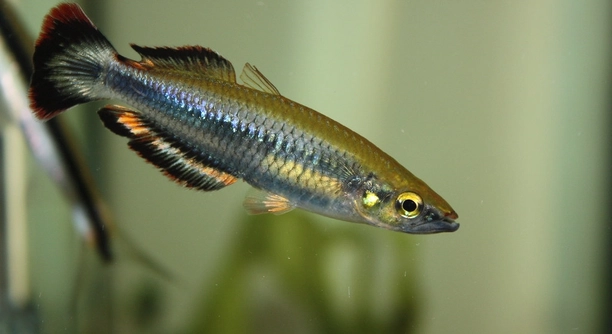
Are your rainbowfish looking paler than usual, leaving you concerned about their health? Changes in color can be subtle at first but may indicate that something in their environment or care routine is affecting them.
Pale coloration in rainbowfish is commonly caused by stress, illness, poor water quality, inadequate diet, or improper lighting. Addressing these factors promptly is essential for restoring natural coloration and ensuring overall health and well-being.
Understanding the causes of paleness will help you take proper steps to improve your fish’s vitality and maintain a vibrant, healthy aquarium.
Stress in Rainbowfish
Stress is a common reason rainbowfish lose their bright colors. Changes in their environment, overcrowding, or sudden movements in the tank can cause stress. Even small adjustments, such as moving decorations or rearranging plants, may unsettle them. Stress affects their immune system, making them more vulnerable to disease. Maintaining a stable environment with consistent water parameters helps keep them calm. Stress can also be caused by aggressive tank mates or sudden changes in temperature. Keeping a peaceful community and monitoring tank conditions regularly reduces stress levels. Providing hiding spots, gentle lighting, and a stable feeding schedule can also improve their comfort. Over time, reducing stress allows the fish to regain their natural coloration. Observing their behavior closely can help identify stress triggers early. Healthy rainbowfish are active, swim confidently, and display vibrant colors. A calm, stable environment is essential for their overall well-being.
Stress impacts color and behavior. Keeping water stable and avoiding overcrowding helps rainbowfish regain natural hues quickly.
Regular monitoring of your aquarium is essential. Avoid sudden changes in temperature or decorations, and make sure they have enough space. Even minor stressors can affect their color and activity. Overcrowding or aggressive tank mates can lead to hiding behavior and faded hues. Ensuring a calm, consistent environment encourages healthy growth, proper feeding, and natural coloration. Adjusting water parameters gradually and providing shaded areas or plants for shelter can reduce stress. Observing fish behavior daily helps spot signs of discomfort early. Bright colors often return once the environment stabilizes. Stress reduction directly influences immune response, making fish less likely to develop illnesses. Diet, lighting, and tank cleanliness also support stress management. Small changes in care can lead to noticeable improvements in appearance and vitality. Rainbowfish thrive when conditions are consistent and stressors minimized.
Poor Water Quality
Dirty or unbalanced water is harmful to rainbowfish. High levels of ammonia, nitrites, or nitrates can stress fish and lead to faded colors. Regular water changes, testing, and filtration are necessary to maintain a healthy environment. Clean water promotes better behavior, appetite, and coloration. Maintaining stable pH, temperature, and hardness levels ensures the fish’s natural vibrancy. Poor water conditions can also make them more prone to infections. Overfeeding can further degrade water quality, so careful feeding routines are important. Removing uneaten food promptly prevents waste buildup. A well-maintained tank reduces stress, encourages active swimming, and supports immune function. Plants and aeration can help improve oxygen levels and water clarity. Consistent care keeps rainbowfish looking bright and healthy, avoiding gradual paleness caused by harmful toxins. Monitoring water quality daily allows quick corrective actions before health declines.
Clean water is essential for vibrant colors and healthy fish. Regular testing and filtration maintain proper conditions.
Maintaining good water quality requires attention and consistency. Testing parameters like ammonia, nitrites, nitrates, pH, and temperature ensures a safe habitat. Overfeeding, decaying plants, and crowded conditions can deteriorate water quickly, leading to stress and faded coloration. Regular water changes and proper filtration reduce harmful substances, keeping fish healthy and colors bright. Adding live plants improves oxygenation and helps absorb toxins naturally. A balanced tank also minimizes disease risk and encourages normal behavior. Observing fish activity and appetite provides clues about water conditions. A clean, stable environment allows rainbowfish to display their full range of vibrant colors. Proper maintenance supports overall health and longevity in the aquarium.
Inadequate Diet
A poor diet can cause rainbowfish to lose their vibrant colors. Feeding only one type of food or low-quality flakes may deprive them of essential nutrients like carotenoids, vitamins, and proteins necessary for maintaining bright pigmentation.
Providing a varied diet is key. Include high-quality flakes, pellets, frozen or live foods such as brine shrimp, daphnia, and bloodworms. Foods rich in carotenoids, like spirulina or krill, help restore red, orange, and yellow hues. Feeding small amounts multiple times a day ensures proper nutrition without polluting the tank. Over time, a balanced diet improves energy, activity, and coloration. Poor feeding habits can make fish more susceptible to disease and stress.
Consistency matters. Avoid sudden diet changes, and introduce new foods gradually. Observe how the fish respond to different foods, noting improvements in color and health. Rotate protein-rich and plant-based options to cover all nutritional needs. Overfeeding can cause water issues, so feed measured portions. Color-enhancing foods should be part of the regular routine to maintain vibrant scales. Healthy nutrition supports growth, immune function, and natural behavior.
Insufficient Lighting
Rainbowfish require proper lighting to display their true colors. Dim or inconsistent lighting can make their hues appear faded, even in otherwise healthy fish.
Proper aquarium lighting encourages natural coloration and activity. Standard fluorescent or LED lights with a day-night cycle help mimic their natural environment. Exposure to light stimulates pigment cells and supports regular feeding and swimming patterns. Avoid placing the tank in constant shade or bright, direct sunlight, which can stress the fish. Light intensity and duration directly influence how vibrant rainbowfish appear, and consistent lighting can prevent paleness over time.
Adjusting the lighting setup gradually is important to avoid sudden stress. A timer can maintain a steady day-night cycle, ensuring the fish receive around eight to ten hours of light daily. Different species may have specific lighting preferences, so matching light spectrum and intensity to their natural habitat can enhance colors. Combining proper lighting with a balanced diet and clean water maximizes color retention. Observing the fish under optimal lighting allows early detection of health issues and paleness, helping maintain a visually vibrant aquarium.
Temperature Fluctuations
Rainbowfish are sensitive to sudden temperature changes. Even small shifts can stress them and cause their colors to fade quickly. Maintaining a stable temperature within their ideal range helps keep them healthy and vibrant.
Consistent warmth supports metabolism, immune function, and pigment development. Using a reliable heater and thermometer ensures the tank stays within a safe range.
Disease and Parasites
Illnesses and parasites can lead to paleness in rainbowfish. Common signs include lethargy, clamped fins, and loss of appetite. Treating infections early is crucial to restore health and prevent further fading of colors.
Poor Tank Mates
Aggressive or incompatible tank mates can stress rainbowfish. Constant harassment or chasing causes them to hide, reducing activity and making colors dull. Maintaining a peaceful community supports natural behavior and vibrant hues.
FAQ
Why does my rainbowfish look pale even though the water seems fine?
Even if water appears clear, imbalances in pH, hardness, or temperature can stress rainbowfish. Subtle changes in ammonia, nitrites, or nitrates may not be visible but can impact their health. Regular testing and careful observation are necessary to ensure water conditions are truly optimal for vibrant coloration.
Can diet alone restore my fish’s colors?
A proper diet plays a major role in restoring color but cannot fully compensate for poor water quality, stress, or illness. Foods rich in carotenoids and proteins, like brine shrimp or spirulina, enhance pigmentation. Consistency and variety in feeding are essential for long-term improvements.
How long does it take for colors to return?
The timeline varies depending on the cause. Stress reduction, improved diet, and clean water can show results in a few weeks. Diseases or severe nutritional deficiencies may require longer recovery. Patience and consistent care are key to restoring natural hues.
Can lighting really affect my rainbowfish’s colors?
Yes. Proper lighting stimulates pigment cells and helps fish display their natural colors. Insufficient or inconsistent light can make them appear dull, even if all other conditions are ideal. A consistent day-night cycle and appropriate intensity for the species improve coloration.
Are temperature changes harmful to rainbowfish?
Rainbowfish are sensitive to temperature fluctuations. Sudden drops or rises can cause stress, reducing color vibrancy and weakening their immune system. Maintaining a stable temperature within their preferred range ensures healthy metabolism and natural coloration.
Will aggressive tank mates cause paleness?
Constant harassment or chasing from aggressive fish stresses rainbowfish, making them hide and lose color. Selecting compatible, peaceful tank mates and providing hiding spots allows them to feel secure and maintain vibrant hues.
How can I prevent disease from affecting color?
Regular tank maintenance, water testing, and proper diet reduce the risk of disease. Quarantining new fish and observing for early signs like clamped fins, lethargy, or loss of appetite helps address issues before color fades. Clean, stable conditions support immune function and overall health.
Is overfeeding related to pale colors?
Overfeeding can deteriorate water quality, leading to stress and dull coloration. Feeding measured amounts and removing uneaten food prevents toxins from building up. Balanced feeding routines support health and allow colors to remain bright.
Does stress always cause paleness?
Yes, stress directly affects pigment expression. Overcrowding, sudden changes, poor water quality, or aggressive tank mates can all stress rainbowfish. Reducing stress through a stable environment, hiding spots, and proper tank management restores natural coloration.
Are live plants helpful for vibrant colors?
Live plants provide shelter, reduce stress, and improve water quality, indirectly supporting coloration. They create a natural environment, encouraging normal behavior, which helps rainbowfish display bright, healthy colors. Plants also absorb some waste, keeping the tank cleaner.
Can I use color-enhancing supplements safely?
Color-enhancing supplements can improve pigmentation but should complement a balanced diet and proper care. Overuse or reliance on supplements alone won’t address underlying issues like stress or poor water quality.
Should I worry if only one fish is pale?
Yes, a single pale fish may indicate illness, stress, or dietary issues specific to that individual. Observing behavior, appetite, and physical condition helps identify the problem. Early intervention prevents worsening and protects the rest of the tank.
Do water changes affect coloration?
Regular water changes maintain stable conditions, reduce toxins, and improve health, which directly influences color. Inconsistent or infrequent changes can cause subtle stress, leading to dull scales even if other factors seem fine.
Can age affect rainbowfish color?
Aging fish may naturally lose some intensity in their colors. However, sudden or pronounced fading in young or mature fish usually indicates stress, disease, or poor care rather than normal aging. Maintaining proper conditions supports healthy coloration throughout life.
Are there signs that indicate color fading is serious?
Yes. Signs like lethargy, loss of appetite, clamped fins, rapid breathing, or unusual behavior alongside paleness indicate stress, illness, or poor water conditions. Immediate action, such as testing water, adjusting diet, and observing tank dynamics, is necessary to prevent further decline.
How can I monitor color changes effectively?
Observe fish daily under consistent lighting and in calm conditions. Take note of any gradual fading or changes in patterns. Tracking behavior, activity, and feeding habits alongside color changes helps identify issues early and allows timely corrective measures.
Do all rainbowfish species lose color in the same way?
Different species may respond uniquely to stress, diet, and environment. While general causes like poor water quality, inadequate lighting, or stress are consistent, some species show paleness more quickly. Understanding your species’ specific needs ensures optimal care and vibrant coloration.
Is it safe to adjust tank conditions suddenly to restore color?
Sudden changes in temperature, lighting, or water chemistry can worsen stress. Adjust conditions gradually while monitoring fish closely. Gradual improvements in diet, water, and environment are more effective for restoring natural coloration safely.
Can multiple factors combine to cause paleness?
Yes. Stress, poor diet, inadequate lighting, temperature fluctuations, disease, and aggressive tank mates often interact. Addressing only one factor may not fully restore colors. A comprehensive approach ensures the fish regain their natural vibrancy and remain healthy.
How can I prevent paleness in the future?
Consistent care, balanced diet, stable water conditions, proper lighting, peaceful tank mates, and monitoring health regularly reduce the risk of fading. Observing fish behavior and maintaining a stable environment supports long-term vibrancy and overall well-being.
Are there quick fixes for faded rainbowfish?
Quick fixes rarely work long-term. Immediate improvements in water quality, stress reduction, and diet may help slightly, but sustained care, proper feeding, and stable tank conditions are necessary for lasting color restoration.
Does tank size influence color?
Small or overcrowded tanks increase stress, reduce activity, and affect coloration. Providing adequate space and proper filtration ensures fish can swim freely, reducing stress and supporting vibrant natural colors.
Can I rely on color alone to judge fish health?
Color is a helpful indicator but not the only one. Observing behavior, appetite, breathing, and interactions with other fish provides a fuller picture of overall health. Faded color may indicate underlying issues even if behavior seems normal.
How often should I check my rainbowfish for paleness?
Daily observation is best. Small, gradual changes are easier to detect early. Regularly checking water quality, diet, and tank conditions alongside visual monitoring ensures any causes of paleness are addressed promptly.
What role does social behavior play in coloration?
Rainbowfish are social; a stable, peaceful group encourages activity and reduces stress. Aggression or isolation can cause paleness. Ensuring compatible tank mates and observing social dynamics helps maintain natural, vibrant colors.
Are pale colors reversible?
Yes, in most cases. By addressing diet, stress, water quality, lighting, and health issues, rainbowfish can regain their natural coloration over time. Patience and consistent care are essential for full recovery.
Can I combine treatments for faster results?
Combining proper diet, water management, stress reduction, and disease prevention is effective. Avoid overloading the tank with supplements or sudden changes. A balanced, gradual approach ensures safe, sustained improvements in color and overall health.
Is monitoring food intake important for color maintenance?
Yes, feeding the right amount and type of food directly affects pigmentation. Overfeeding can harm water quality, while underfeeding may cause nutritional deficiencies. Consistent observation and measured portions maintain health and vibrant colors.
Does seasonal change affect rainbowfish color?
Seasonal changes may influence water temperature and light exposure. Sudden environmental shifts can stress fish, causing paleness. Maintaining consistent tank conditions and artificial lighting reduces seasonal impacts on color.
Can stress from transportation affect color?
Yes, transport and handling are stressful. Fish may appear pale temporarily. Providing a stable tank, gradual acclimation, and optimal conditions post-transport helps restore natural coloration.
Are all signs of paleness caused by external factors?
No, internal issues like parasites, illness, or genetic factors can also cause faded colors. Observing overall health, behavior, and physical symptoms helps identify whether external care adjustments or medical treatment is needed.
How do I distinguish between temporary paleness and serious issues?
Temporary fading due to mild stress or lighting changes usually resolves quickly. Persistent paleness with behavioral changes, appetite loss, or visible disease indicates a more serious problem. Consistent monitoring helps differentiate and guide proper care.
What is the best long-term strategy for vibrant rainbowfish?
A balanced approach combining clean water, stable temperature, proper lighting, varied diet, compatible tank mates, and disease prevention ensures rainbowfish maintain bright, healthy colors. Consistent care and attention to behavior support long-term vitality.
How important is quarantine for new fish?
Quarantining new fish prevents introducing disease, parasites, or stress into the tank. This practice protects existing rainbowfish and preserves their natural coloration. A two-week quarantine is generally recommended.
Can stress from handling affect color?
Yes. Frequent or rough handling stresses fish, leading to paleness. Minimize handling and use gentle acclimation techniques when moving or inspecting fish to preserve health and vibrant hues.
Do supplements guarantee color recovery?
No. Supplements aid pigmentation but cannot replace proper care. They are effective only when water quality, diet, lighting, and stress management are also addressed. Supplements should complement a healthy routine, not replace it.
How can I track improvements effectively?
Photograph fish under consistent lighting, monitor behavior, and note diet and water changes. Tracking progress over weeks shows gradual improvement and highlights the most effective strategies for restoring and maintaining color.
Is it normal for colors to vary between individuals?
Yes. Genetics, age, and social status affect color intensity. Some rainbowfish naturally appear paler than others, but sudden fading is usually a sign of stress, diet, or environmental issues that need attention.
Can tank decorations influence color?
Decorations providing hiding spots reduce stress and encourage activity. While color isn’t directly affected, a secure environment indirectly supports bright coloration by lowering stress levels.
Are pale colors reversible in older fish?
Yes, though recovery may be slower. Stable conditions, balanced diet, and stress reduction can restore most vibrancy even in mature rainbowfish, though slight natural fading with age may persist.
How do I know if water parameters are ideal for coloration?
Test regularly for ammonia, nitrites, nitrates, pH, and temperature. Stable values within species-specific ranges support health and vibrant colors. Sudden fluctuations often cause stress and paleness.
Does tank size alone determine color?
Tank size affects stress and swimming space. While not the only factor, a spacious environment reduces stress, encourages natural behavior, and indirectly helps maintain bright coloration.
Can seasonal lighting adjustments improve color?
Yes, adjusting artificial lighting to mimic natural day-night cycles supports pigment cells. Consistent, gradual lighting changes help fish maintain vibrant colors without causing stress.
How do I know if a color change is permanent?
Permanent fading usually results from age, genetics, or chronic illness. Temporary paleness caused by stress, diet, or environmental changes can often be restored with proper care. Observing trends over weeks helps distinguish temporary from permanent changes.
Is it okay to mix live and frozen foods for color enhancement?
Yes. Combining live, frozen, and high-quality flakes ensures a balanced diet, covering proteins, vitamins, and carotenoids that support vibrant coloration. Rotating foods provides variety and optimal nutrition.
How often should I clean the tank to support color?
Regular partial water changes, at least weekly, maintain clean conditions and reduce stress. Avoid complete water changes at once, which can shock fish. Consistent cleaning preserves both health and coloration.
Do rainbowfish lose color when spawning?
Some species may appear slightly paler during spawning due to hormonal changes. Colors usually return afterward. Stress or poor conditions during this period can worsen paleness, so maintaining optimal care is important.
Can I prevent paleness with preventive measures?
Yes. Stable water, proper diet, compatible tank mates, consistent lighting, and disease prevention reduce risk. Observing fish regularly ensures early intervention, preserving natural vibrant colors over time.
Is paleness always a sign of poor health?
Not always. Temporary changes from mild stress or lighting may cause brief fading. Persistent or widespread paleness, combined with behavioral or appetite changes, usually indicates health or environmental issues requiring attention.
Do older rainbowfish need special care for coloration?
Yes. Older fish may require slightly warmer or stable temperatures, high-quality food, and reduced stress. While minor fading can be natural, consistent care supports remaining vibrancy and overall health.
How do I identify subtle color changes?
Observe fish under the same lighting and conditions daily. Compare photographs or mental notes over time. Small, gradual fading can indicate early stress or dietary issues, allowing for timely corrective measures.
Can overcrowding affect rainbowfish colors?
Yes. Overcrowding increases stress, reduces space for swimming, and can lead to hiding behavior, all of which contribute to duller colors. Maintaining appropriate stocking density preserves vibrant coloration and health.
What is the role of oxygen levels in color maintenance?
Low oxygen stresses fish and can cause paleness. Proper aeration, filtration, and plants maintain oxygen levels, supporting healthy metabolism and vibrant pigmentation.
Are there any natural remedies to improve color?
Natural remedies like adding carotenoid-rich foods and live plants support coloration. They work best in combination with proper water quality, lighting, and stress management, rather than as standalone solutions.
Do rainbowfish respond to social hierarchy in color expression?
Yes. Dominant individuals may appear more vibrant, while stressed or subordinate fish can fade. Maintaining a balanced social environment reduces stress and encourages healthy coloration for all tank members.
How important is tank location for coloration?
Placement affects light exposure and temperature stability. Avoid drafts, direct sunlight, or areas with frequent disturbances. A calm, stable location supports consistent color and reduces stress-related fading.
Can water hardness influence color?
Yes. Hardness outside the species’ preferred range can stress fish and dull colors. Adjusting hardness gradually to meet the species’ needs helps maintain natural vibrancy.
Are there signs that indicate water-related stress?
Signs include faded colors, erratic swimming, gasping at the surface, and hiding. Regular monitoring and adjustments to water quality, temperature, and filtration can prevent prolonged stress.
Does feeding frequency affect coloration?
Yes. Regular, balanced feeding ensures proper nutrient intake. Too little food causes nutritional deficiencies, while overfeeding harms water quality. Both can lead to faded colors. A consistent schedule maintains bright pigmentation.
Is it normal for colors to vary with mood or activity?
Slight variations are natural. Excited or active fish may appear brighter, while resting or stressed fish can fade temporarily. Persistent paleness usually indicates underlying care or health issues.
Can pale colors return without medication?
Yes. If fading is caused by stress, diet, water quality, or lighting, correcting these factors usually restores color. Medication is only necessary for disease or parasite-related paleness.
Are color changes reversible after illness?
Yes, recovery is possible if the illness is treated promptly and tank conditions are optimal. Gradual restoration of diet, water quality, and stress reduction supports regaining natural hues.
How do I balance supplements with a natural diet?
Supplements should complement high-quality flakes, pellets, and live or frozen foods. They provide extra pigmentation support but cannot replace essential nutrients or proper care. Balance ensures sustainable, vibrant coloration.
Do stress and illness interact to affect color?
Yes. Stress weakens immunity, making fish more susceptible to disease. This combination often results in paleness. Addressing both factors is necessary to restore natural coloration and maintain health.
Is it safe to adjust lighting for color enhancement?
Gradual, consistent adjustments are safe. Avoid sudden changes, which may stress fish. Proper lighting stimulates pigmentation and supports activity, helping rainbowfish display vibrant colors naturally.
Can I use photos to monitor color improvement?
Yes. Photograph fish under consistent lighting and compare over time. This method helps track subtle changes and evaluate whether care adjustments are effective.
Does tank cleanliness alone restore color?
No. Clean water is essential, but diet, stress, lighting, and social environment must also be addressed. A holistic approach ensures sustainable color improvement.
Are certain species more prone to fading?
Yes. Some rainbowfish naturally show paleness more easily, while others maintain vivid colors longer. Understanding species-specific needs helps prevent unnecessary fading.
Can seasonal temperature changes stress fish?
Yes. Sudden shifts in temperature or inconsistent heating may cause stress, leading to paleness. Stable tank conditions minimize seasonal impact on color and health.
Do stress-reducing decorations improve coloration?
Yes. Hiding spots and plants reduce stress, encouraging normal behavior. While indirect, a secure environment supports bright pigmentation over time.
How do I know if paleness is reversible?
Temporary fading due to diet, lighting, or mild stress is usually reversible. Persistent fading with illness or chronic stress may require more extensive intervention.
Is gradual improvement more realistic than immediate results?
Yes. Rainbowfish color restoration takes time. Consistent care, diet, and stable conditions result in gradual, sustainable improvement rather than instant changes.
Can multiple small adjustments restore color?
Yes. Combining minor improvements in diet, water quality, lighting, and tank conditions often yields noticeable results. Consistency is more effective than dramatic single changes.
How do I prevent repeated paleness?
Maintain stable water conditions, balanced nutrition, proper lighting, and compatible tank mates. Regular observation and preventive care reduce stress and preserve natural vibrant coloration over time.
Are water additives helpful for color enhancement?
Some additives support coloration, but they are effective only when water quality, diet, and stress management are optimal. Relying solely on additives will not restore color sustainably.
Do pale rainbowfish need more rest?
Providing quiet areas and hiding spots reduces stress and allows recovery. Rest alone won’t restore color without addressing other factors, but it supports overall well-being.
Is continuous monitoring necessary for color maintenance?
Yes. Daily observation of behavior, appetite, and color ensures early detection of issues. Prompt action prevents paleness from worsening and supports healthy, vibrant fish.
Can tankmates influence each other’s color?
Yes. Aggressive or stressed fish can cause paleness in others. A calm, compatible group encourages natural behavior and brighter, healthier coloration.
Does water flow affect coloration?
Moderate water flow supports oxygenation and waste removal. Excessive flow may stress fish, leading to paleness. Proper flow maintains health and vibrant colors indirectly.
Can I rely on diet alone for permanent color improvement?
No. Diet is essential but must be paired with stable water, proper lighting, stress reduction, and disease prevention for lasting color restoration.
**Do
Final Thoughts
Rainbowfish are naturally vibrant, but several factors can cause them to lose their bright colors. Stress, poor water quality, inadequate diet, improper lighting, temperature fluctuations, disease, and aggressive tank mates are the main reasons their colors fade. Each of these issues can affect the fish differently, and sometimes multiple factors combine to make paleness more noticeable. Observing your fish regularly allows you to identify changes early. Signs like hiding, clamped fins, reduced activity, or faded scales indicate that something in their environment may need attention. Maintaining a stable, calm environment with proper water conditions is the foundation for healthy, colorful fish. Consistent care and attention to detail make a significant difference in keeping rainbowfish vibrant and active over time.
Proper nutrition is one of the most important factors in restoring and maintaining natural coloration. A balanced diet that includes high-quality flakes or pellets, live or frozen foods like brine shrimp, bloodworms, and daphnia, as well as carotenoid-rich options such as spirulina, helps support pigmentation. Feeding small, measured portions multiple times a day prevents overfeeding, which can harm water quality and stress fish. A varied diet not only enhances color but also supports overall health and immune function. Over time, consistent and balanced nutrition can make faded rainbowfish gradually regain their natural brightness. While supplements may help improve pigment temporarily, they cannot replace a well-rounded diet and proper tank conditions. Ensuring the fish get all the nutrients they need is crucial for long-term color retention and overall vitality.
Environmental stability is equally essential. Proper lighting, consistent temperature, and adequate space reduce stress and allow fish to express their natural colors fully. Overcrowding or aggressive tank mates can force rainbowfish to hide or swim less actively, which directly affects how bright they appear. Clean, balanced water with stable pH, hardness, and low toxin levels supports their health and prevents illness that can cause paleness. Even minor improvements, such as adding live plants for shelter or adjusting the light cycle gradually, can make a noticeable difference. Recovery from fading is usually gradual, and patience is necessary. By addressing diet, water quality, stress, lighting, and social environment, you create a sustainable environment that allows rainbowfish to thrive and display their full range of colors. Consistent observation and proactive care ensure that your fish remain healthy, vibrant, and active in the long term.

Hello,
If you enjoy the content that we create, please consider saying a "Thank You!" by leaving a tip.
Every little bit helps us continue crafting quality advice that supports the health, happiness, and well-being of pets around the world, for pets of all shapes, sizes, and species.
We really appreciate the kindness and support that you show us!