
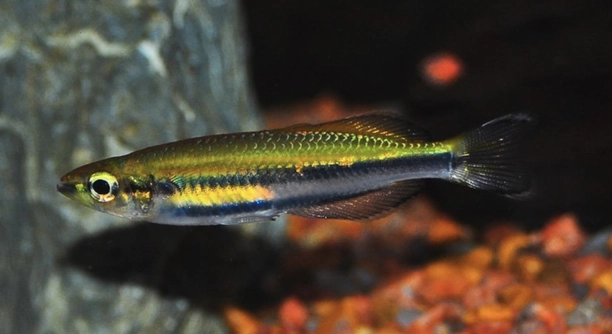
Caring for rainbowfish brings moments of discovery as you learn what helps them feel secure in the tank. Their behavior shifts with changes you make, guiding decisions. Understanding their comfort levels supports a peaceful routine.
Rainbowfish generally thrive in calm environments that offer gentle movement without strong disturbance. These conditions support natural swimming patterns and reduce stress responses. Busy settings with frequent turbulence can disrupt behavior, making balanced flow and stable surroundings important for comfort.
Learning how rainbowfish react to different surroundings helps you create a setting that supports their calm nature and steady behavior.
Ideal Tank Conditions for Rainbowfish
Creating a calm space for rainbowfish is important when you want them to feel secure and active without stress. I focus on steady flow, gentle lighting, and open swimming areas that support their natural patterns. These elements help them settle into the tank with ease. Rainbowfish respond well to conditions that stay predictable, so keeping noise and movement minimal makes a noticeable difference. When the environment stays balanced, their colors appear brighter and their movements turn smooth. I also pay attention to how plants and decorations influence their comfort since crowded spots can make them uneasy. A layout that blends open areas with light cover works best, allowing them to move freely while still having places to retreat. By keeping everything steady and clear, I create a space that supports their health and behavior in a calm and simple way. This helps them stay active, relaxed, and steady each day.
Stable conditions give rainbowfish the structure they need to swim confidently and maintain healthy patterns. I keep lighting soft, flow moderate, and surroundings predictable to prevent stress. These small choices shape a calm atmosphere that supports their natural activity without overwhelming them during their routines in the tank each day.
Choosing calm surroundings for rainbowfish makes their behavior easier to understand and manage. I watch how they respond to small changes and adjust flow, light, and layout to match their needs. When their environment remains steady, they swim in smooth patterns that show comfort. Light movement in the water keeps them active without adding stress, and open areas give them room to spread out. Adding plants in simple arrangements helps them feel secure without making the tank feel crowded. Observing how they react to these details helps create a space that stays consistent and supports their overall well being daily.
How Activity Levels Affect Their Behavior
Activity levels in the tank shape how rainbowfish behave and interact. I keep movement gentle because strong flow can push them off balance and disrupt their patterns. A steady setting helps them maintain calm swimming habits while reducing stress from sudden changes or constant commotion in the water around them.
Understanding how rainbowfish react to different activity levels helps create a tank that supports their natural rhythm. I notice that they stay more relaxed when the water moves at a slow, steady pace that allows them to glide without resistance. Strong movement can make them work harder to stay balanced, which leads to signs of discomfort. Keeping the tank peaceful makes it easier for them to show their usual patterns, including gentle schooling and smooth turns. I also pay close attention to how noise and sudden motion around the tank influence their behavior since these changes can cause quick movements that signal stress. By arranging decorations in a way that avoids creating high flow areas, I maintain a setting that feels open and calm. Choosing equipment that runs quietly also keeps their surroundings stable. When the activity level stays balanced, rainbowfish eat better, move with ease, and show brighter coloration. These steady conditions support their health and allow them to remain comfortable. I focus on simple adjustments that keep their environment predictable and soothing, helping them stay active without feeling overwhelmed by constant motion. This balanced approach keeps their daily routines smooth while supporting stable behavior and long term comfort.
Environmental Adjustments That Support Calm Behavior
Keeping the tank stable helps rainbowfish stay relaxed. I avoid sudden changes in lighting and movement because they react quickly to disruptions. A simple layout with open space and light cover keeps them comfortable while allowing them to swim without tension in their routines each day.
Adjusting the tank in small ways helps keep their stress low and behavior steady. I watch how they react to gradual changes in flow since strong movement can push them around and make them uneasy. Soft lighting prevents overstimulation, and keeping noise low around the tank keeps them from reacting with sudden darting. I also clean the tank gently to avoid stirring debris that may cloud the water and disrupt their patterns. These little adjustments keep their surroundings predictable and give them a space where they can swim smoothly. When everything feels consistent, they show brighter colors and calmer movements throughout the day.
Plants and decorations play an important role in their comfort. I use arrangements that provide hiding spots without blocking open swimming areas. Too many structures create tight spaces that limit their movement, and too few leave them feeling exposed. I choose simple layouts that allow them to glide easily while still having places to retreat quietly. Placing plants near the edges and keeping the middle open helps them feel secure and maintain steady schooling patterns. These details help them stay calm and balanced.
How Busy Environments Influence Stress Levels
Busy environments tend to disrupt rainbowfish behavior by adding unnecessary movement and noise. Strong flow, frequent disturbances, and cluttered layouts make them adjust constantly, which raises their stress. I keep the tank peaceful to prevent these reactions and support their natural swimming rhythm.
High activity can make rainbowfish display irregular patterns that signal discomfort, so I avoid strong filters that create turbulence. When the water moves too quickly, they work harder to keep their balance and may dart or hide more often. Excessive decorations can also break up their swimming space and force them into small paths that feel restrictive. Keeping the area around the tank calm helps reduce outside triggers, especially sudden movement or loud sounds that make them react sharply. I watch for signs like rapid swimming or faded colors since these often appear when their stress rises. By reducing unnecessary activity, their behavior becomes smoother and more predictable. This approach keeps them steady, supports their health, and allows them to show their natural patterns without constant adjustments.
Signs Your Rainbowfish Prefer Calm Settings
Rainbowfish show smoother swimming and brighter coloration when they feel comfortable. I notice they spread out more and maintain steady patterns when the tank stays peaceful. Their movements look relaxed, and they interact without sudden bursts that signal discomfort or tension.
When the environment becomes too active, they often tighten their schooling, hide more, or move in quick bursts. These shifts tell me they need calmer conditions. Watching these subtle changes helps me adjust flow, lighting, and layout so they regain their steady rhythm.
How to Reduce Stress in Active Tanks
Reducing stress in active tanks starts with controlling water movement so it stays gentle. I choose equipment that runs quietly and adjust the flow to avoid strong currents that push them around. Open swimming areas with light cover support their confidence and allow them to move smoothly without feeling trapped. Noise and sudden outside motion also affect their patterns, so keeping the space around the tank calm makes a noticeable difference. By staying aware of how they respond, I make small adjustments that help them feel secure in a setting that supports steady behavior.
Why Balance Matters for Rainbowfish
Balanced conditions help rainbowfish maintain relaxed patterns and steady coloration. When the environment stays calm with light movement, they show their natural activity without signs of stress. Keeping the tank predictable helps them feel secure and comfortable.
FAQ
Do rainbowfish become stressed in tanks with strong flow?
Rainbowfish often struggle when the current is too strong because it forces them to work harder to stay balanced. I notice their movements turn uneven, and they may hide more. Keeping the flow gentle helps them maintain calm patterns and smooth swimming without unnecessary effort. A moderate current supports their natural behavior and keeps their stress low.
Are rainbowfish more comfortable in spacious tanks?
They show better behavior when they have plenty of room to move. Open areas let them swim freely, and this keeps their schooling smooth and steady. When the tank feels cramped, they may tighten their group or retreat behind decorations. Spacious layouts help them stay active without feeling restricted and support more relaxed daily patterns.
Do sudden changes in the room affect their comfort?
Sudden movement or noise around the tank can make them dart or hide quickly. I try to keep the area calm because even small disruptions affect their confidence. When the surroundings stay predictable, they show bright coloration and move without tension. Managing the external environment is just as important as adjusting the tank itself.
How do lighting levels influence their behavior?
Soft lighting keeps rainbowfish calm and prevents overstimulation. Bright, harsh light can make them uneasy, causing quick shifts in their swimming patterns. I use gentle lighting that mimics natural conditions, helping them stay relaxed. This also supports steady coloration, making them look healthy and active throughout the day.
Does tank clutter affect how rainbowfish behave?
Excessive decorations limit their movement and create narrow paths that disrupt their natural patterns. I use simple layouts with open areas and light cover. This helps them glide comfortably without feeling trapped. When the tank is overcrowded with objects, they may become tense, so keeping things minimal is usually best.
Can rainbowfish adapt to busier environments?
They can adjust to mild activity, but constant movement or noise makes them uneasy. I’ve noticed they handle gentle flow well but react strongly to sudden changes. While they may tolerate some activity, calmer conditions bring out their best behavior. A balanced environment supports their confidence and long-term comfort.
Do rainbowfish prefer swimming in groups?
They thrive when kept in small groups because it supports natural schooling behavior. When kept alone, they may appear nervous or less active. In groups, they show smoother movement and better color. A small, consistent group helps them stay relaxed and maintain steady patterns.
Is water clarity important for their comfort?
Clear water helps them navigate smoothly and reduces stress. Cloudy conditions disrupt their visibility and may cause hesitant or erratic swimming. I keep the tank clean with gentle maintenance, making sure debris doesn’t stir up during water changes. Clear surroundings help them feel secure.
How do you know when rainbowfish are comfortable?
Comfort shows through their relaxed movements, open swimming patterns, and bright coloration. When conditions suit them, they stay active without rapid darts or hiding. Observing these subtle changes helps me adjust the tank to maintain their well-being. When their behavior looks smooth and steady, they are usually content.
What helps reduce stress quickly when they seem unsettled?
I start by lowering strong flow, dimming harsh lights, and reducing outside disturbance. Simple changes stabilize their behavior. Monitoring how they respond guides the next adjustments, helping them recover from stress and settle back into calm, natural movement.
Final Thoughts
Caring for rainbowfish becomes easier when you understand how much their comfort depends on steady surroundings. I learned that small details shape their behavior in ways that become clear once you watch them closely. Their need for open space, gentle movement, and predictable lighting guides how the tank should be arranged. When these elements come together, their colors look brighter and their swimming becomes smooth, which shows they feel secure. I pay attention to how they react to small changes because their behavior shifts quickly when something disrupts their routine. This helps me adjust the tank in simple ways that keep them relaxed. Rainbowfish respond best to calm spaces, and creating that kind of environment supports their natural patterns. A peaceful tank helps them stay active without signs of stress, giving them room to show their usual confidence each day.
Maintaining steady conditions is not complicated, but it requires consistency. I focus on keeping the flow gentle so they can move without struggling against strong currents. Soft lighting keeps them comfortable and prevents overstimulation, which can cause sudden movements that show unease. Clean water is also important because it supports visibility and prevents hesitations in their movements. Decorations and plants work best when used in moderation since cluttered layouts make them feel restricted. These choices shape a setting that supports their well being while keeping things simple. I find that rainbowfish reveal how they feel through subtle shifts in behavior, and noticing these patterns guides me toward the adjustments they need. When they swim calmly and maintain their usual schooling, it is clear that the environment supports them. These steady conditions lead to healthier behavior and more consistent activity, showing how important stability is for their comfort.
Supporting rainbowfish in a calm environment helps them stay relaxed, confident, and active without unnecessary stress. They benefit from simple layouts, predictable surroundings, and gentle movement that lets them glide naturally. I’ve learned that keeping the tank consistent is more effective than making big changes, and gentle maintenance keeps everything stable without disrupting their rhythm. Watching their behavior carefully helps me understand when adjustments are needed, and responding to those signs makes a meaningful difference. When the environment remains balanced, they display smooth patterns, bright colors, and steady schooling that reflect their comfort. Creating a peaceful tank is not only beneficial for their health but also makes caring for them more enjoyable. It turns the tank into a calm space where rainbowfish can thrive while showing their natural behavior in a relaxed and steady way.

Hello,
If you enjoy the content that we create, please consider saying a "Thank You!" by leaving a tip.
Every little bit helps us continue crafting quality advice that supports the health, happiness, and well-being of pets around the world, for pets of all shapes, sizes, and species.
We really appreciate the kindness and support that you show us!