
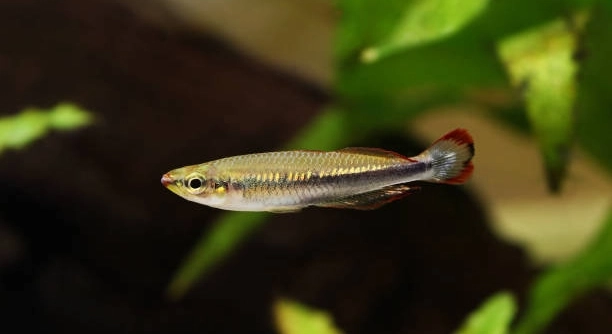
Have you ever noticed your rainbowfish swimming alone, far from the lively group in your tank? Sometimes they drift to the corners or hide, leaving you puzzled about their unusual behavior and social habits in the aquarium.
Rainbowfish may avoid the group due to stress, illness, or social hierarchy issues. Environmental changes, water quality, or dominance from other fish can trigger isolation, and addressing these factors is key to restoring normal group interaction.
Observing subtle behaviors and tank conditions can reveal why your rainbowfish keeps its distance and help guide adjustments for a healthier environment.
Signs Your Rainbowfish Is Feeling Stressed
Stress in rainbowfish often shows through subtle changes in behavior. They may hide behind decorations, swim frantically for short bursts, or lose their bright coloration. Some fish stop eating, while others isolate themselves from the group entirely. These signs usually appear after sudden changes in water temperature, pH levels, or tank setup. Even moving a new decoration or adding new fish can trigger stress. Observing these behaviors early allows you to make adjustments before the stress affects their health. Consistent monitoring of water parameters and the tank environment helps maintain stability. Stress can also be caused by bullying from more aggressive fish, so noting which fish interact most is essential. A calm, stable environment encourages rainbowfish to regain confidence and return to normal schooling behavior. Paying attention to these details ensures your fish stay healthy and active.
Hiding, dull colors, and erratic swimming are key indicators that your rainbowfish is stressed and needs attention immediately.
Providing a calm environment and adjusting tank conditions can encourage your rainbowfish to rejoin the group. Watching interactions carefully helps identify specific stress triggers and prevent future isolation.
Social Dynamics in the Tank
Rainbowfish are naturally social, and their interactions follow a hierarchy. Dominant fish may assert control, pushing weaker individuals to the edges of the tank. Over time, this hierarchy stabilizes, but temporary conflicts can cause some fish to isolate. Understanding these dynamics helps you identify whether isolation is temporary or persistent. Providing plenty of hiding spots and visual barriers can reduce tension.
Adjusting the tank setup can significantly improve social balance. Ensure there is enough space and plants or decorations to break lines of sight and allow fish to retreat safely. Avoid overcrowding, as this increases stress and aggression. Introducing new fish slowly and in small numbers helps prevent disruptions. Regular observation is key—watching how fish interact during feeding or play can reveal patterns. Sometimes simply rearranging the tank encourages fish to explore and rejoin the group. Water quality and diet also influence social behavior. Clean water, stable temperature, and a nutritious diet support calmer, more confident fish. By carefully managing these factors, you can help your rainbowfish feel secure and more willing to participate in group swimming, restoring balance and harmony in the tank environment.
Water Quality and Tank Conditions
Poor water quality can make rainbowfish retreat from the group. High ammonia or nitrite levels, sudden temperature changes, or low oxygen can stress them. Testing water regularly and performing partial water changes keeps conditions safe and comfortable for all fish.
Maintaining stable water parameters is crucial for rainbowfish health. They thrive in clean, well-oxygenated water with consistent temperature and pH. Sudden changes, even small ones, can trigger hiding or lethargy. Filtration should be efficient, but water flow shouldn’t be too strong. Decorations and plants help reduce stress by offering shelter and breaking sightlines. Observing fish behavior daily helps spot early signs of water-related stress, allowing quick corrections. A balanced environment encourages fish to swim confidently in the group.
Feeding practices also affect their comfort. Uneaten food can pollute the water, while irregular feeding increases stress. Providing small, frequent meals and removing leftovers keeps the tank clean. Variety in diet, including flakes, frozen, and live foods, supports health. Proper lighting and temperature stability further reduce stress, promoting group cohesion and normal swimming behavior.
Illness and Physical Health
Illness can make rainbowfish avoid their group. Signs include faded color, clamped fins, or unusual swimming. Sick fish often hide to conserve energy and avoid aggression from others.
Parasites, bacterial infections, or fungal growths can weaken rainbowfish. These conditions make swimming tiring and increase vulnerability. Early detection through observation is vital. Quarantining affected fish and treating the tank promptly prevents the spread. Regular health checks, including fin and scale inspections, ensure problems are caught before they worsen. Maintaining good water quality, providing a balanced diet, and avoiding overcrowding reduce the risk of disease. Monitoring tankmates’ behavior also helps spot subtle illness signs, keeping the community healthy.
Physical injuries can also isolate rainbowfish. Scrapes from decorations or fights can make them hesitant to swim in open areas. Providing soft substrate, smooth decorations, and sufficient hiding spots minimizes risks. Ensuring fish have room to escape from aggressive tankmates helps prevent stress-related injuries. Consistent observation and preventive measures help rainbowfish recover quickly and return to normal group activity, maintaining a balanced and active aquarium.
Tank Size and Space
Crowded tanks can force rainbowfish to separate from the group. Limited swimming space increases stress and encourages hiding. Adequate room allows fish to establish social balance without constant conflict.
Providing enough horizontal and vertical space supports natural schooling behavior. Overcrowding amplifies aggression and reduces comfort, making isolation more likely.
Compatibility with Other Fish
Rainbowfish may avoid the group if tankmates are aggressive or incompatible. Peaceful species encourage group cohesion, while territorial or nippy fish trigger isolation. Careful selection of companions ensures harmony and reduces stress for all fish.
Lighting and Environment
Strong or inconsistent lighting can make rainbowfish seek shaded areas. Gentle, stable lighting helps fish feel secure and encourages normal swimming patterns.
Feeding and Nutrition
Poor diet or irregular feeding schedules can stress rainbowfish, causing them to isolate. Consistent, balanced feeding supports health and social behavior.
FAQ
Why is my rainbowfish hiding all the time?
Hiding is often a response to stress, illness, or aggression from tankmates. Rainbowfish retreat to feel safe and conserve energy. Check water quality, temperature, and pH, and ensure there are no overly aggressive fish in the tank. Adequate hiding spots and plants can help them feel secure.
Can rainbowfish get lonely if they are alone?
Yes, rainbowfish are social fish that prefer groups. A lone fish may show signs of stress, such as hiding, reduced activity, or loss of color. Keeping at least six rainbowfish together promotes natural schooling behavior and helps maintain their mental and physical health.
How do I know if my rainbowfish is sick?
Look for faded colors, clamped fins, unusual swimming, or loss of appetite. Other signs include rapid gill movement, spots on the body, or frayed fins. Sick fish often hide more and may avoid the group. Early detection and proper treatment improve recovery chances.
What should I do if my rainbowfish is bullied by others?
If other fish are aggressive, provide hiding places and rearrange decorations to break line-of-sight. Overcrowding can worsen aggression, so ensure enough space. In extreme cases, separating the bullied fish temporarily allows it to recover and regain confidence.
Does water temperature affect rainbowfish behavior?
Yes, sudden changes or temperatures outside the ideal range (74–78°F) can stress rainbowfish. Stress may cause isolation, reduced swimming, or hiding. Maintain stable temperature with a reliable heater and thermometer to support normal behavior.
Can diet impact social behavior?
Absolutely. Poor nutrition or irregular feeding can make rainbowfish less active and more likely to avoid the group. Feeding small, frequent meals of varied foods, such as flakes, frozen, and live options, helps maintain energy, health, and confidence to interact with tankmates.
Are certain decorations better for rainbowfish?
Decorations that provide shelter and break open spaces help fish feel secure. Smooth rocks, plants, and driftwood offer places to hide without risk of injury. Avoid sharp or rough decorations that may cause scratches or stress. Rearranging them occasionally encourages exploration and normal social behavior.
How do I reduce stress in my rainbowfish?
Maintaining stable water parameters, providing hiding spots, keeping compatible tankmates, and feeding a balanced diet all reduce stress. Avoid sudden changes to the tank, and monitor behavior daily. A calm environment encourages fish to return to the group naturally.
Can a new rainbowfish cause others to isolate?
Yes, introducing new fish can disrupt the social hierarchy temporarily. New fish may be avoided or bullied. Add new arrivals slowly, in small numbers, and ensure plenty of space and hiding spots. Observation during the first few days is crucial for maintaining group balance.
How long does it take for a rainbowfish to reintegrate with the group?
Reintegration depends on the cause of isolation. Recovery from stress or illness may take days to weeks, while social adjustments after adding new fish may take a few days. Patience, consistent care, and stable conditions support quicker reintegration.
Is it normal for rainbowfish to swim alone sometimes?
Yes, occasional solo swimming can be normal, especially during feeding or exploration. Persistent isolation or hiding, however, indicates stress, illness, or social conflict and should be addressed to ensure health and wellbeing.
Can water changes improve social behavior?
Regular water changes maintain water quality, which reduces stress and promotes normal schooling behavior. Removing excess waste, leftover food, and toxins creates a healthier environment, encouraging rainbowfish to rejoin the group.
Do rainbowfish have favorites in their group?
Rainbowfish can show preferences for certain companions based on size, temperament, or familiarity. While minor preferences exist, persistent isolation usually points to stress or environmental issues rather than personal preference.
How can I encourage a shy rainbowfish to join the group?
Ensure optimal water quality, provide hiding spots, and reduce aggressive interactions. Gentle feeding routines and minimal disturbances encourage confidence. Over time, shy fish often regain normal schooling behavior once they feel safe.
Can lighting affect rainbowfish interaction?
Yes, harsh or inconsistent lighting can make rainbowfish avoid open spaces. Providing gradual, stable lighting and shaded areas allows fish to swim comfortably with the group, reducing stress and encouraging natural behavior.
How important is tank size for rainbowfish social behavior?
A tank that is too small increases stress, aggression, and isolation. Rainbowfish need sufficient horizontal swimming space for schooling. Adequate tank size, combined with hiding spots, ensures that all fish can interact comfortably without conflict.
Do rainbowfish react differently to male and female tankmates?
Yes, males may be more dominant or colorful, which can intimidate females or smaller males. Observing interactions helps identify if social tension is gender-related. Adjusting the ratio or providing extra hiding spaces can reduce stress and encourage group cohesion.
Are there signs that a rainbowfish is adjusting well?
Returning to normal swimming patterns, interacting with the group, bright coloration, and consistent eating habits indicate successful adjustment. Monitoring for these signs helps confirm that stress, illness, or social issues have been resolved.
Can adding plants improve group behavior?
Yes, plants create natural hiding spots, reduce stress, and provide visual breaks. They encourage exploration and allow shy or stressed fish to gradually rejoin the group, promoting a healthier social environment.
Should I separate a rainbowfish that keeps isolating?
Separation may be necessary for illness or extreme bullying. Otherwise, adjustments to tank setup, water quality, or companions usually allow reintegration. Overuse of separation can cause more stress, so observe carefully before taking action.
How often should I check water parameters for rainbowfish?
Weekly testing for ammonia, nitrites, nitrates, and pH is recommended. Sudden changes can trigger stress or isolation. Regular monitoring ensures a stable environment, keeping fish healthy and social.
Do rainbowfish need companions of the same size?
Yes, similar-sized fish reduce bullying and dominance issues. Large size differences can lead to aggression or isolation. Keeping rainbowfish in groups of similar size helps maintain balance and encourages normal group behavior.
Can changes in temperature or pH cause long-term isolation?
Persistent instability in temperature or pH can lead to chronic stress. Fish may hide or avoid the group for extended periods. Stabilizing tank conditions gradually helps restore normal activity and group interaction over time.
Are some rainbowfish naturally shy?
Yes, individual temperament varies. Some fish are naturally cautious and may need extra time to feel comfortable. Providing a safe environment and minimizing stressors helps shy rainbowfish integrate with the group.
How does aggression affect schooling behavior?
Aggressive tankmates disrupt the group, forcing weaker fish to isolate. Reducing crowding, ensuring compatible companions, and providing hiding spots minimize conflicts and restore normal schooling patterns.
Can stress from previous tanks affect new group behavior?
Yes, fish with a history of poor conditions may be hesitant to join a group. Stable, safe environments and gentle introduction to new tankmates help them regain confidence over time.
How long should I observe changes in behavior before taking action?
Monitor daily for at least a week. Persistent hiding, loss of color, or lack of appetite indicates a problem. Quick intervention with water checks, feeding adjustments, or health assessments improves recovery chances.
Does tank decoration placement influence social interactions?
Yes, placing plants, rocks, and hiding spots strategically breaks sightlines, reduces stress, and allows fish to escape aggression. Rearranging occasionally encourages exploration and increases comfort within the group.
Are rainbowfish more active at certain times of day?
They are generally more active during daylight hours. Shy fish may hide in early morning or when lights are bright. Observing natural rhythms helps understand normal versus stressed behavior.
Can sudden loud noises or vibrations affect group behavior?
Yes, abrupt disturbances can stress rainbowfish, causing temporary isolation. Minimizing sudden activity near the tank and maintaining a calm environment encourages normal social interactions.
Is water hardness important for rainbowfish behavior?
Rainbowfish prefer moderately soft to slightly hard water. Sudden changes in hardness can stress them, affecting color, appetite, and group swimming. Consistent water parameters promote comfort and normal behavior.
Do rainbowfish prefer certain plants or decorations?
They favor areas with moderate cover, such as tall plants or driftwood, that provide hiding spots while allowing movement. Too little or too dense cover can either increase stress or restrict swimming space.
Can isolation indicate impending illness?
Yes, prolonged hiding or avoidance often precedes visible illness. Monitoring for subtle signs like reduced appetite, dull color, or fin clamping allows early intervention and treatment.
How do I gradually reintroduce a shy fish to the group?
Ensure a calm environment, provide hiding spaces, and feed regularly. Observe interactions and avoid sudden movements. Over days or weeks, the fish will gain confidence and reintegrate naturally.
Is it normal for rainbowfish to interact differently with each tankmate?
Yes, interactions vary based on size, temperament, and familiarity. Minor preferences are natural, but persistent avoidance usually indicates stress, aggression, or environmental issues.
Can temperature swings at night affect behavior?
Even small drops in temperature can stress rainbowfish. Maintaining consistent day and night temperatures helps fish feel secure and encourages normal schooling behavior.
Do rainbowfish recognize each other?
They can recognize familiar tankmates over time, which supports stable social hierarchies. Sudden changes in companions may disrupt behavior temporarily until the group readjusts.
Are male and female rainbowfish affected differently by stress?
Males often show brighter colors but may be more territorial. Females may hide more when stressed. Observing both genders helps identify causes of isolation and adjust tank conditions accordingly.
Can poor filtration cause social problems?
Yes, insufficient filtration leads to poor water quality, stress, and hiding. Efficient filters and regular maintenance reduce toxins and encourage normal group behavior.
How does pH stability influence schooling?
Stable pH supports comfort and reduces stress. Sudden fluctuations may trigger hiding, lethargy, or separation from the group. Monitoring and adjusting pH gradually maintains a calm environment.
Do rainbowfish need enrichment to prevent isolation?
Yes, plants, decorations, and open swimming areas provide stimulation. Enrichment encourages exploration, reduces boredom, and promotes natural group interaction.
Can seasonal changes in lighting affect behavior?
Yes, changes in light duration or intensity may alter activity levels. Consistent lighting schedules help rainbowfish feel secure and maintain normal social patterns.
Is quarantine necessary for new rainbowfish?
Quarantine prevents introducing disease or parasites that could stress the entire group. Observing new fish before adding them ensures they are healthy and reduces social disruption.
Do rainbowfish recover faster in larger groups?
Larger groups provide security and reduce individual stress. Isolated or stressed fish often regain confidence faster when surrounded by several calm companions, promoting reintegration.
Can sudden feeding changes affect behavior?
Yes, changing diet abruptly can cause stress or reduce appetite. Gradually introducing new foods maintains comfort and encourages normal group interaction.
Does water flow impact social behavior?
Strong currents can tire rainbowfish or discourage swimming together. Gentle, consistent flow supports schooling behavior and reduces stress-induced isolation.
Are rainbowfish sensitive to noise and vibration?
Yes, loud or sudden vibrations can trigger hiding. Minimizing disturbances helps maintain calm and encourages group cohesion.
How often should I observe behavior?
Daily observation is ideal. Noting changes in swimming patterns, color, and interaction helps detect stress or illness early, supporting timely interventions.
Do rainbowfish need a balanced male-to-female ratio?
Yes, imbalanced ratios may increase aggression or isolation. Maintaining multiple males with sufficient females helps reduce stress and supports stable social dynamics.
Can water clarity affect interaction?
Cloudy or murky water can increase stress and hiding. Clear, well-filtered water promotes comfort, confidence, and normal group behavior.
How do I address long-term shyness?
Patience, consistent care, hiding spots, and gradual social exposure help shy rainbowfish become more confident and rejoin the group.
Does tank shape matter for schooling?
Longer horizontal tanks allow natural swimming patterns. Vertical or cramped tanks limit movement and may increase stress, causing isolation.
Can frequent tank rearrangement cause stress?
Yes, constant changes disrupt familiar landmarks and can trigger hiding. Rearranging occasionally, not frequently, helps maintain interest without stress.
Are rainbowfish affected by sudden light changes?
Yes, sudden bright lights can cause hiding. Gradual light transitions and shaded areas reduce stress and encourage group swimming.
Do rainbowfish prefer certain tank heights?
They use middle to upper water levels for swimming. Too shallow or cluttered tanks restrict movement and may increase isolation.
Can aggression be reduced by adding more fish?
Adding more peaceful rainbowfish can disperse aggression. However, overcrowding should be avoided, and tank size must support the increased population.
How do I know if isolation is normal or a problem?
Short periods of solitude are normal. Persistent hiding, loss of appetite, or dull coloration indicate stress, illness, or social issues requiring attention.
Can water additives affect behavior?
Yes, abrupt changes or strong chemicals may stress fish. Use only recommended doses and avoid frequent alterations to maintain calm behavior.
Does feeding order influence group dynamics?
Yes, dominant fish may eat first, pushing shy fish aside. Spreading food evenly and offering multiple feeding spots reduces competition and stress.
How long should a stressed rainbowfish be observed before intervention?
Observe daily for at least a week. Persistent hiding, loss of color, or lack of appetite signals the need for action. Early intervention improves recovery and social reintegration.
Can a rainbowfish’s personality affect schooling?
Yes, naturally shy or cautious individuals may isolate more. Providing a safe environment, hiding spots, and gentle interaction encourages group integration over time.
Do rainbowfish react to sudden tank noises?
Yes, loud or abrupt noises trigger stress. Minimizing disturbances helps maintain calm and normal group behavior.
Can tank mates influence eating behavior?
Aggressive tankmates may prevent shy fish from eating properly. Multiple feeding areas and calm companions ensure all fish receive food without stress.
How important is routine for rainbowfish?
Consistent feeding, lighting, and tank maintenance reduce stress. Predictable routines help fish feel secure, promoting normal social behavior and reducing isolation.
Can stress from previous environments linger?
Yes, rainbowfish previously exposed to poor conditions may remain cautious. Stable, safe surroundings and patient care help restore confidence and encourage normal schooling behavior.
Do rainbowfish have favorite hiding spots?
Yes, they often return to familiar, comfortable locations. Providing multiple options ensures shy fish feel secure and eventually rejoin the group.
Can temperature swings at night affect isolation?
Sudden drops in temperature can stress fish, leading to hiding. Stable day and night temperatures promote comfort and normal behavior.
How do I know when a fish has fully reintegrated?
Active swimming with the group, bright colors, normal feeding, and confident interactions indicate successful reintegration.
Does tank size influence stress recovery?
Larger tanks allow freedom of movement, reduce aggression, and support faster recovery from stress or social disruption.
Can water hardness fluctuations affect behavior?
Yes, changes in hardness can stress rainbowfish, impacting color, appetite, and group activity. Maintaining stable hardness supports normal behavior.
Do rainbowfish prefer calm water areas?
Yes, they favor areas with gentle currents. Strong flow may cause fatigue, isolation, or avoidance of the group.
How can I reduce aggression naturally?
Provide hiding spots, adequate space, and compatible companions. Avoid overcrowding, and monitor interactions to minimize conflict and stress.
Are rainbowfish sensitive to sudden light changes?
Yes, abrupt light changes can trigger hiding. Gradual transitions and shaded areas help them feel secure.
Can introducing plants improve confidence?
Yes, plants offer shelter and reduce stress, encouraging shy fish to explore and rejoin the group over time.
How do I handle persistent isolation?
Check water quality, tank mates, diet, and health. Adjust environment and provide hiding spots. In extreme cases, temporary separation may be necessary for recovery.
Do rainbowfish respond to the presence of the owner?
Yes, they may become more active or curious during feeding. Calm and gentle movements reduce stress and encourage normal interaction.
How does overcrowding affect schooling?
Too many fish in limited space increases aggression, stress, and isolation. Adequate tank size and population control are essential for healthy group behavior.
Can temperature changes affect color and social behavior?
Yes, sudden temperature shifts can dull color, reduce activity, and cause isolation. Stable, appropriate temperatures maintain health and normal group dynamics.
Do rainbowfish enjoy planted areas for socializing?
Yes, plants provide safe spaces, reduce stress, and encourage shy fish to join the group gradually.
Can isolation indicate dietary deficiencies?
Yes, poor nutrition can reduce energy and confidence. Balanced meals with variety support health and group interaction.
How long should I monitor new tankmates?
Observe for at least one to two weeks. Watch for aggression, hiding, or illness before integrating them fully with the existing group.
Do rainbowfish recover faster with stable companions?
Yes, calm and consistent companions provide security, helping stressed or shy fish reintegrate more quickly and confidently.
Can water changes alone improve behavior?
Yes, regular changes remove toxins, stabilize conditions, and reduce stress, encouraging shy fish to rejoin the group naturally.
Is it normal for rainbowfish to explore alone?
Short periods of solo exploration are normal. Persistent hiding or avoidance indicates stress, illness, or social disruption needing attention.
How do I prevent future isolation?
Maintain stable water parameters, compatible companions, proper feeding, and adequate hiding spots. Regular observation ensures early detection of stress or illness.
Can tankmates influence recovery after illness?
Yes, peaceful tankmates reduce stress and encourage returning to normal group behavior. Aggressive companions may prolong isolation or slow recovery.
Are rainbowfish affected by seasonal lighting changes?
Yes, abrupt changes in light intensity or duration can stress them. Consistent lighting schedules support normal activity and social behavior.
Does tank decoration density matter?
Yes, balance is key. Too few hiding spots increase stress, while overcrowding restricts swimming. Proper placement encourages confidence and group cohesion.
Can isolation signal dominance issues?
Yes, dominant fish may push weaker individuals aside. Adjusting group composition or providing escape routes reduces stress and restores balance.
Do rainbowfish need frequent environmental changes?
Occasional rearrangement for enrichment is fine. Frequent changes increase stress and may trigger prolonged hiding or avoidance of the group.
How important is consistent feeding timing?
Very. Predictable feeding reduces stress, ensures proper nutrition, and encourages normal social behavior within the group.
Can water clarity affect social interactions?
Yes,
Rainbowfish are naturally social creatures that thrive in a stable, well-maintained environment. When one begins to isolate or avoid the group, it is usually a signal that something in its surroundings or health has changed. Stress, illness, water quality, or social dynamics can all play a role in causing this behavior. Paying attention to subtle changes, such as faded colors, hiding, clamped fins, or erratic swimming, helps identify the problem early. Regular observation of tank conditions and fish interactions can prevent minor issues from becoming serious problems. By maintaining stable water parameters, providing hiding spots, and ensuring a balanced diet, you create an environment where rainbowfish feel secure and confident. Small adjustments in their environment often lead to noticeable improvements in behavior and encourage fish to return to normal schooling patterns.
The size and setup of the tank also influence group dynamics. Rainbowfish need enough horizontal swimming space to move freely and maintain social interactions without constant conflict. Overcrowding or aggressive tankmates can make weaker individuals retreat and hide. Including decorations such as plants, rocks, and driftwood can provide safe spaces and visual breaks that help stressed fish regain confidence. Even the placement of these elements affects behavior, so careful planning can reduce aggression and encourage exploration. Lighting also plays a role in comfort levels. Harsh or inconsistent lighting can make fish seek shade, while gentle, stable lighting helps them feel safe and engage in natural group activities. Attention to these details ensures that the environment supports both individual and group well-being.
Taking the time to address issues that cause isolation strengthens the overall health of your rainbowfish. Consistent feeding, water changes, and monitoring for illness contribute to both physical and mental well-being. It is important to remember that shy or cautious fish may need extra time and patience to reintegrate fully with the group. Sometimes isolation is temporary, while other times it may indicate underlying problems that need correction. By observing behavior carefully, maintaining stable conditions, and providing a supportive environment, rainbowfish are more likely to thrive and interact normally with the group. Over time, consistent care helps restore balance in the tank, ensuring that all fish remain healthy, active, and confident.

Hello,
If you enjoy the content that we create, please consider saying a "Thank You!" by leaving a tip.
Every little bit helps us continue crafting quality advice that supports the health, happiness, and well-being of pets around the world, for pets of all shapes, sizes, and species.
We really appreciate the kindness and support that you show us!