
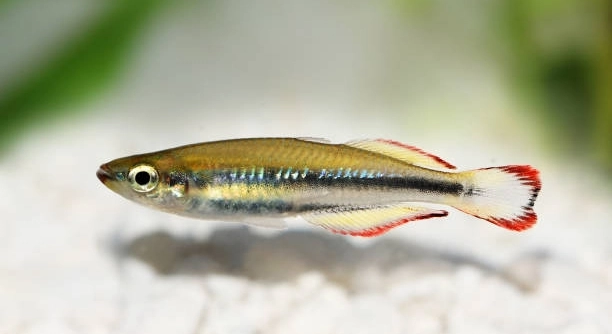
Have you ever wondered how rainbowfish recognize other creatures in their surroundings and stay aware of the diverse species sharing their space as they move through currents and explore their colorful underwater environment each day.
Rainbowfish demonstrate the ability to distinguish between species by relying on visual cues, coloration patterns, and movement signals, allowing them to identify companions and competitors with notable accuracy while navigating ecological communities in both natural habitats and diverse aquarium settings.
As you explore this topic you will find how these colorful fish use subtle behaviors that shape their interactions daily.
How Rainbowfish Perceive Their Surroundings
Understanding how rainbowfish perceive their surroundings helps you see how these colorful creatures stay aware of what moves near them each day. They rely on clear visual signals that help them notice shapes shades and motions in the water. Their eyes are adapted for bright environments letting them track subtle shifts as other species glide nearby. This awareness helps them decide when to stay close when to move away and when to remain still. Over time their ability to read these details supports calmer interactions in shared spaces. When conditions are stable and the water is clean their natural recognition skills stand out even more. By observing them carefully you start noticing how gently they react to new sights. These simple responses show how capable they are at telling different creatures apart with ease. Their behavior becomes more understandable once you focus on these small patterns. They guide gentle reactions.
Rainbowfish use clear visual markers when interacting with other species, allowing them to respond quickly and calmly. Their recognition skills depend on stable lighting, clean water, and consistent movement cues that help them separate familiar creatures from unfamiliar ones. These details shape their daily choices in shared spaces with care.
They respond to each species differently, guided by subtle signals they learn to notice over time. When another fish moves with steady patterns, rainbowfish often react with calm attention. Sudden movements may cause them to shift away, showing how they rely on motion to decide their next steps. Their awareness improves in tanks with good lighting and minimal clutter, letting them identify shapes more easily. Careful observation reveals how often they pause before approaching something new. This small moment of hesitation shows how they process information before making simple choices that help keep interactions balanced in their daily space today.
What Influences Their Recognition Abilities
Lighting water clarity and background movement strongly influence how well rainbowfish recognize other species. When these conditions remain stable their reactions become more accurate allowing them to separate shapes and motions with greater ease during simple interactions in shared environments each day helping them stay aware of nearby creatures calmly.
They depend on several environmental factors that shape how they identify nearby species with steady accuracy. Clean water helps them see moving shapes clearly while strong lighting highlights the colors that guide their responses. When the tank remains calm and uncluttered rainbowfish can track movement patterns without interruption. These conditions allow them to notice subtle differences in how various species swim or react when passing close by. A peaceful setting also reduces stress helping them display more natural recognition behaviors. When stress increases their awareness becomes less stable and they may respond unpredictably. Stable surroundings support clearer decisions especially when unfamiliar creatures approach. Over time rainbowfish develop simple habits that help them understand which species pose no threat. They rely on repetition visual memory and consistent cues they pick up through daily interactions. Their reactions become easier to interpret when you watch how they adjust their spacing and pacing around others. Small shifts in posture and direction reveal how carefully they read their environment. These small actions show how strongly external conditions shape their ability to recognize other species with confidence each day in ways that reflect simple habits formed through repeated calm interactions in shared aquatic spaces over time.
How Social Behavior Shapes Their Responses
Rainbowfish rely on simple visual signals when interacting with other species, reacting most consistently when movement patterns stay steady around them. Their awareness improves when the environment is calm, helping them separate familiar shapes from unfamiliar ones with better accuracy.
They show clear interest in other fish by adjusting their distance and pacing. When another species swims slowly rainbowfish often maintain a relaxed posture. Rapid motions make them shift slightly away, showing how movement affects their comfort. Their reactions become easier to read when the tank has open areas that let them view approaching shapes without obstructions. Stable water and soft lighting also help them notice important details. Consistent surroundings reduce stress and support more natural behavior. Over time they form simple habits based on repeated interactions, learning which species signal calmness and which ones tend to startle them more easily.
Their behavior changes depending on the confidence they feel in their surroundings. When they trust the environment they approach other species with smoother motions. If they sense uncertainty they hold back and observe. This balance helps them avoid unnecessary conflict. Rainbowfish rely on repetition and tiny visual cues to stay aware of who shares their space. Subtle shifts in another fish’s posture often guide their decisions about whether to move closer or create more distance. These actions show how socially aware rainbowfish can be when sorting through daily interactions.
How Environment Affects Their Accuracy
Clean water stronger lighting and uncomplicated backgrounds help rainbowfish clearly see approaching species. When these conditions stay steady their reactions become more predictable allowing them to read small cues in motion and color that guide their daily interactions with greater ease and calmness.
Their accuracy improves when distractions are minimal. When the tank contains too many decorations or shifting shadows they may misread movements and react too quickly. Open swimming spaces give them better sightlines and allow them to separate slow glides from sharp turns more effectively. In stable lighting they detect color differences that help them identify familiar species. Strong contrast in the environment supports their ability to notice approaching shapes without confusion. When stress is low they behave more consistently, showing better recognition of peaceful species. Calm surroundings help them process visual information in a steady way, giving them more confidence during simple daily interactions.
How Visual Cues Guide Their Reactions
Rainbowfish rely on color differences and clean sightlines to understand who is swimming near them. When the tank stays bright and uncluttered they react with steady calmness, adjusting their spacing based on how clearly they can read another fish’s movements.
They use simple visual markers to decide when to approach and when to hold back. Slow steady motions make them feel more secure while sudden shifts cause brief hesitation. Their reactions stay more consistent when lighting remains stable and the water stays clear throughout the day.
How Stress Levels Influence Their Recognition
Stress affects how easily rainbowfish separate familiar species from unfamiliar ones. When the environment feels too busy or noisy they react with less predictability and may misread simple visual cues. A calm tank supports steadier observations and helps them rely more confidently on motion patterns. Over time consistent surroundings allow them to form reliable habits that improve their awareness of nearby species. They respond more naturally when they feel safe, using soft glides and gentle pacing to explore the space around them without unnecessary tension.
How Color Patterns Affect Their Choices
Color patterns help rainbowfish decide which species pose no concern. Bright clear markings make identification easier while muted tones require closer observation. These simple visual cues help them adjust their movements and maintain comfortable spacing during everyday interactions.
FAQ
Can rainbowfish recognize specific species by sight alone?
Rainbowfish rely strongly on visual cues, especially color patterns and movement styles, to recognize different species. Their eyesight is adapted for bright environments, so they tend to react more confidently when colors are clear and the water is clean. They may not identify every species with perfect accuracy, but they notice enough details to separate familiar shapes from unfamiliar ones. Over time they form simple associations that help them respond more predictably to creatures they see often. When lighting stays stable they recognize species more easily, since shadows and glare can confuse their reactions. Their awareness becomes smoother when they feel calm, letting them focus on natural patterns instead of stress triggers. While they do not process information the same way humans do, their visual recognition skills help them maintain steady interactions in shared spaces.
Do rainbowfish use behavior to confirm what they see?
They pay close attention to movement, using small shifts and swimming patterns to understand who is nearby. When another species moves slowly or follows familiar rhythms, rainbowfish often react with relaxed pacing. Quick or irregular motions make them hesitate, giving them a moment to reassess. This pause helps them confirm if the creature is one they recognize or something that requires caution. Their behavior becomes more reliable in a calm environment because external stress can disrupt how they interpret movement. They depend on the combination of sight and behavior to stay aware of their surroundings in a simple but effective way.
Do they rely on color signals when interacting with other species?
Color plays a large role in how rainbowfish sort through nearby creatures. Bright markings help them identify species with more ease, while dull or blended patterns require extra observation. If the tank lighting is strong enough, they use contrast to make sense of shapes as they move. Clear colors help them feel more secure during interactions, since they can decide more quickly whether to approach or create distance. When conditions change and the lighting becomes softer or inconsistent, they may react with more caution. Their confidence grows when colors remain visible and predictable throughout the day.
Can stress reduce their ability to tell species apart?
Stress has a strong impact on how rainbowfish process what they see. When the environment feels crowded or noisy, they may misread simple cues. Their reactions become faster and less thoughtful, which can lead to unnecessary avoidance. A quiet and open tank helps reduce confusion and lets them focus on visual details. Clean water lowers the strain on their eyesight, making it easier for them to interpret motion and color correctly. When stress levels drop, their natural recognition skills become more consistent. They interact more smoothly with familiar species and take time to observe unfamiliar ones without immediate tension.
Does the tank layout influence their accuracy?
Tank layout plays a meaningful role in how they navigate shared spaces. Open swimming areas help them see approaching species more clearly, reducing the chance of misinterpretation. Too many decorations or dark corners can create visual blockages that cause them to react unpredictably. When the environment stays simple and balanced, they rely on steady sightlines to recognize who is nearby. Good lighting works with the layout to keep colors visible and motion easy to track. Their behavior becomes more confident when the space allows clear views, helping them stay aware without feeling overwhelmed.
Do rainbowfish improve their recognition over time?
They build simple habits as they observe species repeatedly. This helps them react with more consistency and comfort. Daily exposure to familiar creatures lets them link certain colors and movements with safe interactions. Their responses become smoother as they learn which species pose no concern. Over time these small experiences shape their understanding of shared environments, allowing them to maintain calm and steady behavior in simple predictable ways.
Final Thoughts
Understanding how rainbowfish recognize and react to other species helps you see their behavior in a clearer and more grounded way. These fish rely on simple visual cues, steady movement patterns, and familiar colors to stay aware of their surroundings. Their reactions may seem small, but each one reflects a quiet sense of awareness shaped by the conditions around them. When the environment stays calm and stable, their ability to separate familiar species from unfamiliar ones becomes more dependable. Water clarity lighting and layout all play important roles in how confidently they respond. Stress and distraction make their reactions less predictable while peaceful spaces encourage more natural behavior. By focusing on these small details you can see how rainbowfish use their senses to manage each moment in a gentle and steady rhythm. Their recognition skills do not rely on anything complex, yet they are strong enough to help them handle simple daily interactions. Watching them move with soft pacing and attentive glances reveals how naturally they rely on sight and behavior to understand their surroundings.
Their responses become easier to read when you notice how they balance caution and curiosity. When they feel secure they swim with smoother motions remaining open to nearby species that move calmly. If something startles them they pause and observe before choosing their next step. This simple pattern shows how carefully they process each new sight. Lighting makes a notable difference since bright steady light helps them track colors and shapes with more accuracy. Clean water enhances this awareness even further by removing visual obstacles that could confuse them. When the tank becomes too cluttered or the lighting shifts too sharply they may struggle to make clear distinctions. Their reactions then become quicker and more uncertain. Giving them a stable space helps them rely on natural habits they develop over time. These habits guide them through familiar interactions in ways that reflect steady learning and gentle repetition.
Rainbowfish do not use advanced reasoning, but their awareness carries a quiet effectiveness that supports their daily choices. They respond to patterns they see often and these repeated experiences shape how they adjust their spacing and pacing. Over time they learn which species behave calmly and which ones move in ways that require more distance. This learning process happens gradually through simple observation. Understanding these patterns helps you care for them in a way that keeps their environment supportive and predictable. A peaceful tank allows them to display natural recognition skills that highlight how capable they are at navigating shared spaces. Their reactions may seem soft and subtle, but they reveal a steady awareness shaped by light movement and color that continues to guide them each day.

Hello,
If you enjoy the content that we create, please consider saying a "Thank You!" by leaving a tip.
Every little bit helps us continue crafting quality advice that supports the health, happiness, and well-being of pets around the world, for pets of all shapes, sizes, and species.
We really appreciate the kindness and support that you show us!