
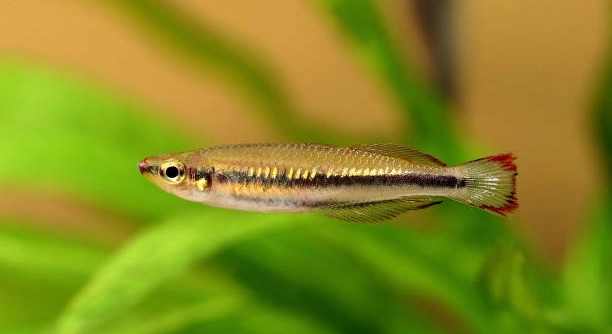
Have you ever wondered how the size and shape of your fish tank might affect the behavior of your rainbowfish? Many hobbyists spend hours deciding which tank will make their fish feel most comfortable and active.
Rainbowfish generally thrive better in wider tanks rather than tall tanks. A tank with more horizontal swimming space allows them to display natural schooling behaviors, reduces stress, and provides a healthier environment for long-term growth and social interaction.
Understanding how tank dimensions influence rainbowfish behavior will help you create a more suitable habitat for their daily activity and overall well-being.
Why Tank Shape Matters
When I first started keeping rainbowfish, I didn’t think much about tank shape. Over time, I noticed that my fish seemed more active in wider tanks compared to taller ones. Rainbowfish are naturally fast swimmers, and they need space to move horizontally. Tall tanks limit their swimming area, which can make them appear restless or stressed. A wider tank allows them to school naturally and explore different levels, which is closer to their behavior in the wild. Decorations and plants should be arranged to leave open swimming paths, rather than filling up the vertical space. The surface area of a wide tank also helps with oxygen exchange, which is crucial for maintaining a healthy environment. I learned that giving rainbowfish enough horizontal room not only improves their physical health but also encourages more lively and natural interactions between them. Observing their behavior in the right tank shape is much more rewarding.
Wider tanks create a better environment by offering swimming space, reducing stress, and supporting healthier social behavior for rainbowfish.
For rainbowfish, tank shape directly affects their daily activity. A tall tank may seem appealing, especially if space is limited, but it restricts swimming patterns. Wide tanks mimic their natural habitat, providing ample horizontal room and multiple zones for hiding, schooling, and feeding. In a taller tank, the fish often stay near the middle or top, which reduces movement and can lead to aggression or lethargy. Choosing a wide tank also makes it easier to maintain stable water conditions, as circulation is more even. Plants and ornaments should complement open swimming areas, avoiding dense clusters that block horizontal space. For anyone keeping rainbowfish, prioritizing width over height enhances both health and behavior. Observing them glide in a wide tank is more satisfying and ensures their environment supports natural instincts, promoting a longer, healthier life.
Tank Dimensions to Consider
A standard recommendation is to provide at least 20 inches of horizontal swimming space for small groups of rainbowfish.
Tank dimensions play a crucial role in planning for rainbowfish. Their active swimming habits require space that accommodates movement across the tank rather than vertical exploration. For a small school of five to six rainbowfish, a minimum tank length of 30 inches is ideal, while width should be around 12 to 15 inches. Depth is less critical, though it should allow for plants and decorations without crowding. A wider tank also supports better oxygenation and easier cleaning routines. While tall tanks can look impressive, they often fail to meet the behavioral needs of rainbowfish. Providing a tank that prioritizes horizontal space encourages schooling, reduces stress, and makes feeding more efficient. Careful consideration of tank size ensures that rainbowfish can express natural behaviors, remain healthy, and interact comfortably with their tank mates. Choosing the right dimensions is a simple step that greatly improves the daily life of these lively fish.
Ideal Tank Setup
A wide tank with open swimming areas and scattered plants works best for rainbowfish. Decorations should leave room for movement while offering hiding spots. Proper filtration and oxygenation are essential for their active lifestyle, ensuring they stay healthy and stress-free.
For decorations, I focus on creating zones that allow rainbowfish to explore without feeling cramped. Rocks, driftwood, and low plants are placed along the sides and corners, keeping the center open for swimming. Floating plants can provide shade and reduce stress, but they shouldn’t block horizontal movement. The substrate can be fine gravel or sand, which supports plant roots and makes cleaning easier. Lighting should mimic natural conditions without being too harsh. Even simple setups benefit from attention to layout, helping fish maintain natural behaviors while adding visual appeal.
Water conditions need consistent monitoring. Temperature should stay between 74 and 78°F, and pH around 6.5 to 7.5. Regular partial water changes and a reliable filtration system maintain quality. Avoid overcrowding, as even a wide tank can feel restrictive if too many fish are present. Proper maintenance ensures rainbowfish remain active, healthy, and vibrant.
Feeding and Social Behavior
Rainbowfish thrive in groups of at least six, showing more natural schooling behavior and less stress. Feeding small amounts multiple times a day keeps them active and healthy.
I feed my rainbowfish a varied diet of flakes, pellets, and occasional frozen foods. They respond well to live or frozen brine shrimp, daphnia, and bloodworms, which provide protein for growth and color enhancement. Overfeeding can pollute the water quickly, so I give only what they can consume in a few minutes. Observing their feeding patterns helps me notice health or behavior changes early. Some fish are shy, so spreading food across the tank encourages all individuals to eat. Rotating food types prevents nutritional gaps, supporting overall vitality.
Social behavior improves when tank size and shape are suitable. Wide tanks allow rainbowfish to school naturally, establishing territories without aggressive encounters. In taller, narrow tanks, fish may compete for limited horizontal space, leading to stress and less interaction. A well-planned environment with hiding spots and open swimming areas supports peaceful coexistence. Watching them swim in coordinated groups shows their natural behavior and indicates they are comfortable. Proper group size, space, and feeding routines all contribute to a healthy, balanced aquarium where rainbowfish thrive both physically and socially.
Common Mistakes
Overcrowding a tank is a frequent mistake. Even a wide tank can feel cramped with too many rainbowfish, leading to stress and aggression.
Neglecting proper swimming space by using a tall, narrow tank limits natural behaviors. Rainbowfish need horizontal room to school, explore, and interact comfortably.
Lighting and Plants
Bright, moderate lighting helps plants grow while keeping rainbowfish comfortable. Floating plants can reduce light intensity and create shaded areas. Using a mix of low and medium-height plants provides hiding spots without restricting swimming. Plants also help maintain water quality by absorbing nutrients and providing oxygen.
Tank Maintenance
Regular water changes and filter cleaning are essential. Keeping the tank clean prevents ammonia buildup and keeps fish healthy and active.
FAQ
Do rainbowfish need a wide tank for schooling?
Yes, rainbowfish school best in wider tanks. Horizontal space allows them to swim together naturally and reduces stress. A cramped tank prevents full movement and can lead to aggression or lethargy. Observing their coordinated swimming in a wide tank shows they are comfortable and healthy.
Can tall tanks harm rainbowfish?
Tall tanks are not ideal for rainbowfish because they limit horizontal swimming space. Fish may crowd the middle or top levels, restricting natural schooling behavior. While tall tanks are visually impressive, they do not support the active swimming patterns rainbowfish need for proper health and social interaction.
How many rainbowfish should I keep together?
Rainbowfish should be kept in groups of at least six. Smaller groups may show shy or stressed behavior. Larger groups need more space, but the social structure is important. Keeping a proper number ensures schooling behavior, reduces stress, and encourages natural activity throughout the tank.
What tank dimensions work best?
For small groups of rainbowfish, aim for a tank length of at least 30 inches and width of 12–15 inches. Depth is less important but should allow room for decorations and plants. Wide tanks support schooling and reduce territorial stress, making fish more active and healthy.
How should I arrange decorations and plants?
Place decorations along the sides and corners to leave open swimming areas in the center. Low plants and driftwood provide hiding spots without limiting horizontal movement. Floating plants create shaded zones, helping reduce stress and improving comfort. A well-planned layout encourages natural behavior and allows full exploration.
How often should I feed rainbowfish?
Feed rainbowfish small amounts multiple times a day rather than one large meal. A mix of flakes, pellets, and occasional frozen or live food ensures proper nutrition. Overfeeding can pollute the water quickly, so provide only what they consume in a few minutes to maintain water quality.
What water conditions do rainbowfish need?
Rainbowfish thrive in temperatures between 74 and 78°F and a pH of 6.5–7.5. Consistent water quality is critical, so regular monitoring and partial water changes are necessary. A reliable filtration system and proper aeration maintain a healthy environment for active swimming and vibrant coloration.
Can rainbowfish live with other fish?
Rainbowfish are generally peaceful but may become territorial if space is limited. Compatible tank mates include small, non-aggressive species that tolerate similar water conditions. Avoid overcrowding, as wide tanks with open swimming space help maintain harmony and reduce stress among different species.
Why is horizontal swimming space more important than depth?
Rainbowfish naturally swim in horizontal schools, so length and width are crucial. Tall tanks restrict movement, causing stress and less natural interaction. Open horizontal areas allow them to express natural behaviors, maintain proper exercise, and interact socially without conflict.
How do I maintain a healthy rainbowfish tank?
Regular water changes, filter cleaning, and monitoring of water parameters are essential. Avoid overcrowding, maintain proper tank dimensions, and provide a balanced diet. Observing fish behavior helps identify issues early, ensuring that rainbowfish remain active, colorful, and healthy in their environment.
Can I keep a single rainbowfish?
Keeping only one rainbowfish is not recommended. They are social fish and rely on schooling for comfort and reduced stress. A single fish may become shy or display abnormal behavior. Grouping at least six ensures better mental health, natural movement, and a more visually appealing tank.
What should I do if my rainbowfish seems stressed?
Check tank dimensions, swimming space, water quality, and group size. Stress often comes from overcrowding or improper conditions. Adding hiding spots, improving filtration, and ensuring proper nutrition helps fish recover and encourages natural activity, reducing stress over time.
How do I encourage natural schooling behavior?
Wide tanks, proper group size, and open swimming paths are key. Avoid placing decorations that block horizontal movement. Consistent feeding and stable water conditions also help rainbowfish feel secure enough to school naturally, displaying vibrant activity throughout the tank.
Can lighting affect rainbowfish behavior?
Yes, bright or harsh lighting can stress rainbowfish. Moderate lighting with floating plants to create shaded areas works best. Natural day-night cycles help maintain healthy behavior and coloration. Plants also improve water quality, further contributing to a comfortable environment for active schooling.
How long do rainbowfish live in captivity?
Rainbowfish typically live 5–8 years with proper care. Wide tanks, stable water conditions, a balanced diet, and social groups contribute to longevity. Observing their natural behavior and maintaining a healthy environment helps them thrive and reach their full lifespan potential.
Are there differences between rainbowfish species in tank requirements?
Yes, some species like Boesemani or Celebes rainbowfish may require slightly larger tanks due to size or activity level. Research the specific species before setting up a tank. Most species, however, benefit from horizontal swimming space, moderate plants, and small groups for schooling behavior.
How do I prevent aggression in rainbowfish tanks?
Provide enough horizontal space, hiding spots, and group sizes of at least six. Avoid overcrowding and incompatible tank mates. Proper tank layout and environmental enrichment reduce territorial disputes, keeping fish active, peaceful, and displaying natural schooling behavior throughout the day.
What is the best diet for vibrant colors?
A varied diet including high-quality flakes, pellets, and occasional live or frozen foods promotes coloration. Foods rich in carotenoids enhance red and orange tones. Feeding multiple small portions a day ensures proper nutrition, supports growth, and maintains energy levels for schooling activity.
How often should I monitor water parameters?
Check temperature, pH, and ammonia levels at least weekly. Frequent monitoring ensures early detection of issues that could stress fish. Regular water testing combined with partial water changes and proper filtration keeps rainbowfish healthy and allows them to thrive in a wide tank setup.
Can rainbowfish adapt to new tank shapes?
They can adapt gradually, but sudden changes from tall to wide or vice versa can cause stress. When moving fish, ensure stable water conditions, proper acclimation, and sufficient horizontal swimming space to maintain natural behaviors and reduce stress during the transition.
What signs show my rainbowfish are happy and healthy?
Active swimming in coordinated schools, bright coloration, consistent appetite, and regular interaction with tank mates indicate good health. Fish that explore open areas, display natural behavior, and avoid hiding constantly are generally comfortable in their environment.
How can I improve oxygenation in the tank?
Using a quality filter, adding air stones, and keeping water movement moderate enhances oxygen levels. Wide tanks with larger surface areas also improve gas exchange, supporting active swimming and reducing stress for rainbowfish. Proper oxygenation is key for a vibrant, healthy tank.
Is tank width more important than length?
Both matter, but width often has a greater impact on rainbowfish schooling. More horizontal space allows coordinated swimming, reduces territorial behavior, and promotes activity. Length contributes to overall movement, but sufficient width ensures fish can interact naturally and maintain healthy social behavior.
How do I introduce new rainbowfish to an existing tank?
Acclimate new fish slowly using drip methods or gradual water mixing. Quarantine beforehand to prevent disease. Introduce them during feeding time or when existing fish are occupied to reduce stress. Providing hiding spots helps newcomers feel secure while integrating with the school naturally.
Can I keep rainbowfish in a planted tank?
Yes, a planted tank works well if swimming space remains open. Low and medium-height plants along the sides, along with floating plants, offer shade and hiding spots. Properly arranged plants enhance water quality and support natural behavior without limiting horizontal movement.
How do I know if my tank is too small?
Signs include aggression, constant hiding, reduced schooling, or lethargy. Fish may compete for space or fail to display natural behaviors. A tank that allows free horizontal movement, sufficient swimming paths, and room for decorations without crowding is considered adequate.
What are the most stress-reducing features for rainbowfish?
Wide swimming areas, moderate plants, hiding spots, consistent water parameters, and appropriate group sizes reduce stress. Minimizing sudden changes and avoiding overcrowding help rainbowfish feel secure, promoting natural behavior, active schooling, and overall health throughout the tank environment.
Rainbowfish are active, social fish that thrive when their environment closely matches their natural habits. One of the most important factors in keeping them healthy and happy is the shape of their tank. Wide tanks provide the horizontal swimming space they need to school naturally and explore their surroundings without stress. In contrast, tall, narrow tanks limit their movement and can make them feel confined, leading to less interaction and potential aggression. From my experience, observing rainbowfish glide across a wide tank is much more satisfying than watching them in a tall, cramped space. It also reassures you that the fish are comfortable and exhibiting behaviors that are natural for their species.
Proper tank setup goes beyond width alone. Decorations and plants should be arranged to leave open areas for swimming while still providing hiding spots. Low plants, rocks, and driftwood can create zones for exploration without blocking horizontal movement. Floating plants add shaded areas, which help reduce stress and mimic natural conditions. Maintaining stable water parameters, including temperature and pH, is equally crucial. Regular water changes, filtration maintenance, and monitoring of water quality ensure that rainbowfish remain healthy and active. Feeding them a varied diet of flakes, pellets, and occasional live or frozen foods supports growth, coloration, and energy levels. The combination of proper tank shape, careful layout, and good water quality forms the foundation for a thriving rainbowfish aquarium.
Group size and social behavior also play a major role in their overall well-being. Rainbowfish are schooling fish, and keeping them in small groups of six or more encourages natural interaction and reduces stress. Overcrowding, even in a wide tank, can create tension, while too few fish may lead to shy or withdrawn behavior. Observing their schooling behavior is a good indicator of comfort and health. Wide tanks make it easier to maintain an ideal number of fish while allowing each individual enough space to move freely. Paying attention to these details helps create an environment where rainbowfish can display their full range of natural behaviors, remain healthy for years, and show off the vibrant colors that make them so appealing in home aquariums. With careful planning and attention to tank shape, setup, and social needs, you can provide rainbowfish with a habitat that supports both their physical and mental well-being.

Hello,
If you enjoy the content that we create, please consider saying a "Thank You!" by leaving a tip.
Every little bit helps us continue crafting quality advice that supports the health, happiness, and well-being of pets around the world, for pets of all shapes, sizes, and species.
We really appreciate the kindness and support that you show us!