
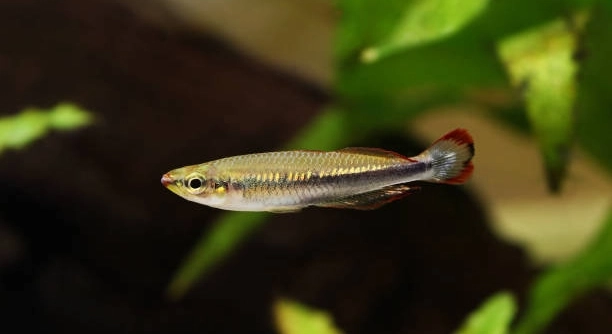
Have you ever wondered how your rainbowfish acts after dark, especially when it begins eating only once the lights go off, forming a routine that may seem unusual yet aligns with its natural instincts well.
The primary reason a rainbowfish eats exclusively at night is stress triggered by environmental conditions. Inadequate lighting, incompatible tank mates, or disrupted routines can suppress daytime feeding behavior, encouraging nocturnal patterns that reflect attempts to avoid threats and maintain stability.
Learning what shapes this nighttime habit can help you create steadier conditions that support healthier feeding patterns for your rainbowfish.
Creating a Comfortable Feeding Environment
Understanding why your rainbowfish shifts its feeding habits can help you shape a calmer routine that supports steady behavior. When daytime conditions feel overwhelming, the fish may wait until the tank grows quiet. Stress from bright lights, rapid movement, or dominant tank mates can influence this pattern. Some rainbowfish also adjust their eating schedule when they sense changes in water quality. Small fluctuations in temperature, pH, or flow can make them cautious, leading them to feed when activity is low. I have seen this happen in my own tanks when a simple adjustment, like softening the lighting or reducing commotion in the room, made a noticeable difference. Once the environment feels safe, many fish return to eating earlier in the day. Paying attention to these signals helps you respond kindly and prevents habits from forming that may be harder to reverse over time. This small awareness supports healthier daily routines.
Noticing these details helps you understand how sensitive rainbowfish can be when their surroundings shift. When the environment grows calmer and more predictable, rainbowfish are more willing to shift their eating times, making it easier to guide them back to healthier daytime patterns that support steady behavior. These changes may seem small at first, but they can support long term stability within your tank over time too.
When you begin adjusting your tank setup, it helps to focus on factors that influence comfort for your rainbowfish. Softer lighting, steady water changes, and calmer surroundings can guide them toward healthier habits. I have often noticed how even a small shift, like reducing glare from a nearby lamp, made my fish feel more at ease. Keeping up with gentle maintenance also reduces stress, especially when the tank stays clean and the temperature remains stable. These actions encourage your rainbowfish to feel secure enough to eat earlier in the day, building a more consistent routine that fits their natural rhythm.
Adjustments That Encourage Daytime Feeding
Understanding how environmental pressure shapes feeding behavior allows you to adjust conditions before habits become hard to change. When the tank feels calm and predictable, rainbowfish are more willing to shift their eating times, making it easier to guide them back to healthier daytime patterns that support steady behavior. This gentle approach encourages smoother routines and helps reduce stress over time for your fish in a simple way.
Creating a tank that encourages daytime eating starts with observing how your rainbowfish reacts to small details in its surroundings. Bright lighting, constant motion, and sudden sounds often make these fish cautious, pushing them to eat only when the room settles. Softening the lighting, adding plants for shelter, and keeping the area around the tank calm can make a clear difference in their confidence. I have seen how a gentle adjustment, such as reducing foot traffic near the tank, helped my own fish feel secure enough to come forward during the day. Water quality plays a major role as well, since even minor shifts can affect behavior. Regular maintenance keeps the environment predictable and reduces the tension that leads to nighttime feeding. Stable temperature, clean filters, and steady pH levels help your rainbowfish trust its surroundings. When the tank feels safe, eating becomes a natural daytime activity again. Over time, these habits create a smooth rhythm that supports better health, stronger colors, and a more balanced routine for your rainbowfish. With steady care and gentle observation, you encourage your fish to rebuild trust in its environment, allowing healthier behavior to form naturally and supporting long term stability within your aquarium.
Understanding Stress Triggers
Stress plays a major role in shifting your rainbowfish’s feeding habits, especially when the environment feels unpredictable. Small disruptions can alter behavior quickly, and I have seen how sensitive these fish become when their surroundings stop feeling steady or safe for them.
Changes in lighting, noisy rooms, or fast tank mates can make your rainbowfish wait until everything becomes quiet. Even minor disturbances like sudden shadows or tapping on the glass can affect how comfortable they feel during the day. When stress builds, eating only at night becomes a way for them to avoid tension. I have noticed this pattern in my own tanks, especially when lighting was too bright or the room stayed active throughout the day. Lower lights, steady movement around the tank, and reducing loud sounds can make a meaningful difference. Creating a calm rhythm helps your rainbowfish feel more confident and settle into healthier feeding habits again.
Water quality is another major factor that shapes comfort levels. Even a small dip in temperature or a slight rise in ammonia can influence behavior quickly. Rainbowfish need stable, clean water to stay relaxed, and shifts in these conditions often show up through their feeding patterns. I like keeping a simple routine for checking parameters, since noticing changes early helps prevent stress from building. When the water stays clean and balanced, your rainbowfish can focus on natural behaviors instead of reacting to discomfort. Over time, steady conditions encourage them to return to daytime feeding and feel secure in their space again.
Light, Noise, and Tank Placement
Light and noise shape how your rainbowfish moves through its day, especially when the tank sits in a busy spot. Bright lights or constant activity nearby can make the fish stay hidden until the room quiets down. Shifting the tank to a calmer area or softening the lighting can help reduce this uneasiness.
Creating a stable visual environment supports healthier feeding behavior too. Direct sunlight, flickering lamps, or harsh overhead lighting often make rainbowfish feel exposed. I found that using softer bulbs or adding floating plants created a gentle shade that encouraged my fish to come forward earlier. Noise matters just as much, since sudden sounds or heavy footsteps can keep them tense throughout the day. Choosing a quieter corner of the room helps them relax and observe their surroundings without feeling threatened. Over time, these calmer conditions guide your rainbowfish toward steadier daytime habits. The goal is to keep their environment predictable, soft, and peaceful, so they feel confident enough to eat when the tank is active instead of waiting for nighttime quiet.
Feeding Patterns and Tank Mates
Tank mates influence how confidently your rainbowfish approaches food. Fast or nippy fish often take over feeding time, leaving your rainbowfish hesitant. I have noticed that calmer companions create a safer space, allowing your rainbowfish to eat earlier without waiting for the room to quiet down.
Choosing peaceful species reduces tension around meals. When your rainbowfish doesn’t feel pushed aside, it becomes more comfortable eating during the day. I like watching how body language changes once aggressive behavior is removed, revealing a calmer rhythm that supports healthier feeding habits.
Adjusting Feeding Techniques
Feeding methods can shape behavior more than many keepers realize. Spreading food across different areas of the tank helps shy rainbowfish avoid competition. I often use small portions offered a few minutes apart, since this prevents stronger fish from dominating every feeding spot. Some rainbowfish respond well to sinking foods or floating pellets with softer textures. These small adjustments help them approach meals confidently. Over time, using gentle feeding techniques encourages daytime eating and lowers stress, especially when paired with steady lighting and calm surroundings.
When Behavior Starts to Improve
Improvement often shows through small changes first, like your rainbowfish appearing earlier during feeding or showing more interest in food. These signs tell you the environment feels safer, and with steady care, the behavior continues shifting in a healthier direction.
FAQ
Why does my rainbowfish only eat at night?
Rainbowfish often eat at night when they feel stressed or unsafe during the day. Bright lights, fast or aggressive tank mates, sudden movements, or loud noises can make them cautious. In my experience, small adjustments like dimming the light or creating calm spaces allow them to feel comfortable enough to feed during daytime. Nighttime feeding is a natural coping behavior for avoiding perceived threats in the tank.
Can I change my rainbowfish’s feeding habits?
Yes, you can guide them toward daytime feeding by adjusting the tank environment and feeding routines. Start with consistent lighting, softening overly bright lights, and providing hiding spaces like plants. Feeding smaller portions in multiple spots can reduce competition. Over time, your rainbowfish will feel more confident and may gradually shift to eating earlier in the day.
What kind of food works best for shy rainbowfish?
Sinking pellets or soft flakes often encourage hesitant eaters to approach food. Frozen or live foods like brine shrimp or daphnia can also stimulate interest. I prefer offering a mix to give variety and attract their attention without overwhelming them. Using gentle feeding techniques reduces stress and encourages natural eating behavior.
Does tank size affect feeding behavior?
Yes, overcrowded tanks can make rainbowfish nervous, especially around feeding time. Limited space increases competition, making shy fish retreat until the environment is quiet. In my tanks, spreading food across the tank or increasing swimming space often results in more confident daytime feeding.
How do water conditions affect feeding patterns?
Rainbowfish are sensitive to water changes. Even minor fluctuations in temperature, pH, or ammonia levels can make them avoid daytime meals. Keeping water stable through regular testing and gentle maintenance is essential. I’ve seen how small improvements in water quality directly impact willingness to feed during daylight hours.
Will adding plants help my rainbowfish eat during the day?
Yes, plants provide cover and reduce stress. Floating or bushy plants give shy fish areas to hide and feel secure, encouraging daytime feeding. I usually place a mix of tall and short plants, creating natural shelters that allow rainbowfish to approach food safely and on their own schedule.
Should I separate my rainbowfish from aggressive tank mates?
Separating aggressive or fast fish often solves nighttime-only feeding habits. When rainbowfish don’t feel threatened, they gain confidence to eat in the open. I’ve had to move rainbowfish to calmer tanks temporarily, and their feeding patterns returned to normal within a few days.
How long does it take for feeding behavior to change?
Changes depend on the level of stress and environmental adjustments. Small improvements, like dimmed lighting or safer tank mates, can show results within days. Full adaptation may take a few weeks. Patience is key, as pushing the fish too quickly can increase stress instead of helping.
Can changing the time of feeding help?
Yes, feeding at quieter times of the day or gradually shifting mealtimes helps rainbowfish adapt. I usually start offering food just before lights go dim, then slowly move it earlier. This encourages them to associate daytime with safety and food without feeling rushed or pressured.
Is it normal for rainbowfish to eat only at night sometimes?
Yes, occasional nighttime feeding is normal if the fish feels temporarily stressed or if environmental conditions change. However, persistent nighttime-only feeding often signals that adjustments are needed in lighting, tank mates, or feeding techniques. Monitoring behavior regularly helps identify triggers and maintain healthier patterns.
What signs show my rainbowfish is less stressed and ready to eat during the day?
Shy rainbowfish will slowly explore the tank during daylight, come forward for food, and show curiosity rather than retreating. I notice brighter colors and more confident movement as indicators of reduced stress. Maintaining steady routines and calm surroundings reinforces these behaviors over time.
Can changing feeding methods alone fix nighttime-only eating?
Feeding adjustments help but often work best alongside environmental changes. Using smaller portions, spreading food, or offering different textures reduces competition and stress. In my experience, combining these strategies with calm lighting and safer tank mates produces the most reliable shift to daytime feeding.
This FAQ addresses the common challenges that lead rainbowfish to feed only at night, providing practical steps to create a more secure environment, reduce stress, and encourage healthy daytime feeding routines.
Final Thoughts
Rainbowfish eating only at night is usually a sign that they feel uneasy during the day. This behavior often comes from stress caused by bright lights, fast or aggressive tank mates, sudden movements, or noise around the tank. Even small changes in water conditions like temperature, pH, or ammonia levels can affect their comfort. Observing your rainbowfish carefully is important. By noticing when they approach food and when they hide, you can better understand their stress points. Creating a calm, stable environment helps them feel safe and encourages healthier feeding patterns. Over time, these small adjustments can make a noticeable difference in how confidently your rainbowfish eats during the day.
Adjusting the tank setup can help reduce stress and shift feeding habits. Adding plants or decorations for hiding spots gives rainbowfish places to feel secure. Softening lighting, spreading food across the tank, and feeding smaller portions multiple times a day helps reduce competition from faster or more aggressive tank mates. Separating aggressive fish when needed also allows shy rainbowfish to eat without feeling rushed. Consistency is key. Maintaining steady routines for feeding, cleaning, and lighting reinforces a sense of security. I have found that even small changes, like reducing noise around the tank or adjusting light intensity, encourage rainbowfish to gradually approach food earlier in the day. Patience is essential because these habits may take several days or weeks to fully change.
Understanding your rainbowfish’s behavior also means paying attention to water quality. Clean, balanced water is vital for their overall well-being and helps reduce stress that leads to nighttime-only feeding. Regular testing and gentle maintenance ensure a safe environment where fish can focus on eating rather than reacting to discomfort. Combining these environmental and feeding adjustments creates a routine that feels predictable and safe. With time, rainbowfish can regain confidence and start eating during the day, showing more natural behavior and healthier habits. Supporting them in this way promotes not only proper nutrition but also a calmer, more balanced tank environment where your rainbowfish can thrive.

Hello,
If you enjoy the content that we create, please consider saying a "Thank You!" by leaving a tip.
Every little bit helps us continue crafting quality advice that supports the health, happiness, and well-being of pets around the world, for pets of all shapes, sizes, and species.
We really appreciate the kindness and support that you show us!