
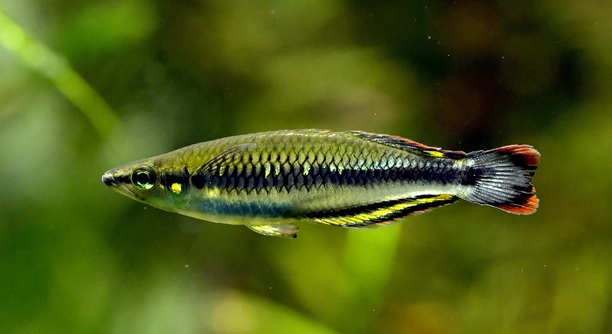
Rainbowfish are lively and colorful fish that bring energy to any aquarium. Choosing the right substrate helps them feel comfortable while supporting a healthy and balanced environment in your tank.
Selecting the best substrates for rainbowfish tanks requires attention to both aesthetics and functionality. Ideal substrates provide stability, support plant growth, maintain water quality, and create a safe environment for the fish while enhancing the tank’s visual appeal.
Proper substrate selection can influence your rainbowfish’s overall health and the tank’s ecosystem, making it essential to consider options carefully for long-term success.
Fine Gravel
Fine gravel is one of the most popular choices for rainbowfish tanks. It provides a smooth and even surface for the fish to swim over and for plants to root easily. This type of substrate comes in various colors, allowing you to match it to your tank’s overall aesthetic. Fine gravel also helps with water circulation and reduces the buildup of harmful gases in the tank. It is easier to clean than sand because debris often sits on top rather than mixing in. Choosing the right size and texture ensures the rainbowfish do not injure themselves while exploring. Many aquarists prefer gravel because it balances appearance and functionality. Over time, it can also support beneficial bacteria that help maintain water quality, making it a practical choice for long-term tank maintenance. Overall, fine gravel offers both safety for your fish and convenience for you as the caretaker.
Fine gravel provides stability and promotes a healthy environment while remaining easy to clean and maintain for long-term aquarium success.
It is important to rinse fine gravel thoroughly before adding it to your tank. This removes dust and small particles that could cloud the water. Placing the gravel evenly at the bottom ensures plants and decorations sit securely. Over time, fine gravel can compact slightly, which may require occasional gentle stirring to maintain proper water flow. Many rainbowfish enjoy foraging along the gravel, picking at small particles and finding hiding spots. Pairing fine gravel with live plants enhances the tank’s natural feel, while artificial plants work well too. Its neutral texture does not harm delicate fins, making it ideal for active species like rainbowfish.
Sand
Sand is a soft and natural-looking substrate that gives rainbowfish a gentle surface to explore. Its fine texture prevents accidental injuries and allows for easy burrowing by certain species. Sand comes in multiple shades, helping to create a natural tank appearance that complements bright fish colors. While sand requires careful cleaning to avoid compacting or trapping debris, it supports beneficial bacteria and stabilizes water conditions. Its smooth texture is gentle on plants with delicate roots, making it a good match for live planted tanks. Sand can also be layered over gravel for a mixed substrate effect, offering both stability and softness. Regular maintenance ensures sand stays clean and prevents harmful buildup. Many aquarists notice that rainbowfish often display more natural behavior over soft sand compared to harder substrates. The combination of visual appeal and functional benefits makes sand a reliable choice for those aiming for a healthy, attractive aquarium setup.
Sand provides a soft, safe surface while supporting plant growth and maintaining a stable aquatic environment for rainbowfish.
Proper sand maintenance involves using a siphon to remove debris from the surface without disturbing the layer too much. Compacting can occur over time, so gentle stirring helps prevent water stagnation. Sand works well with bottom-dwelling species that like to forage, as well as active mid-level swimmers. Its natural look highlights rainbowfish colors and can complement various tank decorations. Adding plants can improve water quality while enhancing the visual appeal. Choosing the right grain size is essential; very fine sand may cloud water, while coarser sand can be easier to clean. Many aquarists mix sand with a thin layer of gravel underneath to combine the advantages of both substrates. With proper care, sand creates a safe, visually pleasing environment that encourages natural fish behavior.
Aquarium Soil
Aquarium soil is nutrient-rich and supports healthy plant growth. It helps maintain stable water conditions and encourages natural behavior in rainbowfish. This substrate also promotes beneficial bacteria, which improves overall tank health and keeps your fish active and vibrant.
Aquarium soil provides essential nutrients for live plants, creating a balanced ecosystem within the tank. Unlike gravel or sand, it slowly releases minerals that plants need, reducing the need for frequent fertilization. Rainbowfish benefit from the natural feel of the soil as they swim and forage. Its texture is soft, minimizing the risk of injury while allowing fish to explore freely. Some soils also buffer pH, helping maintain stable water chemistry, which is crucial for rainbowfish species sensitive to sudden changes.
Proper maintenance of aquarium soil involves gentle cleaning to avoid disturbing the nutrient layer. Over time, it may compact slightly, so light stirring helps maintain water flow and oxygenation. Combining soil with a thin layer of sand or fine gravel can improve appearance and prevent soil from floating when adding water. Plants rooted in soil grow more robustly, providing shelter and hiding spots that reduce stress for rainbowfish. Overall, aquarium soil supports both plant health and fish well-being in a sustainable way.
Crushed Coral
Crushed coral raises water hardness and helps maintain stable pH, ideal for rainbowfish that prefer slightly alkaline conditions. Its coarse texture supports bacteria growth and gives tanks a natural, textured look.
Crushed coral is often used in aquariums to buffer pH and maintain mineral levels. It slowly dissolves in water, releasing calcium and other essential minerals that strengthen water hardness. This makes it suitable for species that thrive in harder water, including many rainbowfish. The substrate’s rough texture provides surfaces for beneficial bacteria to colonize, which helps reduce harmful ammonia and nitrite levels. Crushed coral also prevents water from becoming too soft, which can stress sensitive fish and plants. Many aquarists pair it with fine gravel or sand to create a balanced environment.
When using crushed coral, it’s important to monitor water parameters regularly, as its dissolving rate can slightly change pH over time. Layering it beneath finer substrates can prevent direct contact with delicate plant roots while still providing mineral benefits. Its natural color variations enhance the tank’s visual appeal, giving a soft, earthy backdrop that highlights the bright colors of rainbowfish. Proper combination with other substrates ensures stability and supports a thriving aquarium ecosystem.
River Pebbles
River pebbles create a natural, smooth environment for rainbowfish to swim around. Their rounded shape prevents injuries and adds visual interest to the tank’s bottom.
These pebbles are easy to clean and allow water to circulate well, reducing debris buildup. They work best when paired with plants or decorations that provide hiding spots for the fish.
Plant Substrate
Plant substrate is specially formulated to support rooted plants. It supplies nutrients and encourages healthy growth, making it ideal for tanks with live vegetation. A thriving plant layer benefits rainbowfish by improving oxygen levels, providing shelter, and creating a more natural environment for swimming and foraging.
Gravel Sand Mix
A gravel and sand mix combines stability with softness. It offers a balanced surface for both plants and fish while preventing compaction, supporting water flow, and maintaining cleanliness in the tank.
FAQ
What is the best substrate for rainbowfish tanks?
The best substrate depends on your tank setup and the needs of your rainbowfish. Fine gravel and sand are common choices because they are gentle on fins and allow fish to forage naturally. Aquarium soil works well if you have live plants, as it provides essential nutrients and encourages plant growth. Crushed coral is ideal for species that prefer slightly alkaline water because it helps maintain stable pH and hardness. A mix of gravel and sand can also be used to balance aesthetics and functionality. Ultimately, the substrate should support plant health, maintain water quality, and keep your rainbowfish comfortable.
How often should I clean the substrate?
Substrate cleaning depends on its type and how many fish are in the tank. Fine gravel and river pebbles can be gently siphoned weekly to remove waste and prevent debris buildup. Sand needs careful surface cleaning to avoid disturbing the layer. Aquarium soil and plant substrates require minimal disturbance but occasional light stirring is recommended to prevent compaction and maintain water flow. Crushed coral may need less frequent cleaning but monitoring water parameters is important. Overcleaning can disrupt beneficial bacteria, so aim for a balance between cleanliness and maintaining the tank’s natural ecosystem.
Can I mix different substrates in one tank?
Yes, mixing substrates can create both visual appeal and functional benefits. For example, placing a layer of aquarium soil or sand under fine gravel can support plant growth while keeping the surface smooth for fish activity. Crushed coral can be layered under gravel to help maintain water hardness. When mixing, ensure the substrates are compatible and won’t shift excessively or cloud the water. Layering helps prevent smaller particles from floating and provides stability for plants and decorations. A mixed substrate can meet multiple needs in one tank, providing a healthy environment for rainbowfish and maintaining an attractive setup.
Do substrates affect water quality?
Substrates play a significant role in maintaining water quality. They provide surfaces for beneficial bacteria that break down ammonia and nitrites, which are harmful to fish. Certain substrates, like aquarium soil, also release nutrients for plants and help buffer pH. Crushed coral slowly dissolves to maintain water hardness, while sand and gravel are generally inert but still support bacteria growth. Proper maintenance, such as siphoning debris and avoiding overfeeding, ensures the substrate continues to contribute positively to water conditions. Choosing the right substrate helps create a stable and healthy environment for rainbowfish and supports long-term tank health.
Are some substrates harmful to rainbowfish?
Yes, some substrates can cause issues if not chosen carefully. Sharp or rough gravel may injure delicate fins, while very fine sand can compact and trap harmful gases if not maintained. Substrates that alter pH too quickly can stress fish, and certain rocks or shells may leach unwanted minerals. Avoid materials that are chemically reactive or coated with dyes that could contaminate water. Always rinse any new substrate thoroughly before adding it to the tank. Selecting gentle, stable substrates ensures your rainbowfish remain healthy, active, and comfortable while reducing the risk of injuries or water quality problems.
Can I keep live plants in all types of substrates?
Not all substrates are ideal for plant growth. Aquarium soil and plant-specific substrates provide nutrients for roots and support healthy plant development. Fine gravel can work with plants but may require added fertilizers. Sand allows for easy root penetration but lacks nutrients, so supplementation may be needed. Crushed coral and river pebbles are generally better for aesthetics or fish activity rather than plant growth. Combining nutrient-rich layers under inert substrates is a common strategy to create a planted rainbowfish tank. Selecting the right substrate for your plants ensures a thriving, natural environment that benefits both flora and fauna.
How thick should the substrate layer be?
Substrate thickness affects both plants and fish behavior. A layer of 2–3 inches is usually sufficient for most rainbowfish tanks. Thicker layers may help plant roots grow deeper but can trap debris or compact over time. Sand layers should be at least one inch thick to provide a smooth surface, while gravel can be slightly deeper to anchor plants. Crushed coral may require less depth since it serves mainly for buffering water. Maintaining proper substrate depth ensures stable conditions, supports plant growth, and keeps rainbowfish safe while allowing them to explore naturally.
Is it necessary to rinse substrate before adding it to the tank?
Yes, rinsing substrate is essential to remove dust, dirt, and small particles that can cloud water. Gravel, sand, and pebbles should be thoroughly washed until water runs clear. Aquarium soil may require gentle rinsing to avoid washing away nutrients. Crushed coral should also be rinsed to remove loose particles. Properly preparing the substrate prevents initial water cloudiness and ensures a healthy start for your rainbowfish tank. Clean substrate also reduces the risk of introducing contaminants or harmful bacteria into a newly set-up aquarium.
Final Thoughts
Choosing the right substrate for your rainbowfish tank is one of the most important steps in creating a healthy and comfortable environment for your fish. The substrate affects water quality, plant growth, and even the behavior of the rainbowfish. Each type has its advantages and disadvantages, and what works best depends on your tank setup, the species you keep, and whether you have live plants. Fine gravel and sand are practical for most tanks because they are gentle on fins and easy to clean. They also allow rainbowfish to forage naturally, which helps keep them active and stress-free. Aquarium soil is ideal if you want a planted tank, as it provides essential nutrients for roots and encourages plants to grow strong. Crushed coral works well for species that prefer slightly harder water, while river pebbles can give your tank a natural, textured look. A mixed substrate can combine benefits, balancing aesthetics, plant growth, and fish comfort. Taking time to select the right substrate ensures a stable, attractive, and safe tank for your rainbowfish.
Maintaining the substrate is equally important as choosing it. Regular cleaning prevents debris buildup and supports the growth of beneficial bacteria, which help maintain healthy water conditions. Siphoning gravel, gently stirring sand, and lightly cleaning plant substrates can keep the tank safe without disturbing the ecosystem. Some substrates, like aquarium soil or plant-specific substrates, release nutrients slowly, so over-cleaning can remove these benefits. It’s also essential to monitor water parameters when using substrates that can affect pH or hardness, such as crushed coral. Proper care ensures that the substrate continues to support plant growth, stabilize water chemistry, and provide a safe environment for your rainbowfish. Over time, a well-chosen and well-maintained substrate will make the tank easier to manage, keeping your rainbowfish healthy and your aquarium looking its best.
Ultimately, the substrate is more than just the material at the bottom of the tank. It forms the foundation for a thriving ecosystem and influences how rainbowfish interact with their surroundings. The right substrate supports plants, helps maintain water quality, and creates natural hiding spots for fish, which reduces stress and encourages natural behaviors. By combining practicality with aesthetics, you can create a tank that looks beautiful while meeting the needs of your rainbowfish. Paying attention to the substrate’s texture, nutrient content, and compatibility with your fish species will ensure long-term success. Every choice you make for your tank, from substrate type to maintenance routine, contributes to a healthy and balanced environment. With careful planning and attention, your rainbowfish can live in a vibrant, stable tank that enhances their colors, keeps them active, and makes caring for them easier and more enjoyable.

Hello,
If you enjoy the content that we create, please consider saying a "Thank You!" by leaving a tip.
Every little bit helps us continue crafting quality advice that supports the health, happiness, and well-being of pets around the world, for pets of all shapes, sizes, and species.
We really appreciate the kindness and support that you show us!