
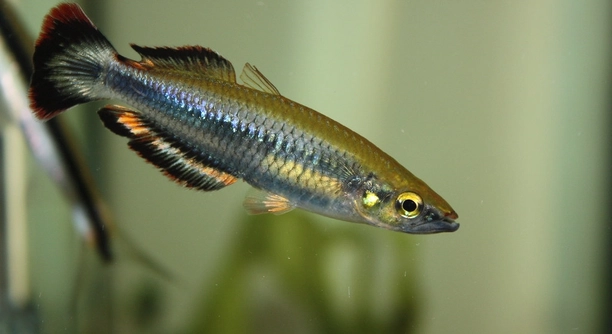
Rainbowfish are popular in home aquariums for their bright colors and peaceful nature. They are generally active eaters, but sometimes they may stop eating for reasons that are not immediately obvious. Observing their behavior carefully is important.
Rainbowfish might refuse to eat due to stress, water quality issues, improper diet, or illness. Ensuring stable water parameters, providing varied food, and monitoring their health can help prevent or address feeding problems in these sensitive fish.
Learning about these common causes can help you support your rainbowfish’s health. Paying attention to subtle changes will make maintaining a thriving aquarium easier.
Stress and Environment
Rainbowfish are sensitive to changes in their surroundings. Sudden shifts in water temperature, lighting, or tank decorations can make them anxious. Even minor disturbances, like moving the tank or adding new fish, can affect their appetite. They thrive in stable conditions with plenty of hiding spots, plants, and moderate water flow. Observing their behavior regularly helps detect stress early, such as hiding, erratic swimming, or loss of color. Maintaining a calm, consistent environment encourages them to eat normally and reduces the risk of illness. Small adjustments, like keeping a regular feeding schedule or ensuring the tank isn’t overcrowded, can make a big difference. Watching how they interact with their tank and each other is key to keeping them comfortable.
Stress is a major factor in rainbowfish refusing food. Even subtle changes can make them eat less or stop altogether.
Keeping the tank consistent, monitoring water quality, and providing enrichment is essential. Gentle handling, stable companions, and avoiding sudden changes support their appetite. Over time, a well-kept environment leads to healthier, more active fish.
Water Quality and Diet
Poor water quality directly affects rainbowfish appetite. Ammonia, nitrite, or nitrate spikes can make them feel unwell and refuse food.
Rainbowfish need a balanced diet, including flakes, pellets, and live or frozen foods. Providing variety ensures they get the nutrients required for growth, color, and energy. Avoid overfeeding, as uneaten food can quickly pollute the tank. Testing water regularly for pH, hardness, and chemicals helps maintain ideal conditions. Sudden changes in diet can also cause refusal; introducing new foods gradually is better. Paying attention to each fish’s behavior during feeding gives clues about health and preferences. Maintaining cleanliness, proper filtration, and a consistent feeding routine helps reduce stress and encourages eating. Ensuring a mix of plant-based and protein-rich foods caters to their natural feeding habits, keeping them active and colorful. Regular observation and small adjustments can make a noticeable difference in their eating habits.
Illness and Health Issues
Illness can make rainbowfish stop eating. Common problems include parasites, bacterial infections, or internal issues that affect digestion. Early detection is important to prevent serious health decline.
Observing changes in behavior and appearance helps identify illness. Symptoms like clamped fins, faded colors, lethargy, or unusual swimming patterns often indicate a problem. Quarantining affected fish and consulting a veterinarian or experienced aquarist can prevent disease from spreading. Treatment may involve medicated food, water treatments, or adjusting diet. Keeping tanks clean and maintaining stable water conditions reduces the chance of sickness. Regular monitoring and preventive care make a significant difference in overall fish health and appetite.
Providing supportive care during illness can help rainbowfish recover faster. Ensuring clean water, proper nutrition, and minimal stress creates conditions where their immune system can function effectively. Paying attention to even minor symptoms allows timely interventions, which often prevent severe complications.
Tank Mates and Social Behavior
Aggressive or incompatible tank mates can reduce feeding in rainbowfish. Stress from bullying or competition discourages them from eating.
Rainbowfish are social and prefer calm, compatible groups. Aggressive fish or overcrowded tanks can make them hide or avoid food. Choosing peaceful companions and maintaining proper numbers per tank encourages regular feeding and healthy interactions. Monitoring their behavior during feeding times helps identify conflicts early. Providing plenty of hiding spots and visual barriers reduces stress. Understanding each fish’s temperament and group dynamics ensures a harmonious environment. Adjusting tank setup or separating aggressive fish often restores appetite and normal social behavior. Maintaining balanced stocking levels and observing interactions is crucial for their overall well-being.
Seasonal and Environmental Changes
Rainbowfish may eat less during seasonal changes or shifts in temperature. Cooler water or altered light cycles can slow their metabolism temporarily.
Adjusting tank conditions gradually and maintaining consistent temperature helps them adapt. Sudden changes can cause stress and lead to feeding refusal.
Breeding and Reproductive Behavior
During breeding periods, rainbowfish may reduce food intake. Energy is redirected to courtship, egg-laying, or caring for fry. Males often focus on displaying colors and performing mating behaviors, while females may become selective with food. Providing a separate breeding tank or additional hiding spots reduces stress and allows normal feeding for non-breeding fish. Even in breeding conditions, maintaining water quality and offering high-quality food supports their health. Observing their behavior carefully during this time ensures that they do not lose too much weight or become weakened. Gradual dietary adjustments and minimal disturbance help them remain healthy through reproductive cycles.
Feeding Schedule Adjustments
Changing the feeding routine or timing can help encourage rainbowfish to eat regularly.
FAQ
Why has my rainbowfish stopped eating suddenly?
A sudden refusal to eat is often linked to stress, poor water quality, illness, or recent changes in the tank. Even minor changes like new decorations, water temperature shifts, or adding new fish can trigger this behavior. Observing your rainbowfish closely for other symptoms helps identify the cause.
How can I tell if my rainbowfish is stressed?
Stress in rainbowfish can show as clamped fins, faded colors, hiding frequently, or erratic swimming. Some may dart around the tank nervously or avoid other fish. Regularly monitoring behavior and maintaining a calm, consistent environment reduces stress and encourages normal feeding.
What water parameters are best for rainbowfish?
Rainbowfish prefer clean, well-oxygenated water with stable temperature between 74–82°F (23–28°C). A pH of 6.5–7.5 and moderate hardness support their health. Regular water testing for ammonia, nitrites, and nitrates is essential to prevent appetite loss and illness.
Can diet affect whether rainbowfish eat?
Yes, a lack of variety or sudden dietary changes can cause rainbowfish to refuse food. They thrive on a mix of high-quality flakes, pellets, and live or frozen foods. Gradually introducing new food types helps them adjust without stress.
Do tank mates influence feeding behavior?
Aggressive or overly active fish can intimidate rainbowfish and prevent them from eating. Peaceful, compatible companions and sufficient space reduce competition for food. Observing feeding times can help identify if aggression or bullying is affecting appetite.
Could illness be causing my fish to stop eating?
Illnesses like parasites, bacterial infections, or internal issues often reduce appetite. Look for faded colors, clamped fins, abnormal swimming, or weight loss. Prompt action, such as isolation and appropriate treatment, improves recovery chances and prevents disease spread.
How can I encourage a picky rainbowfish to eat?
Offering a variety of foods, feeding smaller portions more often, and maintaining a calm tank environment helps picky eaters. Sometimes live or frozen foods are more appealing than flakes or pellets. Observing individual preferences is key to finding what works best.
Does temperature affect appetite in rainbowfish?
Yes, lower water temperatures can slow metabolism, reducing food intake. Sudden temperature fluctuations can also stress them. Keeping water within their preferred range and using a reliable heater helps maintain consistent feeding habits.
How long can a rainbowfish survive without food?
Rainbowfish can survive several days without eating, but extended periods can weaken their immune system and lead to illness. Monitoring closely and addressing underlying issues promptly prevents long-term health problems.
Is it normal for rainbowfish to eat less during breeding?
During breeding, rainbowfish often reduce their food intake as energy goes into courtship and egg-laying. Providing extra hiding spots, maintaining water quality, and ensuring high-quality food supports their health during this period.
What should I do if my rainbowfish refuses all food?
First, check water quality, temperature, and tank conditions. Observe for signs of illness or stress. Isolate sick fish if necessary and offer a variety of foods. Consulting a veterinarian or experienced aquarist can help address persistent feeding problems and ensure the fish’s health.
Can seasonal changes affect feeding?
Yes, changes in light, temperature, or environment can temporarily slow metabolism, leading to reduced appetite. Gradual adjustments and maintaining stable tank conditions help rainbowfish adapt without affecting long-term feeding behavior.
Are there foods rainbowfish will always avoid?
Rainbowfish generally accept flakes, pellets, live, or frozen foods. However, overly processed or unsuitable foods may be rejected. Offering a varied diet tailored to their nutritional needs ensures they remain healthy and maintain normal feeding habits.
How often should I feed rainbowfish?
Feeding small portions two to three times a day works well. Overfeeding can pollute the tank and reduce appetite, while underfeeding can lead to malnutrition. Observing how quickly food is eaten helps adjust portions appropriately.
What signs show my rainbowfish is recovering its appetite?
Signs of improvement include returning colors, active swimming, and readily accepting food again. Consistent feeding behavior indicates that stress or illness has been addressed and the fish is healthy.
Rainbowfish are generally lively and colorful additions to a home aquarium, but their occasional refusal to eat can be concerning. Understanding the common reasons behind this behavior helps maintain their health and well-being. Stress, environmental changes, water quality, illness, diet, and tank mates all play a role in their appetite. Paying attention to these factors and making small adjustments can often resolve feeding issues without causing long-term problems. Watching your rainbowfish closely and noting any behavioral or physical changes is essential for early detection and intervention.
Maintaining a stable environment is one of the most important steps in supporting healthy feeding habits. Sudden changes in temperature, lighting, or tank layout can make rainbowfish anxious and reduce their willingness to eat. Proper water parameters, such as temperature, pH, and cleanliness, directly influence their appetite and overall health. Providing a balanced diet with varied food types ensures they get the nutrients needed for growth, energy, and vibrant colors. Observing individual preferences and gradually introducing new foods helps prevent stress and encourages regular feeding. Overcrowding or incompatible tank mates can also interfere with eating, so careful planning of tank composition is necessary.
Even during breeding periods or seasonal changes, rainbowfish may temporarily reduce their food intake. These situations are usually natural and short-term, but consistent observation remains important. Illnesses, whether internal or external, require prompt attention to prevent more serious health problems. By monitoring behavior, adjusting feeding routines, and maintaining a calm and clean environment, rainbowfish can regain normal feeding patterns quickly. Regular care, attention, and small interventions can make a significant difference in their health, ensuring that they remain active, colorful, and thriving in your aquarium for years to come.

Hello,
If you enjoy the content that we create, please consider saying a "Thank You!" by leaving a tip.
Every little bit helps us continue crafting quality advice that supports the health, happiness, and well-being of pets around the world, for pets of all shapes, sizes, and species.
We really appreciate the kindness and support that you show us!