
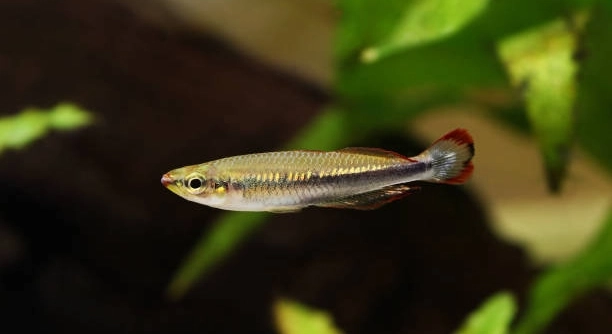
Rainbowfish are small, colorful freshwater fish that bring life to any aquarium. Many fish owners enjoy decorating their tanks with toys or moving ornaments to make the environment more engaging for their pets.
Rainbowfish generally do not require toys, but they may show interest in moving decor. They respond more to changes in their environment, such as water flow and reflections, rather than stationary objects or artificial play items.
Observing their behavior around different decorations can help you create a more stimulating and comfortable tank for your rainbowfish.
Understanding Rainbowfish Behavior
Rainbowfish are naturally active and social creatures. They tend to swim in groups, exploring their surroundings and responding to movement. Their bright colors can become more vivid when they are healthy and comfortable. While toys may catch their attention momentarily, their interest usually focuses on reflections, shadows, or changes in water movement. Small ornaments that create hiding spots or encourage swimming can make the tank more engaging. Overcrowding or overly flashy decorations can stress them out, so it’s important to balance stimulation with open swimming space. Observing their daily patterns can help you notice subtle signs of curiosity or stress. Some rainbowfish may follow floating objects briefly, but they generally do not interact with toys like other pets might. Understanding their preferences helps maintain a peaceful, healthy aquarium.
Rainbowfish mainly interact with their environment through swimming and exploring rather than playing with toys or static decorations.
Keeping plants, gentle currents, and varied surfaces provides mental stimulation and encourages natural behavior, which improves overall health and coloration in the tank.
Choosing the Right Decorations
Choosing decorations for a rainbowfish tank should prioritize safety and comfort. Smooth, non-toxic ornaments, natural plants, and open swimming areas work best. Avoid sharp edges or small objects that can be swallowed.
Decorations that move slightly with water currents, such as floating plants or lightweight ornaments, can keep rainbowfish interested without overwhelming them. Too many bright or reflective items may cause stress or hide natural behaviors. Live plants not only provide hiding spaces but also improve water quality, which is crucial for these sensitive fish. Rock formations or driftwood can create layers in the tank, allowing fish to explore different depths. Maintaining a consistent layout helps rainbowfish feel secure, but occasional subtle changes in placement can encourage exploration. Observing their reactions over time can guide which decorations are most effective. Overall, a simple, well-planned setup supports both their physical and mental well-being while keeping the tank visually appealing.
Interaction with Moving Objects
Rainbowfish often notice movement in their tank, whether from water flow or floating decor. They may swim around these objects, showing curiosity, but usually do not interact in a playful way like some other fish species. Their focus is on exploration and environmental changes.
Moving objects can create visual stimulation that encourages swimming and natural behaviors. Floating plants, light reflections, or ornaments that shift slightly with the current can hold their attention longer than static toys. Rainbowfish may follow these objects briefly or inspect them while maintaining their normal social interactions within the school. Overly fast-moving items can cause stress, so gentle motion is preferable. Observing their responses can help identify which decorations enhance activity without disturbing their routine. The key is subtlety, keeping the environment interesting yet calm.
Incorporating motion in the tank requires balance. Too much activity may overwhelm rainbowfish, while subtle changes can make them more active. Gentle currents, drifting leaves, or lightweight ornaments provide safe stimulation. Avoid forcing interaction, as rainbowfish are sensitive and can react negatively to sudden, unpredictable movement. Ensuring hiding spots and open swimming areas alongside moving objects helps them feel secure. This approach allows them to engage naturally, showing curiosity without unnecessary stress. Maintaining consistent water conditions alongside gentle stimulation supports their health, coloration, and social behavior, making a harmonious environment.
Choosing Toys and Ornaments
Toys are generally not essential for rainbowfish, but certain ornaments can enhance their habitat. Focus on safe, smooth, and appropriately sized items that do not overcrowd the tank or obstruct swimming paths.
Natural plants, driftwood, and rocks are ideal for creating layers and hiding spots while maintaining open areas for movement. Lightweight objects that shift slightly with water flow can add subtle stimulation without causing stress. Avoid bright, reflective, or flashing decorations, as rainbowfish can become stressed by excessive visual stimuli. Observing their reactions over time helps determine which items provide interest and comfort. The arrangement should encourage exploration but allow the fish to maintain normal schooling behavior. Variety is helpful, but simplicity ensures their well-being.
Decorations should support natural behaviors and reduce stress while keeping the tank engaging. Plants and driftwood offer shelter and resting areas, while subtle movement from floating objects keeps the fish active. Carefully spacing ornaments allows rainbowfish to swim freely, preserving their social interactions and territory. Avoid overcrowding or placing items in ways that block swimming lanes. Regularly monitor water quality, as live plants and natural decor help maintain balance. Minor changes in decoration placement can refresh their environment, but avoid drastic modifications that might confuse or stress the fish. Properly chosen decor ensures a healthy, stimulating, and visually pleasing aquarium.
Comfort and Hiding Spots
Rainbowfish feel more secure when there are places to hide. Plants, rocks, and driftwood provide shelter where they can retreat when feeling stressed or overwhelmed.
Hiding spots also reduce aggression within the school. Proper spacing and natural decor help maintain harmony, letting each fish establish personal space without constant conflict.
Observing Fish Reactions
Watching rainbowfish interact with their environment helps determine what decorations they prefer. Their curiosity is subtle and can be seen in slow swimming or brief inspections of new items. Adjusting decorations based on these behaviors ensures the tank remains stimulating yet safe.
Avoiding Overstimulation
Too many toys or flashy decor can overwhelm rainbowfish. Minimal and thoughtful placement is key to keeping the tank comfortable and stress-free.
FAQ
Do rainbowfish need toys in their tank?
Rainbowfish do not require toys to thrive. They are more interested in changes in their environment, swimming patterns, and reflections than in objects designed for play. Simple decorations like plants, rocks, and driftwood provide interest without overwhelming them. Toys are optional and usually do not stimulate natural behaviors.
Can rainbowfish interact with moving decor?
Yes, they notice moving items like floating plants or lightweight ornaments that drift with the water current. They may follow these objects briefly or inspect them, but their interest is observational rather than playful. Subtle movement encourages natural exploration without causing stress.
What types of decorations are best for rainbowfish?
Smooth, non-toxic items are safest. Live plants, driftwood, and rocks are ideal because they create hiding spaces and layers for swimming. Open areas should remain for free movement, and lightweight decorations can gently move with the current, keeping the tank engaging. Avoid sharp, reflective, or flashing items.
How do I know if my rainbowfish likes a decoration?
Signs include spending more time near an object, swimming around it curiously, or briefly following it in the water. Fish that ignore decorations or hide excessively may find certain items stressful. Observing their behavior over time helps determine which setups are most comfortable.
Is it okay to change decorations frequently?
Minor adjustments are fine, but drastic or constant changes can stress rainbowfish. Subtle shifts in plant placement or ornament location can encourage exploration. It is better to maintain a consistent layout while occasionally introducing small changes to keep the environment stimulating.
Do rainbowfish need hiding spots?
Yes, hiding spots are essential for their sense of security. Plants, rocks, and driftwood allow them to retreat when stressed or during aggressive interactions within the school. Properly spaced shelters help maintain harmony and reduce tension among fish.
Can rainbowfish become stressed by too much decor?
Overcrowding or flashy decorations can overwhelm rainbowfish. They prefer simplicity and open swimming areas. Too many bright or reflective items may cause avoidance behavior or hide natural activity, so careful placement is necessary.
Are live plants better than artificial ones?
Live plants have multiple benefits. They provide hiding spots, improve water quality, and add natural movement in the water. While artificial plants are visually appealing, they do not support water balance and may not engage rainbowfish as effectively as live plants.
Do rainbowfish follow moving objects for fun?
Following moving objects is not necessarily “play.” Rainbowfish respond to motion and reflections, which mimic natural stimuli in the wild. Gentle currents, floating leaves, or drifting decor encourage exploration without forcing interaction or stress.
How can I balance stimulation and comfort in the tank?
Provide open swimming space alongside safe hiding spots. Use a few subtle, moving decorations to maintain interest, and avoid overcrowding. Regularly observe their behavior, and adjust as needed. A balanced tank ensures healthy activity, social interactions, and a stress-free environment.
Can too many toys affect coloration or health?
Excessive or inappropriate items can increase stress, which may dull rainbowfish coloration and affect appetite. Maintaining a calm, simple environment with selective, safe decorations helps preserve their natural vibrancy and overall health.
Should I monitor interactions with new items?
Absolutely. Introduce decorations gradually and watch how the fish respond. Signs of stress, like hiding or erratic swimming, indicate the need for adjustment. Observing interactions ensures that the tank remains stimulating but safe.
Do rainbowfish play with floating toys like other pets?
No, rainbowfish rarely engage in play like mammals or some other fish species. Their interest is primarily environmental, focused on exploration, reflections, and gentle movement. Toys designed for interaction generally have little impact on their behavior.
How often should I rearrange the tank?
Occasional minor changes can encourage exploration, but major rearrangements should be avoided. Consistency is important for their comfort. Small adjustments to plant or ornament placement are sufficient to keep the tank interesting without causing unnecessary stress.
Can stress from decor affect breeding?
Yes, stress from overcrowded, overly bright, or constantly changing decorations can impact breeding. Providing a calm, open environment with adequate hiding spots encourages natural behaviors and supports reproductive activity.
What are subtle ways to enrich a rainbowfish tank?
Introduce gentle currents, floating plants, or lightweight ornaments that shift slightly. Ensure varied swimming depths and maintain clean water. These subtle enrichments stimulate natural behavior without overwhelming the fish.
Is it better to focus on movement or color in decorations?
Movement is more important than bright colors. Rainbowfish respond to reflections, gentle drifting, and changing environments. Bright or flashy items may cause stress, while subtle movement encourages natural curiosity and exploration.
How can I tell if my tank setup is successful?
Healthy rainbowfish swim actively, display vibrant colors, and interact naturally within their school. They inspect decorations without signs of stress and utilize hiding spots appropriately. A successful setup balances stimulation, safety, and open swimming space.
Are there specific items rainbowfish ignore completely?
Stationary toys or decorations that do not move with the water current are often ignored. Rainbowfish respond best to subtle motion or environmental changes, rather than objects designed for play, which may have little to no impact on their behavior.
What should I do if a decoration causes stress?
Remove the item immediately and observe the fish for improvement. Replace it with a safer, simpler alternative. Consistently monitoring reactions helps maintain a calm, engaging, and healthy tank environment for rainbowfish.
How long does it take for rainbowfish to adjust to new decorations?
Adjustment usually occurs within a few hours to a couple of days. Fish will gradually explore new items if they feel safe. Rapid introduction or excessive changes can slow adaptation and increase stress levels.
Can moving decor substitute for toys completely?
Yes, gentle moving decor can provide enough stimulation for rainbowfish. Toys are not necessary; items that create motion or subtle environmental changes encourage exploration and engagement, fulfilling the need for interaction without forcing artificial play.
Is minimal decoration better than a fully decorated tank?
A minimal approach is usually best. Open swimming space combined with a few safe, subtle decorations supports natural behavior, reduces stress, and allows rainbowfish to interact socially while exploring their environment.
Do rainbowfish interact differently with artificial versus natural decor?
They may explore both types, but live plants often encourage more natural behaviors due to subtle movement, shelter, and water benefits. Artificial items can provide visual interest but may not stimulate curiosity as effectively as natural decorations.
How should I observe their interest in decorations?
Watch for swimming patterns, time spent near objects, and brief inspection behavior. Fish that avoid areas or hide constantly may find certain items stressful, while active exploration indicates comfort and engagement.
Can a poorly decorated tank cause aggression?
Yes, lack of hiding spots or overcrowding can increase tension among rainbowfish. Proper spacing, layered decorations, and sufficient open swimming areas reduce stress and promote harmonious schooling behavior.
How can I maintain long-term interest in the tank?
Introduce subtle changes occasionally, ensure water quality, and provide a balance of open spaces and gentle decorations. Observing fish behavior and making small adjustments keeps the environment stimulating without causing unnecessary stress.
Are all rainbowfish species the same in their response to decor?
Responses may vary slightly among species, but most rainbowfish prioritize environmental changes and movement over toys. Observing specific behaviors is important for tailoring a tank to each group’s preferences.
Can reflections in the glass act as a substitute for toys?
Yes, reflections and light patterns often capture attention more effectively than stationary objects. Rainbowfish are drawn to subtle visual stimuli and will investigate these natural changes without requiring interactive toys.
Do rainbowfish need mental stimulation like other pets?
They benefit from environmental enrichment but do not require toys for mental exercise. Subtle movement, hiding spots, and gentle currents provide sufficient stimulation for healthy development and natural behavior.
Should I combine plants and ornaments or stick to one type?
Combining both can be effective if carefully arranged. Plants provide shelter and water benefits, while lightweight ornaments create visual interest. The key is to avoid clutter and maintain open swimming space to prevent stress.
What is the simplest way to enrich a rainbowfish tank?
Add a few safe plants, a couple of smooth rocks or driftwood, and maintain gentle water movement. This minimal setup encourages exploration and natural activity without overwhelming the fish.
How can I ensure new decorations are safe?
Use non-toxic, smooth materials without sharp edges or small parts. Observe reactions after introduction, and remove items that cause stress. Safe selection and careful placement prevent injury and promote comfort.
Are toys ever harmful to rainbowfish?
Toys themselves are rarely harmful, but they can cause stress if brightly colored, reflective, or overcrowding the tank. Focus on subtle environmental changes rather than interactive play items for the best outcome.
Do rainbowfish prefer certain shapes or textures?
Smooth, natural textures like rocks and driftwood are preferred. Sharp or unusual shapes may cause avoidance or stress. Fish respond more to environmental function than aesthetics.
Can rainbowfish play with floating objects?
Floating objects may attract attention briefly, but rainbowfish do not engage in play. Their interaction is limited to inspection and following movement, which fulfills their natural curiosity.
How do I introduce moving decor safely?
Place lightweight items that shift gently with water currents. Avoid fast-moving or heavy objects, and monitor fish responses to ensure they are comfortable with the new addition.
Can decor influence schooling behavior?
Yes, providing adequate open space along with scattered hiding spots helps maintain proper social dynamics. Overcrowding or poorly placed items can disrupt schooling and increase stress.
Is it okay to use reflective surfaces in the tank?
Subtle reflections are fine and can stimulate curiosity. Avoid overly shiny or mirrored objects, which may cause confusion or stress.
How much time do rainbowfish spend interacting with decorations?
Typically, interactions are brief. They explore new items but spend most of their time swimming, socializing, or inspecting subtle environmental changes rather than engaging with objects constantly.
What should I do if a fish ignores a decoration completely?
Do not force interaction. Leave it in the tank for occasional inspection, but focus on items that encourage natural behaviors. Ignored objects are generally harmless if they do not obstruct swimming.
Can moving water alone replace the need for decor?
Gentle currents and water flow provide stimulation, but a few simple ornaments or plants enhance the environment further. Both elements together create a balanced, engaging habitat.
Do rainbowfish ever rearrange objects themselves?
No, they do not move decorations intentionally. Any changes they cause are accidental while exploring, unlike some other fish species that manipulate their environment.
Is it necessary to rotate decorations regularly?
Frequent rotation is unnecessary. Minor changes can stimulate curiosity, but constant rearrangement may increase stress and confusion. Consistency with subtle updates works best.
How do I balance aesthetics and fish comfort?
Choose natural-looking decorations that provide function over appearance. Ensure open space, safe hiding spots, and gentle movement to create an attractive yet comfortable habitat.
Can stress from poor decoration affect lifespan?
Chronic stress from overcrowding, bright items, or lack of shelter can impact health, appetite, and immune function, potentially reducing lifespan. Proper setup ensures long-term well-being.
Should I remove old decorations over time?
Only if they no longer serve a purpose, are unsafe, or disrupt swimming. Gradual removal or replacement is better than sudden changes, which can stress rainbowfish.
Do rainbowfish prefer dense or sparse tank setups?
They prefer a balanced setup with open swimming space and scattered hiding spots. Dense decorations may create stress, while sparse tanks without shelter reduce security.
Can reflections from room lighting stimulate rainbowfish?
Yes, soft reflections can attract attention. Avoid harsh or flashing lights, as these may cause stress rather than healthy curiosity.
Is it okay to introduce multiple new decorations at once?
Introduce one or two items at a time. Multiple new objects may overwhelm rainbowfish and cause avoidance or hiding, making adaptation slower.
Do rainbowfish respond to colors in decorations?
They notice colors but are more stimulated by movement and changes in the environment. Bright or flashy colors may cause stress rather than engagement.
How can I tell if my rainbowfish are stressed by decor?
Signs include hiding excessively, erratic swimming, loss of appetite, or fading coloration. Observing these behaviors helps identify problem decorations or setup issues.
What are the safest materials for decorations?
Smooth rocks, driftwood, ceramic ornaments labeled safe for aquariums, and non-toxic plastics are ideal. Avoid sharp, painted, or reactive materials that could harm fish.
Can subtle water movement mimic natural stimulation?
Yes, gentle currents create environmental variation, encourage swimming, and satisfy natural instincts, making the tank more engaging without added objects.
Do rainbowfish interact more with vertical or horizontal objects?
They explore both but often investigate vertical structures like plants or driftwood more. These provide shelter and create interesting swimming paths.
Is it necessary to remove uneaten food near decorations?
Yes, leftover food can accumulate around ornaments, causing water quality issues. Regular cleaning ensures a safe, healthy environment.
Can mirror-like objects cause stress?
Yes, strong reflections may confuse or agitate rainbowfish. Subtle reflective surfaces are acceptable, but avoid mirrors or highly shiny materials.
Do rainbowfish prefer live plants over fake plants?
Live plants provide movement, hiding spots, and water benefits. Fake plants are visually appealing but lack environmental enrichment, making them less engaging.
How can I encourage exploration without toys?
Vary plant heights, provide gentle currents, and include scattered rocks or driftwood. These changes stimulate curiosity while maintaining safety and comfort.
Do rainbowfish need different decorations at different life stages?
Young fish benefit from more hiding spaces, while adults require open swimming areas. Adjustments should be subtle, maintaining safety and comfort for all stages.
Can too many hiding spots reduce activity?
Yes, excessive shelters may limit swimming and exploration. Balanced placement ensures security without reducing activity levels.
Should I mix plant types for better engagement?
Variety in plant shapes, heights, and textures encourages exploration while supporting natural behaviors and tank health.
Do rainbowfish prefer dense planting or sparse plants?
Moderate planting works best. Dense plants can restrict swimming, while sparse setups may lack hiding options. Balance ensures comfort and activity.
How long should new decorations stay before observing effects?
Observe over several days. Initial curiosity may fade, but stress or avoidance behaviors become apparent within a short period, guiding future adjustments.
Can floating leaves be used instead of toys?
Yes, floating leaves mimic natural stimuli, offering gentle movement and hiding spots, providing engagement without artificial toys.
Are ornaments necessary for breeding?
Not always. Hiding spots and calm environments are more important than toys. Safe, natural decor can support breeding success effectively.
Do rainbowfish interact differently with large vs. small decorations?
Large items provide shelter but must not block swimming paths. Small items are mainly for inspection. Both can be useful if carefully placed.
Can decorations influence aggression levels?
Yes, proper hiding spots reduce competition and stress. Poorly placed or excessive items can increase conflict within the school.
Do rainbowfish respond to sound near decorations?
They rely more on visual cues than sound. Movement and environmental changes are more likely to attract attention than noises near the tank.
Is it necessary to remove all toys after introduction?
Not if they are safe and unobtrusive. Only remove items that cause stress, block swimming, or interfere with natural behavior.
Can rainbowfish rearrange plants or ornaments?
No, they do not intentionally move items. Any displacement is accidental during exploration.
Do rainbowfish prefer open water over decorated areas?
Yes, open swimming space is essential. Decorations should complement, not dominate, the tank layout to maintain comfort and activity.
Can decorations impact feeding behavior?
Yes, cluttered or stressful setups may reduce appetite. Simple, balanced arrangements encourage normal feeding and healthy growth.
Is it okay to combine live and artificial decor?
Yes, as long as the tank remains safe and spacious. Live plants provide benefits, while artificial items add variety without overstimulation.
Do rainbowfish enjoy mirrors or reflections?
Subtle reflections can attract attention briefly, but mirrors or exaggerated reflections may cause stress rather than engagement.
How often should I check reactions to new decor?
Observe daily for the first few days, noting changes in swimming, hiding, or color. Adjust as necessary to ensure comfort.
Can moving decor reduce boredom in rainbowfish?
Yes, gentle movement encourages exploration and mental engagement. However, they do not play in the same way mammals do.
Are there decorations to avoid completely?
Avoid sharp, toxic, highly reflective, or oversized items that block swimming or create stress. Prioritize safety and subtle stimulation.
Do rainbowfish prefer natural or synthetic substrates?
Natural substrates often encourage natural behavior and exploration, while synthetic substrates are primarily aesthetic. Both can be suitable if safe and non-abrasive.
How do I know if a decoration is beneficial long-term?
Consistent interest, normal behavior, and stress-free interaction indicate benefits. Ignored or avoided items may be unnecessary or counterproductive.
Can decorations help with color enhancement?
Indirectly. A calm, stress-free environment with natural decor and proper lighting supports vibrant coloration and healthy development.
Do rainbowfish need toys to stay active?
No, they remain active through swimming, exploration, and environmental changes. Toys are not essential for maintaining activity levels.
Are lightweight ornaments better than heavy ones?
Yes, they move gently with water flow, stimulating natural curiosity safely. Heavy ornaments can pose risks or restrict swimming.
Can stress from decor lead to disease?
Chronic stress weakens immunity, making fish more susceptible to illness. Balanced, safe decorations help prevent stress-related health issues.
Do rainbowfish respond differently to textures?
Smooth, natural textures like rocks and wood are preferred. Sharp or artificial surfaces may cause avoidance or discomfort.
Should decorations be arranged symmetrically?
Symmetry is not necessary. Function and safety matter more than aesthetics. Even, accessible hiding spots and open swimming areas are ideal.
Can subtle water movement mimic a natural environment?
Yes, gentle currents replicate natural habitats and encourage active exploration, fulfilling environmental enrichment needs without toys.
Do rainbowfish interact more with vertical or horizontal items?
Vertical items like plants or driftwood attract attention more often, providing shelter and swimming variation. Horizontal surfaces are less engaging but still useful.
Can overcrowding reduce interest in decorations?
Yes, too many fish or items can stress rainbowfish, decreasing interaction with their environment and increasing conflict within the school.
Do rainbowfish prefer floating or grounded objects?
Both can be beneficial. Floating items add gentle movement, while grounded decorations offer shelter and vertical structure for exploration.
Can live plants improve mental stimulation more than toys?
Yes,
Rainbowfish are colorful, active, and social fish that thrive in tanks where their basic needs are met. They do not require toys for entertainment, but a carefully arranged environment can help them feel comfortable and encourage natural behaviors. Simple decorations, such as smooth rocks, driftwood, and live plants, provide areas for hiding, resting, and exploring. Open swimming space is just as important as the objects in the tank because rainbowfish are schooling fish that need room to move freely. Too many decorations or items with sharp edges can create stress, while a balanced setup supports their health, coloration, and overall well-being. Observing your fish and understanding how they interact with the environment is key to creating a tank that is both functional and visually appealing.
Moving objects, like floating plants or lightweight ornaments that drift with the water current, can provide subtle stimulation for rainbowfish. They may follow these objects or inspect them briefly, showing curiosity without actively playing like other animals might. Reflections, gentle currents, and minor changes in decoration placement can also maintain their interest and encourage natural swimming behaviors. Overly bright, reflective, or constantly changing items may cause stress, so subtlety is essential. Hiding spots are equally important, allowing rainbowfish to retreat when they feel threatened or need privacy. A well-balanced tank will combine areas for exploration with safe spaces for retreat, supporting a peaceful social structure among the fish. Monitoring their reactions over time ensures the setup is both safe and engaging.
Maintaining a rainbowfish tank requires attention to both decoration and overall environment. Live plants not only provide hiding spots and gentle movement but also improve water quality, which is crucial for sensitive species like rainbowfish. Lightweight, smooth ornaments can add interest without overcrowding the tank, while open swimming space allows schooling behavior to continue unhindered. It is important to introduce new decorations gradually, observing how the fish respond and removing any items that seem to cause stress. Over time, this approach helps create a stable, stimulating environment that supports natural behavior, healthy growth, and vibrant coloration. By focusing on subtle movement, safe hiding spots, and open swimming areas, you can maintain a harmonious and engaging aquarium that keeps rainbowfish active, comfortable, and visually striking.

Hello,
If you enjoy the content that we create, please consider saying a "Thank You!" by leaving a tip.
Every little bit helps us continue crafting quality advice that supports the health, happiness, and well-being of pets around the world, for pets of all shapes, sizes, and species.
We really appreciate the kindness and support that you show us!