
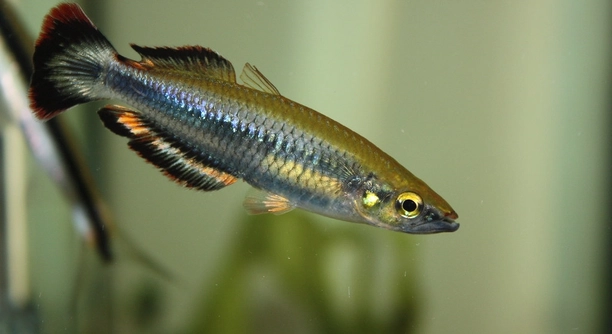
Rainbowfish are lively and colorful fish that brighten up any aquarium. Many fish owners enjoy adding new plants, but rainbowfish sometimes avoid them. Their cautious nature can make introducing new greenery a slow process.
Rainbowfish may avoid new plants due to unfamiliarity and perceived risk. Sudden changes in their environment can trigger cautious behavior, causing them to stay near familiar areas until they gradually assess the safety and comfort of new additions.
Learning why rainbowfish react this way can help aquarists create a calmer, more welcoming tank. Understanding these behaviors improves both fish well-being and plant integration in aquariums.
Understanding Rainbowfish Behavior
Rainbowfish are naturally cautious, especially in changing environments. When new plants are added to a tank, their bright colors and movement can make them hesitant. They rely on familiar surroundings for safety, and any sudden changes can trigger stress. Observing their habits closely helps identify patterns in their behavior. Some rainbowfish may swim around new plants without approaching them for days. Others may inspect the leaves briefly but return to familiar areas. Their avoidance is not a sign of illness but a natural protective instinct. Over time, as they become accustomed to the presence and smell of new plants, they usually start exploring more confidently. Tank size, water quality, and the placement of plants also influence their willingness to interact. Providing hiding spaces and gently introducing plants in stages can ease their adjustment. Patience and careful observation are key to helping rainbowfish accept new additions.
Gradual introduction allows rainbowfish to feel secure, reducing stress and encouraging interaction with new plants more naturally over time.
Rainbowfish also respond to environmental cues. Bright lighting, strong currents, or nearby tank mates can increase their wariness. Adding plants near their usual hiding spots allows them to explore without feeling exposed. Observing which types of plants attract them more can help tailor tank design. Some plants with softer leaves are less intimidating, while dense or tall plants may seem threatening at first. By watching their reactions carefully, you can adjust placement and introduce changes in small increments. Over several days, rainbowfish typically begin venturing closer, eventually swimming among the new plants. This adjustment improves their comfort level and enriches their environment, creating a healthier and more engaging tank. Understanding their cautious nature ensures smoother plant introductions and reduces stress-related behaviors, benefiting both the fish and the tank ecosystem.
Tips for Introducing New Plants
Start small with one plant at a time. Position it near familiar areas so rainbowfish can inspect safely.
Introduce plants gradually, keeping water conditions stable. Observing their behavior helps identify stress signals, ensuring new additions are accepted without disruption. Placing plants near existing hiding spots reduces anxiety and encourages exploration. Avoid sudden rearrangements of the tank, as rainbowfish prefer stability. Some may explore immediately, while others take days. Using plants with soft textures and less movement can make the transition easier. Regular observation allows you to note preferences, helping future plant selections. Lighting and gentle water flow also affect comfort, so make adjustments slowly. A calm approach supports natural behavior and improves plant integration. Over time, rainbowfish become more confident and start interacting with all parts of the tank, creating a balanced and engaging environment. Patience and careful monitoring are essential for successful plant introductions, ensuring both fish well-being and a thriving aquarium.
Common Plant Types That Rainbowfish May Avoid
Some plants are more intimidating to rainbowfish than others. Tall, dense plants or those with strong colors can make them hesitant. Soft-leaved, low-growing plants are generally less threatening, allowing fish to explore without stress. Placement and size play key roles in their comfort.
Plants with thick, rigid leaves or unusual textures may trigger avoidance. Rainbowfish often prefer gentle currents and clear sightlines, so plants that block their view or create heavy shade can make them retreat. Fast-growing plants can change the tank quickly, adding stress. Observing which species your fish inspect first helps guide future plant choices. Adjusting lighting or trimming leaves can make intimidating plants more approachable, allowing gradual acclimation.
Introducing plants gradually, even within the same species, helps rainbowfish adjust. Alternating between familiar and new plants allows them to explore safely. Over time, their curiosity usually overcomes initial hesitation, and they begin swimming through previously avoided areas. This staged approach reduces stress, supports natural behavior, and encourages healthier interactions with the environment.
Environmental Factors Affecting Plant Acceptance
Water temperature, pH, and tank flow influence rainbowfish behavior around new plants. Stable, comfortable conditions reduce stress and encourage exploration.
Rainbowfish are sensitive to sudden changes in water quality or temperature. Even small variations can cause hesitation around new plants. Consistent lighting, moderate flow, and proper filtration create a stable environment. Sudden rearrangements or adding multiple plants at once can overwhelm them. Tank size also affects confidence, as crowded spaces make exploration harder. Observing their reactions helps identify stress triggers. Adjusting placement, spacing, and timing ensures smoother acclimation, allowing fish to gradually accept new greenery. Careful attention to environmental stability supports natural behavior and reduces avoidance.
Gradual Plant Introduction
Adding one plant at a time helps rainbowfish adjust without stress. Positioning new plants near familiar areas allows them to explore safely while maintaining comfort.
Observation is key during this process. Noting how quickly they approach or avoid new greenery helps guide future additions and placement strategies.
Using Hiding Spots
Providing extra hiding spots around new plants gives rainbowfish a sense of security. Caves, driftwood, or dense foliage nearby encourages them to explore without fear. Gradual exposure reduces stress and promotes natural behavior while ensuring fish feel safe in their environment.
Observing Fish Behavior
Pay attention to how rainbowfish interact with new plants. Hesitation, circling, or retreating are normal responses, signaling the need for patience.
Regular monitoring allows adjustments in placement, lighting, or plant type. Tracking these behaviors ensures plants are accepted gradually and the tank remains a comfortable, balanced space for your fish.
Adjusting Plant Placement
Moving plants slowly and strategically helps rainbowfish feel more secure. Avoid sudden shifts, which can increase avoidance and stress in the tank.
FAQ
Why do rainbowfish avoid new plants?
Rainbowfish are naturally cautious creatures. They rely on familiar surroundings for safety, so new plants can feel threatening. Their avoidance is a protective instinct, not a sign of illness. Gradual introduction and stable environmental conditions help them feel more comfortable exploring new greenery over time.
How long does it take for rainbowfish to accept new plants?
The adjustment period varies depending on the individual fish and the type of plant. Some rainbowfish may explore a new plant within a few hours, while others may take several days. Consistent water conditions, gentle currents, and strategic placement near familiar areas speed up the process.
Are certain plants more intimidating than others?
Yes. Tall, dense, or brightly colored plants can make rainbowfish hesitant. Plants with rigid leaves or unusual textures are also more likely to trigger avoidance. Soft-leaved, low-growing plants are generally less threatening and encourage exploration. Observing their reactions helps determine which plants are easier to introduce.
Can plant placement affect rainbowfish behavior?
Absolutely. Placing new plants near hiding spots or familiar areas allows rainbowfish to investigate safely. Avoid overcrowding and sudden rearrangements, as these can increase stress. Gradual placement changes over several days help fish adjust without feeling exposed or overwhelmed.
Do water conditions influence plant acceptance?
Yes. Rainbowfish are sensitive to water temperature, pH, and flow. Stable, comfortable conditions reduce stress and encourage exploration. Sudden changes in water quality or lighting can make fish retreat from new plants. Monitoring tank parameters closely ensures smooth acclimation and healthier behavior.
Should I trim or adjust plants if rainbowfish avoid them?
Trimming overly dense leaves or adjusting plant positions can make them less intimidating. Gentle pruning helps maintain visibility and prevents fish from feeling trapped. Softening strong currents around new plants can also encourage rainbowfish to explore gradually.
Is stress common when introducing new plants?
Yes, stress is common but usually temporary. Signs include hiding, circling, or staying near familiar areas. Providing extra hiding spaces and introducing plants slowly minimizes stress, allowing fish to adapt without long-term effects on health.
Can rainbowfish eventually interact with all types of plants?
Most rainbowfish will explore a variety of plants over time. Gradual exposure, consistent conditions, and a calm environment help fish gain confidence. Even initially avoided plants can become part of their regular swimming paths once they feel secure.
Does tank size matter when introducing plants?
Yes, larger tanks provide more room for exploration and reduce stress. Smaller tanks can make new plants feel crowded and intimidating. Ensuring enough open swimming space while adding greenery helps rainbowfish feel safe and encourages interaction with new plants.
How can I tell if my rainbowfish are comfortable around new plants?
Comfortable rainbowfish gradually approach and explore new plants. They may swim among leaves, rest nearby, or inspect without hesitation. Consistent observation of their behavior helps track progress and indicates when further adjustments in placement or tank setup are needed.
What if rainbowfish never explore a particular plant?
Some fish may always avoid certain plants due to texture, color, or placement. In such cases, moving the plant to a less prominent location or replacing it with a more approachable species allows the tank to remain balanced while reducing stress for the fish.
Are there ways to encourage exploration naturally?
Yes. Adding mild currents, placing plants near feeding areas, or arranging gentle hiding spots nearby encourages curiosity. Avoid forcing fish into new areas, as pressure increases stress. Gradual exposure is more effective in promoting natural, confident behavior around plants.
Can tank mates influence plant acceptance?
Yes. Aggressive or overly active tank mates can make rainbowfish more cautious, especially around new plants. Ensuring compatible species and sufficient space reduces stress and allows rainbowfish to explore new greenery without interference or intimidation.
How often should I add new plants to a rainbowfish tank?
Introducing plants too frequently can increase stress. Adding one plant at a time and allowing several days for adjustment ensures fish remain comfortable. Slow, deliberate changes help maintain stable behavior and encourage long-term acceptance of new plants.
Is it necessary to remove avoided plants?
Not always. Many rainbowfish eventually explore avoided plants once they feel secure. Removing plants should be considered only if they cause ongoing stress, block swimming areas, or negatively affect water conditions. Patience and gradual acclimation are often sufficient.
Can lighting changes affect plant acceptance?
Yes. Bright or fluctuating lighting can make rainbowfish more cautious. Introducing new plants under stable, moderate light levels helps fish explore without feeling exposed. Adjusting light gradually improves comfort and reduces hesitation around unfamiliar greenery.
Do rainbowfish prefer certain plant textures?
Rainbowfish usually prefer soft, flexible leaves that are easy to swim around. Rigid or rough-textured plants may appear threatening. Observing preferences helps guide future plant selection and placement, ensuring a balanced and comfortable environment.
How do I know if plant avoidance is normal or a health issue?
Avoidance alone is usually normal. Watch for other signs like lethargy, loss of appetite, or unusual swimming patterns. If these occur alongside plant avoidance, it may indicate stress or illness, and further attention to water conditions and health checks is needed.
Can seasonal changes affect plant acceptance?
Yes. Temperature fluctuations or seasonal light changes can make rainbowfish more cautious. Maintaining stable conditions, regardless of season, reduces hesitation and ensures fish remain comfortable exploring new plants throughout the year.
Is it beneficial to rearrange plants periodically?
Minimal rearrangement is helpful if done gradually. Sudden changes increase stress, but gentle adjustments can encourage exploration and prevent boredom. Balancing familiarity with gradual novelty promotes healthy behavior and maintains an engaging tank environment.
Final Thoughts
Introducing new plants to a rainbowfish tank can be a delicate process. Rainbowfish are naturally cautious, and sudden changes in their environment can make them hesitant or avoidant. Their avoidance of unfamiliar plants is a normal behavior, rooted in instinct. Unlike aggressive or territorial fish, rainbowfish are more likely to retreat when confronted with something new. This behavior is not a sign of illness or poor care, but rather a protective mechanism that helps them feel secure. Understanding this instinct is the first step toward creating a calm and welcoming environment where new plants can be successfully integrated. Observing how your fish respond to different plant types and placements provides valuable insight into their comfort levels.
The type of plant, its size, and placement are all important factors. Rainbowfish often respond better to soft-leaved, low-growing plants than to tall, dense, or brightly colored plants. Placing new greenery near familiar hiding spots can make it easier for them to explore without stress. Gradual introduction is key: adding one plant at a time and monitoring how the fish react allows them to adjust at their own pace. Tank size, water conditions, lighting, and the presence of other fish also affect how comfortable rainbowfish feel around new additions. Stability is essential, as sudden changes in water temperature, pH, or flow can heighten stress and make avoidance more pronounced.
Patience and careful observation are essential when helping rainbowfish adapt to new plants. By paying attention to their behavior, you can adjust plant placement, lighting, and tank conditions to encourage exploration. Even fish that seem hesitant at first will often begin to interact with new plants once they feel safe. Providing extra hiding spots, minimizing rapid rearrangements, and introducing changes slowly creates a supportive environment. Over time, rainbowfish become more confident, and the tank becomes a more engaging and balanced space. With consistent care, new plants can enhance both the aesthetic of the aquarium and the well-being of the fish, resulting in a healthier, more harmonious environment.

Hello,
If you enjoy the content that we create, please consider saying a "Thank You!" by leaving a tip.
Every little bit helps us continue crafting quality advice that supports the health, happiness, and well-being of pets around the world, for pets of all shapes, sizes, and species.
We really appreciate the kindness and support that you show us!