
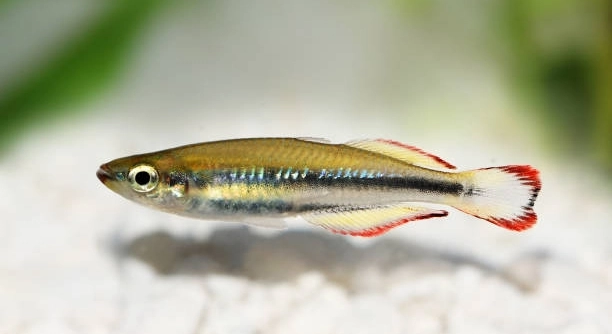
Do your aquariums feel too empty sometimes, even with beautiful fish decorating the tank? Rainbowfish and bettas are both popular choices for hobbyists looking to create a colorful, lively aquatic environment. They are visually striking and active, attracting attention.
Rainbowfish and bettas can coexist under specific conditions, including a spacious tank, proper hiding spots, and careful observation. Compatibility depends on temperament, tank size, and the number of fish, ensuring aggression is minimized while maintaining a healthy environment.
Understanding the factors that influence harmony between these species can help you make informed decisions for your tank setup. Careful planning ensures a peaceful, vibrant aquatic community.
Understanding Rainbowfish Behavior
Rainbowfish are active swimmers that prefer to move in schools. They are generally peaceful but can become stressed if their environment feels crowded or threatened. Maintaining stable water conditions and providing plenty of space reduces stress and promotes healthy interactions. Their natural colors are enhanced with a balanced diet, and they often become more vibrant when comfortable in their surroundings. Observing how they interact with tank mates gives insight into their temperament. Tank decorations, plants, and open swimming areas contribute to both physical health and mental stimulation. Rainbowfish rarely show aggression unless provoked or stressed, making them suitable for community tanks. Still, careful monitoring is necessary, especially when introducing new species like bettas. Gradual acclimation to the tank environment helps reduce potential conflicts. Compatibility improves when their natural behaviors, such as schooling and exploring, are respected. Creating a tank that allows them to display their natural movements ensures a calmer and more balanced community.
Rainbowfish thrive best in groups of six or more. Social interaction is crucial for their well-being and reduces stress-related behaviors.
Providing open swimming areas and hiding spots benefits both rainbowfish and bettas. This setup supports peaceful coexistence and reduces conflict within the tank.
Bettas and Tank Compatibility
Bettas are territorial fish that can show aggression toward other species, especially males. They require careful placement within a tank to prevent stress and fighting. Observing their body language helps identify when they feel threatened or agitated. A spacious tank with multiple hiding spots is essential for both bettas and other fish. Decorations and plants can break lines of sight, reducing direct confrontations. Choosing tank mates with similar temperaments or non-aggressive behavior improves the chance of harmony. Bettas are surface-oriented swimmers, while rainbowfish occupy mid to upper levels, which naturally reduces territorial overlap. Gradual introductions and monitoring are key steps in establishing a peaceful environment. Ensuring water parameters match both species’ needs promotes health and reduces aggression. Bettas respond well to enrichment and stimulation, which can divert attention from other fish and help maintain a calm tank environment. Proper care and observation are critical for long-term coexistence in a shared aquarium.
Introducing bettas to a community tank requires careful planning and observation. Compatibility depends on tank layout and fish temperament.
Balancing the tank for both rainbowfish and bettas requires attention to space, hiding spots, and monitoring behavior. Rainbowfish benefit from schooling, while bettas need territory to feel secure. Providing separate zones and minimizing direct confrontation encourages peaceful interactions. Regular observation ensures that any signs of aggression are addressed early. Feeding routines and diet management also play a role in reducing competition and stress. Keeping the water clean and stable supports both species’ health. Gradual introductions allow each fish to adapt to the presence of the other, reducing shock or territorial displays. Careful planning and setup create a dynamic yet calm aquarium where rainbowfish and bettas can coexist successfully, letting their colors and personalities shine without conflict.
Tank Setup for Coexistence
Providing adequate space is essential when keeping rainbowfish and bettas together. A tank of at least 30 gallons with plenty of hiding spots helps minimize stress and potential conflicts. Plants, driftwood, and rocks create natural boundaries and reduce territorial behavior.
Open swimming areas and vertical space benefit both species. Rainbowfish enjoy mid-to-upper swimming zones, while bettas prefer the surface. Arranging plants and decorations strategically creates separate zones that allow each species to feel secure. Monitoring interactions during the first few weeks is important to ensure peaceful coexistence. Adjustments to layout or hiding spots can prevent stress and aggression, supporting a balanced community tank.
Lighting and water flow also impact compatibility. Rainbowfish prefer moderate flow, while bettas enjoy calmer areas. Using filters that provide gentle circulation and varying light levels with floating plants ensures both species thrive. Regular maintenance and observation allow you to adjust the tank environment as needed, keeping both fish healthy and comfortable.
Feeding and Nutrition Considerations
Rainbowfish require a varied diet to maintain vibrant colors and overall health. High-quality flakes, frozen foods, and occasional live food provide essential nutrients. Proper feeding routines reduce competition and stress when sharing a tank with bettas.
Bettas need protein-rich foods and smaller portions multiple times a day. Overfeeding can lead to aggression or health issues. Feeding schedules should be coordinated so each species receives adequate nutrition without dominating the food source. Observing how both species eat ensures balanced nutrition and prevents bullying or intimidation during feeding times.
Supplementing diets with occasional treats supports both species’ immune systems and coloration. Using feeding tools like tongs or separate zones can further reduce competition. Maintaining consistent feeding routines, along with monitoring water quality, prevents leftover food buildup that can stress fish or harm water conditions. Careful attention to diet helps both rainbowfish and bettas thrive together in a shared aquarium environment.
Monitoring Behavior
Regular observation is key when rainbowfish and bettas share a tank. Watching interactions daily helps identify early signs of stress or aggression. Quick intervention prevents serious conflicts and keeps the tank peaceful.
Signs of stress include hiding, flared fins, or chasing. Noticing these behaviors early allows adjustments to the environment, such as adding more hiding spots or rearranging decorations, to reduce tension. Monitoring also helps track feeding habits and ensures both species are eating properly, maintaining health and preventing nutritional deficiencies.
Water Parameters
Maintaining stable water conditions is crucial for both rainbowfish and bettas. Temperature should stay between 75–80°F, with pH levels around 6.5–7.5. Regular testing prevents sudden changes that can stress the fish.
Proper filtration and regular water changes keep ammonia and nitrite levels at zero, while nitrate remains low. Both species are sensitive to poor water quality, and fluctuations can trigger aggression or illness. Ensuring consistent parameters reduces stress, supports immune health, and encourages natural behavior. A well-maintained tank benefits all inhabitants and creates a harmonious environment.
Choosing Tank Mates
Selecting compatible tank mates minimizes conflict. Avoid aggressive or fin-nipping species that could provoke bettas. Peaceful fish that occupy different levels of the tank are ideal.
Tank Maintenance
Frequent water changes and cleaning are essential. Removing waste and debris prevents disease and maintains stable conditions for both species.
FAQ
Can rainbowfish and bettas live together long-term?
Yes, they can coexist long-term if conditions are carefully managed. A tank of at least 30 gallons, ample hiding spots, and proper observation are essential. Both species need space to reduce stress, and monitoring interactions during the first few weeks helps prevent aggressive behavior. Gradual introductions improve the chances of successful long-term coexistence.
How many rainbowfish should I keep with a betta?
Rainbowfish are schooling fish and should be kept in groups of six or more. Keeping them in a small group may increase stress and aggression. A larger group allows them to feel secure and reduces the likelihood of a betta singling out an individual, making the tank environment calmer.
What tank size is suitable for both species?
A minimum of 30 gallons is recommended, with more space preferred. Rainbowfish are active swimmers and need open mid-to-upper water areas, while bettas prefer surface zones. Adding plants and decorations helps create separate territories, reducing direct confrontations and supporting peaceful interactions between the species.
Do rainbowfish bother bettas?
Rainbowfish are generally peaceful and non-aggressive, so they usually do not provoke bettas. Most issues arise when bettas feel territorial or stressed. Providing adequate space, hiding spots, and separate swimming zones helps reduce tension and prevents chasing or flaring. Observation during the first weeks is important to address any early signs of stress.
What is the best diet for a shared tank?
Rainbowfish need a varied diet, including high-quality flakes, frozen foods, and occasional live foods to maintain vibrant colors. Bettas require protein-rich diets and smaller portions multiple times daily. Feeding both species in separate zones or at different times ensures proper nutrition and reduces competition during feeding.
How should I introduce them to the tank?
Introduce rainbowfish and bettas gradually. Start with the rainbowfish, letting them acclimate to the tank before adding the betta. Monitor interactions closely for the first few days and rearrange decorations or provide extra hiding spots if aggression appears. Gradual acclimation helps both species adjust without stress.
Can bettas and rainbowfish share plants and decorations?
Yes, shared decorations and plants are beneficial, but placement matters. Bettas need territories near the surface, while rainbowfish swim mid-level. Dense plants and hiding spots reduce direct contact and allow both species to feel secure. Driftwood, rocks, and floating plants work well to create natural boundaries.
How do I handle aggression if it occurs?
If aggression appears, isolate the aggressive fish temporarily using a divider or separate tank. Rearrange the main tank to break lines of sight and provide more hiding spots. Sometimes simply adjusting territories or adding space can resolve conflicts. Regular observation ensures problems are caught early.
Do water parameters affect compatibility?
Yes, stable water parameters are crucial. Both species prefer temperatures between 75–80°F and pH around 6.5–7.5. Sudden changes in temperature, ammonia spikes, or pH fluctuations can stress fish and trigger aggression. Regular testing and maintenance help maintain a healthy environment.
Is a planted tank better for coexistence?
Planted tanks are ideal. Plants provide hiding spots, break lines of sight, and create separate swimming zones. Floating plants help bettas feel secure near the surface, while mid-level plants allow rainbowfish to school comfortably. A well-planted tank reduces stress, supports natural behaviors, and promotes peaceful interactions.
Can juveniles be introduced together?
Juvenile rainbowfish and bettas can be introduced together more easily, as territorial instincts are less developed. However, careful observation is still necessary, as bettas may become aggressive as they mature. Ensuring space, hiding spots, and separate swimming zones remains important for long-term compatibility.
How often should I monitor the tank?
Daily observation during the first few weeks is critical. Look for chasing, flaring, or hiding behavior. Once fish are acclimated, monitoring can be reduced to a few times per week, combined with regular maintenance and feeding checks to ensure both species are healthy and stress-free.
Can tank mates reduce aggression?
Choosing peaceful tank mates that occupy different levels helps minimize conflicts. Fish that are active but non-aggressive complement rainbowfish and bettas. Avoid fin-nippers or highly territorial species, as they can provoke stress and trigger fights. Proper selection supports a balanced and harmonious aquarium.
Does lighting affect coexistence?
Moderate lighting benefits both species. Rainbowfish enjoy well-lit mid-water areas, while bettas prefer shaded or floating plant cover near the surface. Adjusting light levels with floating plants or gentle LED settings helps reduce stress and supports natural behaviors, encouraging peaceful coexistence.
How do I know if they are happy together?
Healthy rainbowfish swim in schools, are vibrant in color, and feed actively. Bettas display relaxed fins, explore the tank, and rarely flare aggressively. Minimal chasing and calm interactions indicate a successful coexistence. Regular observation ensures ongoing harmony.
Is filtration important for a mixed tank?
Yes, gentle filtration supports water quality without creating strong currents that stress bettas. Rainbowfish prefer moderate flow, so choosing a filter with adjustable output helps both species thrive. Clean water prevents aggression, disease, and stress in the shared environment.
Can I keep more than one betta with rainbowfish?
Keeping multiple male bettas is not recommended due to high aggression. One betta with a group of rainbowfish is safer. Female bettas may tolerate each other better, but careful monitoring is still required to prevent territorial disputes and maintain harmony in the tank.
What are early signs of stress in rainbowfish and bettas?
Rainbowfish may hide, swim erratically, or lose color when stressed. Bettas may flare, chase, or cling to surfaces. Early detection allows adjustments to hiding spots, territory boundaries, or feeding routines, preventing escalation and maintaining a peaceful tank environment.
Does tank decoration influence aggression?
Yes, decorations create natural barriers and separate swimming zones. Rocks, plants, and driftwood reduce direct contact, lower stress, and prevent territorial disputes. Strategic placement supports peaceful interactions and helps both species feel secure in shared spaces.
Are there specific times when aggression is more likely?
Aggression often occurs during feeding, territorial disputes, or when new fish are introduced. Providing enough space, multiple feeding areas, and hiding spots reduces tension. Observing fish behavior during these times helps prevent escalation and supports long-term coexistence.
Can rainbowfish and bettas breed in the same tank?
Bettas may attempt to breed, but rainbowfish do not interbreed with them. If breeding behavior occurs, separation is advised to prevent stress or aggression. Bettas can become protective of eggs, which may lead to chasing or harassment of rainbowfish.
What maintenance routines support coexistence?
Regular water changes, substrate cleaning, and monitoring parameters are essential. Keeping the tank clean reduces stress and prevents disease. Consistent routines, combined with feeding schedules and observation, ensure both species remain healthy and compatible in a shared environment.
How do I introduce new fish later on?
Introduce new fish gradually using a quarantine or acclimation process. Monitor interactions closely and provide hiding spots. Adjust tank layout if necessary to maintain peace. Gradual introductions prevent aggression and help rainbowfish, bettas, and new arrivals adapt successfully.
Is it safe to use tank dividers temporarily?
Yes, dividers are useful for separating aggressive individuals or new additions. They allow fish to acclimate without direct confrontation. Temporary barriers reduce stress, prevent injury, and make it easier to establish compatibility between rainbowfish and bettas before full integration.
Can overcrowding cause aggression?
Overcrowding increases stress, chasing, and aggression. Providing enough space for swimming and territory is critical. A larger tank with sufficient hiding spots and decorations minimizes conflict, supporting peaceful coexistence and reducing stress-related health problems.
Do rainbowfish and bettas have different swimming patterns?
Yes, rainbowfish swim in mid-to-upper water columns in schools, while bettas patrol the surface and near plants. This natural separation reduces territorial overlap and helps both species coexist more peacefully. Observing these patterns informs tank layout and decoration choices.
Is water temperature crucial for coexistence?
Maintaining 75–80°F ensures both species thrive. Sudden changes can stress fish, trigger aggression, or weaken immune systems. Consistent temperature control supports healthy behavior and peaceful interactions in a mixed-species tank.
Can they share the same diet entirely?
While there is some overlap, each species has specific needs. Rainbowfish need varied flakes and frozen foods, while bettas require protein-rich diets. Feeding both appropriately ensures nutrition without competition and reduces aggression around food.
How often should I change water?
Weekly water changes of 20–30% help maintain stable parameters. Frequent cleaning reduces toxins, prevents disease, and supports a calm environment, benefiting both rainbowfish and bettas in the same tank.
Do tank plants help reduce stress?
Yes, plants provide hiding spaces, break lines of sight, and create separate zones. Floating plants support bettas near the surface, while mid-level plants allow rainbowfish to school comfortably, promoting natural behavior and reducing stress.
Is it safe to keep other species with rainbowfish and bettas?
Only peaceful, non-fin-nipping species that occupy different tank levels should be added. Avoid aggressive fish, as they can provoke stress and aggression. Careful selection supports harmony and minimizes conflict.
How do I handle water parameter fluctuations?
Test regularly and make gradual adjustments. Sudden changes can stress fish and trigger aggression. Maintaining stable temperature, pH, and ammonia levels is crucial for coexistence and overall health.
Can lighting cause stress?
Yes, excessive or harsh lighting can stress bettas, while rainbowfish prefer moderate illumination. Adjusting light intensity or using floating plants helps create comfortable zones for both species.
Are there seasonal effects on behavior?
Seasonal changes in room temperature or daylight can slightly affect activity levels. Stable tank conditions minimize stress and maintain consistent behavior year-round.
Is tank size more important than decoration?
Both matter, but space is critical for movement and territory. Decorations complement the setup by providing hiding spots and breaking sight lines, reducing aggression.
What is the ideal male-to-female ratio for bettas?
Only one male per tank is recommended to avoid fights. Females may be kept in small groups with careful monitoring, but males should remain solitary in mixed-species setups.
Do rainbowfish need companions for happiness?
Yes, schooling behavior is natural. Groups of six or more provide security and reduce stress, supporting peaceful interactions with bettas.
How long should I observe interactions initially?
Daily observation for the first two to three weeks is critical. Adjustments to layout or hiding spots during this period prevent conflicts and establish peaceful coexistence.
Can water flow cause issues?
Strong currents stress bettas, while rainbowfish enjoy moderate flow. Filters with adjustable output help maintain comfort for both species.
Are floating plants necessary?
They are highly recommended for bettas, offering resting areas and shade. Floating plants also break the line of sight, reducing tension between species.
Can rainbowfish and bettas live together in smaller tanks?
It is not recommended. Smaller tanks increase stress and aggression. Adequate space ensures each species has territory and reduces conflicts.
Do feeding times influence aggression?
Yes, separate or staggered feeding reduces competition. Observing fish during feeding ensures both species receive enough nutrition without stress or chasing.
Is quarantine required for new fish?
Quarantine new fish for at least two weeks to prevent disease introduction and allow acclimation before joining the main tank.
Can tank rearrangement help reduce aggression?
Yes, rearranging plants, decorations, and hiding spots breaks established territories and reduces chasing or stress-related aggression.
How do I handle betta flaring?
Mild flaring is normal, but persistent aggressive flaring requires adding hiding spots, adjusting tank layout, or temporarily separating fish to prevent escalation.
Is regular maintenance crucial for coexistence?
Yes, keeping water clean, monitoring parameters, and removing waste supports health and reduces stress-induced aggression. Regular upkeep ensures a balanced and harmonious tank.
Can rainbowfish and bettas adapt over time?
Yes, with proper setup, gradual introductions, and observation, both species can adapt and coexist peacefully, displaying natural behavior and maintaining health.
How do I prevent bullying?
Providing sufficient space, hiding spots, and separate swimming zones reduces the chance of bullying. Observing fish behavior allows early intervention.
Are male bettas more aggressive than females?
Yes, males are territorial and prone to flaring. Keeping only one male per tank is safest for coexistence with rainbowfish.
Can rainbowfish color fade if stressed by bettas?
Yes, stress can dull rainbowfish coloration. Ensuring adequate space, hiding spots, and minimal aggression helps maintain vibrant colors.
Do plants reduce chasing?
Yes, dense plants break sight lines and create separate zones, lowering stress and preventing chasing between bettas and rainbowfish.
How can I tell if the tank is balanced?
Calm interactions, active schooling by rainbowfish, relaxed bettas, and healthy eating indicate a balanced and harmonious tank environment.
Can juveniles be introduced together successfully?
Yes, juveniles adapt more easily, but monitoring is still essential. Bettas may become territorial as they mature, so gradual acclimation is key.
Is staggered feeding beneficial?
Yes, feeding rainbowfish and bettas separately reduces competition and prevents stress-related aggression, ensuring proper nutrition for both species.
Do bettas need resting spots near the surface?
Yes, bettas rest near floating plants or decorations. Providing these areas prevents fatigue and reduces territorial disputes.
Can decorations reduce aggression during introductions?
Yes, decorations break lines of sight and create temporary zones, helping new fish acclimate without conflict.
Is temperature consistency more important than pH stability?
Both are important, but sudden temperature changes are more stressful. Maintaining consistent temperature and stable pH ensures fish health and reduces aggression.
Can rainbowfish and bettas be kept with other peaceful fish?
Yes, as long as the species occupy different tank levels and do not provoke aggression, peaceful tank mates can coexist successfully.
Do hiding spots improve feeding behavior?
Yes, providing shelters allows fish to eat without intimidation, reducing stress and ensuring proper nutrition.
How important is water quality for coexistence?
Water quality is critical. Poor conditions cause stress, disease, and aggression. Maintaining clean, stable water supports health and peaceful interactions.
Can overcrowding trigger illness?
Yes, overcrowding increases stress and susceptibility to disease. Adequate space and proper maintenance prevent health issues and aggression.
Do rainbowfish need open swimming areas?
Yes, open mid-to-upper water areas allow natural schooling behavior, reducing stress and supporting peaceful coexistence with bettas.
Are bettas more aggressive during breeding periods?
Yes, males become territorial. Monitoring and providing separate areas prevents aggression toward rainbowfish.
Does diet variety influence behavior?
Yes, balanced diets reduce competition and stress. Ensuring both species get appropriate nutrition supports peaceful interactions and overall health.
How can I minimize territorial disputes?
Providing hiding spots, separating swimming zones, and monitoring interactions reduces territorial aggression between bettas and rainbowfish.
Do water changes affect stress levels?
Yes, regular partial water changes maintain stable parameters, reducing stress and supporting calm behavior in both species.
Is daily observation necessary after initial acclimation?
Yes, frequent checks help catch early signs of stress or aggression. Even after acclimation, periodic observation ensures long-term harmony.
Can overcrowding affect coloration?
Yes, stress from overcrowding can dull rainbowfish colors. Adequate space and hiding spots help maintain vibrant coloration.
Do bettas need surface territory?
Yes, bettas prefer claiming space near the surface. Providing floating plants or resting spots satisfies this need and reduces aggression.
Can filtration reduce stress?
Yes, gentle, adjustable filtration supports water quality without creating strong currents that stress bettas, benefiting both species.
Are juveniles easier to introduce together?
Yes, juveniles adapt more easily to mixed tanks, but monitoring is still necessary to prevent early aggression.
Does tank layout impact long-term coexistence?
Yes, thoughtful arrangement of plants, decorations, and swimming zones minimizes conflict, supporting peaceful interactions over time.
Can bettas and rainbowfish share the same hiding spots?
Yes, but multiple shelters prevent competition. Adequate hiding spaces allow both species to feel secure.
Does stress affect feeding habits?
Yes, stressed fish may refuse food or compete aggressively. Reducing stress through space, hiding spots, and calm tank conditions supports proper feeding behavior.
Is separate acclimation recommended?
Yes, acclimating each species separately reduces stress and allows controlled introductions, preventing early conflicts.
Do tank mates influence aggression levels?
Yes, peaceful companions reduce tension, while aggressive species increase stress and conflict. Careful selection supports coexistence.
How do I know if a betta is stressed?
Signs include flaring, hiding, or lethargy. Adjusting tank setup, providing hiding spots, or temporarily separating fish helps reduce stress.
Can rainbowfish tolerate minor temperature fluctuations?
They can tolerate small changes, but consistent temperature promotes optimal health and reduces stress-related aggression.
Do tank decorations need frequent changes?
Not frequently, but occasional rearrangement can refresh territories, reduce aggression, and support adaptation to new fish or growth.
Are stress signs the same for both species?
Not entirely. Rainbowfish show hiding, color fading, or erratic swimming, while bettas flare, chase, or cling to surfaces. Early detection is key.
Can plants alone prevent aggression?
Plants help, but space, hiding spots, feeding routines, and monitoring are equally important for reducing stress and aggression.
Is tank size more critical than decor density?
Yes, space is primary. Decor supports territory division, but insufficient swimming space increases stress and conflict.
How do I know if coexistence is successful?
Peaceful interactions, active schooling by rainbowfish, relaxed bettas, and healthy feeding indicate successful coexistence and a balanced tank environment.
Can juveniles become aggressive as they mature?
Yes, bettas may develop territorial behavior. Continuous observation and tank adjustments ensure long-term compatibility.
Does lighting affect stress?
Yes, appropriate lighting with shaded or floating areas reduces stress, supporting calm behavior for both species.
Can overcrowding affect compatibility?
Yes, overcrowding increases aggression, stress, and health risks. Adequate space and hiding spots are essential for peaceful coexistence.
Are floating plants necessary for bettas?
Highly recommended. They provide resting areas and reduce territorial disputes while supporting natural surface behavior.
Can rainbowfish adapt to betta presence?
Yes, with sufficient space, hiding spots, and minimal aggression, rainbowfish adapt and display normal schooling behavior in a shared tank.
Does feeding schedule impact harmony?
Yes, coordinated or stagger
Final Thoughts
Keeping rainbowfish and bettas together in a single tank is possible with proper planning and attention to their individual needs. Both species have distinct behaviors and preferences, which must be respected to maintain a peaceful environment. Rainbowfish are active schooling fish that enjoy open mid-to-upper swimming areas, while bettas prefer territories near the surface and shaded zones. Recognizing these differences helps create a tank layout that supports both species comfortably. Providing hiding spots, plants, and decorations allows each fish to feel secure and reduces the likelihood of aggressive behavior. Observing their interactions over the first few weeks is crucial. Adjusting the tank setup or adding extra shelters can resolve minor conflicts before they escalate. Gradual introductions are also important. Allowing rainbowfish to acclimate before adding a betta reduces stress and gives both species time to adapt to each other’s presence. These steps are essential for long-term coexistence.
Feeding routines and diet management also play a significant role in ensuring harmony between rainbowfish and bettas. Rainbowfish thrive on a varied diet of high-quality flakes, frozen foods, and occasional live food to maintain vibrant colors and overall health. Bettas require protein-rich foods in smaller portions multiple times per day. Coordinating feeding times and offering food in separate zones helps prevent competition and aggression. Overfeeding or leaving uneaten food in the tank can harm water quality, stressing both species and increasing the chances of conflicts. Maintaining stable water conditions, including temperature between 75–80°F, pH levels around 6.5–7.5, and proper filtration, ensures a healthy environment for all tank inhabitants. Frequent water testing and regular partial water changes keep ammonia, nitrite, and nitrate levels under control. Consistent maintenance routines reduce stress and support the immune system of both species, helping them stay healthy and active.
Ultimately, the success of keeping rainbowfish and bettas together comes down to careful planning, observation, and ongoing maintenance. Tank size, hiding spots, swimming zones, and compatible diets all contribute to a balanced aquarium. Overcrowding, poor water quality, or insufficient hiding areas can quickly lead to stress and aggression, so it is important to monitor the tank consistently. Both species have unique behaviors that, when respected, allow for a peaceful coexistence and a visually vibrant tank. With patience, proper setup, and attention to detail, rainbowfish and bettas can thrive together, providing an engaging and colorful aquatic display. Following these guidelines ensures that the tank remains a safe and comfortable environment for all its inhabitants, supporting long-term health and harmony.

Hello,
If you enjoy the content that we create, please consider saying a "Thank You!" by leaving a tip.
Every little bit helps us continue crafting quality advice that supports the health, happiness, and well-being of pets around the world, for pets of all shapes, sizes, and species.
We really appreciate the kindness and support that you show us!