
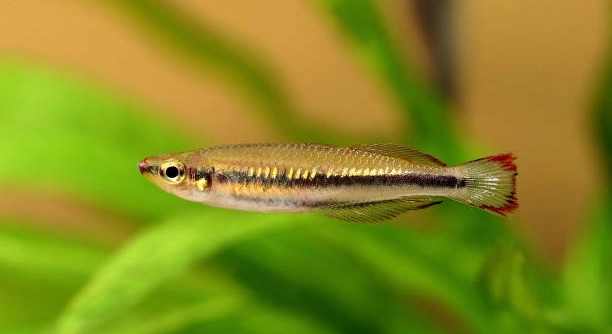
Have you ever noticed your rainbowfish swimming calmly, eating their food, and then suddenly disappearing into hiding spots? This behavior can seem puzzling, especially when they appear active and healthy during feeding times. Observing their habits can reveal small but important details.
Rainbowfish often hide after feeding due to instinctive behavior linked to digestion and predator avoidance. After consuming food, they seek shelter to reduce vulnerability, allowing energy to be efficiently used for digestion while minimizing exposure to potential threats in their environment.
Understanding why this behavior occurs helps maintain a balanced and stress-free aquarium environment. Observing their patterns closely can improve both fish care and overall tank harmony.
Common Reasons Rainbowfish Hide After Feeding
Rainbowfish may hide after eating for several practical reasons. One major factor is instinct. In the wild, after feeding, fish become more vulnerable to predators. Hiding allows them to digest in safety. Another reason is stress. Changes in water temperature, pH, or lighting can make fish feel uneasy, prompting them to retreat. Overfeeding is also common. Eating too much can cause discomfort or bloating, and hiding helps them rest and recover. Social dynamics in the tank influence behavior as well. Dominant fish may intimidate smaller ones, causing them to seek shelter after feeding. Additionally, health issues such as internal parasites or minor infections can contribute to hiding. Observing your rainbowfish’s movements and feeding habits can help determine which factor is affecting them. Consistent patterns of hiding after meals are often a combination of natural instincts and environmental influences, making attentive care crucial for maintaining their well-being and overall comfort in the aquarium.
Monitoring their behavior carefully allows you to identify patterns and make small adjustments. Simple changes can greatly improve their comfort and reduce hiding tendencies.
Providing a proper tank setup is key to minimizing stress. This includes creating hiding spaces with plants or decorations that allow fish to feel secure while digesting. Maintaining stable water parameters is equally important. Regular water testing and gentle adjustments help prevent sudden changes that might cause anxiety. Feeding routines should be consistent, offering appropriate portions of balanced food. Overfeeding or irregular schedules can trigger hiding as fish cope with discomfort or uncertainty. Social structure must also be considered. Observing interactions can reveal if certain fish are causing others to retreat. Addressing these factors collectively promotes a more relaxed environment. By understanding these needs and observing closely, caretakers can support healthier, more confident rainbowfish. Small, thoughtful adjustments in care often reduce hiding and encourage natural, active behaviors, enhancing both the fish’s health and the enjoyment of the aquarium.
Creating a Comfortable Environment
Hiding is often a sign that your rainbowfish need security and stability in their tank.
Providing a well-arranged tank reduces stress and encourages confident behavior. Plants, rocks, and decorations offer shelter where fish can retreat comfortably. The placement of hiding spots should balance accessibility with visibility, allowing fish to feel safe without completely isolating themselves. Light levels can also impact comfort; dimmed or indirect lighting helps reduce stress. Water quality must be stable, including temperature, pH, and cleanliness. Sudden fluctuations can trigger hiding and disrupt normal behavior. Observing feeding routines and interactions helps ensure that dominant fish are not intimidating others. The combination of proper shelter, stable water conditions, and careful attention to social dynamics creates an environment where rainbowfish feel secure. A tank that meets these needs encourages healthier digestion, reduces stress-induced hiding, and promotes active, natural behavior throughout the day. This approach ensures that both the fish and caretaker benefit from a more balanced, harmonious aquarium setting.
Adjusting Feeding Habits
Overfeeding can cause rainbowfish to hide after meals, as they may feel bloated or uncomfortable. Providing smaller, controlled portions helps prevent this. A consistent feeding schedule also reduces stress, allowing fish to digest in comfort and maintain more visible, natural behavior throughout the day.
Feeding too much at once can lead to digestive issues and temporary lethargy. Rainbowfish often retreat to sheltered areas to recover, which can be mistaken for illness. Dividing their daily food into smaller portions and offering it several times a day ensures proper digestion. Choosing high-quality, easily digestible food supports their health and reduces hiding tendencies. Observing how fish respond to different quantities allows for better adjustment, preventing bloating while maintaining active, social behavior in the tank.
The type of food also matters. Live or frozen foods often stimulate natural hunting instincts, keeping fish engaged and reducing post-feeding hiding. Flake or pellet foods should be carefully measured to avoid excess. Varying diet with occasional treats can maintain interest while ensuring nutrition. Monitoring fish after each feeding session provides insight into their comfort and digestion. Adjustments in portion size, food type, and feeding frequency directly impact rainbowfish behavior, encouraging them to remain active and reducing the need to retreat after meals.
Tank Layout and Hiding Spots
The arrangement of the tank directly influences rainbowfish behavior. Adequate hiding spots help fish feel secure, but overcrowding or poorly placed decorations may cause excessive retreating. Balance is key to comfort and visibility.
Plants, rocks, and decorations provide natural shelters where rainbowfish can rest safely. Strategically placed hiding spots reduce stress without isolating fish entirely. Open swimming areas should remain accessible to encourage movement and social interaction. Adjusting light intensity can further enhance comfort, as overly bright lighting may push fish into shelter. Regular observation ensures that dominant or aggressive individuals do not force others into constant hiding. Combining these elements supports a balanced environment where rainbowfish can feed, rest, and swim naturally.
Regularly rearranging or updating tank décor can maintain stimulation and prevent boredom. Rotating plants, adding new rocks, or changing the layout slightly keeps the environment interesting while preserving essential hiding areas. Ensuring proper spacing between shelters allows all fish to feel secure without crowding. Tank size and stocking density also play a role; overcrowding can lead to increased hiding and stress. Maintaining clean, stable water conditions complements the physical layout, as environmental stability enhances comfort. By thoughtfully designing the tank, caretakers can reduce hiding behavior, promote healthier digestion, and encourage more active, visible, and confident rainbowfish.
Water Quality and Stability
Rainbowfish are sensitive to sudden changes in water conditions. Fluctuations in temperature, pH, or ammonia levels can make them retreat after feeding. Maintaining stable, clean water reduces stress and supports regular activity and digestion.
Regular water testing and timely changes prevent harmful buildup. Keeping parameters consistent ensures rainbowfish feel secure and comfortable, minimizing hiding behavior.
Health Considerations
Internal parasites, infections, or digestive problems can lead rainbowfish to hide after meals. Early detection through observation of appetite, swimming patterns, and physical condition is crucial for timely treatment. Proper diet and clean water reduce these risks significantly.
Social Dynamics
Dominant fish can intimidate others, causing some rainbowfish to seek shelter after feeding. Observing interactions and adjusting tank population can reduce stress and promote balanced behavior.
FAQ
Why do rainbowfish hide immediately after eating?
Rainbowfish often hide after feeding due to instinctive behavior. In nature, fish are most vulnerable right after eating, as they are slower and less alert. Hiding allows them to digest safely while avoiding potential threats. In an aquarium, this behavior persists even without predators, reflecting their natural instincts and need for security.
Is hiding a sign of illness in rainbowfish?
Not always. Hiding can be normal, but frequent or prolonged hiding may indicate stress, digestive issues, or infection. Look for other signs like changes in appetite, swimming behavior, or physical appearance. Early observation and appropriate care help prevent minor health issues from becoming serious.
Can overfeeding cause hiding?
Yes. Eating too much can cause discomfort or bloating, prompting rainbowfish to retreat to shelters. Splitting meals into smaller, more frequent feedings supports proper digestion and reduces the likelihood of hiding after eating. Monitoring portion sizes is important for their overall health.
Do tank decorations influence hiding behavior?
Absolutely. Hiding spots, such as plants, rocks, or caves, give rainbowfish a sense of security. Poorly placed or insufficient hiding areas can cause stress or excessive retreating. Proper arrangement balances shelter with open swimming spaces to encourage natural and active behavior.
How does social structure affect hiding?
Dominant or aggressive fish can intimidate others, causing them to hide after feeding. Observing interactions and, if necessary, separating aggressive individuals or adjusting population density can reduce stress and improve overall tank harmony.
Can water quality trigger hiding behavior?
Yes. Sudden changes in temperature, pH, or water chemistry can stress rainbowfish, leading them to seek shelter. Maintaining stable water conditions through regular testing and careful adjustments helps minimize stress and ensures fish remain comfortable after meals.
Does the type of food impact hiding?
The type of food plays a role. Live or frozen foods stimulate natural hunting behavior, keeping fish engaged and less likely to hide. Flake or pellet foods should be given in appropriate portions to prevent overfeeding and digestive discomfort, which can also cause retreating.
How can I encourage rainbowfish to be more active after feeding?
Providing a comfortable environment, balanced diet, and stable water conditions encourages activity. Strategically placed hiding spots allow fish to feel secure but not isolated. Regular observation of feeding habits and tank interactions helps maintain confidence and reduces unnecessary hiding behavior.
Is hiding more common in certain rainbowfish species?
Some species are naturally more timid or cautious, making them more prone to hiding after feeding. Understanding your specific rainbowfish’s temperament and needs allows for better tank management and care, reducing stress and supporting natural behavior patterns.
Can stress from handling or maintenance cause hiding?
Yes. Sudden disturbances, tank cleaning, or handling can trigger temporary hiding. Rainbowfish need time to feel safe again. Performing maintenance gently, gradually, and with minimal disruption helps them return to normal feeding and swimming behavior more quickly.
Are there long-term effects if rainbowfish hide too often?
Chronic hiding can indicate underlying issues such as stress, poor water conditions, or illness. Over time, this can impact growth, social behavior, and overall health. Observing patterns, adjusting care, and addressing potential problems early ensures rainbowfish remain healthy and active in the aquarium.
Does tank size influence hiding behavior?
A tank that is too small or overcrowded can increase stress, making rainbowfish more likely to retreat after feeding. Adequate space, proper hiding spots, and balanced population help reduce stress and promote confident, active behavior among all fish.
Can lighting affect hiding habits?
Bright or inconsistent lighting can make rainbowfish feel exposed, prompting them to hide. Moderate, stable lighting, combined with shaded areas or plants, provides comfort while allowing them to swim freely and digest without unnecessary stress.
What role does temperature play in post-feeding hiding?
Rainbowfish are sensitive to temperature fluctuations. Water that is too cold or too warm can slow digestion and increase stress, leading to hiding. Maintaining a stable, species-appropriate temperature supports digestion, comfort, and active behavior after meals.
How often should I observe my rainbowfish to monitor hiding behavior?
Frequent observation, particularly during and after feeding, helps identify patterns and detect potential issues early. Noticing changes in hiding frequency, duration, or associated behaviors allows for timely adjustments in care, feeding, and tank conditions to maintain a healthy, stress-free environment.
Final Thoughts
Rainbowfish hiding after feeding is a natural behavior that reflects their instincts and need for safety. Even in a calm aquarium without predators, this tendency persists because it is deeply ingrained. Fish often retreat to hiding spots to digest food comfortably, rest, or avoid perceived threats. Understanding this behavior helps in creating a tank environment that supports their natural habits. Observing when and how often your fish hide provides insight into their comfort and overall health. While occasional hiding is normal, frequent or prolonged retreating may indicate stress, digestive discomfort, or environmental issues. Paying attention to these patterns allows for timely adjustments in feeding, tank setup, and care routines, ensuring that the fish remain healthy and active. Recognizing the reasons behind hiding is not only important for their well-being but also enhances the enjoyment of maintaining an aquarium, as it allows you to respond thoughtfully to their needs.
Tank setup plays a major role in preventing excessive hiding. Providing adequate hiding spots with plants, rocks, or decorations allows fish to feel secure while still being able to swim freely. Balancing open areas with sheltered spaces encourages natural activity and social interaction. Proper tank size and careful stocking prevent overcrowding, which can increase stress and force fish into retreating more often. Lighting levels also impact comfort; bright or inconsistent lighting may push fish into hiding, while moderate, stable light allows them to feel safe. Water quality is equally important, as rainbowfish are sensitive to changes in temperature, pH, and cleanliness. Maintaining stable conditions reduces stress, supports healthy digestion, and promotes natural, visible behavior. Observing the tank regularly and adjusting décor, lighting, and population as needed creates a balanced environment where rainbowfish can feed, digest, and swim confidently without unnecessary hiding.
Feeding habits and social dynamics also affect hiding behavior. Overfeeding can cause discomfort, prompting fish to retreat, so smaller, more frequent meals are ideal. Providing a balanced diet with high-quality food supports digestion and overall health. Some fish may hide more if they are intimidated by dominant tank mates, making it necessary to monitor social interactions. Adjusting population or separating aggressive individuals can reduce stress and encourage more confident behavior. Regular observation of feeding, swimming patterns, and interactions is key to understanding the underlying causes of hiding. By addressing feeding routines, water quality, tank layout, and social balance, caretakers can create a comfortable environment that minimizes hiding while supporting the fish’s natural instincts. With consistent attention and care, rainbowfish can remain healthy, active, and confident, allowing their unique behaviors to be appreciated and their needs fully met.

Hello,
If you enjoy the content that we create, please consider saying a "Thank You!" by leaving a tip.
Every little bit helps us continue crafting quality advice that supports the health, happiness, and well-being of pets around the world, for pets of all shapes, sizes, and species.
We really appreciate the kindness and support that you show us!