
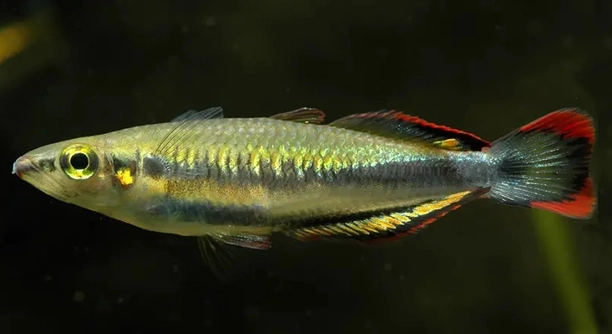
Rainbowfish are small, colorful freshwater fish often kept in home aquariums. Many aquarists enjoy their peaceful nature and bright appearance. They can, however, have specific preferences when it comes to food and tank conditions.
Rainbowfish can be pickier than many other common aquarium species. They often require a balanced diet of live, frozen, or high-quality flake foods, and they respond strongly to water quality and temperature changes. Meeting these needs is essential for their health.
Understanding their unique habits and requirements can help you create a comfortable environment. Paying attention to their behavior and diet ensures they thrive and display their vibrant colors.
Understanding Rainbowfish Diet Preferences
Rainbowfish have particular tastes when it comes to food. They thrive on a mix of flake, frozen, and live foods, but not all types are accepted equally. Some rainbowfish may ignore flake foods at first, preferring small live or frozen items like brine shrimp or daphnia. Young fish are often more selective, needing high-protein meals to support growth. Over time, they may adapt to other foods if introduced gradually. Water quality and tank conditions also influence their eating habits. Poor water or sudden changes can make them stop eating or become stressed. Observing their behavior during feeding can help you notice which foods they favor and which are ignored. A varied diet keeps them healthy and encourages natural activity, swimming, and social interaction. Providing the right combination of nutrients ensures bright coloration, proper growth, and long-term well-being. Paying attention to these details makes care more manageable and rewarding for both you and the fish.
Keeping a feeding schedule consistent helps rainbowfish accept new foods more readily. Sudden changes can cause stress and refusal.
Introducing new foods slowly and monitoring reactions is the best way to ensure your rainbowfish stay healthy. Combining several types of food encourages variety without overwhelming them, improving overall nutrition.
Water Conditions and Their Impact
Water conditions play a major role in rainbowfish health. Stable temperature and pH are crucial.
Rainbowfish are sensitive to changes in temperature, pH, and cleanliness. Even minor fluctuations can affect appetite and behavior. Maintaining a stable environment is essential for their comfort and longevity. Ideal temperatures usually range between 74 and 78°F, and pH should remain near neutral. Regular water changes and filtration keep ammonia and nitrate levels low, preventing stress that may lead to picky eating or illness. Observing the fish for signs of stress, such as hiding or clamped fins, can indicate issues before they become severe. Tank mates also affect behavior; overly aggressive or fast-moving species may intimidate rainbowfish, reducing feeding confidence. Paying attention to these environmental details ensures the fish are active, eat regularly, and maintain bright colors. Proper water conditions, combined with a varied diet, create a thriving aquarium where rainbowfish can display natural behaviors and remain healthy over time.
Social Behavior and Feeding
Rainbowfish eat more confidently in groups. They feel safer and are less stressed when swimming with others of their kind.
Grouping rainbowfish encourages natural feeding habits. When kept alone, they may hide or eat less frequently. Schooling behavior reduces stress, making them more willing to try new foods and engage in activity. A minimum of six individuals is recommended to see natural social interactions. Watching them swim together helps you notice if any fish are being outcompeted for food, which can indicate the need to adjust feeding methods or amounts. Social dynamics directly influence appetite, energy, and overall health. By observing these interactions, you can ensure every fish receives proper nutrition and feels secure in the tank environment. Social feeding also helps maintain bright colors and active behavior, making the aquarium more enjoyable to watch.
Stress and fear can make rainbowfish stop eating temporarily. Changes in environment or aggressive tank mates are common triggers.
Observing rainbowfish for signs of stress helps prevent long-term health issues. Adjusting tank conditions, reducing sudden changes, and selecting compatible species support consistent feeding and growth.
Adapting to Different Foods
Some rainbowfish take time to accept new foods. Gradual introduction is key to success.
Start by offering small portions of the new food alongside familiar favorites. Repeating this over several days allows rainbowfish to adjust without overwhelming them. Live or frozen options are often easier to accept at first, while dry flakes can be introduced slowly. Mixing foods ensures they receive balanced nutrients and encourages them to explore new tastes without stress. Monitoring how each fish responds prevents overfeeding or wasted food, which can impact water quality. By being patient and attentive, you can expand their diet safely, helping maintain health, color, and vitality in the long term.
Tank Setup and Comfort
Rainbowfish thrive in well-planted tanks with open swimming areas. Proper decorations reduce stress and provide hiding spots.
Providing stable water conditions with gentle filtration and moderate flow supports natural behavior. Comfortable environments encourage consistent feeding and active movement.
Recognizing Picky Eating
Signs of picky eating include ignoring flakes or leftover food, slow feeding, or only eating certain items. Observing these behaviors helps identify preferences and potential health concerns early. Adjusting diet variety or presentation can improve intake and overall nutrition.
Feeding Frequency
Feeding rainbowfish small portions two to three times daily keeps them healthy and active. Avoid overfeeding, as leftover food can harm water quality and stress the fish.
Tank Mates Influence
Aggressive or fast-moving fish can intimidate rainbowfish during feeding. Choosing peaceful companions helps reduce stress and encourages normal eating habits.
FAQ
Why do rainbowfish refuse certain foods?
Rainbowfish may reject foods they are not familiar with or that do not match their preferred texture or size. Young fish are often more selective, and sudden changes in diet can trigger refusal. Gradual introduction of new foods alongside familiar options helps them adjust. Observing feeding behavior allows you to identify which items are consistently ignored. Poor water quality, stress, or aggressive tank mates can also make them stop eating temporarily. Ensuring a calm environment and providing a varied diet increases acceptance and helps maintain their health and bright coloration.
How often should I feed my rainbowfish?
Feeding rainbowfish two to three times daily in small portions is generally recommended. Overfeeding can pollute the water, causing stress or illness. Dividing their food into multiple smaller meals mimics natural grazing habits and encourages active swimming. Young fish may require slightly more frequent feedings for proper growth. Monitoring how much is eaten in a few minutes ensures you are not leaving excess food behind, which can affect water quality. Adjust portions based on activity level, tank size, and the number of fish. A consistent feeding schedule keeps rainbowfish healthy and vibrant.
Can rainbowfish eat only flake food?
While some rainbowfish will eat flake food, relying solely on it may limit nutrition. Including live or frozen foods, such as brine shrimp or daphnia, provides essential proteins and fats. A varied diet supports growth, color, and immune health. Introducing flake food gradually alongside other foods improves acceptance. Observing their reactions to different options ensures all fish receive adequate nutrition. Using high-quality flakes with added vitamins can help supplement the diet, but variety remains important for long-term health.
What water conditions do rainbowfish need to eat well?
Rainbowfish require stable temperatures, generally between 74 and 78°F, and a near-neutral pH. Sudden fluctuations can stress them, reducing appetite. Clean water with low ammonia and nitrate levels is essential. Gentle filtration and moderate flow create a comfortable environment, encouraging normal feeding behavior. Regular water changes prevent waste buildup and maintain overall tank health. Observing fish for signs of stress, such as hiding or clamped fins, can indicate environmental problems. Optimizing these conditions helps rainbowfish eat reliably and remain active and colorful.
Do rainbowfish eat differently when alone versus in groups?
Rainbowfish feed more confidently in groups because they feel safer. When kept alone, they may hide, eat slowly, or refuse food. Schooling behavior encourages activity and reduces stress, which positively affects appetite. Providing at least six individuals in the same tank ensures natural social interactions. Watching their group behavior also helps identify if any fish are being outcompeted during feeding, allowing you to adjust portions or feeding methods. Social feeding improves diet acceptance and keeps all fish healthy, active, and vibrant.
How can I encourage picky rainbowfish to try new foods?
Introduce new foods gradually by mixing them with familiar options. Start with small amounts and repeat over several days to prevent stress. Live or frozen foods are usually easier to accept at first, while dry flakes can be incorporated slowly. Offering variety without overwhelming them encourages exploration and ensures balanced nutrition. Observing reactions helps prevent overfeeding and avoids leftover waste, which can affect water quality. Patience and consistency are key. Over time, rainbowfish become more adaptable, maintaining a healthy diet and bright colors.
Are there health issues that make rainbowfish pickier?
Illness or parasites can reduce appetite. Signs include lethargy, color loss, or unusual hiding behavior. Early detection is critical to prevent further health problems. Providing clean water, balanced nutrition, and observing their behavior regularly helps identify issues quickly. Sick fish may also need specialized foods or supplements to recover. Maintaining optimal water quality, a stress-free environment, and a varied diet reduces the likelihood of feeding problems caused by health concerns.
Can tank mates affect rainbowfish eating habits?
Yes, aggressive or fast-moving fish can intimidate rainbowfish, reducing feeding confidence. Choosing peaceful companions ensures all fish can eat without stress. Observing interactions during feeding allows adjustments to tank layout or food distribution. Using multiple feeding spots or spreading food helps ensure every fish receives proper nutrition. Peaceful tank mates promote consistent feeding, active behavior, and healthier, more colorful rainbowfish.
What is the best way to know if rainbowfish are getting enough nutrition?
Watch their energy levels, color, and growth. Active, vibrant fish are generally well-nourished. Uneaten food and leftover waste can indicate overfeeding or poor acceptance. Monitoring behavior during feeding, combined with a varied diet and stable water conditions, ensures all nutritional needs are met. Regular observation allows you to address issues early, maintaining long-term health.
How long does it take for picky rainbowfish to adjust to new food?
Adjustment can take days to weeks depending on the fish and type of food. Gradual introduction, consistent feeding schedules, and minimal stress help speed up acceptance. Patience is essential, as forcing new foods can cause refusal or stress. Tracking their progress allows you to adapt strategies for better results.
Rainbowfish are beautiful and active fish, but they do have their preferences when it comes to food and environment. Their pickiness does not make them difficult to care for, but it does require some attention from their keeper. Understanding their habits, favorite foods, and ideal tank conditions can make a big difference in their health and happiness. Providing a mix of live, frozen, and flake foods ensures they get the proper nutrition while keeping their diet interesting. Small adjustments, like offering food in different locations or at different times of day, can also encourage more consistent eating. Over time, you can notice patterns in what they prefer and what they may avoid, which helps in planning meals and maintaining water quality. Paying attention to their needs may take some effort, but the result is a tank full of healthy, active, and colorful fish.
Water quality and tank conditions play a critical role in rainbowfish well-being. Stable temperatures and near-neutral pH levels help reduce stress, making them more likely to eat and thrive. Proper filtration and regular water changes are important to keep ammonia and nitrate levels low. Even minor fluctuations in temperature, pH, or cleanliness can impact their appetite and behavior. Observing them daily allows you to catch early signs of stress or illness, such as hiding, clamped fins, or loss of color. Providing enough swimming space, gentle flow, and hiding spots contributes to a comfortable environment, encouraging natural behaviors and social interactions. Grouping rainbowfish in schools of at least six helps them feel secure, feeding more confidently and interacting naturally. Environmental stability combined with attention to diet supports overall health, allowing them to display their vibrant colors and active personalities.
Feeding rainbowfish involves patience and observation. Introducing new foods gradually and providing a consistent feeding schedule helps picky fish adjust over time. Watching how they respond to different types of food and adjusting portions prevents overfeeding and ensures everyone in the tank receives proper nutrition. Tank mates can influence their feeding behavior, so peaceful companions are important to reduce stress during meals. Social interactions, varied diets, and stable conditions all work together to support growth, color, and energy levels. By paying attention to these details, you can maintain a healthy aquarium where rainbowfish thrive. Meeting their dietary and environmental needs may require effort, but it results in active, healthy, and visually striking fish that are a pleasure to keep and observe.

Hello,
If you enjoy the content that we create, please consider saying a "Thank You!" by leaving a tip.
Every little bit helps us continue crafting quality advice that supports the health, happiness, and well-being of pets around the world, for pets of all shapes, sizes, and species.
We really appreciate the kindness and support that you show us!