
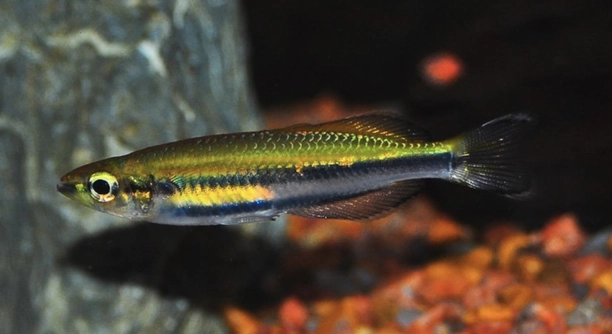
Rainbowfish are small, colorful freshwater fish that are popular in home aquariums. They are active swimmers and enjoy living in groups, often showing coordinated movement throughout their tanks. Observing them can reveal interesting social patterns.
Rainbowfish do form social hierarchies within their groups. Dominant individuals establish priority access to food and territory, while subordinate fish adjust their behavior to avoid conflict. These hierarchies help maintain stability and reduce aggression among group members.
Understanding how rainbowfish organize socially can improve tank management and ensure all fish thrive in a balanced environment.
How Rainbowfish Establish Hierarchies
In a typical group of rainbowfish, hierarchies form quickly, often within the first few days of introduction. Dominant fish display bolder behaviors, such as claiming preferred swimming areas and approaching food first. Subordinate fish tend to keep their distance, moving more cautiously and avoiding direct confrontations. This social order is maintained through subtle displays rather than constant aggression. Fins may flare, or body movements may become slightly more assertive to signal status. Over time, these interactions create a predictable structure, allowing all fish to coexist without excessive fighting. Tank size, population density, and individual personalities all influence how clearly these hierarchies form. Providing plenty of hiding spaces and visual barriers can help reduce stress for lower-ranking fish. Observing their behavior closely can reveal who is dominant and who remains subordinate, giving insights into their interactions and preferences. Maintaining stable conditions supports a balanced hierarchy and reduces sudden disputes.
Dominant rainbowfish are usually the first to access food and central swimming areas, asserting their status with confidence.
Understanding hierarchy patterns helps improve feeding routines and tank placement, ensuring each fish has space to thrive comfortably and safely.
Signs of a Clear Hierarchy
Rainbowfish exhibit specific behaviors that indicate rank. Higher-ranking fish swim more boldly, eat first, and occupy preferred areas.
Dominance is often subtle but consistent. Fish may display fin flares, chase others briefly, or maintain a central position in the tank. Subordinate fish typically avoid confrontation, retreating to the periphery or behind plants. Over time, each fish recognizes its place, which reduces prolonged conflicts. Hierarchies can shift if a dominant fish is removed or if new individuals are introduced, prompting brief adjustments. Monitoring these interactions can guide feeding strategies, tank layout, and population management. Providing enough space and hiding spots ensures lower-ranking fish remain healthy and stress-free. Proper observation allows you to support the social structure without interference, ensuring that all rainbowfish have their needs met while minimizing aggression. Stable hierarchies contribute to a calmer, more active group, with less energy wasted on unnecessary disputes.
Impact of Tank Size on Hierarchies
Smaller tanks can increase tension among rainbowfish, making dominant behaviors more frequent. Crowded spaces limit movement and force subordinate fish into constant retreat, while larger tanks allow more freedom and hiding spots, supporting a more balanced social structure.
A properly sized tank gives rainbowfish room to swim and establish territories without constant conflict. In small tanks, competition over space and food can heighten aggression, causing stress and potential health issues. Larger tanks reduce these pressures, allowing subordinate fish to find safe areas while dominant individuals maintain their preferred zones. Plants, rocks, and decorations provide visual barriers, helping fish feel secure and minimizing direct confrontations. Space directly affects how clearly hierarchies form and how stable they remain over time, influencing both behavior and well-being.
Adjusting tank size or rearranging decorations can help restore balance if tensions rise. Observing how fish interact with space can inform necessary changes to support a calm environment. Subordinate fish benefit from retreats, while dominant fish retain their natural behaviors without overwhelming others. Proper planning and layout make a noticeable difference in maintaining social harmony.
Feeding and Hierarchies
Dominant fish often eat first, leaving subordinate fish to wait or forage elsewhere. This pattern affects growth, health, and behavior.
Structured feeding reduces stress and ensures all fish get enough nutrition. Providing multiple feeding spots or spreading food throughout the tank helps prevent monopolization by dominant individuals. Subordinate fish can access food without direct competition, supporting even growth and reducing aggression. Monitoring feeding interactions helps identify if certain fish are struggling or if dominance is affecting their health. Over time, adjustments in feeding routines can maintain balance and promote a healthier, calmer tank environment.
Feeding strategies directly influence the stability of hierarchies. Using sinking pellets, floating flakes, or timed feeds encourages subordinate fish to eat safely while dominant fish maintain their priority. Rotating feeding locations or introducing food in smaller amounts ensures all fish remain nourished and active. This approach minimizes stress, reduces conflicts, and fosters a more harmonious social structure. Consistent observation during feeding times helps maintain equality, allowing each fish to thrive and reinforcing a balanced hierarchy within the group.
Influence of Age and Size
Older and larger rainbowfish often take dominant positions, naturally asserting control over resources and territory. Younger or smaller fish usually adapt to these roles, avoiding conflict and finding safer areas in the tank to maintain balance.
Size differences can shape social dynamics significantly. Larger fish tend to move confidently and occupy central spaces, while smaller fish stay near plants or tank edges. These roles are not fixed, as growth or changes in the group can shift dominance over time. Observing size and age interactions helps manage tank populations and ensures that all fish remain healthy and less stressed.
Gender and Social Rank
Male rainbowfish frequently display more dominant behaviors than females, especially during feeding or swimming in open areas.
Environmental Factors
Tank layout, decorations, and hiding spots directly influence hierarchy formation. Fish have space to retreat or establish territory, reducing tension and aggression.
Behavior Changes Over Time
Rainbowfish hierarchies are dynamic. Changes in group composition, tank conditions, or feeding routines can shift dominance and subordinate roles gradually.
How can I tell which rainbowfish is dominant?
Dominant rainbowfish are usually the first to approach food and swim in central or open areas of the tank. They often display subtle body movements, like fin flaring or small chases, to assert control. Observing these behaviors over several days can reveal a consistent pattern of dominance.
Do subordinate fish get stressed in a hierarchy?
Yes, subordinate fish can experience stress if they are constantly chased or prevented from accessing food. Providing hiding spaces, plants, and decorations helps reduce stress. Subordinate fish use these areas to retreat safely and avoid conflict, which supports their health and overall well-being.
Will hierarchies change if I add new fish?
Introducing new rainbowfish can temporarily disrupt the hierarchy. Existing fish may reassess their ranks, resulting in minor skirmishes or displays. Over time, the group will stabilize, with new dominant or subordinate roles established. Careful observation and gradual introductions help reduce stress during this adjustment period.
Can dominance affect feeding?
Yes, dominant rainbowfish typically eat first, which can leave subordinate fish with limited access. Using multiple feeding spots or scattering food throughout the tank ensures all fish receive adequate nutrition. Sinking pellets, floating flakes, and timed feeding methods help maintain a balanced distribution.
Does tank size influence social structure?
Tank size directly impacts hierarchy formation. Smaller tanks increase tension and force fish into constant retreats, while larger tanks provide space for territories and hiding spots. A spacious tank reduces aggressive encounters and allows subordinate fish to coexist comfortably with dominant individuals, promoting stability.
How does age and size affect hierarchy?
Older and larger rainbowfish naturally tend to dominate younger or smaller fish. Size gives confidence, while age may provide experience in asserting control. Subordinate fish adapt by avoiding confrontations and seeking safer areas. Over time, changes in growth or group composition can alter these roles.
Do males dominate females in all cases?
Males often display more dominant behaviors, especially during feeding or when swimming in open areas. However, female behavior can vary, and some females may assert themselves in smaller groups or under specific conditions. Hierarchies are influenced by personality, tank layout, and group composition.
What environmental factors support a healthy hierarchy?
Providing plants, rocks, and hiding spots allows subordinate fish to retreat safely, reducing stress and aggression. Proper lighting, clean water, and stable conditions also help maintain balance. These factors ensure that all fish can express natural behaviors without constant conflict.
How long does it take for a hierarchy to stabilize?
A stable hierarchy can form within days to a couple of weeks after introducing new fish. Minor disputes may continue occasionally, but over time, fish learn their positions, and interactions become predictable. Monitoring behavior and providing sufficient space helps support a smoother adjustment.
Can I intervene in the hierarchy?
Intervention is usually unnecessary unless stress or aggression is severe. Adjusting tank size, adding hiding spots, or separating particularly aggressive fish can help. Observing interactions and making subtle changes maintains balance without disrupting natural social behaviors.
Do hierarchies impact breeding?
Dominant males typically have better access to females and spawning sites. Subordinate males may still reproduce but usually do so less frequently. Ensuring enough space and hiding areas allows all fish to engage in natural breeding behaviors while reducing competition-related stress.
How can I reduce conflicts in my tank?
Spread food, provide hiding spaces, and avoid overcrowding. Maintaining stable water conditions and monitoring interactions prevents unnecessary aggression. Subtle adjustments in tank layout or population management can significantly improve harmony among rainbowfish.
Are there signs of hierarchy-related health issues?
Subordinate fish may show slower growth, faded colors, or lower activity if stressed. Dominant fish can become more aggressive, increasing the risk of minor injuries. Providing a well-structured environment and monitoring feeding ensures all fish remain healthy and active.
Can fish hierarchy affect overall tank dynamics?
Yes, a stable hierarchy reduces constant conflict and promotes calm swimming patterns. Fish interact predictably, allowing easier management and better observation of health, feeding, and behavior. A balanced social structure improves the overall environment for all tank inhabitants.
Is it necessary to rearrange the tank often?
Occasional rearrangement can help prevent territory monopolization and reduce aggression. Moving decorations or adding new plants creates new areas for subordinate fish to explore, promoting a healthier balance without completely disrupting the hierarchy.
Does water quality influence hierarchy behavior?
Poor water quality increases stress, which can intensify conflicts. Maintaining proper temperature, pH, and cleanliness supports calmer interactions. Healthy conditions allow fish to establish and maintain hierarchies naturally, reducing the risk of aggressive or harmful behaviors.
Can two dominant fish coexist?
Two strong dominant fish may challenge each other, leading to brief disputes. Providing enough space and visual barriers allows both to maintain confidence without constant aggression. Over time, one may assert priority in certain areas, while the other adapts to a secondary role.
How important is observation for managing hierarchies?
Careful observation helps identify stress, feeding issues, or rising aggression. Adjustments to tank layout, feeding strategies, or population can be made early. Understanding social dynamics ensures all rainbowfish remain healthy, active, and less stressed, maintaining a stable and peaceful group.
Do hierarchy patterns vary by species of rainbowfish?
Yes, different species may have varying levels of aggression and social behavior. Some form clear hierarchies quickly, while others maintain looser structures. Observing each species’ tendencies helps tailor tank management and supports natural interactions among fish.
Can subordinate fish improve their rank over time?
Subordinate fish can occasionally improve their position, especially if a dominant fish is removed or weakened. Age, growth, or changes in personality can shift ranks. Monitoring these changes ensures the hierarchy remains balanced and stress levels stay low.
Does introducing decorations affect dominance?
Decorations provide territory markers and hiding spots, which can reduce direct conflicts. Fish use them to establish zones, retreat safely, or explore without confronting dominant individuals. Thoughtful placement supports a calmer and more predictable social structure.
Are aggressive displays always harmful?
Short displays, like flaring fins or brief chases, are normal ways for fish to communicate status. They rarely cause injury if the tank is spacious and structured. Aggression only becomes a concern when constant or intense fights occur, signaling stress or overcrowding.
How does hierarchy influence daily activity?
Dominant fish may explore more openly and occupy central areas, while subordinate fish move cautiously. Hierarchies shape swimming patterns, feeding times, and interactions. A stable structure allows predictable behavior, reducing energy spent on constant confrontation.
What role do hiding spots play in hierarchy management?
Hiding spots are crucial for subordinate fish to avoid conflict. They provide security, reduce stress, and allow all fish to access food safely. Strategic placement of plants or decorations supports balanced interactions without interfering with natural behaviors.
Can hierarchy affect coloration or display behavior?
Yes, dominant rainbowfish often display brighter colors and bolder fin movements, signaling status. Subordinate fish may appear more subdued or hide more frequently. Maintaining a calm environment helps all fish show their natural colors without excessive stress.
Is it necessary to separate aggressive individuals?
Separation is only required if aggression causes injuries or prevents subordinate fish from eating. Minor displays are normal, but persistent attacks may need intervention through tank adjustments or temporary isolation to restore balance.
How do feeding schedules impact hierarchy?
Consistent feeding routines support hierarchy stability. Sudden changes can cause competition and stress. Providing food at regular intervals ensures dominant fish do not monopolize resources, allowing subordinate fish adequate access and reducing tension during meals.
Do all rainbowfish form hierarchies?
Most rainbowfish display some form of social ranking, though intensity varies by species, group size, and tank conditions. Observing behavior allows owners to identify patterns and make adjustments that maintain harmony and promote healthy, active fish.
How long do hierarchies typically last?
Hierarchies are generally stable but can shift with changes in population, tank conditions, or fish growth. Minor disputes may continue, but roles usually remain consistent, providing structure that supports overall tank stability.
Can stress disrupt established hierarchies?
Yes, sudden changes, poor water quality, or illness can upset hierarchy balance. Subordinate fish may become overly timid, while dominant fish may grow more aggressive. Maintaining consistent conditions helps protect stability and reduces stress-related problems.
How can I encourage peaceful interactions?
Provide space, hiding spots, multiple feeding areas, and maintain clean water. Observation helps identify stress points, and subtle adjustments support calm behavior and reduce unnecessary conflicts.
Do hierarchies affect schooling behavior?
Yes, dominant fish often lead movement, while subordinate fish follow or stay on the periphery. A stable hierarchy allows coordinated swimming and reduces unpredictable chases, promoting a calmer and more organized group dynamic.
Can dominance influence lifespan?
Indirectly, yes. Subordinate fish under chronic stress may face weaker immunity or slower growth, while dominant fish may expend more energy defending their position. Supporting balanced hierarchies contributes to the health and longevity of all fish.
Are there signs of a healthy hierarchy?
Minimal aggression, predictable interactions, and active swimming indicate a stable hierarchy. All fish access food and hiding spaces safely, and the group exhibits natural behaviors without prolonged stress.
Does rearranging the tank affect hierarchy temporarily?
Yes, moving decorations can briefly disrupt territorial boundaries. Fish may reassess ranks or adjust swimming patterns. Temporary disturbances usually settle as the group adapts, provided there is enough space and resources to prevent prolonged conflict.
Can two tanks with the same number of fish behave differently?
Yes, differences in tank size, layout, and decoration placement influence hierarchy formation. Even with identical populations, environmental factors shape behavior, stress levels, and social structure. Observation and tailored adjustments help maintain balance.
Is it normal for dominant fish to chase subordinates occasionally?
Yes, brief chasing is part of asserting status. It rarely causes harm if the tank provides space and hiding areas. Persistent or aggressive chasing may require adjustments to layout, population, or feeding practices.
How do I know if a subordinate fish is struggling?
Signs include hiding excessively, faded colors, slow movement, or difficulty accessing food. Observing these behaviors helps determine whether adjustments in tank setup, feeding, or social management are needed to support well-being.
Do hierarchical patterns change with age?
Yes, as fish grow, roles can shift. Younger or smaller fish may gain confidence, and older fish may lose dominance. Monitoring changes ensures a balanced and stable group over time.
Can hierarchy affect breeding success?
Dominant males typically have priority access to females and spawning areas. Subordinate males may breed less frequently, but adequate space and hiding spots allow all fish to participate naturally without excessive stress or competition.
Are there tools to monitor hierarchy?
Simple observation is usually sufficient. Noting feeding order, swimming patterns, and displays over time helps identify dominant and subordinate roles. Recording behaviors can guide adjustments to tank setup and feeding routines.
Do decorations influence dominance displays?
Yes, fish often use rocks, plants, and other structures to establish territories or signal status. Proper placement reduces conflict, allowing subordinate fish safe areas while letting dominant fish maintain preferred zones.
Is constant monitoring necessary?
Not constantly, but regular observation ensures that hierarchy remains stable, conflicts are minimal, and all fish remain healthy. Intervene only when aggression or stress affects well-being.
Can stress-free hierarchies improve overall fish behavior?
Yes, stable and low-stress hierarchies reduce aggression, allow predictable swimming, and promote active, healthy fish. Supporting natural social structures benefits both dominant and subordinate individuals, making the tank calmer and more enjoyable.
Do hierarchy patterns differ between species?
Yes, some species are naturally more aggressive or assertive, while others maintain looser social structures. Understanding species-specific tendencies helps tailor tank management and supports healthier interactions.
How does hierarchy affect energy use?
Dominant fish may spend energy asserting status, while subordinate fish conserve energy by avoiding conflict. A stable hierarchy allows efficient energy use, reducing stress and supporting growth and health for all fish.
What adjustments help maintain balance?
Provide hiding spaces, multiple feeding spots, adequate tank size, and stable water conditions. Subtle rearrangements or adding decorations can prevent prolonged disputes and promote peaceful coexistence.
Do hierarchies influence overall tank aesthetics?
Yes, calm and balanced fish display natural colors and activity patterns, enhancing the visual appeal of the tank. Stable interactions reduce frantic swimming or hiding, allowing all fish to be seen and appreciated.
Can social dynamics be predicted?
Observing behavior, size, age, and gender trends helps anticipate hierarchy formation. Careful monitoring allows proactive adjustments to support a harmonious tank environment for all rainbowfish.
Are aggressive displays always a concern?
No, brief flares or minor chases are natural communication methods. Only persistent or injurious aggression requires intervention. Proper tank setup minimizes harmful encounters and supports healthy social interactions.
How often should I assess the hierarchy?
Weekly observation is usually sufficient. Watch feeding order, swimming patterns, and stress signals. Adjustments can be made if conflicts escalate or subordinate fish show signs of stress.
Do all rainbowfish adapt to hierarchies easily?
Most do, but individual temperament varies. Some fish remain more timid or assertive than others. Observing and adjusting the tank environment ensures all fish can find their place within the social structure.
How does hierarchy affect interaction with other species?
Dominant rainbowfish may assert themselves over smaller or less aggressive species. Providing space and separate feeding areas ensures peaceful coexistence when keeping mixed-species tanks.
Can hierarchy influence coloration over time?
Yes, dominant fish often maintain brighter colors, while subordinate fish may appear muted if stressed. Stable, low-stress environments allow all fish to display natural hues without prolonged suppression.
Do tank plants affect social behavior?
Yes, plants provide hiding spots, visual barriers, and territorial markers. They reduce stress for subordinate fish and help structure interactions, supporting a balanced and calm hierarchy.
Are there seasonal changes in hierarchy?
In controlled aquarium environments, seasonal changes are minimal. Hierarchies remain stable if tank conditions, feeding, and population remain consistent. External factors like temperature fluctuations may have minor effects.
Can hierarchy influence growth rates?
Subordinate fish under stress or with limited food access may grow slower, while dominant fish maintain regular growth. Balanced feeding and hiding spots ensure all fish develop properly and remain healthy.
Is it normal for subordinate fish to challenge dominance occasionally?
Yes, occasional challenges happen, especially if dominant fish are distracted or removed. These brief interactions help reinforce or adjust the hierarchy without causing major disruption.
Do all dominant fish behave the same?
No, individual personality affects how dominance is expressed. Some fish may be assertive but calm, while others display more frequent chasing or flaring. Observing each fish helps manage the group effectively.
How important is tank layout in preventing stress?
Tank layout is critical. Open spaces for dominant fish and hiding areas for subordinates reduce conflicts and support calm interactions. Thoughtful design encourages natural behaviors and maintains hierarchy stability.
Can hierarchy affect schooling patterns?
Yes, dominant fish often lead movement, while subordinate fish follow or stay on edges. Stable hierarchies promote coordinated swimming, reduce sudden chases, and support a peaceful tank environment.
Are behavioral changes always related to hierarchy?
Not always. Illness, water quality, or environmental stressors can also alter behavior. Observing patterns and context helps determine whether changes stem from social dynamics or other factors.
Does hierarchy influence interaction with humans?
Dominant fish may approach the front of the tank more confidently, while subordinate fish may hide. Recognizing these patterns helps during feeding or maintenance without stressing the group.
How can I maintain a calm environment?
Provide space, hiding spots, multiple feeding areas, and stable water conditions. Observe interactions regularly and make subtle adjustments to reduce stress and support balanced hierarchies.
Are hierarchy shifts always visible?
Minor changes can be subtle, seen in swimming order, fin displays, or feeding behavior. Careful observation over time reveals these shifts, allowing timely adjustments to support stability.
Do subordinate fish ever become dominant?
Yes, if circumstances change, such as the removal of a dominant fish or growth in size, subordinate individuals may rise in rank. Monitoring ensures smooth transitions and reduces stress for all fish.
Can hierarchy affect tank cleaning routines?
Yes, dominant fish may become more active or assertive during cleaning, while subordinate fish retreat. Performing maintenance calmly and with minimal disturbance helps maintain order and reduces stress.
Is hierarchy formation faster in new tanks?
Yes, when rainbowfish are first introduced, roles are established quickly. Initial observations help identify dominant and subordinate individuals and inform tank management strategies.
Does water temperature affect hierarchy?
Temperature influences activity levels and metabolism, indirectly affecting interactions. Stable temperatures support predictable behavior, while sudden changes may increase aggression or stress.
Are there long-term benefits to stable hierarchies?
Stable hierarchies reduce conflict, promote natural behaviors, and support overall health. Fish spend less energy on disputes, grow consistently, and exhibit natural colors and activity patterns, creating a calm and balanced tank.
How do I know if my hierarchy is functioning well?
Signs include predictable feeding order, minimal aggression, active swimming, healthy coloration, and all fish accessing food and hiding spots. Observing consistent patterns indicates a well-maintained social structure.
Do hierarchy patterns change with group size?
Yes, larger groups may form more complex hierarchies with multiple ranks, while smaller groups often have simpler, more stable structures. Tank size and layout should accommodate the population to prevent stress and aggression.
Can subordinate fish become more colorful over time?
With reduced stress and proper nutrition, subordinate fish may regain brighter colors. A balanced hierarchy and adequate hiding spaces allow natural behaviors and coloration to flourish.
Does hierarchy influence overall tank harmony?
Yes, a stable hierarchy minimizes constant chasing, stress, and energy loss. Balanced social dynamics allow predictable interactions, calm swimming, and healthy growth, enhancing the overall environment for all rainbowfish.
Are there signs that hierarchy is causing issues?
Frequent chasing, hiding, faded colors, or difficulty accessing food indicate problems. Adjusting tank layout, feeding methods, or population can restore balance and reduce stress.
Do rainbowfish adapt to changes in hierarchy?
Yes, they adjust roles over time in response to new fish, growth, or environmental changes. Observing behavior helps ensure smooth transitions and maintains stability.
Can hierarchy affect longevity?
Indirectly, chronic stress in subordinate fish may reduce lifespan, while dominant fish expend energy maintaining status. Supporting balanced hierarchies promotes overall health and long-term well-being.
Is intervention ever necessary for hierarchy?
Only if aggressive behavior causes injury or prevents subordinate fish from accessing food. Adjustments to tank layout, population, or feeding routines are usually sufficient to restore balance.
Does hierarchy influence social learning?
Yes, subordinate fish observe dominant individuals to learn feeding spots, swimming patterns, and safe areas. Stable hierarchies allow structured learning without excessive conflict.
**Can hierarchy affect interaction with
Rainbowfish are social creatures that naturally form hierarchies within their groups. Dominant fish assert control over food, territory, and swimming areas, while subordinate fish adapt their behavior to avoid conflict. These hierarchies are maintained mostly through subtle displays rather than constant fighting, allowing the group to coexist peacefully. Size, age, gender, and personality all play a role in determining rank, and these factors can shift over time as fish grow or as new individuals are introduced. Tank size, decorations, and hiding spots also influence how hierarchies develop, giving subordinate fish areas to retreat and reducing stress. Observing behavior closely is important, as it allows you to identify patterns, provide enough resources for all fish, and support a calm and stable social structure. When the environment is well-managed, the hierarchy becomes predictable, and all fish can thrive together without unnecessary aggression.
Feeding routines play a critical role in maintaining balance within the tank. Dominant fish usually eat first, which can leave subordinate fish at a disadvantage if food is limited. Spreading food across multiple areas and using different feeding techniques ensures that every fish receives proper nutrition. Sinking pellets, floating flakes, or timed feeding can help distribute food more evenly and reduce tension during meals. Observing feeding behavior can also indicate which fish are struggling or showing signs of stress. Subordinate fish that are unable to access food may show slower growth, muted colors, or increased hiding, while dominant fish may expend more energy asserting their status. Adjusting feeding strategies to accommodate the hierarchy supports healthier interactions and promotes well-being for all individuals. When these adjustments are made carefully, both dominant and subordinate fish can maintain normal behavior, coloration, and activity levels without constant competition.
Maintaining a stable hierarchy benefits the overall tank environment. Calm, predictable interactions reduce stress, support natural swimming patterns, and allow fish to express normal behaviors. Hiding spots, plants, and decorations give subordinate fish safe areas, while dominant fish retain their preferred zones, creating a balanced system. Environmental consistency, such as proper water quality, temperature, and tank size, also contributes to harmony within the group. Regular observation allows you to detect shifts in hierarchy, address potential conflicts, and make subtle changes to maintain stability. Over time, a well-managed hierarchy promotes healthier growth, vibrant coloration, and a calmer, more organized tank. By understanding how rainbowfish establish and maintain social structures, you can provide an environment that supports both the natural instincts and well-being of every fish, ensuring a thriving and balanced community.

Hello,
If you enjoy the content that we create, please consider saying a "Thank You!" by leaving a tip.
Every little bit helps us continue crafting quality advice that supports the health, happiness, and well-being of pets around the world, for pets of all shapes, sizes, and species.
We really appreciate the kindness and support that you show us!