
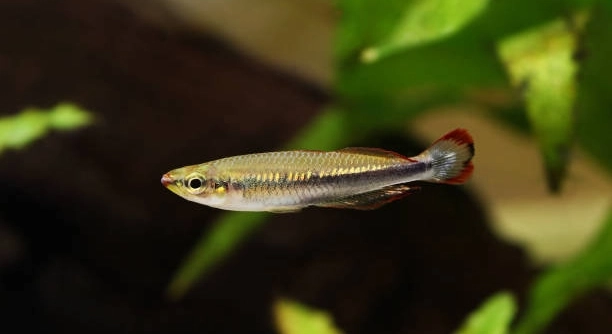
Many rainbowfish owners notice their fish spending most of their time near the tank filter. This behavior can be puzzling, especially when your fish usually swim around freely. Observing their patterns can help understand their needs.
Rainbowfish often stay near the filter due to increased oxygen levels and water movement. Filters provide a stable environment, helping fish feel secure, reducing stress, and promoting overall health by maintaining cleaner and more consistent water conditions.
Learning more about tank setup, water flow, and fish behavior can help ensure your rainbowfish stays happy and healthy in its environment.
Understanding Filter Behavior
Filters in aquariums create constant water movement, which many fish find comforting. Rainbowfish are naturally drawn to areas with gentle currents because it mimics their natural habitat. In rivers and streams, they often swim near flowing water to conserve energy while staying alert. The filter area also helps circulate oxygen, which is crucial for their metabolism and overall health. Many owners notice their fish lingering around the output side of the filter, not because of stress, but because the moving water feels secure and provides a steady flow of clean water. Proper filtration also removes small particles and debris, making the water clearer and safer. Rainbowfish have a keen sense of water quality, and they instinctively gravitate toward well-oxygenated areas to feel safe. Observing these behaviors helps owners understand the importance of water circulation and oxygen levels in maintaining a healthy tank. This knowledge can help prevent unnecessary worry about unusual activity.
Filters also reduce waste buildup, keeping fish healthier and more active.
Spending time near the filter also allows rainbowfish to rest efficiently. They can conserve energy while still having access to oxygen-rich water. Some fish even use the water flow as gentle stimulation, which helps maintain their natural swimming patterns. By positioning themselves near the filter, rainbowfish benefit from cleaner water, reduced stress, and a more comfortable environment. Understanding this behavior encourages better tank maintenance and promotes a stable, healthy habitat for your fish.
Water Quality and Temperature
Poor water quality can drive fish to stay near the filter.
Rainbowfish are sensitive to changes in water chemistry, including ammonia, nitrite, nitrate, and pH levels. When water quality declines, they instinctively move toward areas with better circulation, such as near the filter. Temperature also plays a role; filters often create small areas of slightly cooler, oxygen-rich water, which fish may prefer during warmer periods. Monitoring water parameters regularly ensures the tank remains safe and comfortable. Frequent testing, proper cleaning, and partial water changes are essential to prevent unhealthy conditions that may cause stress. By paying attention to water quality, owners can maintain a stable environment where rainbowfish feel secure and thrive naturally. Proper tank maintenance also helps prevent illness and encourages active, natural swimming behaviors throughout the tank. Understanding these environmental factors allows for more effective care, ensuring fish spend time exploring freely rather than clustering near the filter out of necessity.
Stress and Security
Rainbowfish often stay near the filter because it feels like a safe spot. The gentle current and steady water movement give them a sense of security while minimizing sudden changes that can cause stress.
Stress can make rainbowfish hide or cluster in one area. Near the filter, they experience constant, predictable conditions that help them feel stable. Sudden movements or loud noises in the tank may increase anxiety, so the water flow near the filter acts as a calming factor. This behavior is normal and indicates their instinct to find safe areas in their environment.
In addition to water flow, nearby structures like rocks or plants around the filter also add to their sense of protection. Rainbowfish instinctively use these areas as refuge while still being able to swim freely when needed. This balance allows them to conserve energy while remaining alert to their surroundings, keeping them healthier and more comfortable in the tank overall.
Feeding Patterns
Rainbowfish often associate the filter area with food particles moving through the water, even if feeding is occasional. This encourages them to stay nearby, where tiny bits of food collect.
They are naturally opportunistic feeders, and the flow created by the filter helps distribute flakes or pellets throughout the tank. Even after feeding, leftover particles linger near the output, attracting the fish repeatedly. Over time, they may form a habit of swimming close to this area because it consistently offers access to small food remnants.
Feeding patterns also influence social behavior. Rainbowfish tend to gather where food is easily reachable, which often overlaps with the filter area. This behavior helps them feed efficiently while avoiding unnecessary energy expenditure. Observing these habits allows owners to plan feeding schedules, ensuring all fish get enough nutrition while preventing overfeeding and water contamination. Understanding how feeding and filter flow interact can help maintain a balanced, healthy environment for the entire tank community.
Current Strength and Flow
Rainbowfish are attracted to areas with stronger water flow because it helps them swim with less effort. The filter’s current mimics natural streams, making it easier for them to navigate while staying active.
Stronger currents also increase oxygen circulation, which supports their metabolism and overall health.
Tank Space and Layout
The placement of decorations, plants, and rocks can influence where rainbowfish spend most of their time. Open areas with little cover often feel exposed, so fish cluster near the filter where movement and water flow provide comfort. Proper tank layout encourages balanced swimming patterns.
Behavior During Mating
Rainbowfish often use the filter area during mating displays. The steady current and safe space allow them to perform courtship behaviors while remaining partially hidden from potential threats.
Observation and Adjustment
Careful observation helps identify patterns in swimming behavior. Adjusting flow or rearranging decorations can encourage more movement and reduce prolonged clustering near the filter.
FAQ
Why does my rainbowfish stay near the filter all the time?
Rainbowfish are naturally drawn to areas with steady water movement and higher oxygen levels. Filters create a consistent flow, which feels safe and comfortable. Being near the filter helps them conserve energy, maintain normal swimming patterns, and stay alert without unnecessary stress.
Is it harmful for my rainbowfish to spend most of its time near the filter?
In most cases, this behavior is normal and not harmful. The filter provides oxygen-rich, clean water, which benefits the fish. However, if your rainbowfish never leaves the area, it could indicate stress, poor water quality, or unsuitable tank conditions that need attention.
Could water temperature affect this behavior?
Yes. Rainbowfish prefer stable temperatures. Filters can create micro-currents with slightly cooler water, and fish may stay nearby to regulate their body temperature. Sudden temperature fluctuations in other parts of the tank can make the filter area feel safer.
Does the filter type matter?
Different filter types produce varying water flows. Power filters create stronger currents, while sponge filters produce gentle movement. Rainbowfish respond to the flow they find most comfortable. Choosing the correct filter type for the tank size helps ensure balanced swimming patterns.
Can overcrowding cause my rainbowfish to stay near the filter?
Overcrowded tanks increase competition for space and resources. Rainbowfish may cluster near the filter because it offers more oxygen and some personal space. Maintaining proper stocking levels helps reduce this behavior and encourages even distribution throughout the tank.
Do plants or decorations impact this behavior?
Yes. Open areas without cover can feel unsafe, causing fish to stay near the filter. Adding plants or hiding spots in other parts of the tank can encourage exploration while still providing safe zones. Proper tank layout balances comfort and activity.
Will changing the filter location help?
Moving the filter slightly may redistribute water flow, encouraging rainbowfish to swim in other areas. However, sudden drastic changes can stress fish. Gradual adjustments work best to maintain comfort while promoting more even tank activity.
Does diet affect this behavior?
Yes. Rainbowfish often associate the filter area with leftover food particles. They may linger where food tends to accumulate. Regular, evenly distributed feeding helps reduce over-clustering near the filter and encourages natural swimming and foraging behaviors.
Can water quality problems cause this behavior?
Absolutely. Poor water quality, high ammonia, nitrites, or nitrates can stress rainbowfish, making them seek well-circulated areas like the filter. Regular testing and partial water changes maintain stable conditions and reduce this clustering behavior.
How can I encourage my rainbowfish to explore the whole tank?
Introducing hiding spots, gentle decorations, and moderate water flow in other areas can help. Feeding in different parts of the tank and maintaining optimal water quality and temperature also promotes activity beyond the filter zone. Variety in the environment encourages natural exploration.
Do all rainbowfish behave this way?
Behavior can vary by species, age, and individual temperament. Some may spend more time near the filter, while others explore freely. Observing your fish helps determine what is normal for your specific setup and ensures their needs are met consistently.
Should I worry if my rainbowfish is alone near the filter?
Not necessarily. Some fish prefer solitude or feel safer in a smaller, controlled space. However, prolonged isolation could indicate stress or discomfort elsewhere in the tank. Monitoring water conditions, flow, and social dynamics ensures the fish is healthy and comfortable.
Can frequent filter cleaning change this behavior?
Yes. Cleaning can temporarily alter water flow, oxygen levels, and small particle distribution. Rainbowfish may adjust their position during and after maintenance. Maintaining a regular, gentle cleaning schedule helps the fish stay comfortable and reduces sudden changes in behavior.
Are there signs that something is wrong beyond filter preference?
Watch for lethargy, loss of appetite, unusual swimming patterns, or visible illness. While staying near the filter is normal, these additional signs may indicate stress, disease, or poor water quality. Addressing underlying issues promptly keeps your rainbowfish healthy.
How long does it take for rainbowfish to adapt to a new tank setup?
Adaptation varies, usually between several days to a few weeks. During this period, they often remain near the filter while exploring cautiously. Gradual introduction of decorations, plants, and proper flow helps them feel secure and encourages wider tank exploration.
Final Thoughts
Rainbowfish staying near the filter is often a normal and natural behavior. The filter provides consistent water movement and higher oxygen levels, which makes fish feel secure. In many tanks, this area becomes a preferred spot because it is comfortable and predictable. Rainbowfish are instinctively drawn to areas that mimic their natural environment, such as gentle currents in rivers and streams. Being near the filter allows them to conserve energy while remaining alert to changes around them. This behavior is generally not a sign of illness or poor health, as long as the fish is otherwise active, eating normally, and showing vibrant colors. Observing where your fish spend their time gives insight into their comfort and the overall balance of your tank environment.
Proper tank setup is key to ensuring rainbowfish remain healthy and active. Water quality, temperature, and flow all influence where fish choose to swim. Filters help maintain clean water by circulating it and removing waste, which benefits all tank inhabitants. Providing areas of interest beyond the filter, such as plants, rocks, or decorations, encourages exploration and natural activity. Careful placement of these elements can reduce overreliance on the filter area while still offering safety and comfort. Additionally, feeding patterns play a role in behavior. Fish may linger near the filter if food particles tend to collect there. Even distribution of food across the tank helps encourage movement and reduces clustering in one spot. Consistent maintenance, water testing, and monitoring temperature ensure that rainbowfish feel secure in the entire tank, not just near the filter.
Understanding these behaviors helps create a healthier, more balanced aquarium environment. While it may seem concerning at first to see your fish always near the filter, this pattern is usually a reflection of instinctive needs rather than a problem. Observing your rainbowfish carefully allows you to notice subtle signs of stress, illness, or discomfort, so you can take action if necessary. Making small adjustments, like rearranging decorations, moderating water flow, or distributing food more evenly, can encourage exploration and activity throughout the tank. Maintaining proper tank conditions, including regular water changes and filter cleaning, ensures that all fish have access to clean, oxygenated water and feel safe in multiple areas. Overall, spending time near the filter is a natural behavior for rainbowfish, and understanding the reasons behind it allows for better care, a more comfortable habitat, and healthier, happier fish.

Hello,
If you enjoy the content that we create, please consider saying a "Thank You!" by leaving a tip.
Every little bit helps us continue crafting quality advice that supports the health, happiness, and well-being of pets around the world, for pets of all shapes, sizes, and species.
We really appreciate the kindness and support that you show us!