
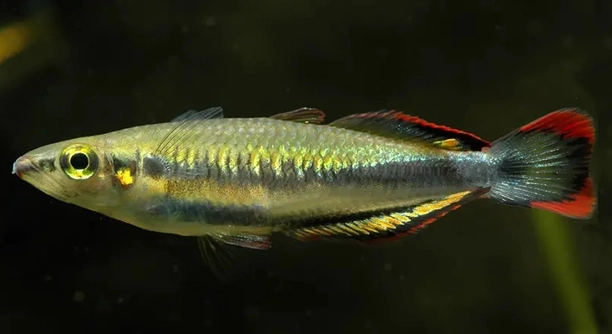
Rainbowfish are colorful and active freshwater fish that bring life to any aquarium. Their peaceful nature makes them appealing for community tanks, but compatibility with other species like cichlids can require careful planning and observation.
Rainbowfish can sometimes be kept with certain cichlids, but success depends on the size, temperament, and environment of both species. Aggressive cichlids may harm rainbowfish, so tank conditions and careful selection are essential for coexistence.
Understanding how these fish interact will help you create a balanced and harmonious aquarium setup that supports both species’ health and well-being.
Understanding Rainbowfish and Cichlids
Rainbowfish are generally peaceful and prefer to swim in groups, which makes them social and active in a community tank. Cichlids, however, vary widely in temperament. Some are aggressive, while others can coexist with smaller, non-aggressive species. Tank size plays a major role in compatibility. A larger tank reduces territorial disputes and gives rainbowfish space to avoid more dominant fish. Providing plants, rocks, and hiding spots can help minimize stress and aggression, allowing rainbowfish to thrive even with some cichlids. Monitoring behavior closely during the initial introduction is essential. If signs of chasing, nipping, or stress appear, separating the species may be necessary. Water conditions, including temperature, pH, and hardness, must be suitable for both species to maintain health and vitality. Feeding schedules also need balance so that all fish receive proper nutrition without competition causing tension. Careful observation and planning are key to maintaining harmony in a mixed aquarium setup.
Keeping these species together requires attention to aggression levels, tank space, and hiding options to prevent harm and stress.
Selecting compatible cichlid species is crucial. Some dwarf cichlids or peaceful types like kribs can coexist with rainbowfish in a well-planned tank. Avoid large, aggressive cichlids that dominate swimming space or target smaller fish. By maintaining proper water conditions and providing adequate cover, rainbowfish can remain active and display natural behaviors. Consistent feeding routines and monitoring interactions ensure a stable environment. Adjustments may be needed if aggression arises, including rearranging décor or increasing hiding spots.
Tips for a Successful Community Tank
Introducing rainbowfish gradually allows cichlids to adapt without immediate conflict.
Careful planning and observation help maintain a peaceful tank. Start with smaller, non-aggressive cichlids and provide ample space, plants, and hiding spots. Observe all fish during feeding and swimming times to ensure harmony. Adjust tank layout if chasing or nipping occurs. Water parameters should be compatible for both species. Using neutral décor and evenly distributing plants can reduce territorial disputes. Maintaining a stable environment with proper nutrition and clean water supports health and reduces stress. Gradual introductions, along with attentive monitoring, give rainbowfish the best chance to thrive alongside cichlids. Choosing the right tank mates and creating a balanced environment ensures long-term success and enjoyment.
Choosing the Right Tank Size
A larger tank reduces stress and aggression between rainbowfish and cichlids. More swimming space allows both species to establish territories without constant conflict.
For rainbowfish and cichlids to coexist, tank size must be carefully considered. A minimum of 55 gallons is recommended, but larger setups work best. Vertical space benefits cichlids who may claim lower areas, while rainbowfish prefer open mid and upper levels. Adding plants, rocks, and caves creates hiding spots and natural barriers, which help diffuse aggression. Overcrowding increases stress, reduces health, and may lead to injury. Maintaining proper filtration and regular water changes ensures stable conditions, supporting both species’ needs. Planning the layout and tank dimensions thoughtfully minimizes tension and encourages peaceful interactions.
Even with compatible species, a crowded tank invites conflict. Ensuring each fish has space to swim and hide is essential. Proper spacing and decorations prevent bullying and allow rainbowfish to show natural behavior while reducing stress from territorial cichlids.
Monitoring Behavior and Adjustments
Observe interactions daily to catch early signs of stress or aggression.
Pay attention to chasing, nipping, or hiding. Some cichlids may initially test boundaries, but persistent harassment needs action. Rearranging décor, adding more plants, or creating separate territories can reduce tension. If rainbowfish appear pale, lethargic, or injured, separation may be required. Feeding routines also influence behavior; ensure all fish have access to food without competition. Regular observation helps identify compatibility issues early and prevents long-term harm. Adjustments to the tank environment maintain harmony, allowing both species to thrive while minimizing stress.
Behavior can change as fish mature or new individuals are added. Juvenile cichlids may be peaceful but become territorial as they grow. Similarly, rainbowfish may react differently to size differences or increased aggression. Monitoring over time is key. Make adjustments by rearranging plants, adding hiding spots, or temporarily separating aggressive fish. Consistent feeding and attention to water conditions reduce stress, supporting natural behavior. A flexible approach allows the tank to adapt as fish develop, ensuring long-term coexistence.
Water Conditions for Compatibility
Maintaining stable water parameters is essential for rainbowfish and cichlids to coexist. Both species prefer similar temperatures and pH ranges, which helps reduce stress and promote healthy activity.
Regular testing ensures temperature, pH, and hardness remain consistent. Sudden changes can trigger aggression or illness, so monitoring is key.
Feeding Strategies
Feed rainbowfish and cichlids a balanced diet to prevent competition. Offer high-quality flakes, pellets, and occasional live or frozen foods. Ensure all fish receive adequate nutrition without letting dominant cichlids take over feeding spots.
Choosing Tank Mates Carefully
Select cichlids known for peaceful temperaments or smaller species that will not intimidate rainbowfish. Avoid highly aggressive or territorial cichlids that may harm them.
Decorating the Tank
Add plants, rocks, and hiding spots to create safe zones. Proper decoration reduces territorial disputes, giving rainbowfish areas to retreat when needed.
Can rainbowfish and cichlids live together peacefully?
Yes, they can coexist under the right conditions. Compatibility depends on the cichlid species, the size of the tank, and the environment provided. Peaceful or smaller cichlids are generally safer to keep with rainbowfish. Aggressive or territorial cichlids may harm rainbowfish, so careful selection is essential. Providing hiding spots and open swimming areas reduces stress and allows both species to establish their territories without conflict. Monitoring behavior regularly is important to catch any early signs of aggression before it escalates.
What size tank is ideal for keeping rainbowfish with cichlids?
A tank of at least 55 gallons is recommended, but larger is always better. Rainbowfish need open swimming space, while cichlids often claim lower areas or specific territories. Adding plants, rocks, and caves creates natural barriers and reduces tension. Overcrowding can lead to stress, aggression, and injuries, so proper spacing is crucial. Filtration and regular water changes help maintain water quality, supporting the health and well-being of both species. Planning the layout carefully ensures a balanced environment where all fish can thrive.
What water conditions do rainbowfish and cichlids need?
Both species prefer similar water parameters, which makes coexistence possible. Ideal temperatures range from 74°F to 82°F, with pH levels around 6.5 to 7.5 depending on species. Hardness should be moderate to slightly hard. Consistency is key, as sudden changes in temperature, pH, or hardness can trigger stress and aggression. Regular testing of water quality is essential. Using stable heaters, filters, and conducting routine water changes keeps the environment safe and healthy for all inhabitants. Proper water conditions also support natural behavior and bright coloration in rainbowfish.
How can I introduce rainbowfish to a tank with cichlids?
Introduce rainbowfish slowly to allow cichlids to adjust. Add rainbowfish during the evening or when cichlids are distracted to reduce immediate stress. Rearranging décor before introduction helps prevent established territories from being defended aggressively. Observe interactions closely in the first few hours and days. If chasing or nipping occurs, temporary separation may be necessary. Gradual introductions, paired with consistent feeding and monitoring, reduce stress and increase the chances of peaceful coexistence. Proper acclimation also allows rainbowfish to adapt to water conditions safely.
What should I feed rainbowfish and cichlids in a community tank?
Provide a balanced diet that meets the nutritional needs of both species. High-quality flakes or pellets work well, supplemented with live or frozen foods like brine shrimp, daphnia, or bloodworms. Feed in multiple locations to prevent dominant cichlids from monopolizing food. Monitoring feeding behavior ensures all fish get enough nutrition without causing competition or stress. Feeding small amounts multiple times a day is better than one large feeding, as it encourages natural foraging behavior and reduces aggression during meal times.
What are the signs of stress or aggression I should watch for?
Watch for chasing, nipping, hiding, or pale coloration in rainbowfish. Cichlids may display territorial behavior such as guarding rocks or cornering smaller fish. Stress can lead to loss of appetite, lethargy, or illness. Early detection allows adjustments, like adding more hiding spots, rearranging décor, or separating aggressive fish. Regular observation is key, especially during the first few weeks of a new setup or when introducing new fish. Maintaining a calm environment and proper tank conditions minimizes long-term stress and ensures all fish remain healthy.
Can tank decorations help reduce conflicts?
Yes, decorations are critical. Plants, rocks, and caves provide shelter and create natural boundaries. Rainbowfish benefit from open swimming areas, while cichlids can claim territories around rocks or plants. Properly placed décor reduces chasing and gives smaller fish a safe retreat. Rearranging decorations periodically can prevent cichlids from becoming overly territorial. A well-decorated tank not only improves aesthetics but also directly impacts fish behavior, allowing both species to thrive in a shared environment.
Do rainbowfish breed in tanks with cichlids?
Rainbowfish may breed if stress levels are low and conditions are suitable. Aggressive cichlids can eat eggs or fry, so a separate breeding tank is often necessary. Providing dense plants or spawning mops encourages successful egg-laying and protects fry. Monitoring interactions and ensuring the breeding environment is safe increases survival rates for young rainbowfish while keeping adult cichlids unharmed.
How do I know which cichlids are safe with rainbowfish?
Peaceful or smaller cichlid species like kribs, apistos, or dwarf cichlids are safer options. Avoid large, aggressive cichlids that dominate territory or target smaller fish. Researching species temperament, adult size, and natural behavior helps ensure compatibility. Observing fish interactions before permanent introduction also reduces the risk of aggression and stress.
What are the long-term care tips for a mixed tank?
Maintain stable water conditions, monitor behavior, and provide a balanced diet. Regularly check for signs of stress, injuries, or illness. Adjust tank layout or add hiding spots if needed. Avoid overcrowding and ensure filtration and aeration are sufficient. Consistent care and observation promote a healthy, harmonious environment where rainbowfish and compatible cichlids can thrive together over time.
Keeping rainbowfish with cichlids can be a rewarding experience when approached carefully. Success depends on several factors, including the species of cichlids, the size of the tank, and the overall environment provided. Rainbowfish are generally peaceful and prefer to swim in groups, while cichlids vary widely in temperament. Some are calm and can coexist without problems, but others are naturally aggressive and territorial, which can create stress or even harm for rainbowfish. Choosing the right cichlid species is therefore essential. Smaller, less aggressive types, such as dwarf cichlids, tend to work better in community tanks. Large or highly territorial cichlids may not be suitable, as they can dominate the tank and create an unsafe environment for rainbowfish. Proper planning, research, and careful observation of the fish’s behavior are necessary to ensure a harmonious setup.
Tank size and layout also play an important role in keeping these species together. A larger tank provides more swimming space and reduces the likelihood of constant conflict. Rainbowfish prefer mid to upper swimming levels, while cichlids often claim lower areas or specific territories. Adding plants, rocks, and hiding spots can create natural barriers, helping to minimize stress and prevent aggressive encounters. Overcrowding should be avoided, as it can increase tension and lead to health issues or injuries. Filtration and water maintenance are equally important. Clean, well-oxygenated water with stable temperature and pH levels benefits all fish in the tank. Regular water changes and careful monitoring of water parameters help maintain a safe and balanced environment, which supports natural behavior and overall well-being. Thoughtful planning and consistent care are crucial for a successful community aquarium.
Feeding and observation are additional aspects that contribute to a healthy mixed tank. Rainbowfish and cichlids have different feeding habits, so providing a balanced diet and feeding in multiple locations prevents competition. High-quality flakes, pellets, and occasional live or frozen foods ensure that all fish receive adequate nutrition without stress or dominance from stronger species. Regular observation helps identify early signs of aggression or stress, such as chasing, nipping, or hiding. Adjustments, like adding more hiding spots or rearranging decorations, can reduce conflicts. Introducing fish gradually and monitoring their behavior over time allows the tank to adapt as fish grow or change. Consistent attention to tank conditions, feeding routines, and interactions helps create a peaceful environment where rainbowfish and compatible cichlids can thrive together safely. This careful approach ensures long-term health, vibrant activity, and a visually appealing community tank.

Hello,
If you enjoy the content that we create, please consider saying a "Thank You!" by leaving a tip.
Every little bit helps us continue crafting quality advice that supports the health, happiness, and well-being of pets around the world, for pets of all shapes, sizes, and species.
We really appreciate the kindness and support that you show us!