
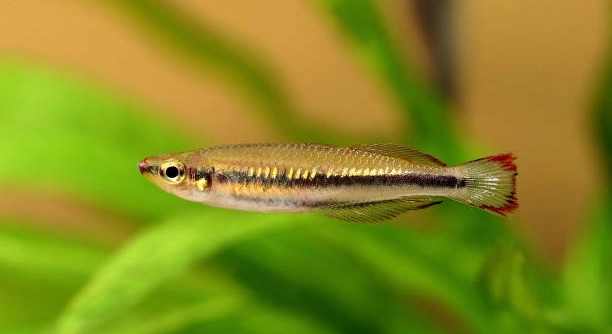
Keeping rainbowfish happy in your tank starts with clean and balanced water. Many owners focus on feeding and decorations but forget that water quality directly affects the health, colors, and overall well-being of these delicate fish.
Improving water for rainbowfish involves controlling parameters such as pH, temperature, and hardness, along with regular water changes and proper filtration. Maintaining these conditions ensures a stable environment, reduces stress, prevents disease, and supports the vibrant colors and natural behavior of rainbowfish.
Small changes in water maintenance can lead to healthier, more active rainbowfish, making the tank a more enjoyable and lively space for both fish and owner.
Test Water Regularly
Testing the water in your rainbowfish tank is the first step toward keeping them healthy. I always make it a habit to check pH, ammonia, nitrites, and nitrates at least once a week. It may seem tedious, but it prevents problems before they start. Rainbowfish are sensitive to sudden changes, and even small fluctuations can stress them or affect their colors. Using a reliable test kit makes this task easier. I prefer liquid kits because they tend to be more accurate than strips. When I see any readings out of the recommended range, I immediately adjust water conditions. Consistency is key—keeping the water stable is more important than making large changes at once. Monitoring the water also helps track long-term trends, like gradual increases in nitrates that could harm fish over time. Regular testing gives peace of mind and helps maintain a safe, healthy tank environment.
Regular water testing keeps conditions safe and stable for rainbowfish, preventing stress, disease, and poor coloration while supporting overall tank health.
Keeping track of water parameters may seem simple, but it has a huge impact on fish behavior and tank stability. Accurate testing helps you react before issues become serious.
Maintain Proper Filtration
A good filtration system is essential for rainbowfish health. I’ve found that combining mechanical, chemical, and biological filtration works best. Mechanical filters remove debris, chemical filters handle impurities, and biological filters break down waste into less harmful substances. Over time, filters can get clogged, so cleaning them regularly is important. I avoid using harsh chemicals when cleaning to protect the beneficial bacteria. Choosing a filter rated for a slightly larger tank than yours ensures proper water flow. Proper filtration keeps water clear, reduces odors, and helps maintain stable water chemistry. Rainbowfish thrive in clean, moving water, so even a small upgrade in your filter can make a noticeable difference. Watching them swim actively and display vibrant colors after improving filtration always reminds me why it’s worth the effort.
Filters not only clean the tank but also create a healthier, more stable environment that supports rainbowfish vitality, growth, and natural behavior.
A well-maintained filter balances the tank ecosystem. It reduces ammonia spikes, prevents buildup of harmful substances, and supports beneficial bacteria essential for breaking down fish waste. Consistent maintenance keeps water parameters steady, lowering stress and disease risk. Choosing the right filter type and capacity is crucial. I always ensure proper water flow without creating strong currents that might overwhelm rainbowfish. Over time, a reliable filtration system makes tank upkeep easier, reduces odor, and improves water clarity. It also complements regular water changes, making sure conditions remain ideal. Clean filters allow rainbowfish to thrive, display bright colors, and maintain energy for swimming and interacting. Observing active, healthy fish reinforces the importance of investing time in filtration. Small efforts in maintaining the filter result in long-term benefits for both fish and tank stability.
Control Water Temperature
Rainbowfish need stable temperatures to stay healthy. I keep my tank between 74 and 78°F, using a reliable heater and thermometer to monitor daily. Sudden changes can stress them and affect their color and appetite.
Maintaining the right temperature prevents disease and keeps rainbowfish active. I’ve noticed that when water drops even a few degrees, the fish become sluggish and hide more. Using a heater with an adjustable thermostat allows me to fine-tune the water to match their natural environment. I also make sure the tank isn’t near drafts or direct sunlight, which can cause fluctuations. Small, consistent adjustments are better than sudden changes, as rainbowfish respond poorly to rapid temperature shifts. Watching them swim confidently and display bright colors shows that stable warmth makes a real difference.
Even small fluctuations can impact their immune system and growth. I always check the thermometer morning and evening. Keeping the tank temperature steady encourages feeding, reduces stress, and ensures rainbowfish remain vibrant and lively in the aquarium.
Perform Regular Water Changes
Consistent water changes are essential for rainbowfish health. I change about 20-25% weekly to reduce waste and maintain water quality.
Regular water changes remove accumulated nitrates, organic debris, and leftover food that can deteriorate tank conditions. I always use dechlorinated water to prevent chlorine or chloramine from harming the fish. While it may feel repetitive, skipping changes leads to cloudy water, stressed fish, and dull colors. I also adjust temperature and pH of replacement water to match the tank, preventing sudden shocks. Over time, consistent changes create a stable environment where rainbowfish thrive, stay active, and display their natural beauty without frequent illness or behavioral issues.
Water changes also help maintain proper mineral balance and prevent buildup of harmful compounds. I notice improved water clarity and healthier gill movement after each change. Rainbowfish respond well to clean water, showing more energy, brighter colors, and stronger immunity. The process also allows me to inspect the tank for early signs of algae, disease, or stress, which I can address before problems worsen. Keeping a routine schedule for water replacement ensures the tank stays safe, balanced, and supportive of rainbowfish life.
Maintain Proper pH Levels
Rainbowfish thrive in slightly alkaline water, around pH 7.0 to 8.0. I test the pH regularly and make small adjustments using natural additives to avoid sudden shifts that could stress the fish.
Stable pH supports their metabolism, coloration, and overall health. I have noticed that even minor swings can make rainbowfish less active or hide more often. Using natural buffering materials like crushed coral or limestone helps maintain consistency without chemicals. Monitoring pH over time allows me to spot trends and prevent long-term problems. Proper pH management ensures a safe and balanced environment where rainbowfish can flourish.
Avoid Overfeeding
Feeding rainbowfish too much can quickly degrade water quality. I stick to small portions that they finish within a few minutes to prevent leftover food from polluting the tank.
Overfeeding raises ammonia and nitrate levels, which can stress rainbowfish and promote algae growth. I usually feed once or twice a day, adjusting based on appetite. Observing their behavior helps me gauge how much they need, ensuring the tank stays clean. Proper feeding habits support healthy digestion, vibrant colors, and active swimming. Controlling food intake is one of the simplest ways to maintain stable water conditions and a thriving aquarium.
Use Aquarium Plants
Live plants help absorb excess nutrients and provide natural filtration. I include fast-growing species to maintain water balance and reduce nitrate buildup.
Plants also offer hiding spots, reduce stress, and make the tank feel more natural. I’ve found that rainbowfish interact with plants, exploring and resting among leaves. Properly chosen plants enhance both aesthetics and water quality, creating a healthier environment for the fish.
FAQ
How often should I test the water for my rainbowfish?
I test my tank water once a week, checking pH, ammonia, nitrites, and nitrates. Weekly testing is enough to catch small changes before they stress the fish. If I notice any sudden issues, I test more often to make adjustments quickly. Using a liquid test kit gives me more reliable results than strips, especially for ammonia and nitrites. Keeping a log helps track trends over time, so I can prevent long-term problems rather than reacting only when the fish show signs of stress or illness.
What is the ideal temperature for rainbowfish?
Rainbowfish do best between 74 and 78°F. I use a heater with an adjustable thermostat and a thermometer to make sure the water stays stable. Sudden drops or spikes can cause stress, reduce activity, and even lead to illness. I also place the tank away from direct sunlight or drafts to prevent fluctuations. Maintaining a consistent temperature encourages feeding, healthy growth, and bright coloration. Over time, I’ve noticed that even a small change of 2-3 degrees can make a difference in their behavior and energy.
How much water should I change each week?
I change about 20-25% of the tank water weekly. This removes waste, uneaten food, and excess nitrates without shocking the fish. I always use dechlorinated water at the same temperature and pH as the tank to avoid sudden changes. Skipping water changes quickly leads to cloudy water and stressed rainbowfish. Small, regular changes are better than occasional large ones, which can disrupt the tank’s stability. Consistent water replacement helps maintain overall water quality and keeps the rainbowfish active, healthy, and colorful.
Can I use tap water for my rainbowfish tank?
Tap water is fine as long as it’s treated first. I always use a water conditioner to remove chlorine and chloramine, which are harmful to fish. Sometimes tap water has minerals or chemicals that affect pH, so I test it before adding it to the tank. If the water is too hard or too soft, I adjust it gradually with natural additives. Treated tap water provides a safe, balanced environment for rainbowfish without introducing harmful substances that could affect their health or coloration.
How do I know if my rainbowfish are stressed?
Stress can show up as hiding, sluggish swimming, loss of color, or reduced appetite. I watch their behavior daily to spot changes early. Stress often comes from poor water quality, rapid temperature changes, or overcrowding. Addressing the root cause, like improving water parameters or adjusting feeding, helps the fish recover quickly. Maintaining consistent conditions, good filtration, and proper nutrition reduces stress over time. I’ve learned that even small improvements, like adding plants for hiding spots, make a noticeable difference in their comfort and behavior.
Are live plants necessary in a rainbowfish tank?
Live plants are not required, but they help improve water quality and provide hiding spots. I include fast-growing species to absorb excess nutrients and reduce nitrate buildup. Plants also make the tank feel more natural and reduce stress for the fish. Rainbowfish explore and interact with plants, using them to rest or hide when they feel nervous. Even a few well-placed plants improve overall water balance and tank aesthetics, making maintenance easier and supporting healthier, more active fish.
How can I prevent algae growth while keeping rainbowfish healthy?
Controlling nutrients, light, and feeding helps prevent algae. I avoid overfeeding and perform regular water changes to remove excess food and waste. Live plants also compete with algae for nutrients, keeping it under control. I limit direct sunlight on the tank and use a timer for aquarium lights, usually 8-10 hours a day. Regular cleaning of decorations and glass keeps algae from spreading. Combining these steps creates a cleaner environment without harming rainbowfish or disrupting their habitat.
What type of filtration is best for rainbowfish?
I use a combination of mechanical, chemical, and biological filtration. Mechanical removes debris, chemical handles impurities, and biological supports beneficial bacteria that break down waste. Cleaning the filter regularly without using harsh chemicals protects these bacteria. I choose a filter rated for slightly more than my tank size to ensure proper water flow without strong currents. Proper filtration keeps water clear, stable, and safe, allowing rainbowfish to thrive, display vibrant colors, and remain active without stress.
Can I mix rainbowfish with other species?
Rainbowfish are generally peaceful, so I mix them with other non-aggressive species of similar size. I avoid large, territorial, or fin-nipping fish. I watch behavior closely at first, ensuring all fish coexist peacefully. Proper tank size, hiding spots, and enough swimming space reduce aggression and stress. When I follow these guidelines, rainbowfish interact well with tank mates, remain active, and maintain their health and coloration.
How often should I clean the tank and decorations?
I clean the tank walls, substrate, and decorations every 2-3 weeks. I remove debris, algae, and leftover food, but I avoid using harsh soaps or chemicals. Gentle scrubbing preserves beneficial bacteria. Regular cleaning maintains water quality, reduces stress, and keeps the tank visually appealing. Over time, I notice healthier, more active rainbowfish with brighter colors when maintenance is consistent.
This FAQ covers the main aspects of water quality, feeding, temperature, and tank maintenance that affect rainbowfish health and happiness. Following these steps consistently creates a stable environment where rainbowfish can thrive, display vibrant colors, and remain active in the aquarium.
Maintaining a healthy environment for rainbowfish comes down to consistent care and attention to detail. Water quality is the foundation of their well-being, so regular testing and monitoring are essential. Checking pH, ammonia, nitrites, and nitrates gives a clear picture of the tank’s condition. When water parameters are stable, rainbowfish are less stressed, display brighter colors, and remain active. Small changes over time, like slight shifts in temperature or pH, can impact their health, so keeping conditions consistent is more important than making sudden adjustments. Regular water changes, proper filtration, and careful feeding all work together to create a balanced habitat. By paying attention to these details, it becomes easier to prevent problems before they affect the fish. I have found that having a routine helps maintain a safe and healthy environment, which benefits both the rainbowfish and the overall enjoyment of the tank.
Temperature control is another key factor in maintaining a thriving rainbowfish aquarium. These fish are sensitive to sudden shifts, so using a reliable heater and thermometer is crucial. Keeping the water between 74 and 78°F provides a stable environment for their metabolism, growth, and coloration. Even minor fluctuations can cause stress, making the fish less active and more prone to illness. I also make sure the tank is placed away from drafts or direct sunlight, which can cause unexpected changes. Stable temperature combined with proper filtration and regular water changes creates a predictable environment where rainbowfish feel secure. Observing their behavior and noticing bright colors and active swimming is a clear sign that the tank conditions are suitable. Consistency in these factors is more effective than occasional drastic adjustments, and it helps maintain long-term fish health.
Other elements, like proper feeding and live plants, also contribute to rainbowfish well-being. Overfeeding can quickly degrade water quality, so giving small portions that the fish consume within a few minutes is best. Using live plants not only adds beauty to the tank but also helps absorb excess nutrients, reduce nitrate buildup, and provide natural hiding spots. These plants make the environment more comfortable and reduce stress. A combination of stable water conditions, controlled feeding, live plants, and proper filtration creates an environment where rainbowfish can thrive. Maintaining these habits requires attention, but it also makes the tank easier to manage over time. By focusing on consistent care and small adjustments, rainbowfish remain healthy, active, and colorful, making the aquarium a more enjoyable space for both the fish and the owner.

Hello,
If you enjoy the content that we create, please consider saying a "Thank You!" by leaving a tip.
Every little bit helps us continue crafting quality advice that supports the health, happiness, and well-being of pets around the world, for pets of all shapes, sizes, and species.
We really appreciate the kindness and support that you show us!