
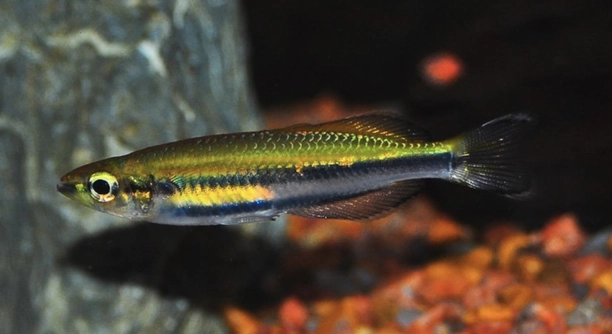
Rainbowfish are popular among aquarium enthusiasts for their vibrant colors and active behavior. Keeping them in small tanks may seem convenient, but their natural energy and social tendencies can be affected by limited space and stimulation.
Rainbowfish can experience boredom in small tanks due to restricted swimming areas and lack of environmental enrichment. Adequate tank size, varied decor, and social groups are essential to maintain their mental and physical well-being and to prevent stress-related behaviors.
Providing the right environment goes beyond size alone, as enrichment and social interaction play a critical role in their daily activity and health.
Understanding Rainbowfish Behavior
Rainbowfish are naturally active and social fish, thriving in spacious environments with plenty of hiding spots and open swimming areas. In small tanks, their activity can be limited, leading to signs of stress like reduced movement, faded colors, or increased aggression. They enjoy exploring plants, rocks, and other decorations that mimic their natural habitat. Without stimulation, they may become lethargic or develop repetitive swimming patterns, indicating boredom. Observing their behavior closely helps identify whether they need more space, companions, or enrichment. Maintaining water quality is equally important, as poor conditions can worsen stress and impact their behavior. Ensuring a varied diet also supports their energy levels and coloration, keeping them healthier and more active. Overall, providing a well-structured tank environment with attention to social and physical needs helps prevent boredom and promotes natural, lively behavior. This proactive approach allows rainbowfish to thrive in captivity.
Even small changes, like rearranging decorations or adding new plants, can noticeably improve their activity levels.
Consistent monitoring of behavior and tank conditions is essential. By adjusting the environment regularly, you encourage natural exploration and interaction, which reduces boredom. Social interaction with other rainbowfish is vital; keeping them in proper groups fosters natural schooling behavior and enhances mental stimulation. Regular feeding with varied diets ensures they remain active and healthy. Introducing new hiding spots or rearranging existing ones prevents monotony. Even minor changes in water flow can add enrichment. A combination of space, decor, social grouping, and proper diet contributes to maintaining their physical and mental well-being. Over time, these adjustments create a dynamic environment that supports their natural instincts and encourages colorful, active displays. Proper care also helps prevent health issues linked to stress or inactivity, ensuring a longer, happier life in captivity.
Tank Size Recommendations
A tank of at least 30 gallons is recommended for a small school of rainbowfish to allow adequate swimming space and social interaction.
Larger tanks are preferable for multiple individuals to maintain activity and prevent behavioral issues.
Selecting the right tank size is crucial for rainbowfish health. A tank that is too small limits movement, leading to stress and potential health problems. For a small group, a minimum of 30 gallons provides sufficient room for schooling behavior, swimming, and interaction with decor. Larger tanks offer even more opportunities for exploration and enrichment. They allow you to include plants, rocks, and other hiding spots that encourage natural behaviors. A properly sized tank also makes maintaining water quality easier, reducing stress on the fish. When considering tank size, remember that rainbowfish are active swimmers and need space to thrive. Providing ample room ensures they remain vibrant, energetic, and socially balanced, supporting both mental and physical well-being over the long term.
Signs of Boredom in Rainbowfish
Rainbowfish that are bored often show reduced activity, swim in repetitive patterns, or hide excessively. Faded colors and minor aggression toward tank mates are also common indicators. Monitoring these behaviors helps identify when environmental changes are necessary to keep them healthy and active.
Boredom in rainbowfish can lead to noticeable stress behaviors. They may swim back and forth along the same path or spend long periods near the tank glass without interacting with other fish or decorations. Aggression may increase within groups, disrupting social harmony. Loss of coloration is another sign, reflecting both stress and lack of stimulation. By observing these patterns, you can determine when the tank environment requires adjustment, whether through added decor, rearrangement, or increased social interaction with other rainbowfish. Consistent attention ensures their well-being.
Environmental enrichment is key to preventing boredom. Adding live plants, varied hiding spots, or small decorations can encourage exploration and natural behavior. Introducing slight changes in layout periodically keeps the environment dynamic. Social interaction is also essential; keeping rainbowfish in appropriately sized groups supports schooling behavior and reduces stress. Adjusting lighting and water flow can further stimulate activity. By addressing these needs proactively, you support both mental and physical health, encouraging bright colors, active swimming, and natural interactions.
Preventing Boredom Through Tank Design
A tank layout that includes open swimming areas, plants, and rocks helps rainbowfish stay active and engaged. Variety in the environment encourages exploration.
Using multiple decorations of different shapes and heights creates both hiding spots and new areas to explore.
Tank design significantly influences rainbowfish behavior. Open swimming areas allow them to move freely, while plants and rocks provide shelter and visual stimulation. Arranging decorations at varying heights creates vertical and horizontal space for exploration, mimicking natural habitats. Live plants also improve water quality and offer surfaces for microfauna, which can enrich their environment. Changing the arrangement periodically prevents monotony, encouraging curiosity and activity. Proper filtration and water flow complement the design, supporting health and comfort. By combining thoughtful decoration with adequate swimming space, you create an engaging environment that prevents boredom and promotes natural, energetic behavior.
Social Interaction Needs
Rainbowfish are naturally schooling fish and thrive in groups. Isolation can lead to stress, lethargy, and unusual behavior. Maintaining a proper number of companions ensures they remain active and engaged.
A group of at least six rainbowfish is ideal for promoting natural schooling behavior. Social interaction reduces boredom and encourages vibrant activity.
Feeding and Enrichment
Varied diets that include flakes, pellets, and occasional live or frozen food help maintain their interest and health. Rotating food types prevents routine boredom and supports proper nutrition. Consistent feeding schedules combined with occasional treats create stimulation, keeping their minds and bodies engaged.
Water Quality Impact
Poor water quality can increase stress and worsen boredom-related behaviors. Regular water changes, proper filtration, and monitoring parameters are essential for healthy, active rainbowfish.
FAQ
Do rainbowfish need a large tank to stay happy?
Rainbowfish are active swimmers and require ample space to maintain natural behavior. A small tank can restrict movement and increase stress, while a properly sized tank allows schooling, exploration, and exercise. For a small group, 30 gallons is the minimum, but larger tanks are always better. Proper tank size supports mental and physical health, reducing boredom and encouraging vibrant colors.
How can I tell if my rainbowfish is bored?
Signs of boredom include repetitive swimming, hiding excessively, loss of color, or minor aggression toward tank mates. Reduced interaction with decorations or other fish is also common. Observing daily behavior helps identify these patterns early, allowing you to make changes to the environment or social setup.
What decorations or plants are best for preventing boredom?
Live plants, rocks, and ornaments of varying heights provide both hiding spots and exploration areas. Rearranging decorations occasionally keeps the environment dynamic. Floating plants can create shaded areas, and dense plant clusters encourage natural schooling behavior, making rainbowfish feel secure while promoting activity.
How many rainbowfish should be kept together?
A minimum of six rainbowfish is recommended to maintain social interaction and schooling behavior. Smaller groups may show stress, lethargy, or aggression. Larger groups enhance natural behaviors and reduce boredom. Social dynamics are important for mental stimulation, so ensure all individuals are compatible in size and temperament.
What type of diet helps keep rainbowfish engaged?
Variety is essential. A mix of flakes, pellets, and occasional live or frozen foods stimulates their senses and encourages foraging behavior. Rotating food types prevents routine boredom and supports health. Feeding small amounts multiple times a day keeps them active and attentive. Enrichment through feeding can also mimic natural hunting behaviors.
How often should I change the tank layout?
Minor changes every few weeks are enough to prevent monotony. Rearranging plants or adding new decor encourages exploration and interaction. Sudden major changes should be avoided to prevent stress. Small, consistent adjustments maintain a stimulating environment while keeping rainbowfish comfortable.
Does water quality affect boredom?
Yes. Poor water conditions increase stress and can amplify signs of boredom, like lethargy or aggression. Regular water changes, proper filtration, and monitoring temperature, pH, and ammonia levels are essential. Healthy water conditions make rainbowfish more active and responsive to environmental enrichment.
Can rainbowfish get bored if they are alone?
Rainbowfish are social creatures. Isolation often leads to lethargy, stress, and abnormal behaviors. Keeping them in proper groups ensures social interaction, which is essential for mental stimulation. If only one fish is available, extra attention, enrichment, and visual stimulation are needed, but it is never a complete substitute for companions.
How does lighting affect their activity?
Proper lighting encourages natural day-night cycles, supporting activity and coloration. Too dim or inconsistent light can reduce engagement, while moderate lighting combined with shaded areas allows exploration and rest. Adjust lighting to mimic natural conditions without overstressing them.
Are there ways to mentally stimulate rainbowfish besides tank decor?
Yes. Intermittent feeding methods, varying water flow, and adding floating objects or gentle currents can promote curiosity and activity. Observing them and introducing subtle changes regularly keeps them engaged. Mental stimulation supports overall health and prevents stress-related behaviors, maintaining vibrant colors and active movement.
Final Thoughts
Rainbowfish are lively and social fish that benefit greatly from proper care and attention. Their natural behavior involves active swimming, schooling, and exploring their environment. When kept in tanks that are too small or lack enrichment, they can experience stress and boredom, which affects both their mental and physical health. Observing how they interact with each other, their surroundings, and their food can provide early signs of boredom or stress. Simple indicators such as repetitive swimming, faded colors, or hiding for long periods often show that changes in their environment are needed. Addressing these issues promptly ensures that rainbowfish remain active, healthy, and vibrant, contributing to a more enjoyable aquarium experience. Understanding their behavior and needs allows for a more balanced and fulfilling environment, helping them display their natural colors and schooling patterns.
Creating an engaging environment for rainbowfish does not necessarily require complex setups, but attention to detail matters. Tank size plays a significant role in their well-being, with a minimum of 30 gallons recommended for small groups. Within this space, adding live plants, rocks, and decorations encourages exploration and provides hiding spots, which are essential for reducing stress. Rearranging these elements periodically keeps the tank dynamic and prevents monotony. Social interaction is equally important; rainbowfish thrive in groups, and maintaining at least six individuals helps promote natural schooling behavior. A varied diet that includes flakes, pellets, and occasional live or frozen food also stimulates their interest and supports overall health. By combining these factors, their physical and mental needs are met, reducing the risk of boredom and promoting a longer, healthier life.
Maintaining rainbowfish involves consistent attention to their environment and care routines. Water quality, proper lighting, and thoughtful enrichment contribute significantly to their overall well-being. Poor conditions can amplify stress and lead to inactivity or aggressive behavior, while a clean, well-maintained tank encourages natural activity. Mental stimulation through environmental adjustments, social interaction, and varied feeding routines keeps them curious and active. Small changes, such as adding new plants or adjusting water flow, can make a noticeable difference in their behavior. Paying attention to these details ensures that rainbowfish can display their full potential, from bright coloration to active swimming patterns. Ultimately, understanding their needs and responding to their behavior creates a healthy, engaging, and supportive habitat, allowing rainbowfish to thrive in captivity and live a balanced, enriched life.

Hello,
If you enjoy the content that we create, please consider saying a "Thank You!" by leaving a tip.
Every little bit helps us continue crafting quality advice that supports the health, happiness, and well-being of pets around the world, for pets of all shapes, sizes, and species.
We really appreciate the kindness and support that you show us!