
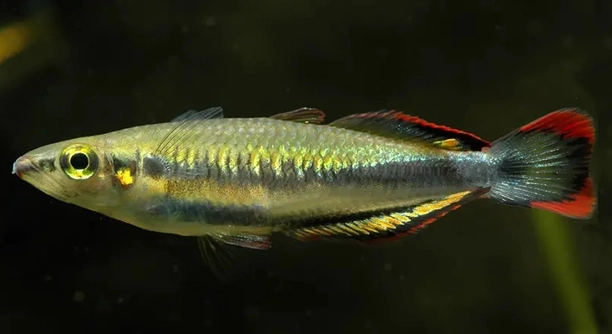
Observing fish in a home aquarium can be a fascinating experience. Each fish has its own personality, and the dynamics in the tank often reveal social hierarchies that influence feeding, territory, and interactions.
The tank leader is typically identified by its dominant behavior, control over prime areas, and influence on the movement of other fish. Leaders often eat first, chase or assert authority over others, and maintain a central position within the aquarium environment.
Recognizing the dominant fish can improve tank management and create a balanced environment where all fish thrive. This understanding helps maintain harmony and reduces unnecessary stress.
Signs Your Fish Is the Tank Leader
The dominant fish usually displays clear behaviors that separate it from the rest. It often occupies the center or higher areas of the tank, controlling feeding spots and the best hiding places. Other fish tend to move aside when it approaches, showing submission without aggression. Leaders are more confident and active, swimming openly and exploring the tank while others remain cautious. They may initiate movement, leading the group from one area to another. During feeding, the leader often eats first and guards the food, ensuring others wait. Physical characteristics sometimes indicate dominance too, such as brighter coloration or a slightly larger size. Observing these traits consistently over days helps confirm which fish holds the primary role. Even in peaceful tanks, leadership is subtle but noticeable through interactions. The behavior of other fish around it reinforces its position, making it easier to maintain harmony in your aquarium over time.
Watching your fish closely reveals patterns of control and influence that establish the hierarchy naturally.
Understanding these signals allows you to adjust feeding, tank layout, and decorations to support a balanced environment. Leaders thrive in clear territories, while others feel secure in less central areas. Changes in tank structure, like adding plants or hiding spots, can reduce conflict and stress. Regular observation ensures that the leader is not overly aggressive, and subordinate fish maintain health and activity. Proper nutrition and space allocation reinforce social stability, preventing injury and competition for resources. Even subtle adjustments, such as relocating a decoration or adjusting lighting, can shift dynamics positively. Recognizing dominance helps maintain a peaceful aquarium where all fish coexist. Documenting behaviors, feeding order, and swimming patterns over weeks provides insight into long-term tank health.
Managing Dominance and Tank Harmony
Dominant fish need space and clear boundaries to prevent unnecessary stress among other fish.
Providing adequate territory and hiding spots helps balance interactions. Monitor how the leader interacts with newcomers or weaker fish. Adjust feeding times, tank structure, and decorations to prevent overcrowding and aggression. Observing social patterns closely allows interventions before conflicts escalate. A calm tank depends on understanding dominance while giving all fish access to food and shelter. Proper management maintains both activity and health across the aquarium, ensuring a stable and visually appealing environment for every fish.
Feeding Order and Dominance
The dominant fish often eats first and positions itself near the food source. Subordinate fish wait or eat smaller portions. Leaders can guard food aggressively, ensuring their control during feeding. This behavior helps reinforce hierarchy and reduces disputes once the order is established.
Monitoring feeding patterns reveals which fish consistently claim the best spots. Leaders tend to be faster, more assertive, and less hesitant than others. They swim directly to food and may chase smaller fish away. Subordinate fish often retreat, wait, or find alternative areas to feed. Over time, these interactions create a stable hierarchy that minimizes stress and competition. Proper feeding distribution ensures all fish receive adequate nutrition while maintaining the social balance in the tank.
Adjusting feeding practices can influence dominance behaviors. Spreading food across multiple areas allows subordinate fish to eat without confrontation. Leaders may still assert control, but access for all ensures growth and health. Observing reactions helps refine feeding strategies and reinforces peaceful coexistence. Regularly rotating feeding locations or types of food prevents predictability that could lead to increased aggression. Balanced nutrition and careful observation maintain harmony while respecting the established social structure.
Territorial Behavior and Space
Dominant fish usually claim specific areas of the tank, patrolling and defending them consistently. They establish clear zones that others avoid, reducing direct conflict.
Providing sufficient space for all fish is essential. Leaders mark boundaries with movement and posture, often swimming more actively in their chosen zone. Subordinate fish respect these areas, seeking corners or hiding spots for safety. Overcrowded tanks can increase tension, leading to aggression even in calm species. Observing swimming patterns identifies territory limits, allowing adjustments to decorations, plants, or hiding areas. Maintaining clear zones supports peaceful coexistence, reduces stress, and promotes natural behavior. Proper space distribution allows each fish to thrive while the dominant fish retains its position.
Aggression and Hierarchy
Dominant fish may show brief bursts of aggression, such as chasing or nudging others. These behaviors establish rank without causing serious harm. Subordinate fish usually submit quickly, reducing prolonged conflict and keeping the tank environment stable and predictable.
Aggression can also appear during feeding or when defending preferred spaces. Observing these moments helps identify the leader. Recognizing patterns prevents overreaction and allows minor interventions, like adding hiding spots or spreading food, to maintain calm interactions. Consistent monitoring ensures that all fish feel secure while the hierarchy remains clear and orderly.
Body Language Cues
Posture, fin position, and swimming style indicate dominance. Leaders often hold fins erect, swim confidently, and occupy visible areas in the tank. These subtle cues help other fish recognize authority without direct confrontation.
Introducing New Fish
Adding new fish can disrupt the hierarchy. Leaders may test newcomers with short chases or displays. Careful observation and gradual introduction reduce stress and prevent serious conflicts, helping maintain balance in the tank.
FAQ
How can I tell which fish is the tank leader?
The tank leader is usually the most confident and active fish. It claims central areas, eats first, and may chase or assert control over others. Watch for consistent behaviors, such as patrolling territory, initiating movement, or influencing where other fish swim. Bright coloration or slightly larger size can also indicate dominance.
Do all fish establish a leader in a tank?
Most social species naturally form hierarchies. Even peaceful fish develop subtle rankings to reduce conflict. In some species, leadership is more visible, while in others, it is quiet and based on who eats first or occupies preferred spaces. Recognizing the hierarchy helps maintain tank balance.
Can subordinate fish become leaders over time?
Yes, changes in the tank, illness, or removal of the current leader can allow a subordinate to rise. Observing interactions over weeks shows shifts in behavior. Providing stable conditions and sufficient space helps prevent unnecessary stress during these transitions.
Is aggression always a sign of leadership?
Not always. Brief displays or chasing usually indicate rank, but constant aggression can signal overcrowding, stress, or insufficient resources. Leaders assert control without harming others consistently. Monitoring behaviors helps differentiate healthy hierarchy from harmful aggression.
How should I feed a tank with a clear leader?
Feed multiple areas to ensure all fish eat. Leaders will still claim the best spots, but spreading food prevents subordinate fish from being excluded. Rotate locations or types of food to reduce predictability and aggression. Consistent feeding routines support hierarchy while maintaining overall health.
Do leaders need more space than other fish?
Leaders often patrol and occupy prime areas. Providing adequate space ensures subordinate fish can retreat and reduces tension. Adding hiding spots, plants, or decorations allows everyone to find secure areas without disrupting social order. Space management is key to maintaining calm interactions.
Will adding new fish disrupt the hierarchy?
Introducing newcomers can temporarily challenge the established order. Leaders may chase or display dominance, and subordinate fish might hide more. Gradual introductions, careful observation, and extra hiding spots reduce stress and prevent injury. The hierarchy usually stabilizes once the new fish finds its place.
How can I reduce conflict between fish?
Observe feeding order, swimming patterns, and territory use. Provide multiple feeding areas, hiding spots, and decorations. Avoid overcrowding and maintain clean water conditions. Interventions should be subtle, focusing on environmental adjustments rather than directly separating fish unless necessary.
What signs indicate the hierarchy is unhealthy?
Excessive aggression, injuries, or consistent hiding are warning signs. Leaders may become overly dominant, or subordinates may experience stress affecting appetite and growth. Adjusting space, feeding distribution, and monitoring interactions can restore balance and prevent long-term issues.
Does tank size affect leadership behaviors?
Yes, smaller tanks can amplify dominance and aggression, as space is limited. Larger tanks allow leaders to patrol without constantly confronting others, reducing stress. Proper tank size, decorations, and hiding spots help maintain a healthy hierarchy and promote peaceful coexistence among all fish.
Can leadership behaviors differ between species?
Absolutely. Some species display clear, aggressive dominance, while others lead subtly through positioning and confidence. Understanding species-specific behavior helps identify leaders correctly and ensures that tank management aligns with natural social structures.
How long does it take to identify a tank leader?
It may take several days to weeks. Observing consistent patterns in feeding, swimming, and territory use is necessary. Patience is key, as short-term behavior may not reflect long-term hierarchy. Documenting observations helps confirm which fish holds the dominant position.
What role do physical characteristics play in dominance?
Size, coloration, and fin condition can influence leadership. Larger or more vibrant fish often assert dominance more easily. However, confidence and behavior are more reliable indicators than appearance alone. Subordinate fish may defer even if they are physically similar.
How can I safely monitor fish hierarchy?
Observe interactions quietly without disturbing the tank. Note feeding order, territory use, and brief displays of dominance. Avoid interfering unless aggression becomes harmful. Regular monitoring allows adjustments to environment and feeding to maintain balance and reduce stress.
Can environmental changes affect leadership?
Yes, altering tank layout, adding decorations, or changing lighting can influence dominance patterns. Leaders may shift territory or test boundaries. Gradual changes minimize stress and help subordinate fish adapt while maintaining a stable hierarchy.
How do leaders affect the behavior of other fish?
Leaders guide movement, influence feeding order, and establish territory boundaries. Subordinate fish adapt by avoiding conflict, finding alternative spaces, and following the leader’s cues. Clear hierarchy reduces stress, prevents constant fighting, and promotes predictable, healthy interactions in the tank.
Final Thoughts
Observing the dynamics in your aquarium provides insight into the natural social behaviors of fish. Each tank has a leader, whether obvious or subtle, and understanding this role helps maintain a balanced environment. The dominant fish typically controls feeding areas, occupies prime territories, and influences the movement of others. By paying attention to these behaviors, you can better support all the fish in the tank. This awareness helps reduce conflict and ensures that each fish has access to food, hiding spaces, and swimming areas. Over time, consistently observing interactions allows you to identify patterns, making it easier to anticipate potential issues and adjust the tank environment accordingly. Recognizing the leader does not mean intervening unnecessarily, but rather ensuring the social structure supports a calm and healthy aquarium.
Providing adequate space and resources is essential for maintaining harmony. Leaders often patrol central or preferred areas, and subordinate fish need room to retreat or occupy less prominent spaces. Decorations, plants, and hiding spots can be arranged to give every fish secure areas, reducing stress and preventing injuries. Feeding routines play an important role as well. Offering food in multiple locations allows subordinate fish to eat without constant competition, while leaders can still assert their position. Subtle adjustments, such as rotating food locations or adjusting lighting and decorations, help preserve a peaceful environment. Understanding the natural hierarchy allows you to create a tank that accommodates the needs of all fish, maintaining their health and promoting natural behavior.
It is important to remember that leadership in fish is not fixed permanently. Illness, changes in tank population, or environmental adjustments can alter the hierarchy over time. Subordinate fish may rise in rank, and the previous leader may show less dominance. Observing these shifts is key to maintaining balance. Avoiding overcrowding, providing consistent care, and monitoring aggression ensures that all fish thrive together. By understanding dominance, territory, and feeding behaviors, you can support a healthy, harmonious aquarium where each fish has a defined role. Attention to these details not only preserves the tank’s visual appeal but also promotes long-term well-being for every fish.

Hello,
If you enjoy the content that we create, please consider saying a "Thank You!" by leaving a tip.
Every little bit helps us continue crafting quality advice that supports the health, happiness, and well-being of pets around the world, for pets of all shapes, sizes, and species.
We really appreciate the kindness and support that you show us!