
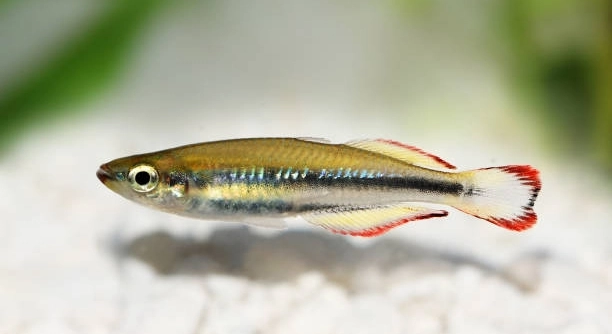
Rainbowfish are beautiful and active creatures, but their sleep patterns can be easily disturbed. Observing them at night may reveal unexpected behaviors. Ensuring a calm environment is essential for maintaining their overall health and wellbeing.
Several factors can disrupt rainbowfish sleep, including sudden changes in lighting, water temperature fluctuations, overcrowding, aggressive tank mates, excessive noise, irregular feeding schedules, and poor water quality. Each of these elements directly impacts their ability to rest properly.
Knowing what affects their sleep will help you create a stable and peaceful environment for your rainbowfish to thrive. Proper care ensures they remain healthy and active.
Sudden Changes in Lighting
Rainbowfish rely on consistent light and dark cycles to regulate their sleep. Abrupt changes, such as turning lights on or off unexpectedly, can startle them and interrupt their rest. Even small variations in lighting intensity, like bright room lights near the tank, may confuse their natural rhythm. Maintaining a steady schedule with a timer can help keep them calm. Dim lighting during the night mimics natural conditions and signals that it is time to rest. Consistency is key, as frequent disruptions can lead to stress, reduced activity during the day, and weakened immunity. Observing their behavior during light transitions helps identify if the lighting is appropriate. Adjusting tank position away from direct sunlight or room lamps can also minimize disturbances. This ensures rainbowfish feel secure and promotes healthy sleep patterns. Gradual changes are better than sudden shifts, allowing them to adapt comfortably over time.
Keeping lighting steady helps rainbowfish stay calm and rest properly without unexpected interruptions from bright or sudden light.
Proper lighting is essential for rainbowfish health. Using a timer ensures the tank has a predictable day-night cycle. Bright room lights or direct sunlight can confuse them, so positioning the tank away from such sources helps. Dim lighting at night signals sleep time. Over time, they adjust to the rhythm, reducing stress and improving overall wellbeing. Monitoring their activity around light changes helps identify if adjustments are needed, making sure they maintain regular sleep patterns and stay active during the day.
Overcrowding
Too many fish in a tank increases stress levels and disrupts sleep. Rainbowfish need space to swim freely, and limited room can lead to competition for territory. Overcrowding causes constant movement, making it difficult for any individual to rest fully.
Providing adequate space reduces tension and allows rainbowfish to sleep in a calm environment.
A properly stocked tank allows rainbowfish to establish personal areas for resting. Overcrowding leads to aggressive behaviors, chase sequences, and constant alertness. This heightened stress interferes with natural sleep cycles and can cause long-term health issues. Ensuring the tank is the correct size for the number of fish promotes balance. Plants and decorations offer hiding spots, further reducing stress and giving each fish a sense of security. Regular observation helps detect early signs of stress or sleep disruption. Spacing out fish appropriately and maintaining a peaceful environment encourages restful nights and healthier, more active days.
Aggressive Tank Mates
Aggressive fish can prevent rainbowfish from sleeping properly. Constant chasing or nipping stresses them out and forces them to stay alert, reducing their ability to rest even during night hours.
Aggression in the tank can come from larger or territorial species that do not tolerate peaceful neighbors. Rainbowfish are active but sensitive, and persistent harassment makes it difficult for them to find safe resting areas. Hiding spots like plants or decorations help, but they cannot always escape if tank mates are overly dominant. Separating aggressive species or choosing compatible companions ensures rainbowfish can sleep without interruption. Observing interactions is key to identifying any stress-inducing behavior and maintaining a peaceful environment.
Peaceful tank design is essential. Arranging hiding spots, monitoring interactions, and selecting compatible species allows rainbowfish to rest safely. A calm tank promotes sleep, reduces stress, and supports long-term health and activity.
Irregular Feeding Schedules
Skipping or delaying feedings can disrupt rainbowfish sleep by altering their natural routine. They become anxious or restless if their expected feeding times are inconsistent.
Consistent feeding schedules support stable behavior and overall health. Rainbowfish adjust to predictable meal times, which influences activity and rest patterns. Sudden changes in diet or feeding frequency may cause stress and nighttime activity, affecting sleep quality. Ensuring food is appropriate in type and quantity helps maintain energy without overfeeding. Overfeeding or leaving uneaten food can also degrade water quality, creating another sleep disruptor. Careful planning of feeding times aligns with their natural rhythm, keeping the tank environment stable. Observing their response to feeding routines helps confirm consistency is maintained.
Maintaining a regular feeding routine helps rainbowfish feel secure. Balanced, timely meals prevent stress, encourage proper sleep, and support their growth and vitality over time.
Noise and Vibrations
Loud noises near the tank can startle rainbowfish and prevent them from resting. Vibrations from heavy footsteps, appliances, or tapping the glass can keep them alert and stressed.
Minimizing external noise and placing the tank on a stable surface helps create a calm environment. Less disturbance allows rainbowfish to settle and sleep naturally.
Water Temperature Fluctuations
Rainbowfish require stable water temperatures to maintain healthy sleep patterns. Sudden changes, even by a few degrees, can stress them and disrupt their natural rest cycle. Keeping the temperature consistent ensures their metabolism and behavior remain balanced, supporting overall health and peaceful sleep.
Poor Water Quality
Dirty or unbalanced water can interfere with rainbowfish sleep. High ammonia, nitrite, or nitrate levels make them restless and stressed, reducing their ability to rest properly.
How can I tell if my rainbowfish is not sleeping well?
Rainbowfish that are not sleeping properly often display unusual activity at night. They may swim constantly near the surface or hide excessively in corners. Signs of stress, like clamped fins or rapid gill movement, can also indicate sleep disruption. Observing their nighttime behavior closely helps determine whether something in the tank is disturbing their rest.
What are the main causes of sleep disruption in rainbowfish?
Several factors can disturb rainbowfish sleep. Sudden changes in lighting, temperature fluctuations, overcrowding, aggressive tank mates, irregular feeding schedules, noise, and poor water quality are the most common. Each of these elements affects their comfort and sense of security. Maintaining stable conditions reduces stress and helps rainbowfish sleep naturally.
Can I fix sleep problems by changing the tank setup?
Yes, adjustments in tank setup can improve sleep. Adding plants and decorations provides hiding spots for privacy. Placing the tank away from direct sunlight, loud appliances, or high-traffic areas reduces external disturbances. Ensuring sufficient space and compatible tank mates also helps create a peaceful environment for resting.
Does water quality really affect sleep?
Absolutely. High levels of ammonia, nitrites, or nitrates stress rainbowfish and disrupt their natural sleep patterns. Regular water changes, proper filtration, and monitoring water parameters are essential. Clean, balanced water supports health, reduces stress, and encourages restful behavior during nighttime hours.
How important is a consistent light schedule?
A predictable day-night cycle is crucial. Rainbowfish respond to regular lighting patterns, and sudden light changes can startle them. Using timers ensures consistent periods of light and darkness, helping maintain natural rhythms. Dim lighting at night signals sleep time and reduces stress.
Can diet influence sleep quality?
Yes, feeding habits impact sleep. Overfeeding or inconsistent feeding schedules can cause restlessness or nighttime activity. Offering balanced meals at regular times helps rainbowfish feel secure and reduces stress. Uneaten food should be removed promptly to maintain water quality, preventing another factor that could disturb sleep.
What should I do if my rainbowfish are stressed at night?
Identifying the source of stress is the first step. Adjust lighting, reduce noise, check water quality, and ensure tank mates are compatible. Providing hiding spots and adequate space allows rainbowfish to feel secure. Observing their behavior helps confirm whether changes are effective and improves sleep quality.
Are there signs of long-term sleep disruption?
Persistent sleep disruption can lead to weakened immunity, slower growth, and reduced activity during the day. Rainbowfish may become more susceptible to disease or show increased aggression. Monitoring sleep patterns and addressing environmental issues early prevents long-term health problems.
Is it possible to completely eliminate sleep disturbances?
While it is challenging to remove all potential disruptions, creating a stable, calm environment significantly reduces sleep problems. Consistent light cycles, proper feeding routines, clean water, and compatible tank mates allow rainbowfish to rest more naturally and stay healthy.
How often should I monitor their sleep?
Observing rainbowfish regularly, especially during nighttime, helps detect early signs of sleep disruption. Keeping a simple routine of checking water parameters, tank conditions, and fish behavior ensures any issues are addressed promptly, supporting their overall wellbeing and restful nights.
Rainbowfish are delicate and active fish that need consistent care to maintain their health and wellbeing. Sleep is an essential part of their daily routine, and disruptions can affect both their behavior and overall condition. Many factors, such as changes in lighting, water quality, tank mates, and feeding schedules, can interfere with their rest. By understanding what influences their sleep, you can create a stable environment that promotes healthy behavior and reduces stress. Observing your rainbowfish closely and noting any changes in their patterns allows you to identify potential issues early, ensuring they remain active, vibrant, and healthy over time. Small adjustments in their habitat often make a significant difference in their comfort and ability to rest properly.
Maintaining a balanced and predictable environment is key to supporting rainbowfish sleep. Proper lighting schedules that mimic natural day and night cycles help regulate their activity, while avoiding sudden bright lights or constant exposure to artificial light reduces stress. Water quality must be monitored regularly, with attention to temperature, ammonia, nitrite, and nitrate levels. Overcrowding and aggressive tank mates can increase tension, making it difficult for rainbowfish to find safe areas for resting. Providing hiding spots, adequate space, and compatible companions allows them to feel secure and maintain a natural sleep cycle. Feeding routines also play an important role, as consistent meals reduce anxiety and prevent unnecessary nighttime activity. All these elements together create a harmonious environment that encourages restful sleep and healthy development.
Ultimately, taking care of rainbowfish sleep requires attention to detail and patience. Each fish has its own behavior patterns and responses to environmental changes, so observing them regularly is essential. Adjustments to lighting, temperature, tank setup, and feeding routines can prevent many common sleep disruptions. By focusing on creating a calm and stable habitat, you can help rainbowfish rest properly, which in turn supports their immune system, activity levels, and long-term health. Consistency in care builds trust in their environment, reducing stress and allowing them to thrive. With thoughtful management, rainbowfish can enjoy a peaceful, healthy life, and you can feel confident that their needs are being met responsibly.

Hello,
If you enjoy the content that we create, please consider saying a "Thank You!" by leaving a tip.
Every little bit helps us continue crafting quality advice that supports the health, happiness, and well-being of pets around the world, for pets of all shapes, sizes, and species.
We really appreciate the kindness and support that you show us!