
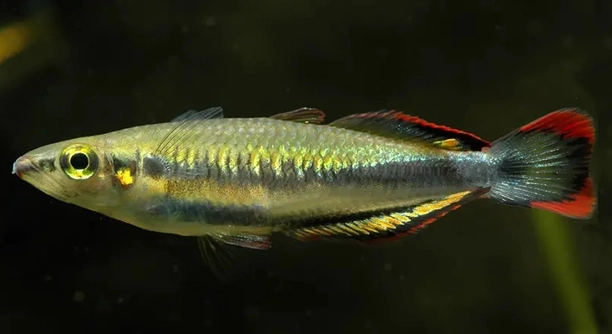
Do you love keeping colorful fish but worry about the cost of maintaining their aquarium? Rainbowfish are lively and beautiful, yet caring for them on a budget can feel overwhelming for many hobbyists starting out.
Providing proper care for rainbowfish on a budget involves balancing nutrition, water quality, and habitat enrichment efficiently. Cost-effective strategies include selecting suitable tank mates, monitoring water parameters, and using affordable yet safe feeding and maintenance routines to ensure health and longevity.
Learning simple and practical methods can help you maintain a thriving rainbowfish tank without overspending. These tips make it possible to enjoy your aquarium fully and responsibly.
Choosing a Budget-Friendly Tank
Setting up a proper tank for rainbowfish does not have to be expensive. A medium-sized tank between 20 and 40 gallons works well for small schools, providing enough swimming space while keeping costs manageable. Choosing a used tank in good condition can save money, but ensure it has no cracks or leaks. Avoid overly elaborate decorations; natural-looking plants, rocks, and substrate can be inexpensive yet create a comfortable environment. Consider starter kits that include a filter, heater, and basic accessories, which are often cheaper than purchasing each item separately. Maintaining proper filtration is essential for water quality and fish health, but high-end filters are not always necessary. Simple sponge filters or low-cost hang-on-back filters can work efficiently when cleaned regularly. Lighting should support live plants if included, but standard LED lighting is usually sufficient. With careful planning, a safe and attractive tank can be achieved without overspending.
Selecting an appropriately sized tank saves money while supporting rainbowfish health and behavior. A medium tank offers room to swim without unnecessary expenses.
Proper setup is about balance. Overstocking the tank increases stress and potential disease, while minimal decorations may make fish feel exposed. Live plants improve water quality and offer hiding spots, reducing aggression. Substrate can be simple sand or gravel, avoiding costly exotic options. A stable heater ensures consistent temperature, which rainbowfish prefer around 75–80°F. Regular water changes maintain cleanliness, reducing the need for expensive medications. Equipment longevity also matters; invest in durable items that won’t need frequent replacement. Even small adjustments, like adding a few floating plants or rearranging decorations periodically, can improve fish comfort. Monitoring fish behavior regularly helps detect issues early, preventing costly mistakes. By keeping the setup practical yet functional, care costs remain low, and fish thrive, making a budget-friendly tank both achievable and sustainable over time.
Affordable Feeding Strategies
Rainbowfish benefit from a varied diet without requiring high-cost specialty foods.
Providing a balanced diet can include flake food, frozen or live brine shrimp, and occasional vegetables. Buying in bulk reduces costs, and feeding small portions prevents waste. Rotating food types ensures proper nutrition while keeping spending low.
Feeding should match the number of fish and tank size. Overfeeding not only wastes food but also impacts water quality, increasing maintenance needs. Affordable protein options like daphnia, tubifex, or homemade fish food can supplement their diet effectively. Flakes designed for tropical fish cover essential nutrients, and mixing them with frozen foods adds variety without adding significant expense. Observing feeding habits helps determine the right portion sizes, preventing leftover food from contaminating the tank. Seasonal sales or online suppliers often offer discounts on bulk items, allowing for long-term savings. Incorporating occasional vegetable pieces, such as blanched spinach or zucchini, supports digestion and overall health. By combining cost-effective sources and careful feeding practices, rainbowfish remain healthy while keeping the budget in check, ensuring a thriving aquarium without unnecessary spending.
Maintaining Clean Water
Regular water changes are essential to keep rainbowfish healthy and reduce long-term costs. Replacing 20–25% of tank water weekly prevents buildup of waste and harmful chemicals. A simple siphon or bucket can make this process quick and efficient.
Using tap water is acceptable if treated with a dechlorinator. Testing water for ammonia, nitrites, and nitrates ensures a safe environment. Maintaining consistent temperature and pH levels prevents stress and disease. Avoid overstocking the tank, as overcrowding accelerates water quality issues. Cleaning the filter regularly helps it run efficiently without needing frequent replacements. Small adjustments in water maintenance save money on medications and prevent fish loss.
Monitoring water clarity is crucial. Cloudy water often signals excess waste or overfeeding, which can be corrected with proper filtration and controlled feeding. Adding hardy live plants absorbs nutrients, reducing algae growth naturally. Vacuuming the substrate during water changes removes leftover food and detritus. Combining these steps maintains a stable tank environment while minimizing additional costs. Consistency in cleaning routines ensures rainbowfish remain vibrant and healthy, making tank upkeep straightforward and budget-friendly over time.
Choosing Affordable Decorations
Decorations should provide hiding spots and swimming areas without being expensive. Simple rocks, driftwood, and artificial plants can be purchased cheaply.
Using live plants supports fish health and improves water quality while adding a natural look. Easy-to-care-for species such as Java fern or Anubias are low maintenance and cost-effective. Decorations can be rearranged to keep the tank interesting without new purchases. Avoid elaborate ornaments that may leach chemicals or break easily, as they increase long-term costs. DIY options, like cleaned pebbles or safe wood pieces, provide unique aesthetics while remaining affordable.
Selecting decorations strategically benefits both the fish and your budget. Avoid overcrowding the tank with excess ornaments, which complicates cleaning and reduces swimming space. Creating zones with plants, rocks, and hiding spots encourages natural behavior and reduces aggression. Floating plants provide shade and comfort, while bottom-dwelling fish can use caves or shelters to feel secure. By focusing on durability, safety, and multifunctional items, you maintain a visually appealing tank while controlling costs. Thoughtful decoration ensures rainbowfish thrive in a stimulating environment without overspending on unnecessary items.
Monitoring Fish Health
Regular observation helps catch illnesses early before they become expensive problems. Watch for changes in color, behavior, or appetite. Quick action prevents disease spread and reduces treatment costs.
Stress can weaken immune systems, making rainbowfish more prone to infections. Consistent water conditions, proper diet, and hiding spots minimize stress and support overall health.
Selecting Tank Mates
Choose peaceful fish that thrive in similar water conditions. Avoid aggressive or large species that may harm rainbowfish. Compatible tank mates reduce stress and prevent costly injuries or replacements.
DIY Maintenance Solutions
Simple tools like siphons, scrubbers, and timers can replace expensive automated equipment. Cleaning and routine checks with basic supplies maintain a healthy tank efficiently. Regular upkeep using affordable solutions saves money while keeping the aquarium in optimal condition.
Observing Behavior Patterns
Pay attention to swimming patterns, schooling behavior, and interactions. Noticing subtle changes allows early intervention, ensuring rainbowfish stay healthy and the tank remains balanced.
FAQ
How often should I feed my rainbowfish?
Rainbowfish should be fed small portions two to three times a day. Overfeeding can pollute the tank and harm water quality, so it’s better to provide only what they can eat in a few minutes. Rotating food types keeps their diet balanced and prevents boredom.
What is the best water temperature for rainbowfish?
Rainbowfish thrive in temperatures between 75°F and 80°F. Keeping the water stable prevents stress and reduces the risk of disease. Using a reliable heater with a thermostat ensures consistent conditions without constant monitoring.
Can I use tap water for my aquarium?
Yes, tap water can be used if treated with a water conditioner to remove chlorine and chloramines. Testing for pH, hardness, and ammonia is important to ensure safe conditions. Regular partial water changes help maintain water quality.
How many rainbowfish should I keep together?
Rainbowfish are schooling fish and do best in groups of six or more. Small schools can become stressed and shy, while larger groups display natural behaviors and vibrant colors. Proper group size reduces aggression and encourages healthy interactions.
What types of tank mates are compatible with rainbowfish?
Peaceful, similarly sized tropical fish are ideal companions. Avoid aggressive or large species that may chase or injure rainbowfish. Small tetras, rasboras, and peaceful gouramis often coexist well, helping maintain a calm and balanced environment.
How can I prevent algae growth on a budget?
Algae can be managed with consistent water changes, limiting excess light, and controlling feeding amounts. Adding hardy live plants competes for nutrients, naturally reducing algae growth. Algae-eating fish or invertebrates can also assist without significant cost.
Do rainbowfish need live plants in the tank?
Live plants are not required but highly recommended. They provide hiding spots, improve water quality, and help reduce stress. Low-maintenance plants like Java fern and Anubias thrive easily, making them a cost-effective addition to a tank.
How often should I perform water changes?
Weekly water changes of 20–25% keep the tank clean and maintain chemical balance. Skipping changes can lead to high nitrate levels, stress, and potential disease. A siphon and bucket make this process simple and affordable.
What should I do if a fish becomes sick?
Isolate sick fish in a quarantine tank to prevent spreading disease. Observe symptoms and treat with recommended medications. Maintaining good water quality and consistent diet minimizes the risk of illness, keeping costs low by avoiding frequent medical treatments.
Are rainbowfish difficult to care for on a budget?
Rainbowfish are relatively hardy and can thrive with basic supplies and proper attention. Careful planning, consistent water maintenance, and a balanced diet allow you to keep them healthy without spending excessively on equipment or food.
Rainbowfish are a lively and colorful addition to any aquarium, and caring for them on a budget is entirely possible with proper planning and attention. Choosing an appropriately sized tank, whether new or used, is the first step in maintaining a healthy environment without overspending. Medium tanks between 20 and 40 gallons offer enough swimming space for small schools while keeping setup costs manageable. Basic decorations, such as simple rocks, driftwood, and low-maintenance plants, create a comfortable habitat and provide hiding spots without requiring expensive ornaments. Even minimal adjustments, like rearranging plants or adding a few new decorations, can improve fish comfort and behavior, all while keeping costs low.
Maintaining water quality is essential for rainbowfish health and longevity, and it does not have to be costly. Regular partial water changes, consistent monitoring of pH, temperature, and ammonia levels, and simple filtration systems ensure a safe environment. Avoiding overfeeding and removing leftover food reduces water contamination and prevents unnecessary expenses on treatments. Observing fish behavior daily allows early detection of stress or illness, which can prevent expensive medical interventions. Adding live plants not only improves water quality naturally but also reduces algae growth and provides enrichment, all without high costs. Simple tools like siphons, scrubbers, and timers can assist with maintenance efficiently, replacing the need for expensive automated systems.
Feeding and nutrition play a major role in keeping rainbowfish healthy while sticking to a budget. Affordable, high-quality flake food, supplemented with frozen or live options like brine shrimp, daphnia, or small vegetable pieces, provides a balanced diet without overspending. Bulk purchases and careful portion control help prevent waste and maintain water quality. Selecting peaceful, compatible tank mates further reduces stress and the risk of injuries, which could lead to additional costs. By combining careful setup, consistent maintenance, and thoughtful feeding practices, it is possible to enjoy a vibrant and thriving rainbowfish aquarium without excessive spending. Simple adjustments and attention to detail ensure that rainbowfish remain healthy, colorful, and active, making a budget-friendly tank a realistic and rewarding choice for any fish keeper.

Hello,
If you enjoy the content that we create, please consider saying a "Thank You!" by leaving a tip.
Every little bit helps us continue crafting quality advice that supports the health, happiness, and well-being of pets around the world, for pets of all shapes, sizes, and species.
We really appreciate the kindness and support that you show us!