
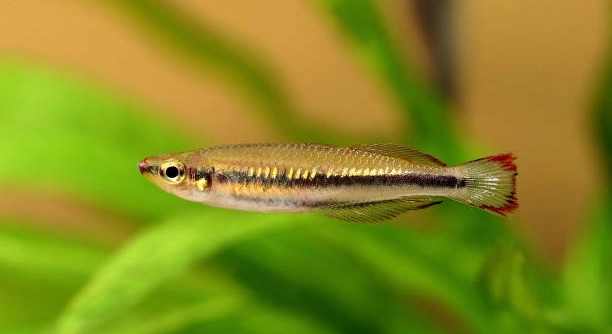
Rainbowfish are lively and colorful additions to any home aquarium, but they thrive best with companions. Observing their behavior closely can help you ensure they remain social and emotionally healthy, avoiding potential stress and isolation in the tank.
Lonely rainbowfish often display changes in activity levels, appetite, and interaction patterns. Reduced swimming, hiding, or lack of response to other fish are clear indicators. Recognizing these signs early allows for adjustments in social environment, improving their overall well-being.
Identifying these behaviors can help you provide a more engaging and supportive habitat for your rainbowfish. Proper attention ensures they stay active, healthy, and emotionally balanced.
Reduced Activity and Hiding
When rainbowfish feel lonely, their activity level often decreases noticeably. You may notice them staying in one corner of the tank or hiding behind decorations more frequently. Unlike normal resting periods, this prolonged inactivity can indicate stress or social discomfort. Observing these patterns consistently can help determine if your rainbowfish requires companions. Changes in swimming patterns or reluctance to explore the tank environment are often early signs. Monitoring daily behavior is crucial to catch these changes before they affect their health. Providing appropriate hiding spots and observing their reactions to other fish can give insight into their emotional state. Maintaining a consistent feeding schedule also helps identify behavioral changes. Stress from isolation may manifest physically, so look for duller colors or less responsive movements. Creating a balanced social environment encourages natural activity, keeping rainbowfish engaged.
Prolonged hiding or low activity is a reliable indicator of loneliness in rainbowfish and should not be ignored.
Adding compatible tank mates gradually and ensuring the environment has enough space and stimulation can reduce stress. Active interaction with others promotes natural behaviors and prevents negative effects from isolation.
Loss of Appetite
A rainbowfish that feels lonely may eat less or show disinterest in food. Appetite loss is a subtle yet important signal of social stress.
Low food intake over time can weaken their immune system, making them more vulnerable to disease. Lack of proper nutrition affects growth, coloration, and overall vitality. Monitoring feeding habits daily allows you to notice small changes early. Introducing additional rainbowfish or similar peaceful species can encourage normal eating patterns. Environmental enrichment, such as plants and hiding spots, also supports better feeding behavior. Consistency in feeding schedule and portion control helps identify deviations caused by loneliness rather than health issues.
To help a lonely rainbowfish regain appetite, provide companions gradually, maintain clean water conditions, and offer a variety of food types. Observing their response to new tank mates and changes in environment helps confirm if social needs are being met. Over time, rainbowfish often regain normal feeding habits once they feel more secure and engaged in the tank. Ensuring a stimulating, social, and clean environment improves both their appetite and overall health, making them more active, colorful, and vibrant.
Color Fading
Lonely rainbowfish often lose their bright colors, appearing dull or less vibrant than usual. This change can happen gradually and signals emotional stress rather than illness.
Loss of social interaction reduces stimulation, affecting pigment cells and overall appearance. A rainbowfish kept alone may show paler fins and body over time, making them look tired or sickly. Bright, active fish need companions to display their natural colors fully. Environmental factors like lighting and water quality also influence coloration, but loneliness remains a key factor. Adding compatible tank mates encourages normal activity, which helps colors return naturally.
Color fading can also coincide with lower energy levels and reduced responsiveness. Ensuring a balanced social setup, with adequate space and visual stimulation, supports both their emotional and physical health. Observing changes in hue and vibrancy is an effective way to track their well-being over time. Maintaining clean water, stable temperature, and regular feeding enhances their natural appearance alongside social support.
Lethargy During Social Interaction
Rainbowfish may seem sluggish even when other fish are present if they feel isolated. Their movements become slow and unresponsive, contrasting with normal playful swimming.
Lethargy can indicate that the fish is uncomfortable or stressed despite being in a populated tank. They may avoid interaction, linger near tank edges, or fail to respond to stimuli. Social species like rainbowfish rely on companionship to feel secure and active. Without it, their natural curiosity and energy diminish, making them appear uninterested in swimming or exploring. Providing visually and physically engaging tank features encourages movement and interaction. Adding suitable companions gradually improves responsiveness and overall vitality.
When lethargy persists, it can affect feeding, immune function, and growth. Monitoring social behavior alongside health indicators ensures that the fish’s needs are being met. Adjusting group size, introducing tank mates carefully, and maintaining stable water conditions can restore normal activity. Encouraging swimming through enrichment and gentle interaction helps them regain energy and feel more confident within their environment, reinforcing both social and physical well-being.
Frequent Darting
Lonely rainbowfish may suddenly dart around the tank in short bursts. These quick, erratic movements often indicate anxiety or stress rather than normal play.
This behavior is more noticeable when the tank is quiet or lacks other active fish. Frequent darting can also be a response to unfamiliar objects or shadows, but isolation intensifies it.
Avoidance of Other Fish
A rainbowfish that feels lonely may actively avoid interaction with other tank mates. They often swim to opposite sides or hide whenever others approach.
This avoidance is not aggression but a sign of discomfort. Socially isolated fish struggle to engage normally, leading to reduced group cohesion and diminished activity. Observing avoidance patterns helps identify loneliness and guide adjustments.
Excessive Resting
Lonely rainbowfish spend longer periods resting at the bottom or in sheltered areas of the tank.
Extended rest reduces movement and engagement with the environment, signaling social and emotional stress.
How many rainbowfish should I keep together?
Rainbowfish are social creatures and thrive in groups. Keeping at least six in the same tank helps maintain natural behavior and reduces signs of loneliness. Smaller numbers can lead to stress, color fading, and inactivity. Group size also depends on tank dimensions and available swimming space. Adequate companions encourage interaction, swimming, and playful displays. Observing their behavior after adding more fish can help you adjust the group size for balance. Social enrichment is essential to prevent emotional and physical issues, making a group setting the most suitable environment for rainbowfish.
Can rainbowfish recover from loneliness?
Yes, rainbowfish can recover if their social environment improves. Adding compatible companions gradually is key, as sudden introductions can trigger stress or aggression. Monitor interactions closely, ensuring all fish have enough space and hiding spots to feel secure. Over time, their activity levels, coloration, and feeding habits typically return to normal. Environmental factors, like water quality, temperature, and tank layout, also support recovery. Proper nutrition and a consistent feeding schedule enhance their resilience. With attentive care and social stimulation, rainbowfish can regain confidence, energy, and natural behaviors, reversing the negative effects of loneliness.
What are the best companions for rainbowfish?
The ideal companions are other peaceful, similarly sized fish that thrive in comparable water conditions. Tetras, danios, or other rainbowfish species often work well. Avoid aggressive or territorial fish, as they can increase stress and worsen signs of loneliness. Matching swimming habits and social behavior helps maintain harmony in the tank. Introducing new companions gradually allows for smoother adaptation and reduces conflict. Observing group interactions ensures all fish feel secure and active. A well-chosen community promotes engagement, natural movement, and healthy social behaviors, supporting both emotional and physical health for rainbowfish.
How can I tell if my rainbowfish is still lonely after adding companions?
Observe behavior closely after introducing new fish. Signs like continued hiding, darting, lethargy, or avoidance indicate lingering stress. Some rainbowfish take longer to adjust, so patience is essential. Ensure each fish has space, hiding spots, and consistent routines. Activity levels, appetite, and coloration are good indicators of emotional recovery. Gradually increasing interaction opportunities, like open swimming areas or enriched environments, helps them adapt. Consistent monitoring allows you to identify issues before they affect health. Addressing stress factors and maintaining proper social structure ensures rainbowfish integrate fully and regain natural behaviors over time.
Do rainbowfish need specific tank conditions to prevent loneliness?
Yes, proper tank conditions are important for their social well-being. Sufficient space, clean water, stable temperature, and visual stimulation reduce stress. A minimum of 30 gallons is recommended for small groups, with plenty of swimming room and hiding spots. Plants, rocks, and decorations create areas for exploration and security. Lighting that mimics natural day cycles encourages normal activity. Regular maintenance, water testing, and balanced feeding routines support overall health. An enriched environment combined with social companions helps prevent loneliness and encourages natural behaviors, keeping rainbowfish active, colorful, and emotionally balanced.
Can stress from loneliness affect health?
Stress from isolation can have serious health effects. Lonely rainbowfish may experience weakened immunity, reduced appetite, slower growth, and susceptibility to disease. Prolonged inactivity or hiding further affects their physical condition. Stress can also cause dull coloration and abnormal behaviors, signaling underlying issues. Maintaining social groups, proper tank conditions, and routine care reduces stress. Monitoring health indicators alongside behavior helps catch problems early. Addressing both emotional and environmental needs ensures rainbowfish remain strong, vibrant, and less prone to illness. Regular observation and intervention prevent long-term health consequences caused by loneliness.
How quickly do rainbowfish show signs of loneliness?
Signs can appear within days or weeks, depending on the individual and tank setup. Some fish may gradually become less active, lose color, or hide more often. Early detection is important to prevent stress-related health problems. Observing daily behavior helps identify small changes, allowing prompt adjustments. Providing companions or environmental enrichment at the first signs of loneliness ensures faster recovery. Consistency in feeding, water quality, and tank layout supports emotional stability. Being attentive to subtle behavioral changes allows rainbowfish to maintain normal activity, coloration, and social engagement, reducing long-term negative effects.
Is it normal for rainbowfish to be alone sometimes?
Short periods of solitude or resting are normal. Occasional hiding or inactivity does not always indicate loneliness. However, prolonged isolation, reduced interaction, and changes in color or appetite suggest stress. Monitoring patterns helps distinguish normal behavior from loneliness. Consistent social stimulation and observation ensure emotional and physical well-being. Temporary alone time can be balanced with group activities and environmental enrichment. Ensuring companions are compatible and the tank is engaging prevents long-term negative effects. Regular attention to behavior and group dynamics supports a healthy, active, and vibrant rainbowfish environment.
What steps can I take if my rainbowfish refuses to interact?
Gradually introduce compatible tank mates, ensuring all fish have enough space and hiding spots. Monitor closely to prevent aggression. Adjust environmental features like plants and decorations to create stimulating areas. Maintain clean water, stable temperature, and a consistent feeding schedule. Patience is essential, as some fish need time to feel secure. Observing subtle behavior changes, like increased swimming or exploring, indicates progress. Ensuring a balanced social environment and supportive habitat helps rainbowfish regain confidence, activity, and natural behaviors, improving both emotional and physical health.
Rainbowfish are lively and engaging fish that bring beauty to any aquarium, but their social needs are just as important as their physical care. Observing their behavior daily is essential to ensure they remain healthy and emotionally balanced. Loneliness can manifest in several ways, including hiding, color fading, loss of appetite, and unusual swimming patterns. These changes are often subtle at first, so paying close attention to even small deviations from normal behavior can help prevent more serious issues. By recognizing these early signs, it becomes possible to adjust the tank environment or add companions to improve their overall well-being. Providing a supportive habitat with adequate space, hiding spots, and compatible tank mates encourages natural activity and reduces stress. Consistency in feeding routines, water quality, and lighting also plays a key role in maintaining a healthy, thriving aquarium environment for rainbowfish.
Adding companions to address loneliness should be done carefully to ensure harmony within the tank. Gradual introductions allow fish to adjust to one another without causing unnecessary stress or conflict. It is important to observe interactions closely during this period, making sure all fish are comfortable and safe. Some rainbowfish may take longer to adapt, so patience is necessary. Environmental enrichment, such as plants, rocks, and open swimming areas, supports healthy social behavior and encourages engagement. Maintaining proper tank conditions alongside social support ensures that rainbowfish regain their natural colors, activity levels, and appetite. Over time, a well-balanced social environment allows them to flourish, displaying the vibrant behavior and energy that make them such rewarding fish to care for.
Ultimately, understanding the social needs of rainbowfish is essential for their long-term health and happiness. Loneliness can negatively impact both behavior and physical condition, but with careful observation and proactive adjustments, it is possible to reverse these effects. Creating a stable, stimulating environment with suitable companions encourages natural behaviors, strengthens immunity, and maintains coloration and vitality. Regular attention to behavioral cues and environmental factors ensures that rainbowfish remain active, confident, and engaged in their surroundings. By providing a supportive habitat and fostering positive social interactions, caretakers can ensure their rainbowfish live full, healthy lives while minimizing the stress and challenges associated with isolation. Proper care, patience, and thoughtful planning make a significant difference in the well-being of these colorful, social fish.

Hello,
If you enjoy the content that we create, please consider saying a "Thank You!" by leaving a tip.
Every little bit helps us continue crafting quality advice that supports the health, happiness, and well-being of pets around the world, for pets of all shapes, sizes, and species.
We really appreciate the kindness and support that you show us!